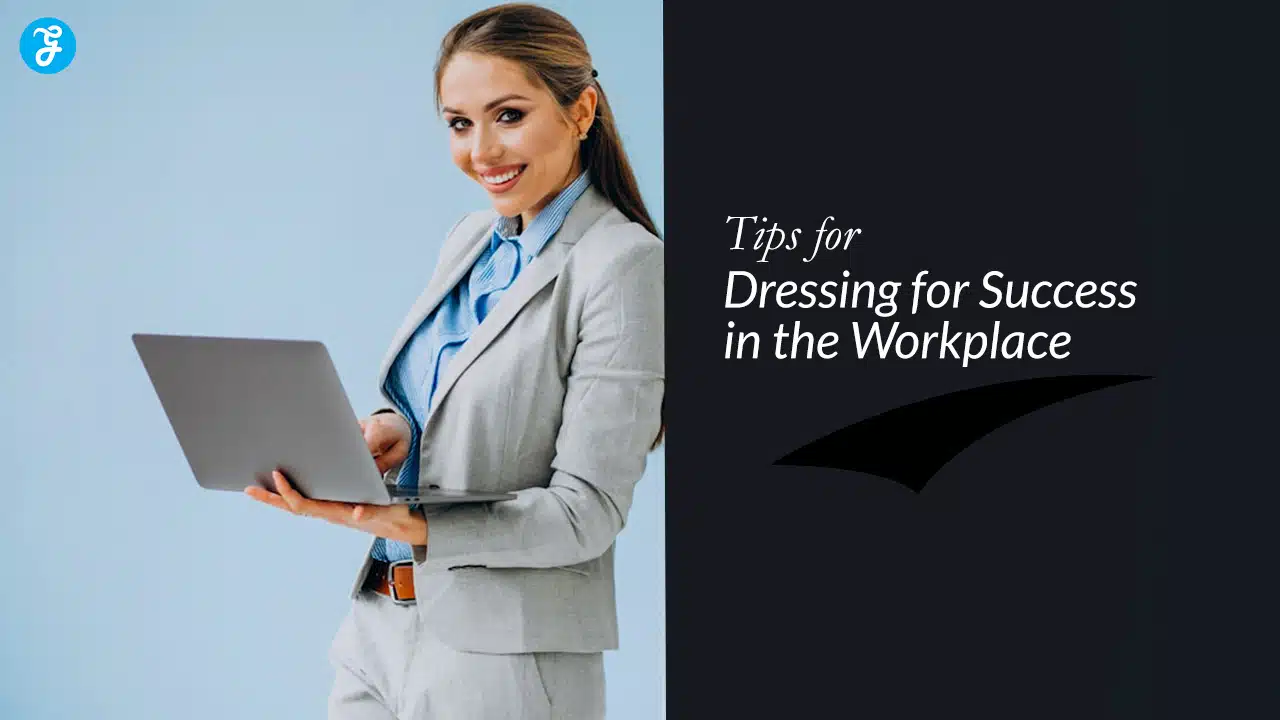
Dressing for success in the workplace is more than just about looking good; it’s about projecting professionalism, confidence, and competence. Your appearance can significantly impact how colleagues, clients, and superiors perceive you.
Whether attending an interview, a meeting, or just navigating your daily office routine, dressing appropriately can leave a lasting impression.
Here are 15 essential tips to help you dress for success in the workplace, ensuring that your attire aligns with your professional aspirations.
1. Understand Your Workplace Dress Code
The foundation of dressing for success in the workplace is understanding your company’s dress code. Every organisation has its culture and expectations regarding employee attire, and dressing appropriately is critical to making a positive impression. Companies often categorise their dress codes as professional, casual, or casual.
In a business professional environment, you are expected to wear formal attire like suits, ties, and polished shoes, while business casual typically allows for more relaxed options like dress pants, blouses, and blazers without a tie. In casual workplaces, employees might have more freedom to wear jeans or other relaxed attire.
However, keeping your look neat and professional is essential even in these environments. If you’re unsure about what is expected, it’s always better to start on the more formal side and adjust as you get more familiar with the office culture.
Looking to senior employees or managers for guidance can provide insight into the appropriate attire. Remember, adhering to the dress code shows respect for your workplace and signals that you understand the importance of professionally representing yourself—and your company.
2. Invest in Quality Wardrobe Staples
Quality over quantity is the key to building a professional wardrobe. Investing in a few high-quality wardrobe staples can ensure you’re always prepared to dress appropriately, no matter the occasion. These staples might include a tailored blazer, a versatile pencil skirt, well-fitted dress pants, or a classic button-down shirt.
Quality pieces’ advantages are that they tend to last longer, hold their shape better, and project a polished appearance that cheaper alternatives might not offer. While you pay more upfront, the longevity and durability of these items mean they are often more cost-effective in the long run.
These essential items are also versatile, allowing you to mix and match them with other pieces in your wardrobe to create multiple looks without needing a vast clothing collection. Pay attention to the fabric, fit, and craftsmanship when selecting wardrobe staples, as these elements contribute to the overall impression of your outfit.
A well-constructed suit or blouse can significantly affect how colleagues and clients perceive you. Investing in a few timeless, high-quality pieces can give you the foundation for a professional wardrobe.
3. Dress for Your Role and Industry
Your attire should align with both your position and the industry you work in. Dressing appropriately for your role means understanding the expectations that come with your position and the message you want to convey. For example, dressing formally and professionally can help establish your authority and competence if you’re in a leadership position or aspire to one.
On the other hand, dressing too casually in a more conservative or corporate environment might signal a lack of seriousness or ambition. Industries like finance, law, or government typically call for business professional attire—tailored suits, dress shirts, and formal shoes.
In contrast, creative industries like advertising, tech, or fashion might encourage a more relaxed or trendy approach to dressing, where you can express more individuality while still looking polished.
Regardless of the industry, it’s essential to dress in a way that makes you feel confident and competent, as how you present yourself can impact how others perceive your ability to handle responsibilities. Consider your role within your company and the overall expectations of your industry when selecting your daily attire.
4. Prioritize Fit Over Fashion

One of the most important aspects of dressing for success is ensuring that your clothes fit properly. Ill-fitting clothes, whether tight or loose, can detract from your professional appearance, no matter how fashionable they are. Prioritizing fit over fashion means opting for clothing that complements your body type and enhances your confidence.
A blazer or dress that fits well instantly makes you look more put-together and professional. It’s also essential to tailor items like suits, pants, or skirts to your body shape, as off-the-rack clothing often doesn’t fit everyone perfectly.
Even slight alterations, such as adjusting the hem of a pair of pants or shortening a jacket sleeve, can significantly affect how your outfit looks. Always try items on when shopping for new clothes to ensure they fit correctly before purchasing.
This ensures comfort and projects a sense of attentiveness and care in your appearance. Remember, well-fitted clothing can elevate the simplest outfit, while poorly fitting clothes undermine an otherwise stylish look.
5. Opt for Neutral and Muted Colors
Neutral and muted colours are a safe and timeless choice for professional attire. Classic shades like black, navy, grey, beige, and white are versatile and exude professionalism, making them an excellent foundation for any workplace wardrobe.
These colours can easily be mixed and matched, allowing you to create various looks without needing an extensive collection of clothes. Neutral tones also tend to be less distracting, ensuring that your appearance doesn’t overshadow your skills and contributions in the workplace.
While it’s perfectly acceptable to incorporate pops of colour, particularly in accessories like ties, scarves, or handbags, striking a balance is essential. Too many bright or bold colours can detract from a polished, professional look. Muted tones, on the other hand, offer subtle elegance and ensure that you remain understated yet confident.
Additionally, neutral colours are less likely to clash with one another, making it easier to coordinate outfits. Incorporating key pieces in these shades into your wardrobe can simplify your dressing routine while keeping you looking sharp and professional.
6. Pay Attention to Grooming and Hygiene
Grooming and hygiene are just as important as the clothes you wear when dressing for success. A polished appearance isn’t just about your outfit; it’s also about how you present yourself through personal care. Ensure that your hair is neatly styled, your nails are clean and well-groomed, and your overall hygiene is impeccable.
Men should keep facial hair neatly trimmed, while women may opt for a subtle makeup look that enhances their natural features without being too distracting. In addition, make sure to use deodorant and if you choose to wear perfume or cologne, use it sparingly—strong scents can be overpowering in a professional setting.
Good hygiene and grooming habits help you feel more confident and make a positive impression on those around you. When people see that you care for your appearance, they may be more likely to trust that you also care for your work.
A well-groomed appearance reflects professionalism and attention to detail, both critical in a thriving workplace environment.
7. Choose Appropriate Footwear
Footwear plays a crucial role in completing your professional look. Shoes should not only complement your outfit but also be comfortable enough for long days at the office or walking between meetings. For men, classic leather shoes like oxfords, brogues, or loafers in black or brown are timeless choices that work well in most business settings.
Women can opt for pumps, flats, or low-heeled shoes that offer both style and comfort. It’s essential to avoid shoes that are too casual, such as sneakers, flip-flops, or sandals, unless your workplace specifically allows for them. Additionally, make sure your shoes are always clean and polished, as scuffed or worn-out footwear can diminish the impact of an otherwise professional outfit.
Footwear should match your attire and the formality of your workplace. For example, in a business professional setting, leather dress shoes are appropriate, whereas, in a more casual environment, neat loafers or flats may suffice.
Remember that your shoes not only complete your look but also communicate attention to detail and personal care, two qualities that can enhance your overall image in the workplace.
8. Keep Accessories Minimal and Professional
Accessories can enhance your look, but it’s important to strike a balance between stylish and professional. When choosing accessories for the workplace, less is often more. Opt for simple, classic pieces like a watch, a pair of stud earrings, or a delicate necklace.
Cufflinks or a sleek tie clip can add a touch of sophistication without being too flashy for men. Avoid large, statement jewelry or accessories that might be distracting in a professional setting. In terms of bags, a structured leather tote, briefcase, or laptop bag is a functional yet polished option for carrying your work essentials.
It’s also essential to be mindful of other accessories, such as belts, scarves, or ties, ensuring that they complement rather than overpower your outfit. In a professional setting, accessories should enhance your look without drawing too much attention.
The goal is to create a cohesive, polished appearance that reinforces your professionalism. By choosing understated, high-quality accessories, you’ll add subtle elegance to your outfit and demonstrate your understanding of workplace etiquette.
9. Iron Your Clothes
Wrinkled clothing can significantly undermine your professional appearance, no matter how well put-together your outfit is. Taking the time to iron your clothes or use a garment steamer ensures that you look polished and presentable. Wrinkles can give off the impression that you’re disorganized or careless, qualities that no one wants to project in the workplace.
Whether you’re wearing a shirt, blouse, pants, or dress, ensuring that your clothes are smooth and wrinkle-free is a simple yet effective way to maintain a professional look. If you’re pressed for time, using a wrinkle-release spray or choosing wrinkle-resistant fabrics can be a lifesaver.
However, taking the extra few minutes to iron or steam your outfit can make a big difference in how you’re perceived. Well-maintained clothing shows that you care about your appearance and take pride in how you present yourself to others.
Looking neat and polished can also boost your confidence, helping you to perform at your best throughout the day.
10. Be Mindful of Patterns and Prints

Patterns and prints can add personality and interest to your wardrobe, but it’s essential to approach them with caution in the workplace. Too many bold or loud prints can be distracting and may not always align with a professional dress code. When incorporating patterns into your work attire, opt for classic designs like pinstripes, checks, or subtle floral prints that add sophistication without overpowering your look.
Patterns should be balanced with solid colors to maintain a polished and professional appearance. For example, pairing a patterned blouse with a solid-colored skirt or pants can create a harmonious and stylish outfit.
Similarly, a printed tie or pocket square can add a pop of personality to a formal suit. The key is to ensure that your patterns don’t detract from the overall professional tone of your attire.
By carefully selecting patterns that align with your industry and workplace culture, you can strike the right balance between creativity and professionalism, making a positive impression without going overboard.
11. Layer Thoughtfully
Layering is a great way to add dimension and versatility to your work wardrobe, especially in colder months or fluctuating office temperatures. However, it’s essential to layer thoughtfully to avoid a bulky or mismatched appearance.
Start with lightweight base layers, such as a blouse, dress shirt, or turtleneck, and add structured outerwear like a blazer, cardigan, or vest for a polished look. A tailored blazer or jacket over a crisp shirt can instantly elevate your outfit in more formal settings. For business casual environments, a sweater layered over a collared shirt can strike the right balance between comfort and professionalism.
When layering, ensure that each piece complements the others in terms of color, fabric, and fit. Avoid layering too many bulky items, which can create a disheveled appearance.
Layering allows you to stay comfortable while maintaining a professional look throughout the day, and it also offers the flexibility to adjust your outfit as needed, depending on the temperature or the formality of the occasion.
12. Match Your Belt with Your Shoes
Matching your belt with your shoes is a simple yet effective rule that can instantly enhance your professional look. For men, this often means wearing a black belt with black shoes or a brown belt with brown shoes.
Women can also apply this rule when wearing belts in more formal outfits, such as pantsuits or dresses with belts. Keeping your accessories coordinated creates a cohesive appearance that demonstrates attention to detail, a quality that’s highly valued in professional settings.
Mismatched belts and shoes can disrupt the harmony of your outfit and make you appear less polished. When selecting belts, opt for high-quality leather or faux-leather materials that complement your overall look.
Additionally, ensure that your belt buckle isn’t too large or flashy, as understated elegance is key in the workplace. By following this classic style rule, you add a subtle level of sophistication to your outfit, ensuring that you look sharp and professional in any setting.
13. Be Conscious of Workplace Culture Trends
While it’s essential to maintain a professional appearance, being aware of the evolving workplace culture can help you strike the right balance between formality and modern trends. Workplace fashion trends often differ across industries, and understanding these nuances can give you a competitive edge in fitting in and standing out appropriately.
In more conservative fields like law or finance, traditional business attire may still dominate, but industries like tech, media, or startups might embrace a more relaxed and contemporary dress code. Being conscious of these trends allows you to adapt your wardrobe without compromising professionalism.
Observe how leaders and senior employees dress, and take cues from them. While staying fashionable, remember that appropriateness should come first. Following workplace trends is about finding ways to incorporate modern style elements, such as slim-cut suits or bold yet tasteful accessories, while still adhering to the overall professional tone of your industry.
Keeping up with these trends signals that you’re in tune with your environment and adaptable, key traits for success in today’s dynamic workplace.
14. Avoid Overly Casual Attire
Even if your workplace has a business casual dress code, it’s important to avoid overly casual attire that could undermine your professionalism. Items like flip-flops, ripped jeans, or graphic t-shirts might be acceptable in some very relaxed environments, but in most workplaces, they can make you appear unprofessional.
Always err on the side of caution when it comes to dressing down. Business casual doesn’t mean you should compromise on looking neat and polished. Instead of wearing jeans, opt for chinos or dress pants, and replace graphic tees with a simple, clean button-up or blouse.
Even in casual settings, a blazer or smart jacket can elevate your look and demonstrate that you take your role seriously. While comfort is important, especially during long workdays, it’s crucial to find a balance between comfort and professionalism.
By avoiding overly casual attire, you show that you respect the workplace and are prepared for any professional interaction that may arise during the day.
15. Dress for the Job You Want
The idea of dressing for the job you want, not the job you have, is a time-tested piece of career advice that still holds value today. By dressing slightly above the expectations of your current position, you project ambition, competence, and readiness for advancement.
If you aim for a leadership role, your attire should reflect the professionalism and authority associated with that position. Dressing for success isn’t about being extravagant or flashy; it’s about demonstrating that you understand the expectations of higher-level roles and are prepared to meet them.
Even small upgrades, like choosing more tailored outfits or adding sophisticated accessories, can signal that you’re serious about your career progression. When others, including your supervisors and peers, see you dressing with intention and purpose, they’re more likely to view you as someone who is capable and ready to take on greater responsibilities.
This mindset can positively influence how you are perceived in the workplace and can be a stepping stone toward achieving your professional goals.
Wrap up
Dressing for success is about more than just looking professional—it’s about aligning your appearance with your career goals, industry standards, and workplace culture.
By following these 15 tips, you can create a wardrobe that not only helps you make a great impression but also boosts your confidence and sets you up for success in the workplace.
Whether you’re just starting your career or aiming for a promotion, dressing appropriately can make all the difference in how others perceive your competence and leadership potential.