Live events let brands test credibility in public, face-to-face, minute by minute. Displays can attract attention for a second, yet people usually remember the exchange that clarified a product or eased a decision. Trained promotional teams shape those moments with calm direction, accurate answers, and steady energy. That human contact gives the experience structure, helps guests feel comfortable, and leaves a stronger impression after the venue clears.
First Impressions
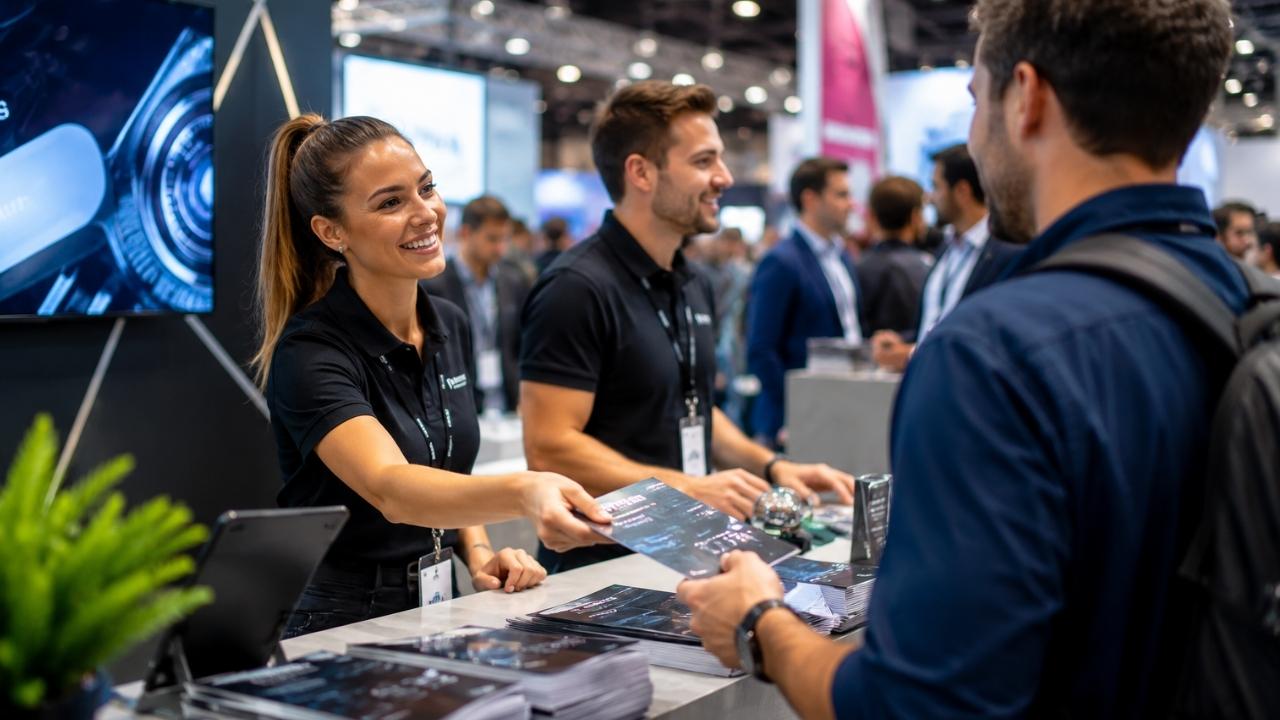
Crowded venues force quick judgments, and the quality of staffing often determines whether a passerby slows down or keeps walking. Many organizers hire promotional talent for Atlanta events to handle greeting, traffic control, product support, and lead capture, because busy local programs need poised communicators who can read the room, stay composed, and represent a message clearly during long shifts with uneven foot traffic.
Attention That Feels Human
People respond first to facial expression, posture, and tone. A skilled representative notices hesitation and opens a brief exchange without sounding rehearsed. That moment can reduce social friction and make a booth feel easier to enter. Warm, attentive staffing also helps guests feel acknowledged, which matters on packed floors where attention breaks quickly and patience runs short.
Brand Memory
Most attendees forget visual clutter within hours. What stays longer is a useful explanation, a clear demonstration, or a reply that fits the question. Promotional talent helps create those details in real time. Each small interaction supports recognition, trust, and clarity of the message. Repeated across a full event day, those moments shape memory more effectively than signage working alone.
Crowd Flow
A strong activation can still fail if movement slows near the entry point. Promotional teams keep traffic orderly by welcoming arrivals, guiding lines, and explaining the next step before confusion spreads. Better flow reduces frustration and preserves momentum inside the space. It also frees account staff to spend time with qualified visitors rather than resolving preventable bottlenecks at registration or sampling stations.
Product Demos
Some products need a live explanation before the value becomes obvious. In those settings, trained staff can show key features, answer recurring questions, and keep the presentation short enough to hold attention. A concise demo gives guests a reason to stay. Longer dwell time often improves recall, raises purchase interest, and creates better conditions for follow-up after the event.
Lead Quality
High lead counts mean little without context. Promotional teams improve collection by asking a few useful opening questions, identifying interest level, and routing stronger prospects to the right internal contact. That structure protects time for the sales staff. It also raises follow-up quality because each name comes with clearer intent, stronger notes, and a more accurate sense of readiness.
Local Fit
Local knowledge adds practical value that outsiders may miss. Atlanta hosts trade shows, sports weekends, retail launches, and campus programs across a wide range of settings. Talent with city experience often understands venue rhythm, commuting patterns, and audience expectations. That awareness helps teams adjust tone and timing during the day. It also supports steadier execution when attendance jumps or logistics change quickly.
Preparation Matters
Strong event staffing depends on preparation, not charm alone. Teams need product facts, audience profiles, escalation rules, and clear talking points before doors open. Short rehearsals help fix weak phrasing and sharpen handoffs. Brands that brief well usually present a steadier message. Better preparation also limits errors during peak traffic, when rushed communication can dilute trust or waste viable leads.
Measuring Impact
Event performance should be judged with evidence. Useful measures include booth traffic, demo participation, qualified leads, redemption rates, and post-event inquiry volume. Staffing quality influences each result because better conversations usually produce cleaner data and more consistent follow-up. Over time, those patterns show where talent improves return, which formats deserve expansion, and where operational changes can raise future performance.
Final Thoughts
Promotional talent gives live events a human center that static displays cannot provide. The right team can welcome guests, explain products, manage movement, and improve lead quality through a single coordinated program. That support changes how people experience a brand in the moment and how they remember it later. For organizations seeking measurable event results, staffing deserves serious planning rather than last-minute attention.