
Iceland, a land of fire and ice, beckons travelers year-round with its stunning landscapes and natural wonders. This island nation in the North Atlantic offers unique experiences in every season, from the ethereal Northern Lights to the Midnight Sun.
Choosing the best time to go to Iceland depends on what you want to see and do. Summer (June to August) brings pleasant weather and long daylight hours, perfect for exploring the outdoors.
Winter (October to April) offers a chance to witness the magical Aurora Borealis, though daylight is limited. Spring (April to May) and fall (late August to October) provide a mix of experiences with fewer crowds.
Each season has its perks: whale watching peaks in early summer, while fall offers serene hot spring visits. Weather varies widely, with winter temperatures dipping to -15°C in the north and summer highs reaching 18°C.
Travel costs fluctuate too, ranging from $80 to $250+ per day depending on the season and activities. Iceland’s charm lies in its ever-changing nature. Ready for an unforgettable trip?
Best Time to Go to Iceland
Iceland’s seasons paint a picture of stark contrasts. Winter blankets the land in snow and darkness, while summer brings endless daylight and lush green landscapes. Discover the best time to go to Iceland.
Winter: October – April
Iceland’s winter stretches from October to April, transforming the landscape into a snow-covered wonderland. During these months, temperatures plummet to -15°C in the north and -5°C in the south.
January and February bring the coldest weather, with daylight dwindling to a mere 4-5 hours in December.
This chilly season offers unique adventures for the intrepid traveler. Snowshoeing and hiking become popular activities, while the long nights provide perfect conditions for spotting the elusive Northern Lights.
But pack your warmest clothes – winter in Iceland is twice as windy as summer, adding an extra bite to the cold.
Spring: April – May
Spring in Iceland brings a fresh awakening to the land. From April to May, the country sheds its winter coat and bursts into color. Temperatures hover between 0 to 10°C, making outdoor exploration comfortable.
Daylight stretches to 10-13 hours, giving visitors more time to soak in the sights. This off-season period offers cheaper travel costs and fewer crowds.
Nature puts on a show during these months. Atlantic puffins return to nest along the South Coast and Westfjords in early April. The seas teem with marine life, making it prime time for whale watching.
Travelers might spot minke, humpback, and sperm whales, or even orcas. With the snow melting, hiking trails open up, revealing Iceland’s raw beauty. The Golden Circle and Reykjavik come alive with activity, while the Blue Lagoon offers a serene soak without the summer rush.
Summer: June – July/Some of August
Summer in Iceland brings long days and mild temperatures. From June to early August, the sun barely sets, giving visitors 20-22 hours of daylight. This “midnight sun” creates perfect conditions for outdoor activities.
Temperatures range from 5 to 18°C (41 to 64°F), ideal for hiking, whale watching, and exploring the highlands.
Iceland’s attractions get busy during these months. Prices rise as tourists flock to see the country’s natural wonders. But the trade-off is worth it. Summer offers the best access to Iceland’s stunning landscapes.
Visitors can trek through Landmannalaugar’s colorful mountains or spot humpback whales off the coast. The Ring Road is fully open, making it easy to circle the island and see dormant volcanoes, hot springs, and epic waterfalls.
Fall: End of August – October
Fall in Iceland paints a stunning picture. From late August to October, the landscape bursts with autumn colors. Temperatures range from 2 to 6°C, perfect for outdoor adventures. It’s a great time to explore natural wonders without the summer crowds.
This season offers unique experiences. Catch the annual farm animal roundup, known as réttir, in September. It’s also prime time for Northern Lights viewing, especially from September to December.
Off-piste adventures and backcountry skiing beckon thrill-seekers. Nature lovers can forage for wild berries while taking in the breathtaking scenery.
Best Time to Go to Iceland for Northern Lights
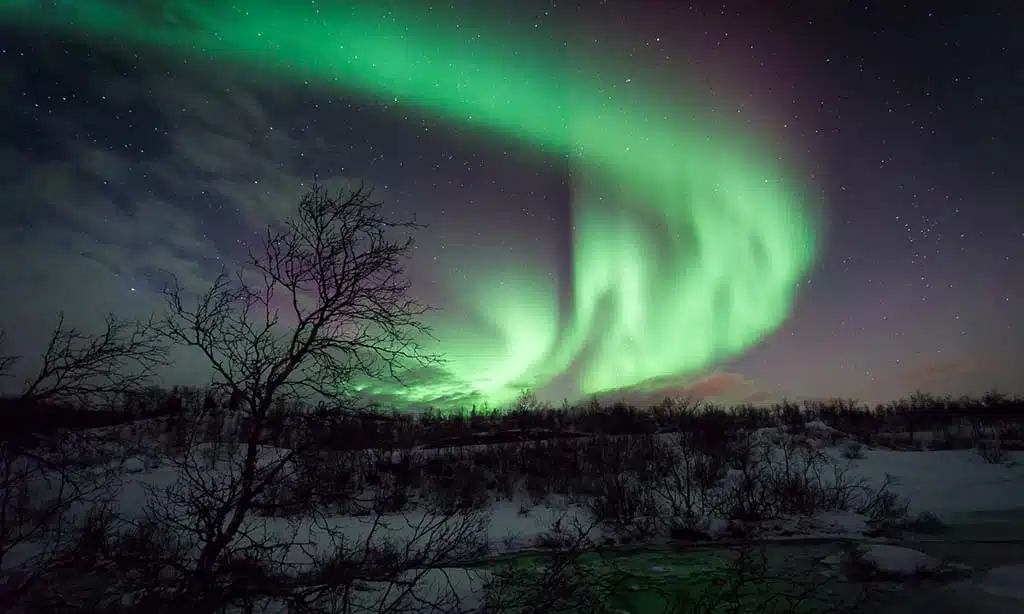
Picture this: You’re standing under a starry sky in Iceland, when suddenly, green and purple lights dance above you. Winter nights offer the best chance to see this magical show. Want to know more about the best time to go to Iceland for catching the Northern Lights?
Winter: Optimal visibility conditions
Iceland’s winter months offer prime conditions for catching the elusive Northern Lights. From mid-October to March, long nights and clear skies create the perfect backdrop for this celestial spectacle.
Aurora hunters flock to the island during this time, armed with cameras and warm layers. The increased solar activity around the September and March equinoxes ups the chances of spotting these magical green and purple streaks dancing across the sky.
For the best shot at seeing the auroras, head out on clear nights away from city lights. Many hotels offer wake-up calls when the lights appear, so you don’t miss a moment. Bring a camera with manual settings – pros suggest an ISO of 800-3200, aperture between f/2.8 and f/5.6, and a 15-30 second shutter speed to capture the magic.
Just remember, patience is key when chasing these otherworldly lights.
Best Time to Go to Iceland for Whale Watching
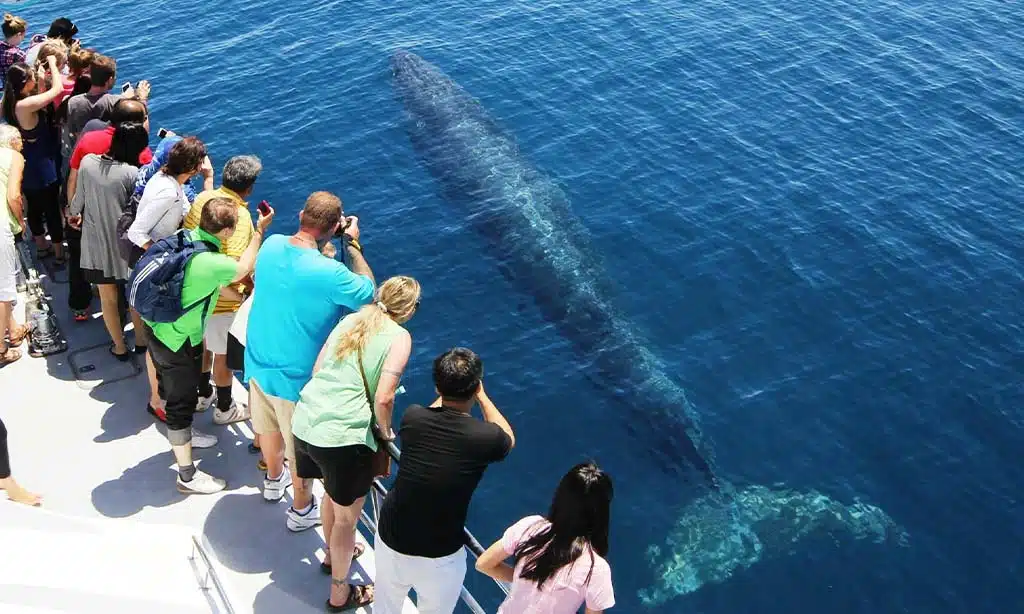
Spring and early summer bring a whale-watcher’s dream to Iceland’s waters. Minke whales, humpbacks, and other gentle giants flock to the coast, putting on a breathtaking show for lucky onlookers. So spring is the best time to go to Iceland for whale watchers.
Spring and early Summer: Peak whale activity
Whales flock to Icelandic waters from April to early October. This period offers prime opportunities for spotting majestic sea creatures. Minke, humpback, and sperm whales often make appearances.
Lucky visitors might even glimpse orcas gliding through the waves. Whale watching tours buzz with activity in April as the season kicks off.
Icelandic coasts teem with over 20 species of whales and dolphins during these months. The rich marine life attracts both tourists and researchers. Boats leave harbors daily, filled with eager whale watchers.
Binoculars in hand, they scan the horizon for telltale spouts or breaching bodies. The thrill of seeing these giants up close is unforgettable.
Best Time to Go to Iceland for Hiking and Outdoor Activities
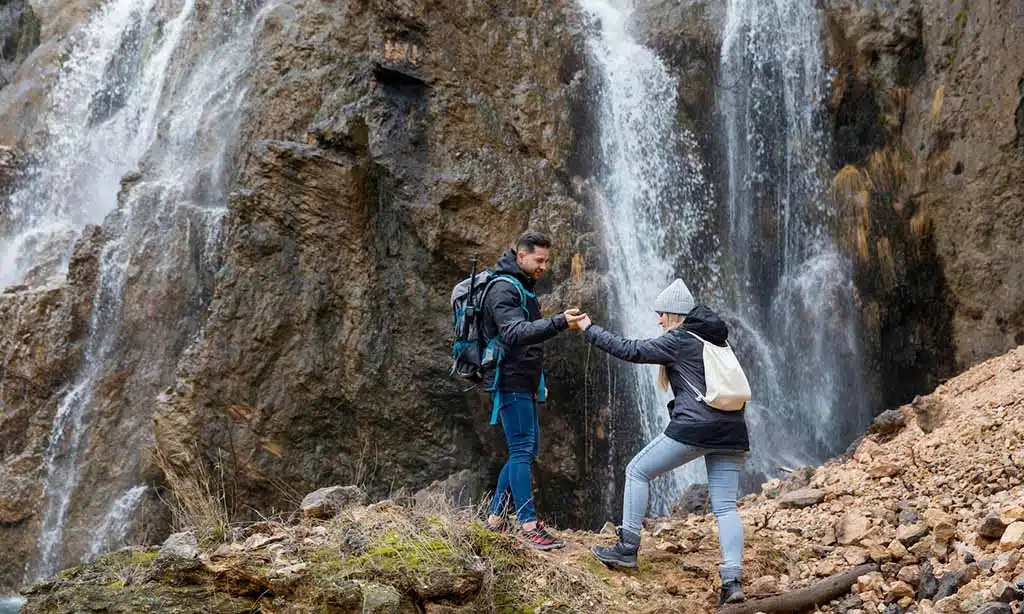
Summer in Iceland is a hiker’s paradise. The long days and mild weather make it perfect for exploring the country’s stunning landscapes. So summer is the best time to go to Iceland if you like hiking.
Summer: Ideal weather for exploring
Iceland’s summer beckons explorers with its balmy embrace. From June to early August, temperatures dance between 5 to 18°C, perfect for outdoor adventures. Hikers revel in 20-22 hours of daylight, conquering trails without fear of darkness.
The highlands open up, inviting curious souls to witness otherworldly landscapes shaped by volcanic forces.
This season gifts travelers with unparalleled access to natural wonders. Jökulsárlón glacier lagoon sparkles under the midnight sun, while whales frolic in coastal waters. Hot springs offer a warm respite after long days of sightseeing.
With Icelandair flights in full swing, getting to this island paradise is a breeze. Just remember – summer’s allure means more tourists and higher prices.
Best Time to Go to Iceland for Hot Springs
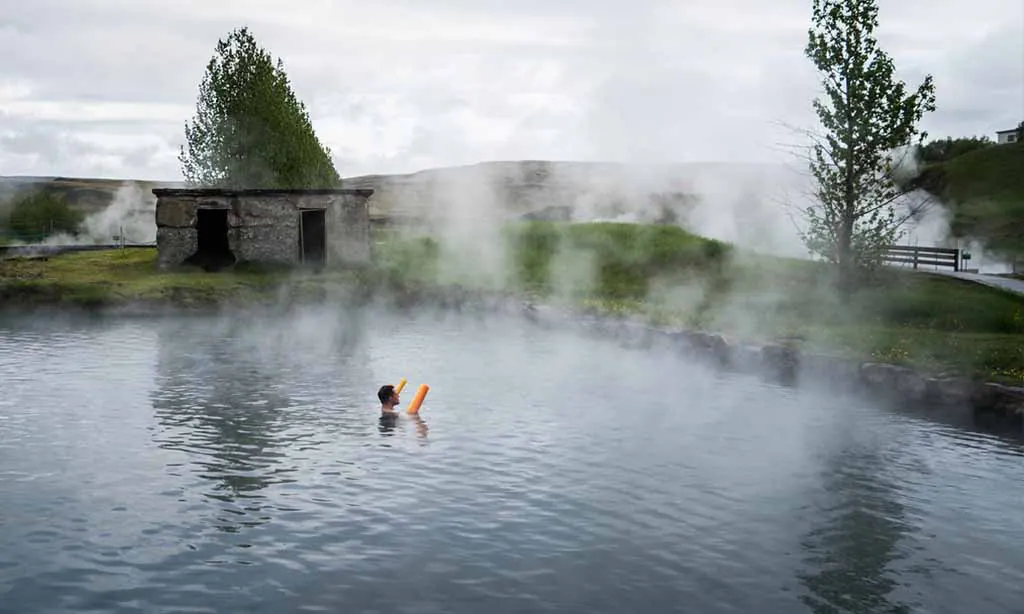
Fall brings a magical touch to Iceland’s hot springs. Fewer tourists mean you can soak in peace, surrounded by nature’s changing colors. Hence, fall is the best time to go to Iceland who love hot springs. Want to know more about the best times to visit this land of fire and ice?
Fall: Fewer crowds, serene experience
Autumn in Iceland offers a tranquil escape from summer crowds. September to November brings cooler temperatures, ranging from 3 to 7°C (37 to 45°F) in Reykjavík. Nights can dip below freezing in rural areas, creating a crisp atmosphere perfect for enjoying hot springs.
Public pools in the capital stay open year-round, providing a warm refuge on chilly days.
Visiting Iceland’s geothermal baths during fall is a magical experience. With fewer tourists around, you can soak in the steamy waters while surrounded by the changing colors of the landscape.
The Northern Lights start to appear more frequently, adding a celestial show to your evening dip. This season combines the best of Iceland’s natural wonders with a peaceful ambiance, making it the best time to go to Iceland for travelers seeking a quieter adventure.
Best Time to Go to Iceland: Considerations for Visiting
Visiting Iceland? Think about when you want to go. Your trip’s vibe changes with the seasons.
Pros and Cons of each season
Iceland’s seasons offer different experiences for travelers. Let’s break down the pros and cons of each:
| Season | Pros | Cons |
|---|---|---|
| Winter (October – April) |
– Northern Lights visibility – Golden hour lighting – Fewer tourists
|
– Short daylight hours – Frigid temperatures – Possible tour cancellations
|
| Spring (April – May) |
– Less crowded – Cheaper lodging – Puffin watching season
|
– No Midnight Sun – Lower chance of seeing Northern Lights
|
| Summer (June – August) |
– Midnight Sun – Mild weather – Easy exploration
|
– Tourist-packed attractions – Pricier accommodations
|
| Fall (End of August – October) |
– Vibrant fall colors – Fewer visitors – Northern Lights return
|
– Unpredictable weather – No Midnight Sun
|
Each season in Iceland paints a different picture. Winter dazzles with Northern Lights but brings harsh cold. Spring offers budget-friendly trips, yet misses some iconic experiences. Summer boasts endless daylight and warmth, at the cost of crowds. Fall charms with autumn hues and Aurora sightings, though weather can be fickle. Pick your season based on what matters most to you – whether it’s natural wonders, comfort, or cost.
Travel costs variations throughout the year
Travel costs in Iceland change with the seasons. Summer brings higher prices, while winter offers more budget-friendly options. Let’s break it down:
| Season | Cost Range (per day) | Notes |
|---|---|---|
| Summer (June – August) | $150 – $250+ | Peak season, highest prices |
| Winter (October – April) | $80 – $150 | Off-season, most affordable |
| Spring (April – May) | $100 – $200 | Prices start to rise |
| Fall (September – October) | $100 – $200 | Prices begin to drop |
Money-saving tips: Visit in winter. Book early. Split costs with a friend. A real-life example shows an August 2022 trip cost $4,303.11 per person. Winter visits can cut this price significantly. Smart planning helps stretch your budget further, letting you enjoy more of Iceland’s wonders without breaking the bank.
Best Time to Go to Iceland: Takeaways
Iceland beckons year-round, each season offering its own magic. Winter dazzles with Northern Lights, while summer brings endless days for outdoor adventures. Spring and fall strike a balance, with fewer crowds and milder weather.
Your best time to go to Iceland depends on what you want to see and do. Pick your season, pack your sense of wonder, and get ready for an unforgettable Icelandic journey.
References
- https://www.travelandleisure.com/travel-tips/best-time-to-visit-iceland
- https://guidetoiceland.is/travel-info/climate-weather-and-northern-lights-in-iceland
- https://guidetoiceland.is/nature-info/iceland-in-april
- https://www.icelandtravel.is/about-iceland/seasons-and-climate/
- https://www.nursetonomad.com/when-is-the-best-time-to-visit-iceland-summer-or-winter/ (2024-01-19)
- https://www.responsiblevacation.com/vacations/iceland/travel-guide/best-time-to-visit-iceland
- https://57hours.com/best-of/best-time-to-visit-iceland/
- https://www.visiticeland.com/article/northern-lights-in-iceland/
- https://www.nordicvisitor.com/blog/best-time-place-see-northern-lights-iceland/ (2023-09-10)
- https://www.quarkexpeditions.com/blog/best-time-to-visit-iceland-for-whale-watching
- https://adventures.is/blog/best-time-for-whale-watching-in-iceland/ (2023-05-23)
- https://deluxeiceland.is/iceland-in-the-fall-is-it-a-good-time-to-visit/ (2023-02-20)
- https://icelandwithaview.com/best-time-visit-iceland-case-seasons/
- https://www.adventurouskate.com/iceland-trip-cost/