

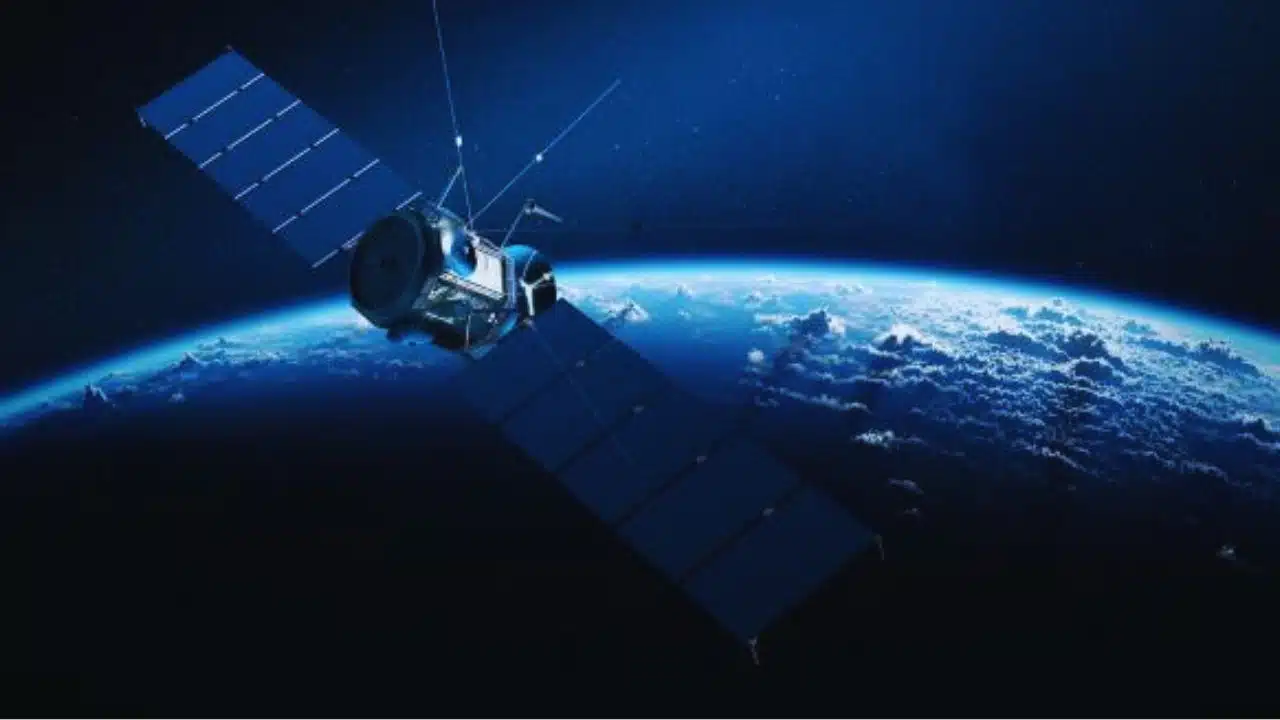
For the first time in human history, there are now 10,000 functioning satellites above our heads, orbiting the Earth at high speed. This milestone highlights decades of technical achievement but might also make it harder to sleep at night if you think about it too much.
The latest estimate comes from Jonathan McDowell, an astronomer at the Harvard-Smithsonian Center for Astrophysics and a leading expert on orbital activities. As of July 18, McDowell estimates there are 10,036 active satellites in orbit. This remarkable count not only showcases our advancements in space technology but also raises questions about the sustainability of our activities in space.
A Rapid Increase in Satellites
The number of active satellites has roughly quadrupled over the past five years, thanks largely to Elon Musk, SpaceX, and their massive Starlink constellation of broadband routers in low-Earth orbit. According to McDowell, about 60% of the active satellites now in orbit are Starlink, and the service plans to increase the constellation size to over 12,000 satellites, with the potential to eventually expand to over 40,000. This exponential growth is a testament to SpaceX’s ambition and the increasing demand for global internet connectivity.
Starlink’s Dominance
Starlink’s significant share of the satellite population demonstrates the power and influence of private companies in the space sector. SpaceX’s goal is to provide global high-speed internet access, particularly in remote and underserved areas. The company’s ability to launch hundreds of satellites in a single mission has revolutionized how we think about space infrastructure and connectivity.
Managing Orbital Traffic
The rapid growth of orbital traffic brings new challenges, such as managing all those movements while contending with space weather and space debris. McDowell estimates there are over 28,000 cataloged objects in orbit, including dead satellites, spent rockets, and other debris. These objects pose significant risks to operational satellites and space missions. Space agencies and companies must now develop advanced tracking and collision avoidance systems to ensure the safety of their assets.
The Growing Problem of Space Debris
Additionally, the U.S. Air Force and NASA estimated in 2018 that there are over 170 million smaller pieces of debris in orbit that haven’t been cataloged but still pose a threat to satellites and the International Space Station (ISS). These tiny fragments, often moving at extremely high speeds, can cause catastrophic damage upon impact. The growing amount of space debris has led to increased concerns about the long-term sustainability of space operations.
Recent Concerns
Recently, the breakup of a dead Russian satellite forced astronauts on the ISS to take shelter. This incident underscores the real concern about space debris. The worst-case scenario is known as Kessler syndrome, a hypothetical calamity in which a series of orbital collisions creates a ring of thick, deadly debris circling the Earth at high speeds. This could make orbital space inaccessible and disrupt global telecommunications. Kessler syndrome is not just a theoretical concept; it is a potential reality that could fundamentally change our relationship with space.
Governance of Space
Despite treaties, agreements, and nascent best practices, there is no substantive governance of orbital space. Essentially, no one is in charge of space. The Outer Space Treaty of 1967, while providing a framework for the peaceful use of space, does not address the complexities of modern satellite operations and debris management. International cooperation and the development of comprehensive regulations are crucial to prevent space from becoming a hazardous environment.
SpaceX’s Role
The good news is that the vast majority of active satellites belong to SpaceX, which has a strong interest in maintaining smooth operations in orbit. Most of these satellites are in low-Earth orbit, meaning they will eventually be pulled back into the Earth’s atmosphere and burn up, making disposal a built-in part of their design. SpaceX has implemented deorbiting protocols to ensure that their satellites do not contribute to the growing problem of space debris.
Looking Ahead
The 10,000 satellites in space are likely just the beginning. In addition to Starlink’s ambitious plans, competitors like Amazon’s Project Kuiper are coming online, along with plans for more space stations and even space tourism. Project Kuiper aims to launch a constellation of over 3,000 satellites to provide global broadband coverage, further increasing the number of active satellites in orbit.
The Future of Orbital Traffic
The increasing number of satellites will require innovative solutions to manage orbital traffic. Companies and space agencies are exploring technologies such as autonomous collision avoidance systems and improved debris tracking capabilities. Collaborative efforts, such as the Space Data Association, aim to facilitate data sharing and coordination among satellite operators.
The proliferation of satellites has significant implications for global connectivity. High-speed internet access via satellite can bridge the digital divide, providing educational and economic opportunities to remote and underserved regions. However, the benefits must be balanced with the potential risks and challenges associated with increased orbital traffic.
Traffic is no longer just a concern on Earth. Welcome to the future of space. The journey to 10,000 satellites is a remarkable achievement, but it also serves as a reminder of the challenges we face in managing our presence in orbit. With continued innovation and international cooperation, we can navigate these challenges and unlock the full potential of space for the benefit of humanity.
























