

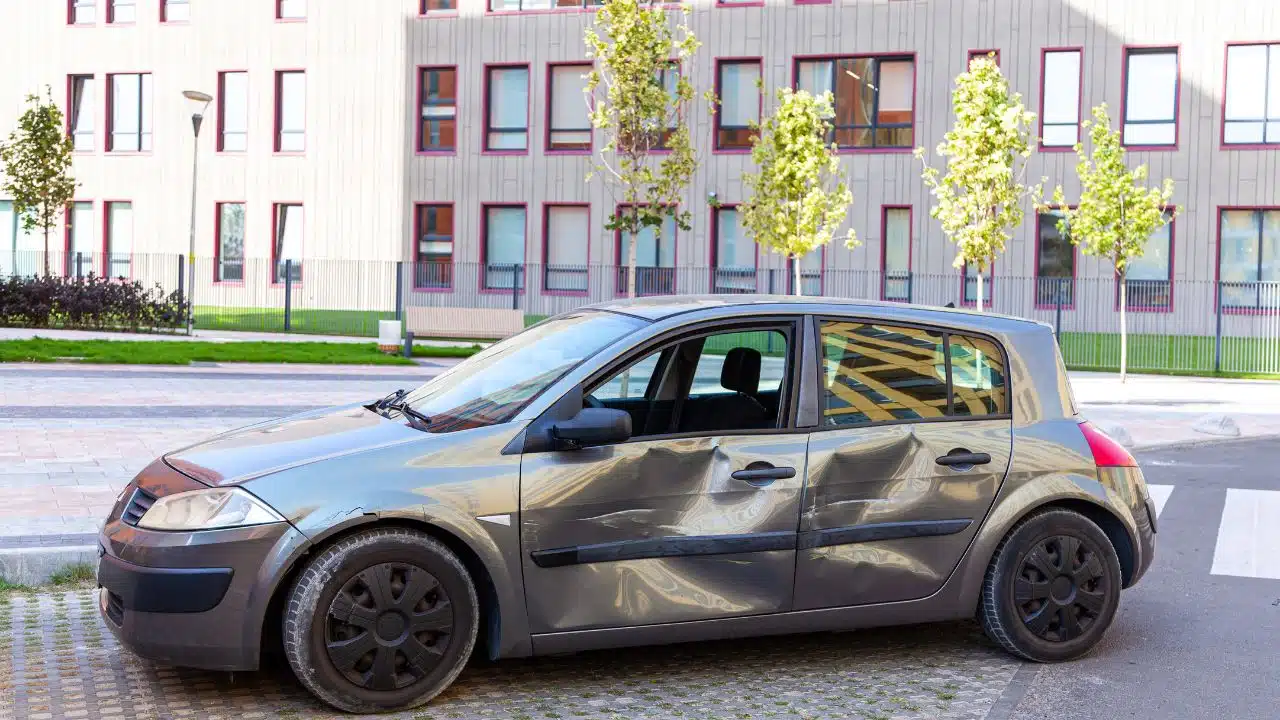
Every day, insurance adjusters declare thousands of cars, trucks, and motorcycles a total loss. Those units head straight to salvage yards and online auctions, where you will see a constant feed of wrecked vehicles for sale, everything from lightly dented hatchbacks to rolled-over diesel pickups.
Sorting the worthwhile projects from the money pits can feel intimidating, yet anyone with patience, basic tools, and honest math can turn a wreck into a dependable ride. This guide keeps the language simple and the steps clear, so high-school-educated enthusiasts can jump in with confidence.
What Counts As A Wreck?
“Wrecked” means different things to different sellers. At a salvage auto auction, it usually covers three broad categories:
- Light Collision – bumper scrapes, dented doors, or broken headlights.
- Moderate Impact—crumpled fenders plus deployed airbags; frame likely straight, but sensors and interior parts need attention.
- Severe Damage—bent frame, roof buckle, or heavy suspension shift; often best used as a parts donor.
A vehicle becomes salvage when repairs exceed a certain percentage of its pre-loss value, typically around 70–90%, depending on state law. That decision is financial, not always structural, which is why you sometimes spot low-mileage sedans or hail dented pickups listed alongside obviously totaled cars for sale.
Reasons To Consider A Wreck
- Lower Purchase Price – Salvage vehicles for sale often list at half the cost of their clean-title twins.
- Parts Value—An intact engine or transmission in broken cars for sale can be worth more than the hammer price alone.
- Learning Opportunity—Rebuilding teaches real-world mechanical and body skills no classroom can match.
- Customization Freedom—If you plan to install lift kits, widebody panels, or big-brake setups anyway, buying a damaged shell saves paying for perfect parts you will replace.
Where Wrecked Vehicles Show Up
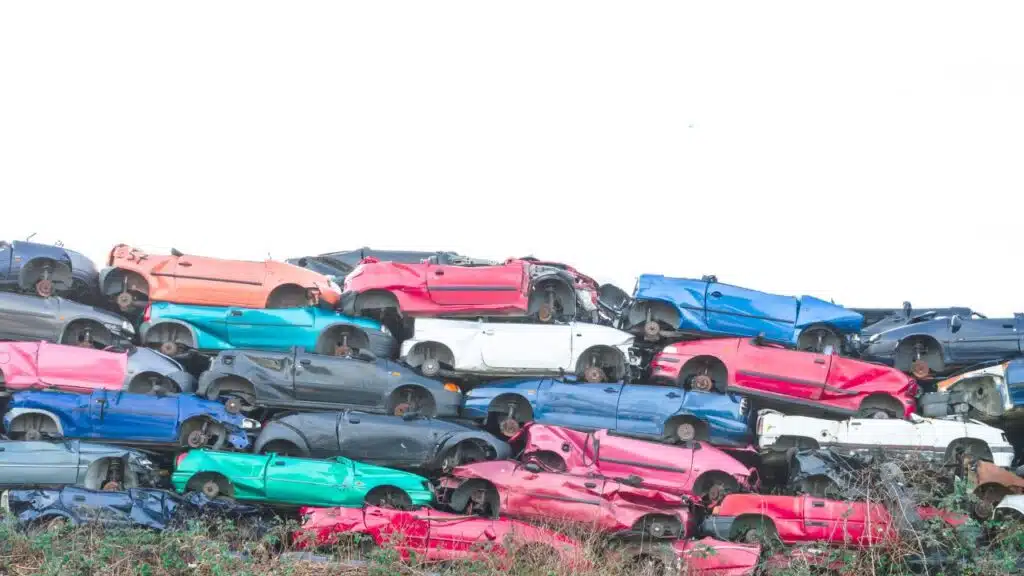
Modern shopping begins online. Platforms such as AutoBidMaster pull inventory from Copart and other salvage car auctions, letting you filter by title brand, damage type, or “Buy It Now” listings so you can buy salvage cars without bidding. Search results often include wrecked cars, salvage trucks for sale, wrecked motorcycles for sale, and even crashed supercars for sale on the same page.
Local tow-yard sales and municipal surplus auctions hide gems, too. Smaller venues might list junkyard cars for sale or flood-exposed SUVs that never reach the big networks. Showing up in person with a flashlight and code reader can pay off for buyers willing to scout.
Reading Photos And Damage Reports
Auction listings usually feature a dozen or more high-resolution images and a brief condition report. Train your eye to catch:
- Panel Gaps – Wide or uneven gaps point to possible frame twist.
- Wheel Angles – Tires pushed backward in the wheel well suggest bent control arms.
- Seat Bolts And Carpet Edges – Rust flakes here expose prior flood damage, common in flooded vehicles for sale.
- Dashboard “Key-On” Shot – A live display confirms at least some electrical health; a blank cluster may hint at deep wiring issues.
- Roof Ripples – Subtle waves on the roof skin often betray rollovers, even when paint looks clean.
Descriptions carry shorthand clues: “Runs And Drives,” “Engine Starts,” or “Stationary.” A car that starts but will not move could need a simple axle swap—or hide a cracked transmission case. Read every word twice before bidding.
Budgeting: The High-School Math Version
Write four simple numbers:
- Purchase Price – The bid you plan to place or the fixed seller price.
- Auction Fees – Posted on every platform; never guess.
- Transport Cost – Get quotes first, especially for non-rolling wrecked trucks or salvage motorcycles.
- Must-Fix Repairs – Parts and any shop labor required to pass inspection.
Add a 10 percent buffer for surprise expenses. Compare that total to private-party values of clean-title matches. If you cannot land at least 25 percent under market after everything, walk away and watch the next lot.
Skill Level And Tool Checklist
Match damage scope to what you can handle at home.
| Project Level | Typical Damage | Tools And Skills Needed |
| Beginner | Hail-dented hoods, cracked bumper covers | Basic sockets, plastic clip tools, touch-up paint |
| Intermediate | Front-end hits with airbag deployment | Torque wrench, scan tool, jack stands, paint gun access |
| Advanced | Frame pulls, rolled cabs, complex electronics | Frame rack access, welder, dealer-level diagnostic software |
Tackling jobs above your equipment list means paying a pro shop, an easy way to erase any savings you scored at auction.
Special Notes On Trucks, Motorcycles, And Supercars
- Salvage Trucks For Sale – Heavy frames survive impacts well, but oversized parts and diesel emissions gear drive up parts costs. Lifted rigs often need expensive steering components if the front axle shifted.
- Salvage Motorcycles For Sale – Check fork alignment and frame spars; even slow lowsides can twist lightweight bike chassis. Replacement plastics are cheap, but straightening aluminum is not.
- Salvage Supercars For Sale – Carbon-fiber panels, ceramic brakes, and proprietary electronics raise repair bills fast. Many buyers strip these wrecked supercars for drivetrains, wiring looms, or interior trims, then scrap the shell. If your dream is a road-legal exotic, budget triple the sticker price of common collision parts.
Transport Tips That Save Money
Most yards grant three to five free storage days. Arrange a transporter in advance—open carriers cost less, but enclosed trailers protect high-value wrecked supercars or freshly painted panels. Tell the dispatcher if the vehicle rolls, steers, and brakes; extra winch service or forklift time can add hundreds to the bill.
If the trip is short and the car rolls, a rented U-haul trailer and a buddy’s half-ton truck may beat commercial quotes, especially for lighter compact sedans or hail damage cars for sale.
Paperwork And Insurance Basics
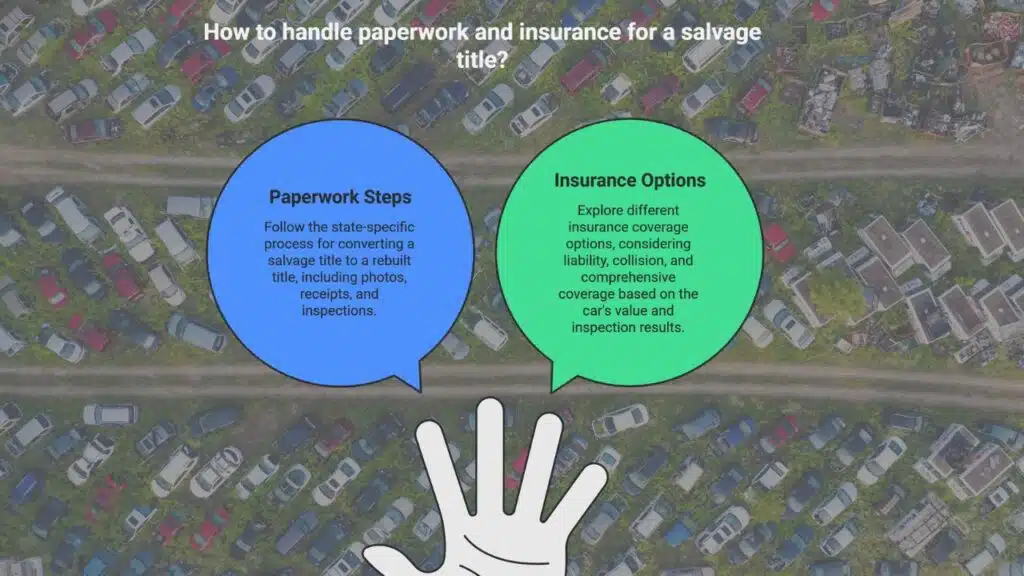
Every state sets its own process for turning a salvage title into a rebuilt title. Common steps include:
- Photos before, during, and after repairs.
- Itemized receipts for big parts, showing PIN or VIN stamps where applicable.
- A safety or VIN inspection at a certified station.
- Rebuilt-title fees and, in some counties, emissions testing.
Insurance companies vary. Some offer liability only on rebuilt titles; others provide collision and comprehensive once the car passes a structural inspection or independent appraisal. Call your agent before placing a bid, especially on higher-value salvage supercars.
Common Traps And How To Avoid Them
- Salt-Belt Rust – Hidden scale on frame rails can turn an easy fix into scrap metal; crawl underneath if possible.
- Missing Keys – Modern chip keys and fobs for certain wrecked cars can top a thousand dollars to program.
- Title Delays – Listings marked “Title Pending” may leave your purchase sitting unpaid for weeks; choose clear-title lots when possible.
- Airbag System Costs – Bags, sensors, seat-belt pretensioners, and control modules add up; budget more for safety gear than sheet metal.
- Overbidding On Emotion – The flashy paint on a crashed supercar can make numbers blurry. Stick to pre-set limits and walk away when the math no longer works.
Finishing The Build And Keeping Records
Replace structural and mechanical parts first; cosmetic fixes can wait. Get an alignment printout as proof the frame is straight. Save every invoice, from a used headlight pulled from junk cars for sale to the new radiator you ordered online. Organize photos in a folder dated by repair stage. This documentation satisfies DMV inspectors and builds buyer trust if you sell later.
When the car passes inspection and you receive a rebuilt title, call your insurer back, add the vehicle, and keep copies of the policy in the glove box. A clean paper trail turns a former wreck into a normal driver in the eyes of lenders, dealers, and future owners.
Final Thoughts
Stepping into the world of wrecked vehicles for sale is not a gamble; it is a calculated project that rewards clear eyes, steady hands, and honest budgeting. Use online filters to pinpoint the right damage category, study every auction photo like a detective, and run simple four-line math before bidding. Match each project to your tools and free time, respect state paperwork rules, and lean on the huge supply of donor parts, from junk cars for sale to salvage motorcycles for sale, whenever you can.
Follow these practical steps, and yesterday’s bent metal can become tomorrow’s head-turning daily driver, track toy, or workhorse—proof that value often hides behind a damaged panel and a salvage title, waiting for someone willing to bring it back to life.






















