
I am the chief technical advisor at ImagineLab Art, an AI creative platform, and I have had to rebuild our pricing as the product grew. So I understand why so many SaaS founders keep the same price for years. They picture angry emails and a wave of cancellations, so they wait. If you are trying to work out “when should raise prices on your SaaS,” the answer is not a date on the calendar. It is a set of signals already sitting in your sales notes, churn reports, and usage data.
The timing matters more now than it did a few years ago. Buyers are used to paying more for software. SaaS prices rose 16.4% in June 2026, the highest monthly rate Vertice has recorded. Salesforce raised list prices on its Enterprise and Unlimited editions by an average of 6% in August 2025. Microsoft followed with higher prices on most Microsoft 365 Business, Enterprise, and Frontline plans on July 1, 2026. You should not copy them. But a fair, well-explained increase is less of a shock to customers than it used to be.
Below are the 10 signs I look for, plus how to raise prices without losing good customers.
The Short Answer: When You Should Raise Prices on Your SaaS
Raise your prices when customers clearly get more value than they pay for, and your own data backs that up. The strongest signs are deals that close with no price pushback, low churn, big product upgrades since your last change, rising costs, and a price that has not moved in over a year. Hold off if churn is climbing or your product has quality problems.
Customer Signals That Show When You Should Raise Prices on Your SaaS
Your customers usually tell you first. You just have to know where to look.
1. Nobody argues about price anymore
This is the sign I trust most. If prospects sign without asking for a discount, your price is probably below what they would pay. Some pushback is healthy. It means you are near the top of what buyers will accept. No pushback at all means there is room.
Check your demo notes and lost-deal reasons. How often is price the reason someone said no? If the answer is “almost never,” test a higher price on new signups first.
2. Customers stay for years
Low churn is good news. But very low churn, together with steady use, can also mean customers see your tool as cheap for what it does. Look at churn by plan. If your lowest plan keeps customers as well as your top plan, that low plan may be underpriced.
One warning: annual contracts hide churn until renewal day. Look at logins and feature use too, not just cancellations.
3. Customers use far more than their plan was built for
Maybe one account runs its whole company through five seats. Or your starter customers upload ten times what you planned for. When usage grows and price stays flat, the deal gets better for them and worse for you. Often the fix is new limits or a new value metric, not just a higher headline price.
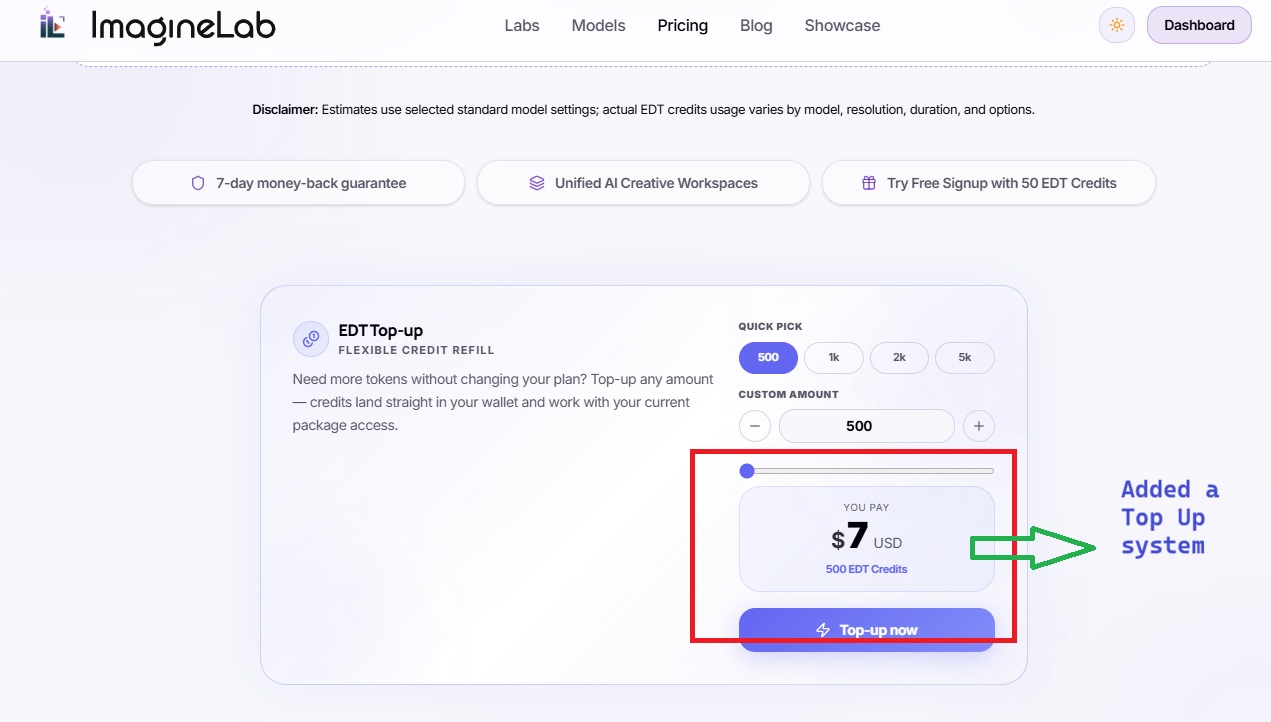
At ImagineLab Art, we added a few small top-up options for this. A user who needs a little more than their plan covers can top up instead of jumping to a bigger plan.
Product Signals That Show When You Should Raise Prices on Your SaaS
4. You have shipped real value since your last price change
Open your changelog. List what you have built since the price was set: integrations, AI features, reports, and faster support. Big vendors use this reason all the time. Salesforce tied its 2025 increase to ongoing innovation and customer value. Microsoft pointed to major security and IT management additions to its suites.
My test is simple. Would a new customer pay today’s price for the product you had back then? If your product has grown well past that version, your price should follow. Bug fixes and small design tweaks do not count.
5. Your plans no longer fit how people buy
Sometimes the problem is the plan structure, not the price level. If most people pick the cheapest plan and never upgrade, that plan gives away too much. If nobody picks the top plan, the jump is too big or the extras are too weak.
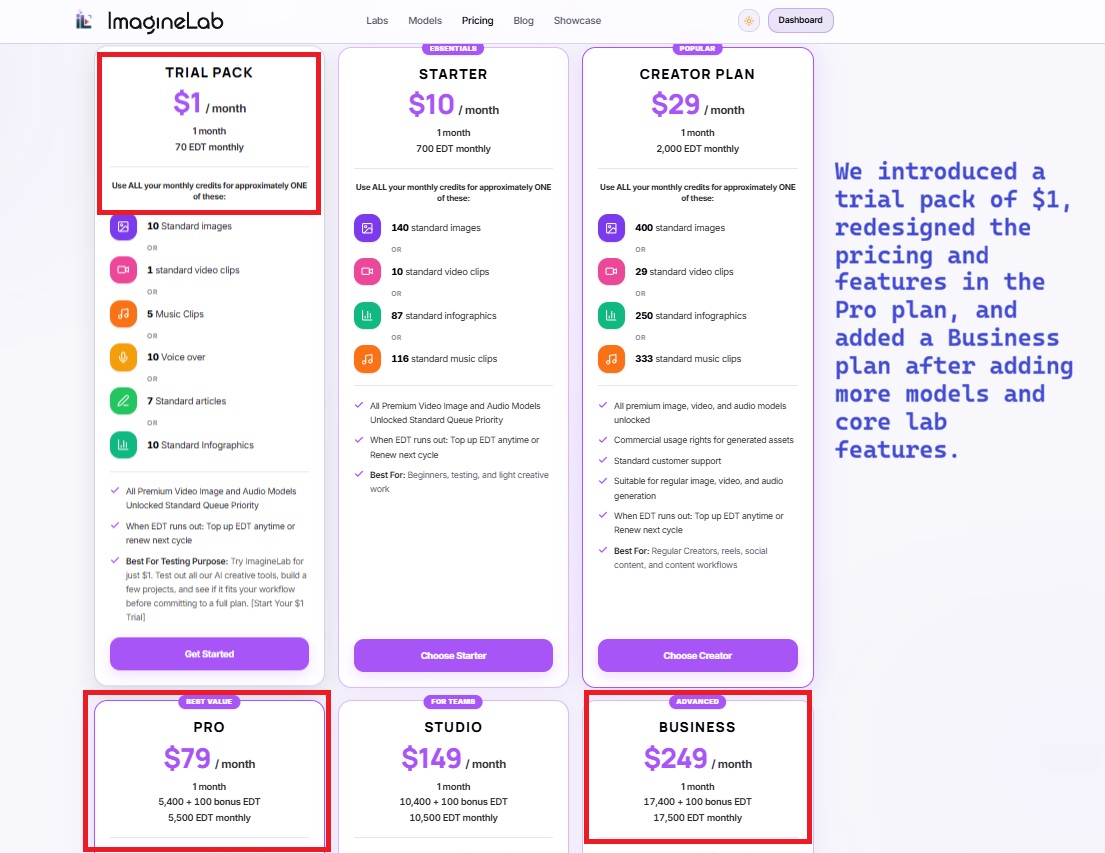
This happened to us at ImagineLab Art. We started with fewer plans and a simpler structure. As we added more AI models, that old structure stopped fitting. So we reorganized the whole lineup. We added new plans, and we retired some old ones and replaced them with new ones. Raising the price on a plan that no longer makes sense only hides the problem.
Before raising anything, check that your model still matches how customers buy. This breakdown of SaaS pricing models built for growth covers the main options.
6. Your customers got bigger
Many SaaS tools start with freelancers and small teams, then slowly win mid-size companies. Those buyers have bigger budgets and more users. They also need more security and support. A price set for a three-person team can look oddly cheap to a procurement team, and a very low price can even make bigger buyers doubt you. A new plan for larger teams is often the cleanest fix.
Cost and Market Signals That Show When You Should Raise Prices on Your SaaS
7. Your costs went up
This is common for AI-powered tools. Every AI request costs money, and heavy users can eat your margin fast. Hosting, third-party APIs, and support also get more expensive as you grow.
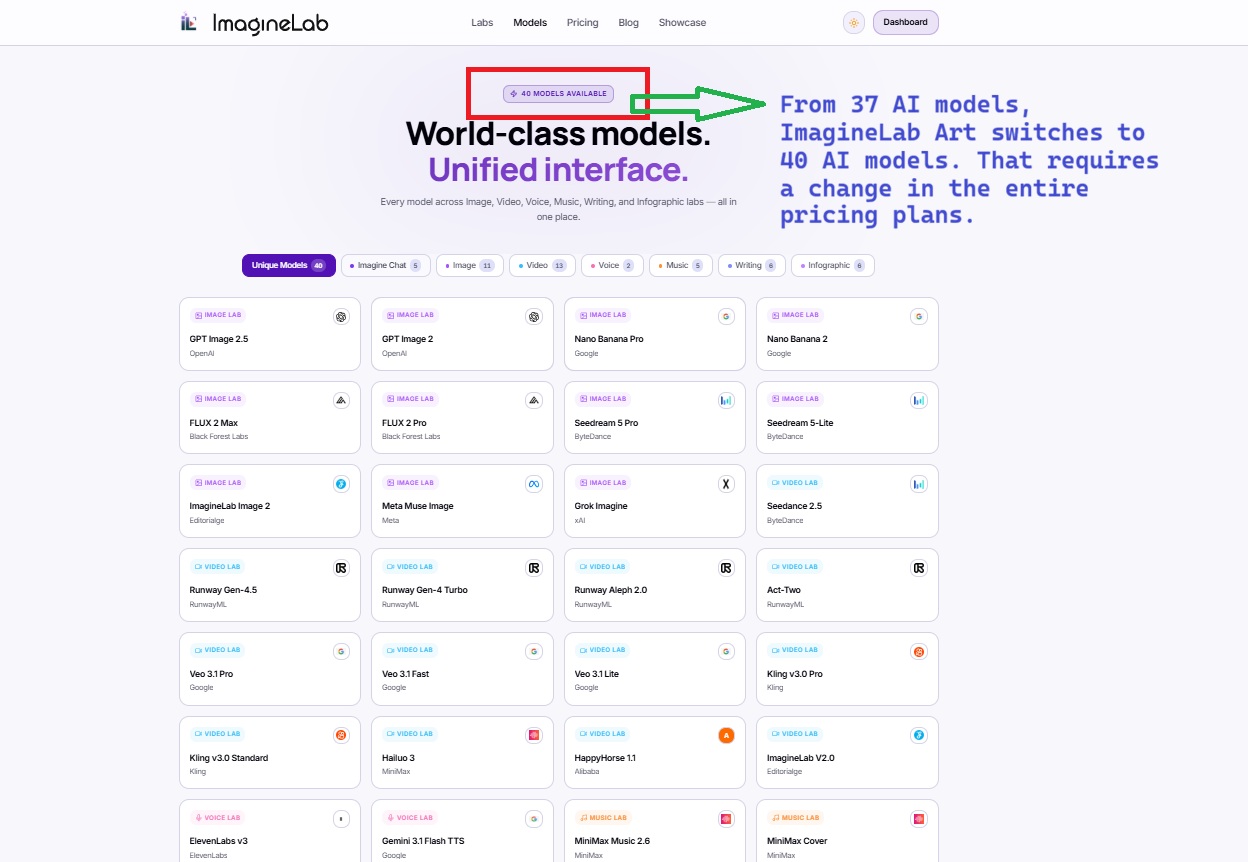
I saw this firsthand. Adding more AI models to ImagineLab Art is what pushed us to change our pricing, because our old plans were built for fewer models.
If your gross margin has dropped over the past year, you may need a price increase or a usage-based add-on just to stay healthy. If you sell an AI product, this guide to AI SaaS pricing explains credits, usage, and hybrid plans in more detail.
Be careful with the message, though. Customers do not care much about your bills. Tie the change to what they get.
8. The market moved and you did not
Check competitor pricing pages every quarter. Software spending is still growing fast. Gartner expects worldwide software spending to grow 15.1% in 2026. If similar tools now charge more and offer less, your low price can make buyers wonder what is wrong with your product.
Business Signals That Show When You Should Raise Prices on Your SaaS
9. Your price has not changed in over a year
Paddle suggests early-stage companies review pricing every quarter and make some change about every six months, while later-stage companies can stretch that to every 6 to 12 months. A price that has sat still for 12 months is not proof you need a raise. It is a strong reason to look.
10. Your growth math does not work
If each new customer takes too long to pay back what you spent to win them, more signups will not fix it. Price is often the fastest lever. McKinsey’s well-known pricing research found that a 1% price rise could lift operating profit by about 8% for a typical large company, if sales volume held steady. That study is old, and the “if” matters. Still, the logic holds for SaaS. A small price change goes almost straight to profit because your costs barely move.
Here is a quick way to check all 10 signs in one sitting:
| Sign | Where to check |
|---|---|
| No price pushback | Sales calls, lost-deal reasons |
| Low churn, heavy use | Churn by plan, product analytics |
| New value shipped | Changelog, release notes |
| Plan mismatch | Plan mix, upgrade rate |
| Rising costs | Gross margin, AI, and hosting bills |
| Market shift | Competitor pricing pages |
| Stale price | Date of last price change |
| Weak growth math | CAC payback, LTV to CAC |
If three or more of these point the same way, you likely have room to raise.
What to Do Once You Know When You Should Raise Prices on Your SaaS
Spotting the signs is half the job. How you roll out the change decides whether customers stay.
- Start with new customers. Change the price for new signups first. Watch trial-to-paid conversion for a few weeks before touching existing accounts.
- Ask before you guess. Short customer interviews and willingness-to-pay surveys beat gut feeling. This piece on AI SaaS pricing research shows how to gather that data.
- Give real notice. Microsoft announced its July 2026 changes in December 2025, and existing customers keep their current price until their next renewal. A small SaaS does not need seven months. In my view, 30 to 60 days is the fair minimum.
- Lead with value. Your email should list what customers gained since they joined, then state the new price plainly.
- Offer a way to lock in. Let current customers switch to an annual plan at today’s price. Paddle notes that a well-communicated price increase often pushes prospects and customers to sign annual contracts to keep the current price.
- Watch the numbers for 90 days. Track churn, downgrades, conversion, and support tickets. A small bump in churn is normal. A big one means the jump was too large or the message missed.
When You Should Not Raise Prices on Your SaaS
Some moments are simply bad timing:
- Churn is rising because of product problems.
- You just had a major outage or a buggy release.
- You already raised prices in the last few months.
- You cannot explain what customers get for the extra money.
- Most of your base is on price-sensitive monthly plans and you have not tested yet.
Fix these first. A price increase on top of a trust problem usually makes both worse.
Final Thoughts on When You Should Raise Prices on Your SaaS
The honest answer to “when should raise prices on your SaaS” is this: when your data says customers get more than they pay for. You do not need all 10 signs. Two or three strong ones are enough to start testing.
My advice is to pick one sign from this list today and check it against your own numbers. If it points to underpricing, test a higher price on new signups next month. Then decide on existing customers with real data in hand.