

In a world where technology redefines how we interact, live, and express ourselves, fashion is undergoing a radical transformation. The rise of blockchain technology and NFTs has birthed a dynamic intersection of style and innovation.
Welcome to the era of Web3 fashion brands revolutionizing digital wearables — a movement that empowers both creators and consumers to rethink what fashion means in the digital age.
Web3 fashion brands are changing how people perceive identity, self-expression, and commerce through digital wearables that transcend traditional limitations. Whether you’re dressing an avatar in the metaverse or collecting limited-edition virtual sneakers, these digital assets represent the future of fashion.
They combine immersive tech, community engagement, and decentralized creativity in ways that redefine fashion ownership. Let’s explore the pioneering brands leading this revolution.
What Are Digital Wearables in the Web3 Ecosystem?
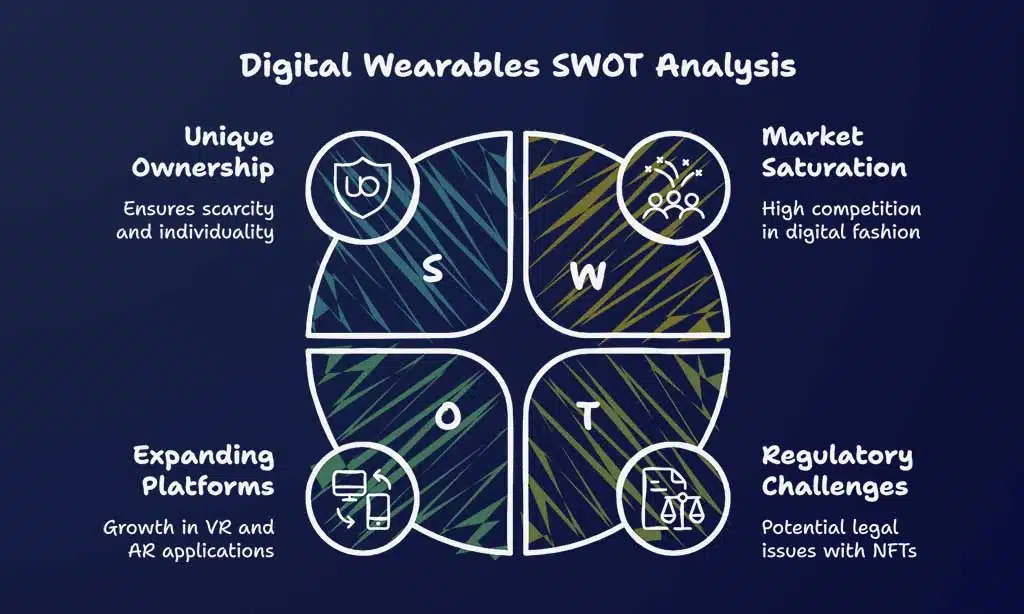
Digital wearables are virtual fashion items — clothing, accessories, or entire outfits designed to be worn by digital avatars in virtual environments. These pieces are often sold as NFTs, ensuring uniqueness, ownership, and scarcity. With the emergence of blockchain technology, creators can now tokenize fashion pieces, turning them into assets that can be bought, sold, or even resold with royalty structures in place.
Digital wearables are not just novelty items; they’re the foundation of identity in the digital world. From gaming to virtual meetings, your avatar’s look can speak volumes about who you are. They offer limitless potential for personalization, experimentation, and storytelling.
Real-World Applications of Digital Wearables
- Virtual Reality (VR) & Augmented Reality (AR): Try-on features let users wear clothes virtually before buying them.
- Metaverse Integration: Platforms like Decentraland, Roblox, and The Sandbox support NFT-based wearables.
- Social Media Fashion: Users can showcase digital outfits on platforms like Instagram or Snapchat through filters and overlays.
- Virtual Events & Concerts: Custom outfits for avatars attending exclusive online events.
Quick Comparison Table – Web2 vs Web3 Fashion
| Feature | Web2 Fashion | Web3 Fashion |
| Ownership | Centralized | Decentralized (via NFTs) |
| Customization | Limited | Highly customizable avatars |
| Trade/Resell Rights | Rare | Enabled through smart contracts |
| Sustainability | High resource usage | Low carbon footprint, no physical waste |
| Creative Freedom | Restricted | Open, user-generated designs |
| Access | Geographically limited | Global, instant access |
Why Web3 Fashion Brands Matter Today
Web3 fashion brands revolutionizing digital wearables are turning traditional fashion economics on their head. Through smart contracts, creators receive royalties every time their work is resold. This means designers are no longer dependent on one-time sales and can earn lifelong revenue from their creations.
Example: The Fabricant pays designers 5-10% royalties for every secondary sale, incentivizing long-term value creation.
Consumers, too, benefit from transparency, authenticity, and the ability to resell digital garments. This redefines digital ownership in a way that was previously impossible.
Benefits for Consumers and Creators
| Benefit | For Creators | For Consumers |
| Revenue | Ongoing royalties | Potential resale earnings |
| Ownership | Transparent IP rights | Verifiable authenticity |
| Community Involvement | DAO-based creative control | Participate in design decision-making |
Sustainable and Ethical Digital Alternatives
Digital fashion provides a greener alternative to traditional apparel:
- No fabric waste or overproduction
- Elimination of unsold inventory
- Zero logistical emissions from shipping
- Digitally native lifecycle
Environmental Impact Comparison
| Metric | Traditional Fashion | Digital Fashion |
| Water Consumption | 2,700L/shirt | 0L |
| CO2 Emissions | 20-30% of global total | Minimal (cloud-based) |
| Waste | 92M tons/year | None (digital files) |
Web3 fashion brands are at the forefront of the movement toward conscious consumerism, where digital items reduce physical harm to the environment.
7 Web3 Fashion Brands Designing the Future of Digital Wearables
These Web3 fashion brands revolutionizing digital wearables are not just riding the wave of innovation—they’re creating it. Each brand on this list brings unique technology, design aesthetics, and business models that signal where the future of digital fashion is headed.
1. The Fabricant
The Fabricant is a digital-only fashion house based in Amsterdam, known for pioneering digital couture that never touches a sewing machine. It aims to build an entirely decentralized fashion platform where users co-create, collect, and earn from NFT-based garments. The Fabricant has collaborated with luxury icons like Puma, Adidas, and Off-White, making it a leader in high-concept, community-driven digital fashion.
Key Innovations
| Feature | Description |
| Decentralized Creation | Users co-design garments through DAOs |
| NFT Marketplaces | Offers drops on The Dematerialised and other platforms |
| Fashion Education Tools | Launching tools to help emerging digital designers enter Web3 fashion |
| Carbon Neutral Philosophy | No physical waste, carbon-offset partnerships |
2. RTFKT Studios
RTFKT Studios blends gaming, streetwear, and crypto culture into stunning digital wearables. Their Nike-backed projects combine phygital sneakers with augmented avatars, creating some of the most sought-after collectibles in the Web3 space. RTFKT’s CloneX avatars and collaboration with Takashi Murakami elevated the brand to cult status in digital fashion.
Key Innovations
| Feature | Description |
| CloneX Avatars | NFT-based digital characters with wearable ecosystems |
| Phygital Integration | Sneakers shipped alongside NFT ownership |
| AR Try-on Tech | Interactive filters to try digital items via smartphones |
| Nike CryptoKicks | Dynamic, evolving NFTs linked to sneaker culture |
Case Study: The RTFKT x Nike “MNLTH” drop sold out in minutes, generating $3.1M+ in secondary sales within a week.
3. DRESSX
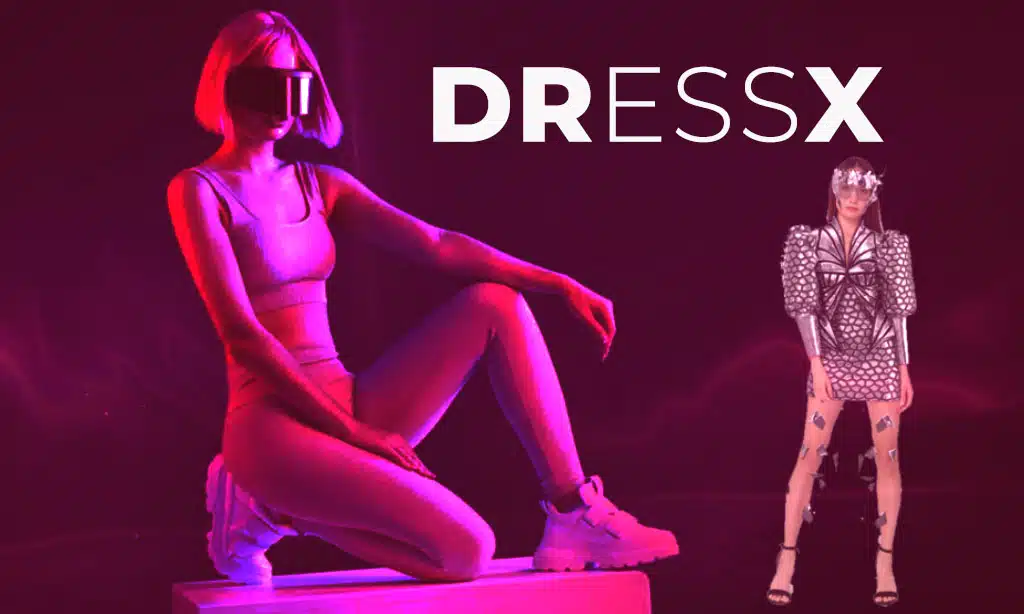
DRESSX focuses on digital-only clothing for the conscious consumer. With over 1,000 digital items in their catalog, users can upload photos to be dressed in high-quality digital outfits or wear them on AR apps. The brand promotes a new era of fashion where creativity meets sustainability and scalability.
Key Innovations
| Feature | Description |
| Try-On Apps | AR-based mobile apps for digital fitting rooms |
| Social Media Integration | Wear items in Instagram, Zoom, TikTok |
| Energy-Efficient NFTs | Minted on eco-friendly blockchains like Flow and Polygon |
| Partnerships | Collaborations with Balenciaga, Warner Music, and Google Pixel |
Trend Insight: DRESSX reports a 70% year-over-year increase in digital try-ons across social platforms.
4. Auroboros
Blending nature, sci-fi, and haute couture, Auroboros is redefining what it means to wear technology. Known for showcasing digital fashion at London Fashion Week, the brand specializes in futuristic collections inspired by the environment, bio-mimicry, and fantasy storytelling.
Key Innovations
| Feature | Description |
| Nature-Inspired Design | Garments modeled after flora, crystals, and energy fields |
| Digital-Only Runway Shows | Debuted at London Fashion Week through 3D holographic showcases |
| Luxury Collaborations | Worked with The Fabricant and DRESSX for meta-collections |
| Cultural Impact | Promotes mindfulness, sustainability, and spiritual symbolism |
Practical Tip: Their NFTs are wearable across metaverses like Decentraland, ensuring interoperability.
5. Tribute Brand
Tribute Brand focuses on fashion as a digital experience. It allows users to submit photos to be dressed in digital garments, perfect for influencers or creative professionals who want to stand out online. Their avant-garde designs challenge traditional fashion norms, blending gender neutrality and hyper-reality.
Key Innovations
| Feature | Description |
| Fashion-as-a-Service | Digital clothes worn in photos or AR environments |
| Virtual Fittings | Upload photo, receive fashion overlay |
| AI Styling Engine | Uses AI to recommend digital fashion based on social media presence |
| Gender-Fluid Collections | Designs intended to be worn by any identity |
Interesting Fact: Tribute’s bold digital garments have been worn by celebrities and influencers like Sita Abellan.
6. SYKY
SYKY is reshaping fashion entrepreneurship by offering a Web3-native platform for emerging designers. Founded by Alice Delahunt (former CDO of Burberry), it combines curation, commerce, and community into one digital ecosystem. SYKY provides designers with tools to mint, market, and manage NFT fashion collections.
Key Innovations
| Feature | Description |
| Designer Incubators | Launchpad for up-and-coming Web3 fashion designers |
| SYKY Collective | Exclusive member group with voting power |
| NFT Access Passes | Unlock events, drops, and collaboration rights |
| Decentralized Curation | Community-led selection of featured designers |
Case Study: SYKY launched its first NFT designer cohort in 2024, helping five creators generate $500K+ in sales.
7. IMVU x Altava
This partnership brings digital fashion to the masses through avatar-based social networking. IMVU is one of the longest-running virtual worlds, and with Altava’s fashion expertise, it now hosts branded NFT wearables from luxury labels. Together, they’re creating immersive, gamified fashion experiences.
Key Innovations
| Feature | Description |
| Avatar Customization Tools | Style your avatar with premium digital clothing |
| NFT Fashion Weeks | Hosts seasonal digital runway events |
| GameFi Integration | Earn NFTs through participation in quests and fashion battles |
| Branded Collaborations | Partnered with brands like Prada, Moncler, and Gentle Monster |
Trend Insight: IMVU has over 7M monthly active users, with fashion being one of its top monetized categories.
How These Brands Are Changing the Fashion Landscape
The rise of “phygital” fashion fuses tangible apparel with blockchain validation. These dual offerings let users own both a physical item and its digital twin, ensuring authenticity and engaging cross-platform storytelling.
Examples of Phygital Integration:
| Brand | Physical Product | Linked Digital Asset |
| RTFKT | Nike CryptoKicks | NFT sneaker with evolving metadata |
| DRESSX | AR-filtered tees | NFTs usable on Instagram or Snapchat |
| SYKY | Designer couture garments | NFT authentication and resale rights |
Setting the Stage for a Fashion DAO Future
Decentralized Autonomous Organizations (DAOs) are empowering users to shape fashion. From voting on seasonal drops to co-owning virtual stores, DAOs are redefining brand-consumer dynamics.
DAO Benefits in Fashion:
- Community Involvement: Democratic design selection
- Transparency: All transactions and votes are on-chain
- Shared Revenue: Token holders share in platform profits
Case Study: The Fabricant Studio allows token holders to propose and vote on garment designs, with winning entries turned into NFTs.
Future of Digital Wearables in Web3 Fashion
- AI-Generated Fashion: Platforms like Cala and Vue.ai enable real-time fashion generation.
- Tokenized Fashion Economies: Digital wearables used as currency in gaming ecosystems.
- Interoperability Protocols: Tools like Ready Player Me enable cross-metaverse outfits.
- Avatar Economy Boom: Expected to hit $527 billion by 2030 (Statista, 2024).
Integration Across Industries
Web3 fashion brands revolutionizing digital wearables are not confined to fashion alone. Their influence stretches across:
| Industry | Use Case |
| Gaming | Wearable skins, avatar enhancements |
| Fitness | Smartwear NFTs for tracking and rewards |
| Music | Virtual concert costumes, artist collaborations |
| Education | Fashion design simulation and skill learning |
Final Thoughts — The New Age of Self-Expression
The digital revolution has given rise to a new era where fashion is no longer constrained by fabric, size, or geography. Web3 fashion brands revolutionizing digital wearables are driving this evolution by offering unique ways to express individuality, invest in art, and contribute to decentralized communities.
As the metaverse matures and virtual spaces become an everyday part of our lives, digital fashion will only grow in relevance. Whether you’re an artist, gamer, influencer, or everyday user, the opportunity to own a piece of the digital fashion future is here.
The question is no longer “Is digital fashion real?” but rather, “How real can your digital self become?”
























