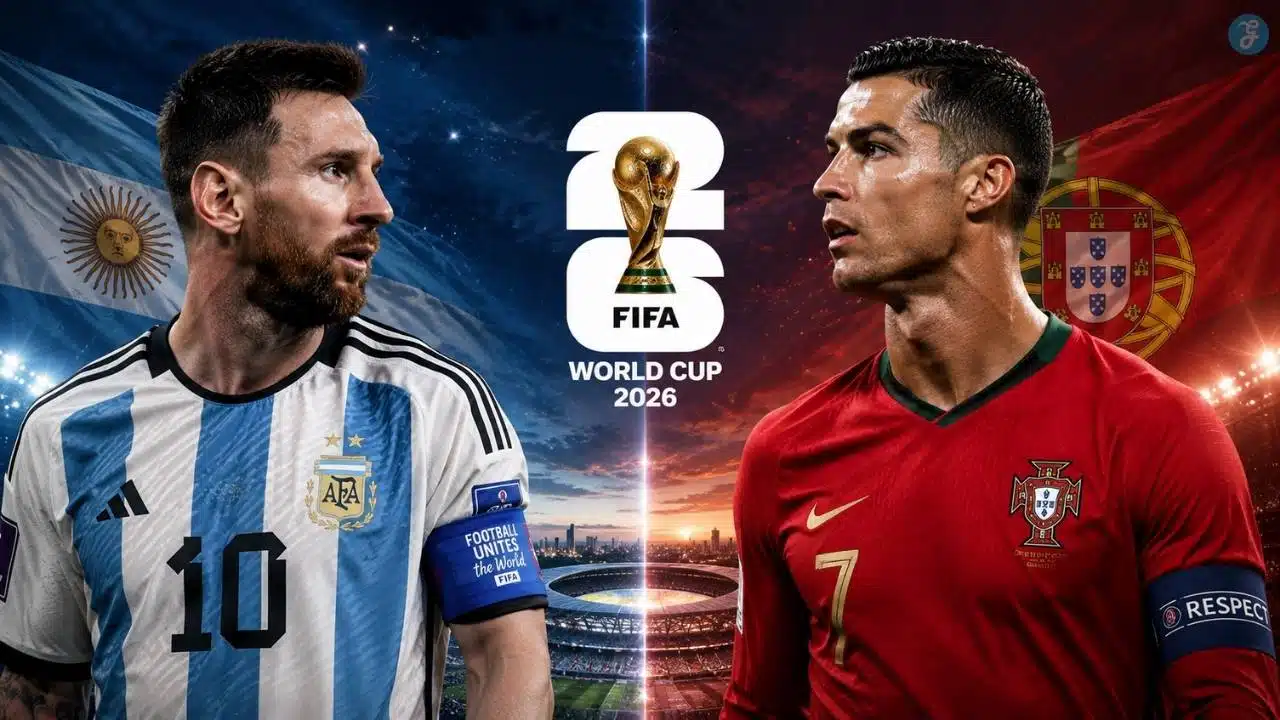
The ball has barely started rolling at the 2026 World Cup, and already the media, sportsbooks, and social platforms are staring past the group stage toward one possibility: a final Lionel Messi vs Cristiano Ronaldo showdown. Not because football needs it. Because the algorithm does.
The mathematical possibility is real enough to tease. If Argentina and Portugal both top their groups and survive the early knockout rounds, they could meet in a quarterfinal. That is all the content machine needs. Not a match. Not a confirmed storyline. Not even form, injuries, tactics, or the strange chaos that usually makes a World Cup feel alive.
Just the possibility. And already, that possibility is being dressed up like destiny.
This is the problem with weaponized nostalgia in modern football. It does not wait for history to happen. It pre-packages the feeling, sells the trailer, opens the betting market, clips the old footage, restarts the GOAT debate, and asks fans to emotionally invest before the tournament has even earned the moment.
Messi and Ronaldo deserve better than this. So does football.
The Match Does Not Exist Yet, But the Content Already Does
There is something revealing about how quickly the conversation jumps toward Messi vs Ronaldo. The 2026 World Cup is not small. It is the biggest edition the sport has ever staged. Three host countries. Forty-eight teams. More matches. More new stories. More possible upsets. More players are stepping into the light for the first time.
And yet, a large part of the attention economy wants to drag us back into the same old room. Messi on one side. Ronaldo on the other. One final frame. One last comparison. One more chance for fans to reopen an argument that has already eaten two decades of football conversation.
The match is not guaranteed. It may never happen. Argentina could stumble. Portugal could stumble. A younger team could break the script. An injury could change everything. A red card, a penalty shootout, or one wild night from an underdog could end the fantasy before it becomes real.
That uncertainty should be the beauty of the World Cup. Instead, modern sports media often treats uncertainty as an inconvenience. The future is messy. Nostalgia is clean. Nostalgia already has faces, songs, clips, numbers, rivalries, slogans, and emotional triggers. It is cheaper to explain and easier to sell.
So the possible quarterfinal becomes a product before it becomes a match. That is not sports storytelling. That is emotional futures trading.
Football Has Forgotten How to Let Eras End
Great sporting eras used to end with a kind of sadness that felt natural. A player slowed down. A tournament passed. The final whistle came. Fans argued for a while, made peace with it slowly, and then the game moved on. Memory stayed, but it did not have to trend every week. Now nothing ends cleanly.
The internet keeps every farewell on life support. Every older highlight becomes new content. Every interview becomes a clue. Every training photo becomes evidence. Every tournament becomes a possible “last dance.” Every last dance somehow needs another last dance.
Modern football does not retire its legends anymore. It reboots them.
This is not Messi’s fault. It is not Ronaldo’s fault either. Their longevity is extraordinary. Their discipline is almost unreal. Their careers have earned admiration, not cheap cynicism. If either of them produces one more great World Cup moment, it will matter.
But there is a difference between honoring greatness and refusing to let it leave. What we are watching now is not just appreciation. It is a dependency. The media ecosystem has become so addicted to familiar greatness that it struggles to trust a new story until the algorithm has approved it.
That is why the “last dance” language feels so tired now. It should carry emotional weight. Instead, it has become a marketing template.
A real farewell is about closure. A manufactured farewell is about retention.
Nostalgia Is the Safest Product in Sports Media
Sports media loves nostalgia because nostalgia lowers the risk. You do not have to teach the audience who Messi and Ronaldo are. You do not have to explain why they matter. You do not need a long tactical setup. You only need a photograph, a split screen, a dramatic caption, and the words “one last time.”
Everyone understands the assignment. That is why nostalgia performs so well. It is instant. It is emotional. It is tribal. It reaches casual fans and obsessives at the same time. It also gives sponsors something very valuable: a guaranteed feeling.
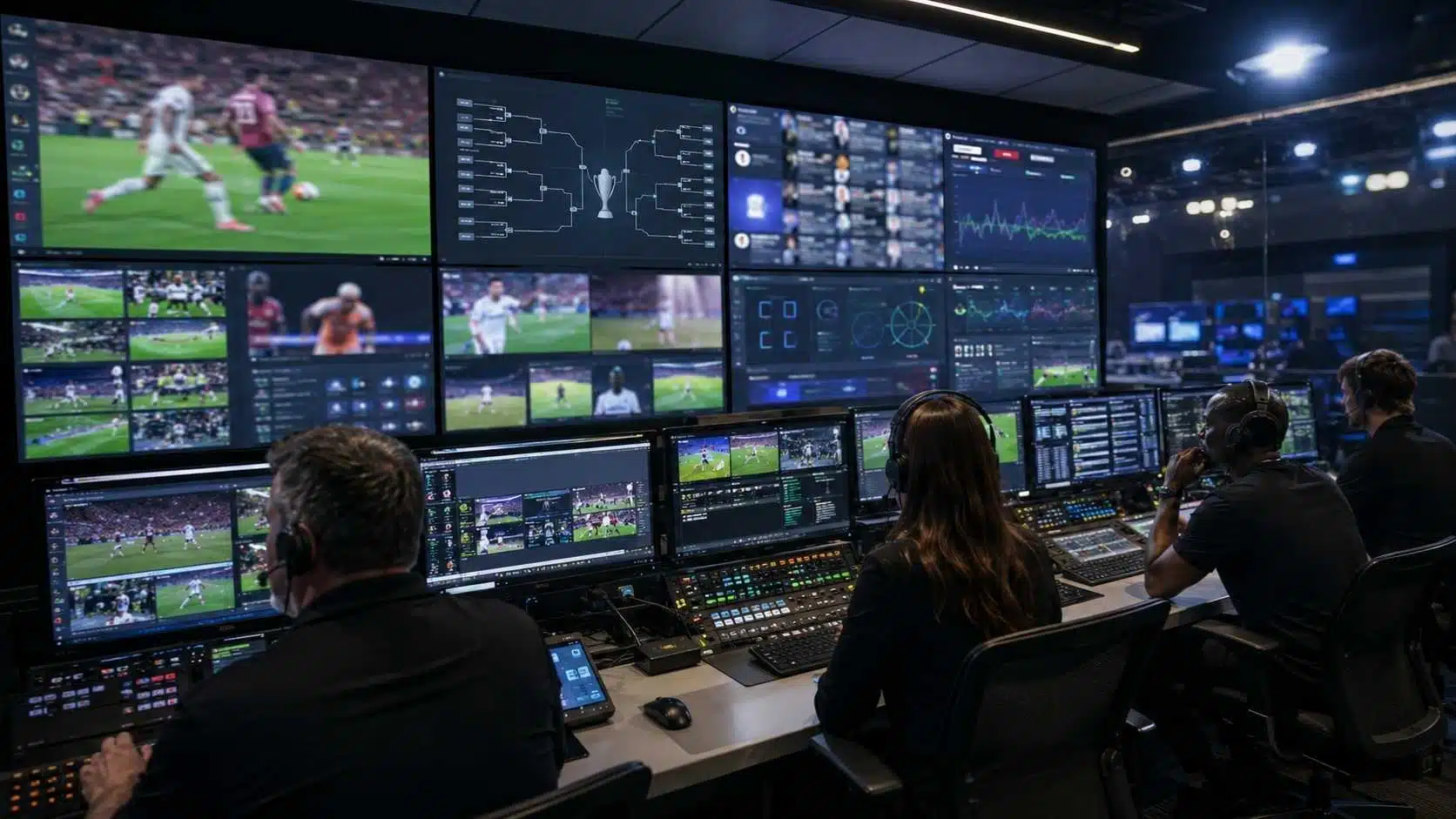
The modern World Cup is no longer just a tournament. It is a global advertising festival, a streaming event, a betting environment, a creator economy, a meme factory, and a month-long identity engine for fans. In that environment, familiar icons become the safest commercial assets.
The future may be better. But the past is easier to package. A teenage star may produce the moment of the tournament. A debutant nation may give us a story nobody expected. A new tactical idea may change how we understand the game. But those stories take time. They need patience. They need curiosity.
Messi vs Ronaldo needs none of that. It arrives preloaded. That is the real power of nostalgia. It does not ask the audience to discover. It asks the audience to remember. And remembering is easier than paying attention.
Sportsbooks Do Not Sell Matches; They Sell Possible Feelings
The betting layer makes this even sharper. Sportsbooks do not need a Messi vs Ronaldo match to happen before they benefit from the fantasy. They only need the possibility to feel alive. They sell scenarios, not just outcomes. They sell “what if.” They sell emotional participation in a future that may never arrive.
That is why legacy narratives are so useful to them:
- Will Ronaldo score in his final World Cup?
- Will Messi lead Argentina again?
- Could they meet in the knockout stage?
- Who goes further?
- Who gets the final word?
These are not just football questions. They are emotional hooks. A normal quarterfinal is a football event. A Messi vs Ronaldo quarterfinal is a memory market.
This does not mean every betting company is secretly controlling the narrative. That would be too simple. The point is more uncomfortable: sportsbooks, broadcasters, social platforms, sponsors, and fans all benefit from the same emotional architecture.
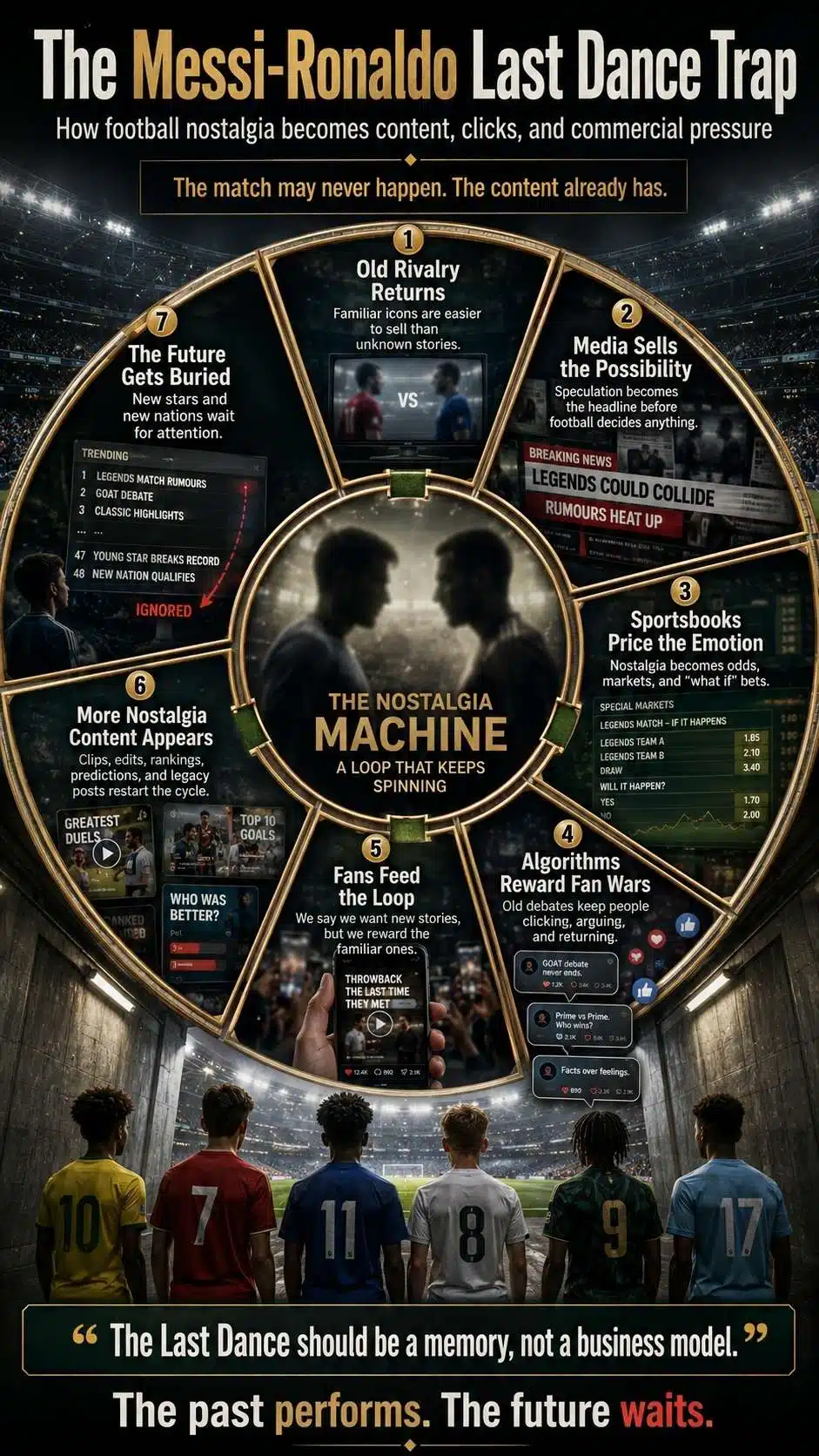
A possible last dance keeps people watching, clicking, betting, and arguing.
The machine does not need certainty. It needs attention. And few things hold attention like the promise that a familiar story might finally give us one last perfect scene.
The Algorithm Loves Old Arguments
Messi vs Ronaldo is perfect algorithm food because it never ends. It has sides. It has emotion. It has history. It has numbers. It has a tribal identity. It has enough evidence for everyone to feel right and enough ambiguity for nobody to fully win.
That is the dream format for social media. The algorithm does not care who is better. It cares that you care. It cares that you stop scrolling. It cares that you comment, share, defend, mock, compare, and return.
The Messi-Ronaldo debate was once a football argument. Now it is infrastructure. It has powered pages, channels, podcasts, comment sections, fan accounts, betting content, and engagement farms for years. It is less like a discussion and more like a renewable energy source for the sports internet.
The sad part is that many of us know this and still participate. We click because it feels familiar. We argue because we know the language. We replay old clips because they bring back younger versions of ourselves. We do not only remember Messi and Ronaldo. We remember where we were when they ruled the sport.
That is why the nostalgia is so powerful. It is not just about them. It is about us.
We Prefer Comfortable Reruns Over an Unpredictable Future
This is the part fans may not want to admit. We say we want new stories. But we often reward old ones.
We say football needs fresh faces. But we click hardest when the familiar icons return. We complain about lazy media narratives, then spend another hour in the comments arguing about Ballon d’Ors, Champions Leagues, Copa América, Euros, penalties, finals, goals, assists, and legacy.
The platforms did not create this weakness out of nothing. They studied it. They sharpened it. They learned that nostalgia can make intelligent people behave predictably. That is why weaponized nostalgia works.
It offers comfort in a sport that is increasingly unstable. Clubs change identity fast. Players move early. Managers last less time. Tactics evolve. Financial power shifts. International football feels less familiar every cycle. The old certainties are fading.
Messi and Ronaldo feel like anchors. They remind fans of an era when the football map seemed easier to understand. Barcelona vs Real Madrid. La Liga weekends. Champions League nights. Golden boots. Free kicks. Stepovers. Dribbles. Clásicos. Endless comparison.
That memory is warm. But it can also become a cage. If every new tournament must bend around old heroes, then the future never gets a fair entrance.
The Future of Football Is Being Asked to Wait
The 2026 World Cup should belong to more than a farewell fantasy. It should belong to the young players who are ready to make the tournament theirs. It should belong to nations that finally have a bigger stage. It should belong to new tactical identities, new fan cultures, new rivalries, new heartbreaks, and new heroes we do not fully recognize yet.
That is what makes the World Cup alive.
The problem is not that Messi and Ronaldo still matter. Of course they matter. Their shadows are long because their careers have earned that scale. The problem is that everyone else is being asked to perform under those shadows before the tournament has even started telling its own story.
A young star now has to compete not only with opponents, but with memory. An underdog nation has to fight not only a stronger team, but a content economy that may already be looking past them.
A new storyline has to beat a rerun that the audience already loves. That is an unfair contest. And it is bad for the sport.
Football cannot renew itself if its biggest platforms keep treating the next generation like supporting characters in a legacy documentary.
The Last Dance Has Become a Content Strategy
There is a reason the phrase “last dance” keeps coming back. It gives decline a noble frame. It makes aging feel cinematic. It turns uncertainty into drama. It lets everyone pretend that the ending will arrive cleanly, beautifully, and on schedule.
But sport rarely works like that. Most endings are awkward. The legs go before the mind. The role changes before the ego is ready. The final tournament is not always glorious. Sometimes the great player is substituted. Sometimes the team moves better without him. Sometimes, the fairy tale does not care about the protagonist.
That is what makes sport honest. The content machine hates that honesty. It wants the clean scene. It wants the perfect bracket. It wants Messi and Ronaldo under the lights, two legends facing each other with the world watching and every platform ready to turn the moment into clips, odds, edits, debates, and brand posts. But real football is not obligated to deliver our preferred ending.
Maybe they meet. Maybe they do not. Maybe one shines. Maybe both struggle. Maybe the tournament’s defining moment belongs to someone born after their rivalry had already become global mythology.
That should excite us. Instead, the algorithm has trained us to treat the unknown as a downgrade.
This Is Not Anti-Nostalgia
Nostalgia is not the enemy. Football is built on memory. A childhood goal. A shirt from a tournament. A family member shouting at the television. A country stopping for ninety minutes. A player who made you fall in love with the game.
Those memories matter. The problem begins when memory is engineered into a loop. When the past is not honored, but harvested. When old emotion is repackaged so aggressively that it blocks our ability to see what is happening now.
There is a difference between remembering and being trapped. The best kind of nostalgia deepens the present. It helps us understand why today matters. The worst kind of nostalgia replaces the present. It tells us nothing can be as good as what we already know.
That is the version modern sports media keeps feeding us. Not because it is true. Because it performs.
We Are Not Just Victims of the Machine
It would be easy to blame only broadcasters, sportsbooks, sponsors, and algorithms. They deserve criticism. They shape the incentives. They build the feeds. They turn possible emotion into monetizable inventory.
But fans are not innocent either. We keep clicking. We keep sharing. We keep arguing. We keep rewarding the same stories while asking why the media never gives us anything new. The machine gives us reruns because reruns work. That is the uncomfortable truth.
If we want a healthier football culture, we need to change our own habits too. We need to give attention to the unknown. We need to watch the debutants. We need to care about tactical stories, emerging nations, defenders, midfielders, goalkeepers, coaches, and players who do not arrive with a decade of ready-made mythology.
We need to let a World Cup surprise us again. That requires patience. And patience is the one thing the modern sports internet keeps trying to kill.
Let the Last Dance Happen, But Stop Forcing the Music
If Messi and Ronaldo meet at this World Cup, it will be a major football moment. Nobody honest can deny that. The image alone would carry history. Two careers that shaped a generation would briefly share the same stage at the one tournament where they never truly collided.
That would matter. But football should not spend the whole World Cup waiting for it. The sport is bigger than one rivalry, even the greatest rivalry of the modern era. The tournament is bigger than a quarterfinal possibility. The future is bigger than our craving for a familiar past.
Messi and Ronaldo gave football enough. They gave us arguments, beauty, obsession, standards, disbelief, and years of impossible consistency. They do not need to be turned into algorithmic bait every time the sport needs an easy headline.
Let them play. Let them age. Let them chase one more moment if their bodies and teams allow it.
But stop forcing every tournament into the shape of their farewell. The “Last Dance” should be a privilege of memory, not a business model. Because if football keeps staring backward, it may miss the next great thing happening right in front of us.