

The rise of electric vehicles (EVs) has revolutionized the way we think about sustainable transportation. As more drivers make the switch to EVs, the importance of maintaining and extending battery life has become a top priority.
A well-maintained EV battery not only ensures reliable performance but also preserves the value of your investment in the long run.
Electric vehicle batteries are advanced pieces of technology designed to last years, but improper usage and poor maintenance can shorten their lifespan.
By adopting practical strategies, you can significantly maximize your EV battery life, ensuring efficient and worry-free rides. This article explores eight simple and effective ways to extend your EV’s battery life and keep it running optimally for years to come.
1. Avoid Full and Zero Charging Levels
Lithium-ion batteries, the heart of electric vehicles, have a finite lifespan governed by their charge cycles and chemical stability. Extreme charging behaviors—charging the battery to 100% or letting it drop to 0%—put excessive strain on the internal components.
Full charges stress the battery cells, leading to faster wear and tear, while completely draining the battery can result in a deep discharge state, which is extremely harmful and may render the battery unusable.
Maintaining a moderate charge level not only prolongs battery health but also ensures optimal performance over time. A balanced approach reduces stress on battery chemistry, preserves capacity, and delays the need for costly replacements.
Best Practices:
- Aim to keep your battery level between 20% and 80% for daily use.
- Use full charges sparingly, such as for long trips.
- Never leave your EV at 0% for prolonged periods, as it can cause the battery to enter a deep discharge state.
Example Table:
| Battery Level | Impact on Battery Life |
| 0-20% | Risk of deep discharge |
| 20-80% | Ideal for daily usage |
| 80-100% | Useful for long trips; minimal use recommended |
By avoiding extreme charge levels, you can preserve battery capacity and reduce wear on its internal components.
2. Maintain an Optimal State of Charge
Consistently maintaining your battery at an optimal charge range—between 20% and 80%—is crucial for ensuring the long-term performance of your EV. When batteries operate outside this ideal range, they are subjected to chemical imbalances that accelerate degradation.
By keeping the battery in a “happy medium,” you reduce the stress on the lithium-ion cells, ensuring smoother energy flow and improved capacity retention. This approach not only boosts the battery’s lifespan but also enhances driving reliability and efficiency.
Additionally, frequent dips below 20% or surges above 80% increase the chances of overheating or deep cycling, which can permanently reduce the battery’s overall effectiveness.
Tips for Maintaining an Optimal Charge:
- Use your EV’s built-in charging limit feature to stop charging at 80%.
- Avoid leaving your car plugged in for extended periods after it reaches the desired charge level.
- Use apps or notifications to monitor charging progress and stop charging at the appropriate level.
Regularly keeping your battery within the optimal range ensures consistent performance and longevity.
3. Use Slow Charging Whenever Possible
Slow charging, also known as Level 2 charging, is gentler on your EV’s battery compared to fast charging options. While fast chargers deliver high currents to fill your battery quickly, they generate excessive heat and strain on the battery cells, which accelerates chemical degradation over time.
Slow charging, on the other hand, uses lower currents and provides the battery with ample time to absorb the energy efficiently. For daily charging needs, slow charging reduces wear and tear, preserves capacity, and maintains the overall health of the battery.
This practice is especially useful for overnight charging, as it ensures a steady and sustainable energy flow.
Best Practices:
- Use Level 2 chargers for routine charging at home.
- Reserve DC fast charging for emergencies or long-distance travel.
- If possible, charge your EV overnight using slower methods.
Charging Comparison Table:
| Charging Method | Charging Speed | Battery Impact |
| Level 1 Charger | Slow | Minimal wear |
| Level 2 Charger | Moderate | Safe for daily use |
| DC Fast Charger | Fast | Risk of heat-related degradation |
Prioritizing slow charging over fast options can help you maximize your EV battery life for the long haul.
4. Avoid Extreme Temperatures
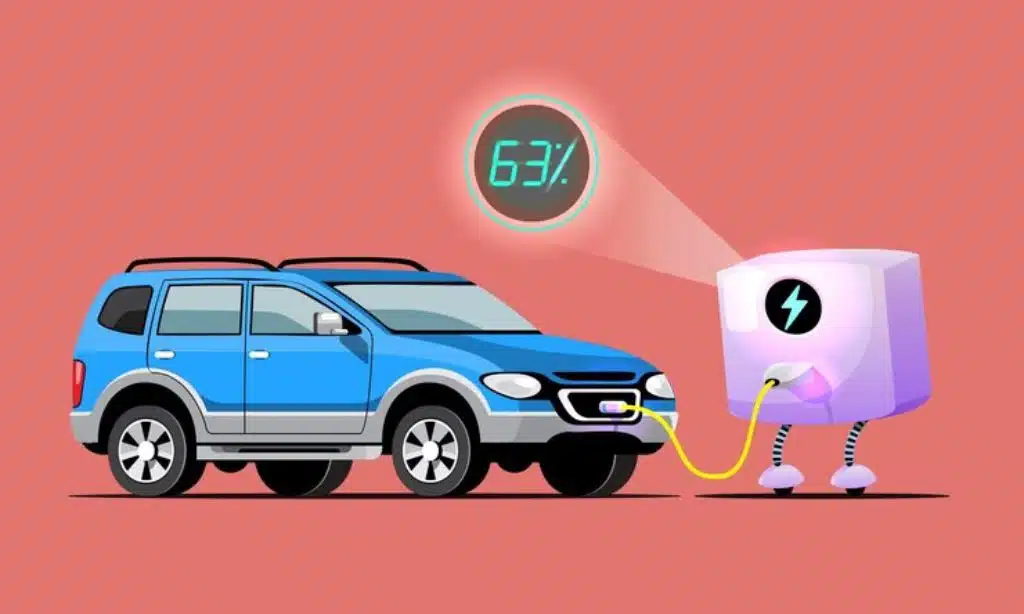
Extreme temperatures, whether hot or cold, are one of the biggest threats to EV battery health. High temperatures can cause overheating, which accelerates chemical reactions within the battery, leading to faster degradation and a decrease in overall capacity.
On the other hand, freezing conditions can slow down the internal chemical processes, reducing the battery’s charging efficiency and driving range.
Without proper temperature management, extreme climates can shorten the lifespan of your EV battery significantly. Protecting your battery from these temperature extremes ensures consistent performance, prevents unnecessary wear, and extends its operational life, making it a vital aspect of EV maintenance.
Ways to Minimize Temperature Impact:
- Park in shaded or temperature-controlled areas during hot weather.
- Precondition your battery and cabin using your EV’s thermal management system.
- Avoid charging your EV immediately after driving, as the battery may already be warm.
Temperature Impact Table:
| Condition | Effect on Battery | Solution |
| High Temperatures | Overheating, capacity loss | Use thermal management systems |
| Cold Temperatures | Reduced efficiency, slower charge | Precondition battery |
Protecting your EV battery from extreme temperatures ensures smooth operation throughout the year.
5. Plan for Energy-Efficient Driving
Driving habits have a direct impact on an EV’s battery life and efficiency. Aggressive driving behaviors, such as frequent hard accelerations and sudden braking, consume significantly more energy, leading to increased battery strain.
Over time, this can reduce the overall capacity and shorten the battery’s lifespan. By adopting energy-efficient driving practices, such as maintaining moderate speeds, using cruise control, and anticipating traffic flow, you can minimize energy consumption and improve battery performance.
Energy-efficient driving not only maximizes the range per charge but also helps preserve the long-term health of your battery, ensuring optimal usage for years to come.
Energy-Efficient Driving Tips:
- Drive at moderate speeds and avoid unnecessary acceleration.
- Use cruise control for consistent speed on highways.
- Anticipate stops to reduce abrupt braking and optimize battery usage.
Efficient driving habits not only maximize battery life but also extend your vehicle’s range.
6. Use Regenerative Braking Strategically
Regenerative braking is a key feature of EVs that captures energy during deceleration and stores it back in the battery. While this process helps improve efficiency, improper or excessive use of regenerative braking can lead to uneven wear on the battery over time.
Strategic use ensures that the energy recovery system works effectively without overstressing the battery cells. Properly managing regenerative braking enhances the vehicle’s range, reduces overall energy consumption, and minimizes battery strain.
Leveraging this feature thoughtfully not only contributes to better battery health but also improves the overall sustainability of your electric vehicle.
Best Practices:
- Use regenerative braking on downhill slopes and during stop-and-go traffic.
- Adjust the regenerative braking settings to suit your driving style.
Strategically using regenerative braking reduces energy waste and maximizes battery performance.
7. Update Your EV Software Regularly
Modern EVs rely on advanced software to manage battery performance, energy efficiency, and system diagnostics. Regular software updates from manufacturers often include improvements to the battery management system (BMS), enabling more precise energy flow control and enhanced safety measures.
Without these updates, your EV may miss out on important optimizations, leaving the battery more susceptible to inefficiencies and wear. Updated software also addresses known issues and introduces new features that help maintain battery health.
Staying current with software ensures that your EV operates at peak efficiency, extends battery life, and provides the best possible driving experience.
Best Practices:
- Regularly check for software updates from your EV manufacturer.
- Install updates as soon as they are available.
Keeping your software up to date ensures your EV operates with the latest optimizations for battery performance.
8. Perform Regular Battery Maintenance
Routine maintenance is essential to the long-term performance and reliability of your EV’s battery. Neglecting maintenance can lead to undetected issues, such as cell imbalances, overheating, or reduced capacity, which can escalate into costly repairs or replacements.
Regular inspections by professionals ensure that potential problems are identified early and addressed promptly. Battery diagnostics help monitor health metrics such as capacity, voltage, and temperature, providing valuable insights into how to improve performance.
Investing in routine maintenance not only prevents unexpected failures but also prolongs the lifespan of your battery, ensuring consistent and reliable performance for years to come.
Maintenance Tips:
- Schedule periodic inspections with your EV manufacturer.
- Monitor battery health using your EV’s diagnostic tools.
- Replace battery components as needed.
Investing in regular maintenance minimizes the risk of unexpected battery failures and extends its overall lifespan.
Takeaway
Maintaining your EV’s battery is key to maximizing its performance and ensuring a long-lasting driving experience. By following these eight simple strategies, such as avoiding full charges, using slow charging, and protecting the battery from extreme temperatures, you can significantly maximize your EV battery life.
Not only will this save you money on battery replacements, but it will also improve the overall sustainability of your electric vehicle.
Adopting these practices allows you to enjoy the full potential of your EV while contributing to a greener, more sustainable future. Start implementing these tips today and drive with confidence, knowing your EV battery is well cared for.





















