

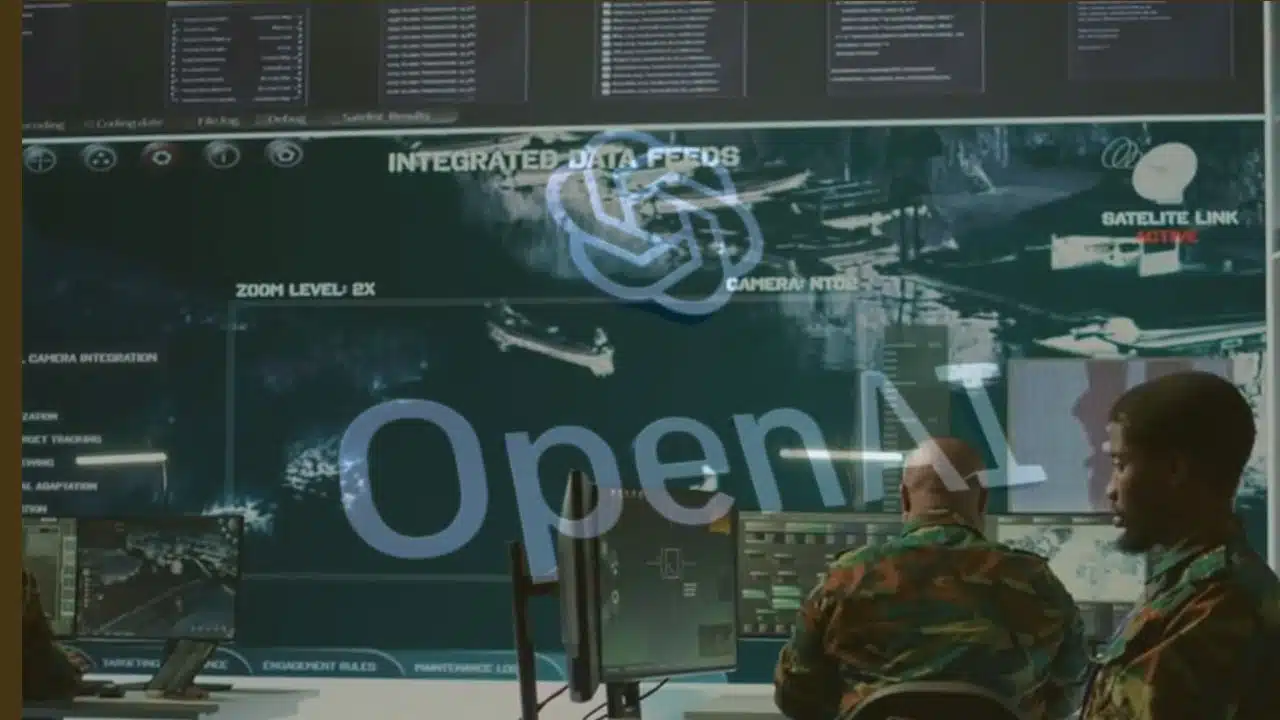
On Monday, the Pentagon listed OpenAI as a top recipient in its latest round of awarded contracts. This deal will see OpenAI, known for its popular ChatGPT technology, working directly with the US military to create powerful AI prototypes. These systems will support both battlefield and back-office needs, as described in official Defense Department documents.
This partnership is the first of its kind for OpenAI under its new initiative to apply AI in government settings. The move highlights the growing importance of AI in national security and the military’s push to modernize operations using the latest technology.
What Will OpenAI Build for the Military?
According to the Defense Department, OpenAI will “develop prototype frontier AI capabilities to address critical national security challenges in both warfighting and enterprise domains.” In simple terms, the company will build and test new AI tools that could help with:
- Warfighting: This might include AI systems that can support decision-making, logistics, threat analysis, and battlefield communications.
- Enterprise Operations: OpenAI’s technology could streamline administrative processes such as healthcare access for service members, data management, and cyber defense, making the military more efficient behind the scenes.
OpenAI emphasized that all military AI use will follow its usage guidelines, which prohibit applications like autonomous weapons or surveillance that violates privacy.
Why Is This a Big Deal?
The contract is a sign of how quickly generative AI—technology that can create text, images, and even code—is being embraced by US government agencies. Until recently, most Pentagon contracts for AI went to established defense contractors like Palantir and Raytheon. Now, Silicon Valley companies like OpenAI, Meta, and Anduril are competing for a share of this fast-growing market.
Sam Altman, CEO of OpenAI, said the company’s goal is to “benefit as many people as possible” while supporting “US-led efforts to ensure the technology upholds democratic values.
OpenAI’s Growing Role in Defense Tech

OpenAI’s partnership with the US military comes just months after it announced a collaboration with Anduril Industries, another prominent US defense startup. Anduril specializes in drone defense and autonomous security systems. Together, the two companies are developing AI-powered solutions to help counter threats from unmanned aircraft, such as drones, and other emerging security risks.
The new Pentagon contract further strengthens OpenAI’s presence in the defense sector, where it joins other major tech players like Microsoft and Google, both of which have ongoing government AI contracts.
A New Era for AI and National Security
The US government’s interest in generative AI is part of a broader push to modernize the military and stay ahead of global competitors, especially as China and other nations ramp up their own AI development. Experts say this contract with OpenAI could speed up the adoption of safe, responsible AI throughout the Department of Defense.
According to the official Defense Department statement, “The program will show how AI can significantly improve military operations while upholding ethical standards and US values.”
Ensuring Responsible Use
OpenAI has promised that all its AI tools for the Pentagon will be designed and used in line with its responsible AI policies. The company has strict rules against developing autonomous weapons or surveillance systems that threaten civil liberties.
Industry experts, including those from the Center for Strategic and International Studies (CSIS), stress the importance of transparency, ethical safeguards, and oversight as the military expands its use of AI. The Department of Defense’s AI Principles, adopted in 2020, require that any AI deployed by the US military is responsible, equitable, traceable, reliable, and governable.
The Information is Collected from CNBC and MSN.





















