

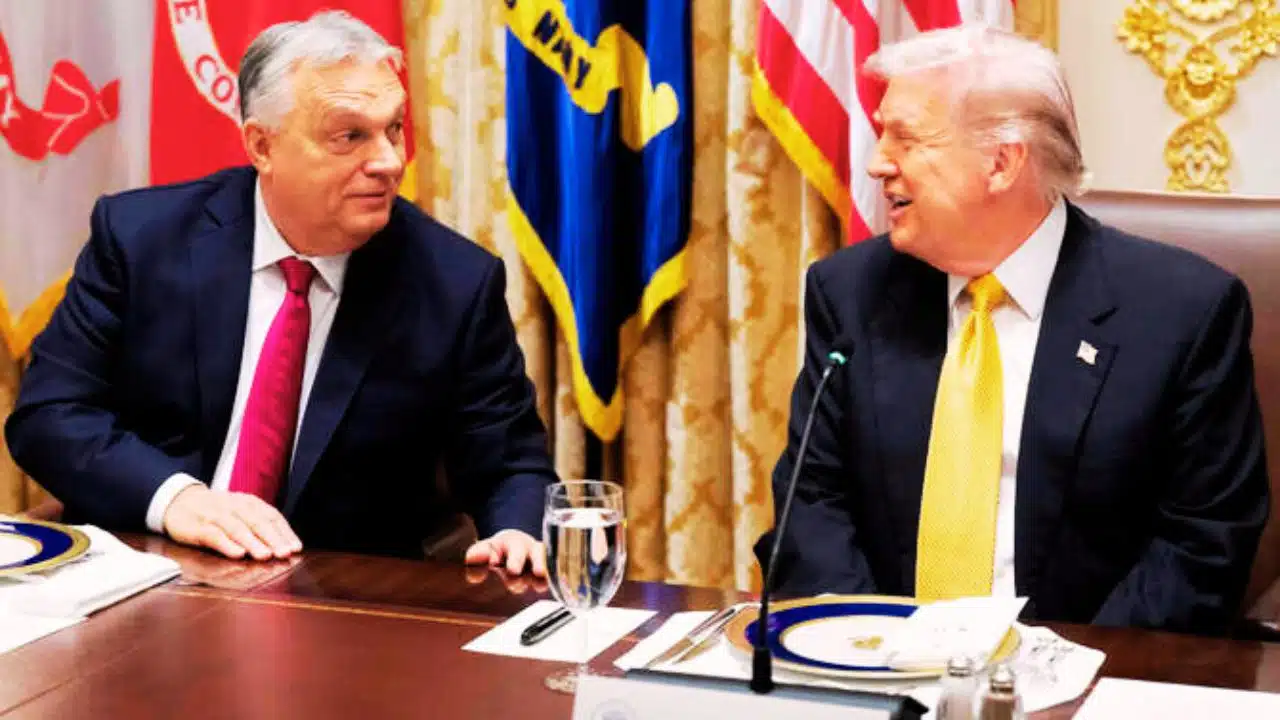
In a deepening rift within NATO alliances, the United States has sharply criticized Hungary for pushing to extend a European Union exemption allowing the continued import of Russian natural gas, highlighting ongoing tensions over Europe’s energy dependence on Moscow amid the Ukraine conflict.
This dispute underscores the fragile balance between security concerns and economic realities, with Budapest defending its stance as essential for national stability while Washington accuses it of undermining efforts to isolate Russia economically. As the deadline for the waiver approaches, diplomatic exchanges have escalated, raising questions about unity in the transatlantic partnership.
Background on the Energy Waiver
The waiver in question stems from the EU’s 2022 push to phase out Russian energy supplies following Russia’s full-scale invasion of Ukraine, but it included temporary exemptions for countries like Hungary that relied heavily on Russian pipelines for gas. Hungary, which imports over 80% of its natural gas from Russia via the TurkStream pipeline, secured this derogation to avoid immediate energy shortages and skyrocketing prices for its citizens. The exemption, set to expire at the end of 2025, has been a point of contention since its inception, as it contradicts the broader EU goal of reducing reliance on Russian energy to less than 10% by year-end.
This arrangement was initially justified by Hungary’s government under Prime Minister Viktor Orbán as a pragmatic necessity, given the country’s lack of alternative infrastructure for liquefied natural gas (LNG) imports from non-Russian sources. However, critics within the EU and beyond argue that such waivers prolong Russia’s war funding, with estimates suggesting that Russian energy exports to Europe have generated over €200 billion since the invasion began. The US, a major LNG supplier to Europe, has long viewed these exemptions as counterproductive to the collective sanctions regime aimed at crippling Moscow’s economy.
The Current Clash and US Position
Tensions boiled over last week when Hungary formally requested an extension of the waiver during EU energy talks in Brussels, prompting a swift rebuke from the US State Department. In a statement, US officials described the move as “deeply concerning” and a “step backward” in efforts to enforce sanctions against Russia’s aggression in Ukraine. Secretary of State Antony Blinken emphasized during a press briefing that extending the waiver would send the wrong signal to aggressors, potentially emboldening further destabilizing actions in the region.
The US perspective is rooted in its strategic interests: America has ramped up LNG exports to Europe, supplying nearly 50% of the continent’s imported LNG in 2024, which has helped offset lost Russian volumes but at higher costs to European consumers. Washington argues that Hungary’s position not only sustains Russia’s revenue streams—estimated at €50 billion annually from gas sales to Europe—but also weakens NATO’s cohesion at a time when unity is crucial against threats from Russia and its allies. Diplomatic sources indicate that behind-the-scenes pressure from the US includes calls for Hungary to invest in diversification, such as connecting to the broader EU gas network or procuring American LNG.
Hungary’s Defense and Domestic Pressures
Hungary’s government, led by the nationalist Fidesz party, has pushed back forcefully, framing the US criticism as an overreach into sovereign energy decisions. Prime Minister Orbán, known for his maverick stance within the EU and NATO, stated in a televised address that “no foreign power will dictate Hungary’s energy security,” highlighting the potential for blackouts and industrial shutdowns without Russian supplies. Budapest points to its efforts to negotiate better terms with Gazprom, Russia’s state energy giant, including price caps below European market rates, as a way to mitigate costs while complying with broader sanctions.
Domestically, Orbán’s position resonates amid Hungary’s economic challenges, including inflation rates hovering around 5% and energy bills that have already doubled for households since 2022. Public support for maintaining Russian ties remains strong in rural areas, where Orbán’s narrative of resisting “Brussels’ elites” and “Western interference” plays well. However, opposition voices within Hungary, including green parties and pro-EU factions, decry the reliance on Russia as a moral and strategic failing, especially as Ukraine continues to suffer from the war fueled in part by these energy revenues.
Broader Implications for EU-US Relations
This spat arrives at a precarious moment for transatlantic ties, with the upcoming US presidential transition adding uncertainty—President-elect Donald Trump has signaled a potential pivot toward isolationism, which could reduce American pressure on European allies but also diminish LNG commitments. Within the EU, Hungary’s veto power on energy decisions has frustrated neighbors like Slovakia and Austria, who also depend on Russian transit but are accelerating diversification through projects like the Southern Gas Corridor.
Economically, the waiver’s fate could influence global energy markets: an extension might stabilize prices short-term but delay Europe’s green transition, while its denial could spike gas costs across the continent, exacerbating inflation and political unrest. Analysts warn that prolonged discord might erode the sanctions’ effectiveness, allowing Russia to redirect exports to markets like China and India, further entrenching its position as an energy superpower.
Looking Ahead: Paths to Resolution
As EU foreign ministers convene next month to deliberate the waiver, mediation efforts from Germany and France aim to bridge the divide, proposing phased reductions in Russian imports coupled with subsidies for alternative infrastructure in landlocked nations like Hungary. The US has hinted at offering technical assistance for LNG terminals, but success hinges on Orbán’s willingness to compromise amid domestic elections looming in 2026.
Ultimately, this clash tests the resilience of Western alliances against Russia’s hybrid warfare tactics, including energy weaponization. Resolution will require not just diplomatic maneuvering but a recommitment to shared goals of energy independence and support for Ukraine, lest divisions provide Moscow with unintended leverage.






















