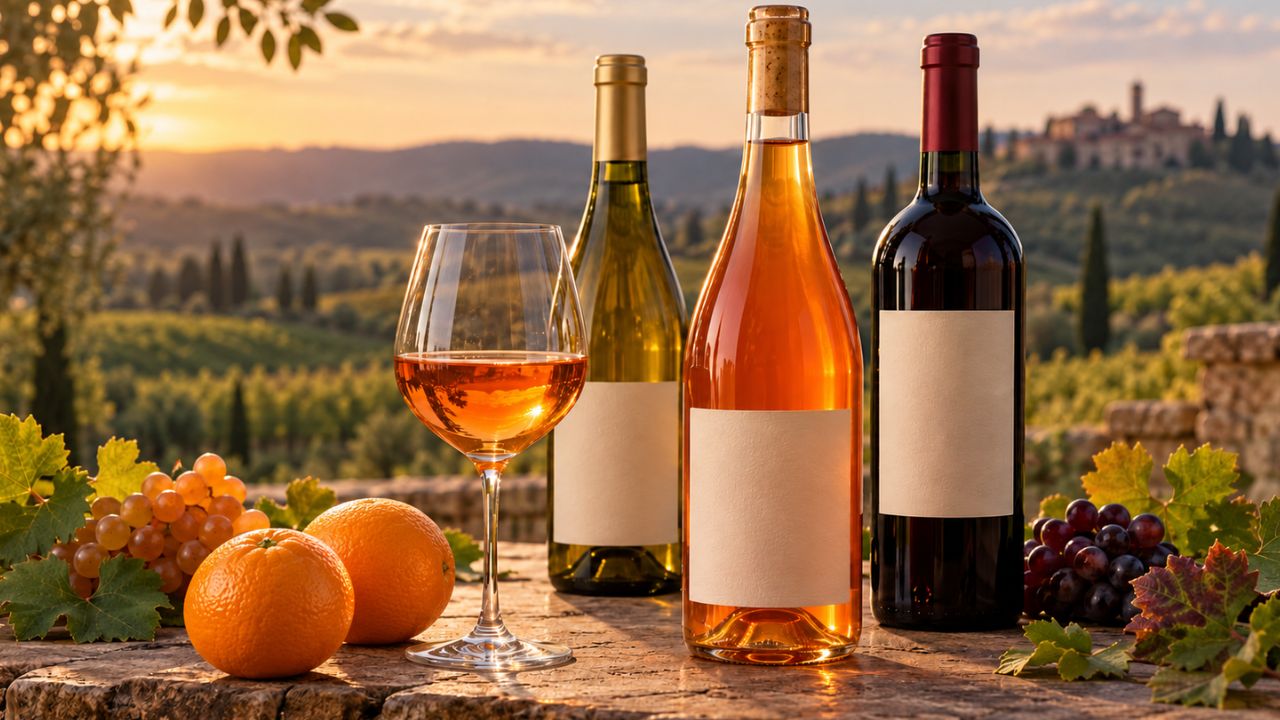
While many modern drinkers view orange wine as a recent trend pushed by natural wine bars, the practice of fermenting white grapes on their skins dates back thousands of years. This method originated in the Caucasus region, specifically in what is now the country of Georgia. Unlike conventional white wine production, where juice is immediately separated from the skins, orange wine involves prolonged contact. This extraction process pulls color, tannins, and polyphenols from the grape skins, resulting in a spectrum of hues ranging from pale gold to deep amber.
Historically, these wines were fermented in massive beeswax lined clay vessels known as Qvevri, which were buried underground to maintain stable temperatures. This ancient technique was not merely a stylistic choice but a necessity for preservation. The tannins extracted from the skins act as natural preservatives, allowing the wine to age without the heavy use of sulfur. Today, this category represents a bridge between the freshness of white wine and the structural integrity of red wine.
The Rise of the Amber Movement
The resurgence of these wines in the late twentieth century can be attributed to a small group of visionary winemakers in the Friuli Venezia Giulia region of Italy and across the border in Slovenia. These producers sought to move away from the industrialization of wine, looking backward to move forward. By embracing skin contact, they rediscovered textures and aromatic profiles that had been lost to history. This movement has since spread globally, with producers from Australia to California experimenting with skin contact to express their unique terroirs.
The Science of Maceration and Tannic Structure
To understand why orange wine tastes so different from its white counterparts, one must look at the chemical composition of the grape. The majority of a grape’s aromatic precursors and all of its tannins are located in the skin and seeds. In standard white winemaking, these elements are discarded. In the production of orange wine, the duration of skin contact can last anywhere from a few days to several months.
- Phenolic Extraction: As the alcohol levels rise during fermentation, the liquid becomes a more effective solvent, drawing out complex compounds that provide mouthfeel and grip.
- Oxidation Control: The presence of skins often allows for a more oxidative environment. This doesn’t mean the wine is spoiled; rather, it develops nutty, dried fruit, and savory characteristics that are absent in reductive, stainless steel fermented whites.
- Color Stabilization: The pigments, known as anthocyanins, bond with tannins to create a stable, vibrant color that evolves from bright orange to tawny brown over time.
For those looking to explore this category, sourcing bottles from a specialized retailer like Forest Wines ensures that you are getting authentic expressions made with minimal intervention. The expertise found at Forest Wines helps enthusiasts navigate the varying levels of intensity found in these bottles, from light skin contact to heavy, structural macerations.
Why Orange Wine is the Ultimate Gastronomic Tool
Sommeliers often refer to orange wine as the Swiss Army knife of food pairings. Because these wines possess the acidity of a white and the tannin of a red, they can bridge the gap between difficult to pair ingredients. They excel where traditional wines fail, particularly with fermented foods, pungent cheeses, and spicy cuisines.
Versatility Across Cuisines
- Middle Eastern Flavors: The savory, herbal notes of an amber wine complement dishes featuring za’atar, sumac, and roasted lamb.
- Fermented and Pickled Ingredients: The high umami content in skin contact wines stands up beautifully to kimchi, sauerkraut, and kombu based broths.
- Hard Cheeses: While red wine often clashes with the saltiness of aged Gouda or Parmigiano Reggiano, the structural balance of orange wine provides a harmonious match.
Gravner Ribolla Gialla: The Master of the Amphora
Josko Gravner is widely considered the father of the modern orange wine movement. Located in Oslavia, Italy, Gravner made the radical decision in the late 1990s to move away from modern technology and return to Georgian Qvevri. His Ribolla Gialla is a benchmark for the category, representing a profound commitment to patience and nature.
This wine undergoes months of skin contact in buried clay pots followed by years of aging in large oak casks. The result is a wine of incredible depth, featuring notes of dried apricot, beeswax, toasted hazelnuts, and a distinct saline minerality. It is not merely a drink but a meditative experience. When seeking out iconic bottles like this, Beyond Red and White: 5 Unique Orange Wines That Completely Redefine the Glass often starts with a discussion of Gravner’s influence on the industry.
Radikon Jakot: A Lesson in Patience and Complexity
Stanko Radikon was another pioneer who, alongside Gravner, redefined the potential of the Friulian landscape. The Radikon style is characterized by extremely long maceration periods and an avoidance of added sulfites. Their Jakot, made from the Friulano grape, is famous for its intense copper color and robust tannic structure.
- The Aromatics: Expect a bouquet of dried orange peel, tea leaves, and forest floor.
- The Palate: The wine is bone dry with a powerful grip, requiring decanting to fully open up.
- The Philosophy: Radikon bottles are often sold in 500ml or one liter sizes, reflecting the belief that the standard 750ml bottle is not the ideal size for a meal between two or four people.
Working with producers like Radikon requires a deep understanding of natural wine cycles, something that the team at Forest Wines prides itself on when selecting their inventory. Their collection often features these high character bottles that challenge the palate and reward the adventurous drinker.
Meinklang Weisser Mulatschak: The Accessible Biodynamic Entry
For those new to the world of skin contact, the Meinklang Weisser Mulatschak from Austria offers a perfect entry point. Meinklang is a massive biodynamic farm that functions as a complete ecosystem, with cattle providing the fertilizer for the vineyards. This wine is a blend of Welschriesling, Pinot Gris, and Traminer.
Unlike the heavy, tannic giants of Friuli, the Mulatschak is bright, hazy, and incredibly floral. It undergoes a shorter maceration period, resulting in a wine that is refreshing and highly drinkable. It tastes of tropical fruits, citrus zest, and white flowers, making it an ideal companion for a summer afternoon or light appetizers. It proves that orange wine does not always have to be challenging; it can also be pure, unadulterated fun.
Pheasant’s Tears Rkatsiteli: The Georgian Tradition Revived
To truly understand orange wine, one must return to the source. Pheasant’s Tears, located in the Kakheti region of Georgia, produces wines according to traditions that are eight thousand years old. The Rkatsiteli grape is one of the most prominent varieties used for skin contact in the region.
The name Pheasant’s Tears comes from a Georgian tale claiming that only a wine of superior quality could make a pheasant cry. Their Rkatsiteli is fermented in Qvevri with full stem inclusion, providing a spicy, earthy backbone. The wine offers flavors of honeyed nuts, bitter herbs, and wild spices. It is a raw and honest expression of the land, providing a direct link to the dawn of viticulture. Finding these authentic Georgian expressions is easier when browsing the curated selections at Forest Wines, where the focus is on stories and craftsmanship.
Ruth Lewandowski Boaz: The New World Interpretation
Evan Lewandowski, based in Utah but sourcing grapes from Mendocino, California, represents the new wave of American winemakers embracing skin contact. The Boaz bottling is a blend that often includes Carignan and Cabernet Sauvignon, but it is his skin contact whites that have garnered a cult following. His approach brings a Californian sunshine to the ancient technique.
The Boaz is often a field blend that defies easy categorization. It is vibrant, energetic, and full of life, showcasing that the orange wine technique can be successfully applied to New World fruit. It maintains a beautiful acidity while offering a textured, creamy mouthfeel that lingers. This wine is a testament to the fact that the fourth color of wine is not restricted by geography but is a philosophy of winemaking that can be applied anywhere.
How to Serve and Cellar Amber Vintages
Serving orange wine at the wrong temperature is the most common mistake consumers make. Because these wines have tannins, serving them ice cold will make them appear overly bitter and shut down their aromatic complexity.
- Temperature: Aim for cellar temperature, roughly 12 to 14 degrees Celsius (54 to 57 degrees Fahrenheit). This allows the texture to soften and the aromatics to bloom.
- Glassware: Avoid narrow white wine glasses. Instead, use a wide burgundy glass or a universal glass to allow for proper aeration.
- Decanting: For highly structured wines like those from Radikon or Gravner, decanting for an hour or more can significantly improve the drinking experience by softening the tannic grip.
When you purchase a bottle from Forest Wines, you are often getting a living product that will continue to evolve in the bottle. Many of these wines have incredible aging potential, sometimes outlasting traditional reds due to their high phenolic content and stable pH levels.
The Future of the Fourth Color in Viticulture
As the climate changes and consumers seek out more transparent winemaking practices, the popularity of orange wine is set to grow. It represents a move away from the homogenized, highly filtered wines that dominated the market for decades. Producers are now realizing that skin contact can help preserve freshness in warmer climates and provide a unique expression of terroir that is often lost in conventional white winemaking.
The category is also expanding beyond the traditional grapes. We are seeing skin contact Muscats, Sauvignon Blancs, and even Rieslings. Each variety brings something different to the table when given the skin contact treatment, from the highly aromatic and floral to the lean and mineral. This diversity ensures that there is an orange wine for every palate, from the beginner to the seasoned connoisseur.
Embracing the Amber Spectrum
Exploring orange wine is an invitation to rethink what wine can be. It challenges the binary of red and white, offering a middle ground that is rich with history and bursting with modern creativity. By supporting producers who prioritize soil health and traditional methods, drinkers contribute to a more sustainable and diverse wine industry. Whether you are opening a bottle of Georgian Rkatsiteli or a vibrant Austrian blend, you are participating in a tradition that spans millennia, now reimagined for the contemporary glass. The journey into amber wine is one of discovery, texture, and unparalleled flavor.