

As fireworks lit up skies across the world to ring in 2026, Ukrainian drones delivered a stark reminder of the ongoing conflict, slamming into key Russian oil refineries and infrastructure in a series of precision strikes on New Year’s Eve and into January 1. These attacks, confirmed by Ukraine’s General Staff, targeted facilities critical to Moscow’s war machine, igniting fires and disrupting operations at sites like the Ilsky and Tuapse refineries in Krasnodar Krai. The operations mark a continuation of Kyiv’s aggressive campaign against Russia’s energy sector, aimed at crippling the economic lifeline funding the invasion.
The Strikes Unfold: Targets and Immediate Impact
Ukrainian forces launched multiple drone assaults overnight from December 31 to January 1, hitting a cluster of high-value targets deep inside Russian territory and occupied areas. In Krasnodar Krai, the Ilsky oil refinery— a mid-sized facility processing millions of tons of crude annually—took direct hits from attack UAVs, sparking a significant fire that raged into the new year. Russian regional authorities acknowledged drone debris striking the site, confirming no casualties but noting the blaze, which Ukrainian sources described as a successful blow to the plant’s operations.
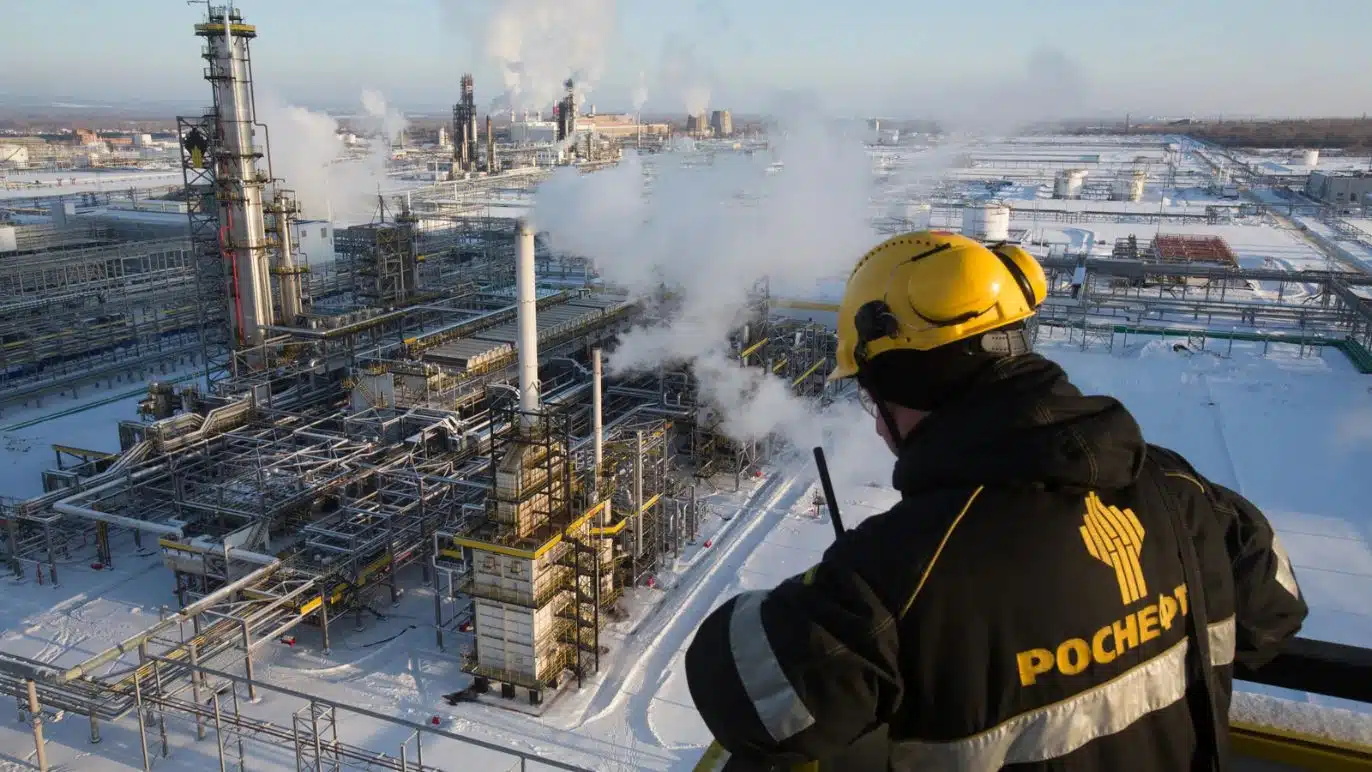
Just days earlier, on December 31, the nearby Tuapse Oil Refinery—one of Russia’s top 10 largest, with a capacity of 12 million tons per year—endured a separate barrage that damaged its primary processing unit (ELOU-AVT-12) and triggered a massive inferno. Owned by state giant Rosneft, Tuapse supplies diesel, gasoline, and fuel oil essential for Russian military logistics, making it a repeated target in Kyiv’s drone offensive. The General Staff reported “significant damage” to complex installations, while local reports noted injuries to two workers and destruction to nearby port infrastructure, including a gas pipeline and residential buildings.
Further afield, strikes reached the Almetyevskaya oil processing facility in Tatarstan, over 1,500 kilometers from the front lines, where results remain under assessment. In Kaluga Oblast, an oil depot in Lyudinovo burned fiercely after drone impacts, serving as a Rosneft fuel hub for central Russia. Additional hits included the Tamanneftegaz oil terminal on the Taman Peninsula, where Ukraine’s Special Operations Forces damaged two oil-loading berths, halting port activities temporarily. A Rosreserv “Temp” depot in Rybinsk, Yaroslavl Oblast—stockpiling strategic petroleum reserves north of Moscow—also erupted in flames, underscoring the long reach of Ukraine’s indigenous drones.
In occupied territories, the drones didn’t spare military assets: ammunition depots in Donetsk Oblast, a Shahed drone storage site, a Tor-M2 air defense system, and a command post of Russia’s 150th Motor Rifle Division near Avdiivka were all neutralized. These synchronized operations, blending strikes on economic and tactical targets, inflicted fires across multiple sites, with videos circulating on social media showing plumes of black smoke rising from refineries under the cover of night.
Russian Response: Denials, Air Defenses, and Retaliation
Moscow’s reaction was swift but measured, with regional governors downplaying the damage while activating air defenses across southern and central Russia. In Krasnodar, officials claimed the Ilsky fire was contained without production halts, though independent monitors reported ongoing disruptions. Tuapse authorities admitted equipment damage and a brief blaze at the refinery, alongside port pier impacts, but insisted operations resumed quickly. No official Kremlin statement detailed casualties or economic losses, a pattern in prior incidents where Russia frames such attacks as “terrorist acts” neutralized by robust defenses.
Simultaneously, Russia unleashed over 200 drones and missiles on Ukraine from New Year’s Eve into January 1, targeting energy infrastructure in seven regions including Odesa. President Volodymyr Zelenskyy condemned the barrage as a deliberate escalation, noting most were intercepted but debris caused fires and outages. This tit-for-tat exchange highlights the intensifying drone war, where both sides leverage cheap, long-range UAVs to strike at vulnerabilities far from the trenches.
Experts note Russia’s air defenses struggled, with debris from downed drones igniting secondary fires, signaling vulnerabilities in protecting vast energy infrastructure. The strikes come amid heightened alerts in Russian border regions, where civilian evacuations and blackouts have become routine amid the mutual escalation.
Strategic Importance: Bleeding Russia’s War Economy
These New Year attacks are no isolated salvo; they cap a record-breaking 2025 where Ukraine struck nearly 160 Russian oil facilities, slashing refining capacity by up to 20% according to Zelenskyy. Oil revenues—accounting for 90% of Moscow’s defense budget—fund tanks, missiles, and troops, making refineries legitimate targets in Kyiv’s view. The Ilsky refinery, though smaller, supports southern military logistics, while Tuapse’s output fuels Black Sea exports evading sanctions via “shadow fleets.”
Cumulative impacts are stark: December 2025 saw 24 strikes alone, driving diesel exports to five-year lows and sparking fuel shortages in over 50 Russian regions. Facilities like Ryazan, Salavat, and Bashneft—hit repeatedly—remain partially offline, hiking domestic gasoline prices and straining supply chains. Analysts from Energy Aspects estimate over 1 million barrels per day of capacity idled since August, benefiting global refiners like those in the U.S. while pressuring Russia’s $300 billion oil windfall.
For Ukraine, these operations degrade Russia’s ability to sustain aerial assaults, as refined products power jets and trucks. Domestically produced drones, with ranges exceeding 2,000 km, democratize long-range strikes, shifting the war’s asymmetry. Yet challenges persist: Russian repairs and imports from allies like China mitigate some losses, though at higher costs.
Broader Context: A Year of Drone Escalation
The 2025-2026 transition strikes build on a summer surge, where Kyiv hit 16 of Russia’s 38 refineries, from Bashkortostan to Komi. November set a monthly record with 14 attacks, targeting giants like Afipsky and Lukoil’s Kstovo. Tatarstan’s Almetyevsk, struck now, echoes earlier blows to petrochemical plants feeding military synthetics.
This energy war mirrors Russia’s blackouts on Ukraine’s grid since 2022, but Kyiv’s precision avoids mass civilian hits, focusing on dual-use infrastructure. International observers, including the UN, have critiqued both sides’ tactics, though Ukraine’s strikes evade direct condemnation as proportionate retaliation. Economically, Moscow’s pivot to Asia markets cushions blows, but Western sanctions amplify the pain, with exports dipping below pre-war levels.
Geopolitically, the timing—amid stalled U.S.-brokered talks—signals Kyiv’s resolve under President Trump’s administration, rejecting capitulation demands. Allies like the U.S. and EU quietly support via intelligence, viewing oil strikes as leverage without direct involvement.
Global Ripples: Markets, Sanctions, and Energy Security
Oil prices ticked up 2% on January 2 amid strike reports, reflecting jitters over Black Sea supply chains. Russia’s shadow tanker fleet, already reeling from HUR sea drone attacks, faces compounded risks near Taman and Tuapse ports. Europe, weaning off Russian gas, sees minimal direct impact but gains from diverted Urals crude flooding India and China at discounts.
Environmental concerns mount: Tuapse fires released pollutants into the Black Sea, echoing prior spills from struck terminals. Globally, U.S. refiners profit from tighter diesel markets, potentially lowering import costs. Sanctions enforcement tightens, with G7 proposals for $100/barrel price caps gaining traction post-strikes.
For consumers, Russian shortages could inflate fuel worldwide if repairs lag, underscoring war’s reach into daily life.
Voices from the Frontlines and Analysts’ Take
Ukrainian military sources hailed the strikes as “measures to undermine aggressor capacity,” releasing footage of drones evading defenses. Zelenskyy framed them as justice against Russia’s New Year barrage, vowing continuity. Russian Telegram channels decried “Kyiv terror,” sharing unverified videos of fires.
Western analysts like those at CSIS note the strikes’ psychological edge, bringing war to Russian heartlands and eroding public support. Mark Cancian warned of escalation risks, including nuclear rhetoric, but praised Ukraine’s ingenuity. On the ground, Krasnodar residents reported drone swarms and sirens disrupting celebrations, mirroring Ukrainian experiences.
Outlook: Sustained Pressure Ahead
As 2026 dawns, Ukraine’s drone fleet—now numbering thousands—promises more refinery runs, potentially halving Russia’s export capacity by mid-year. Moscow may retaliate with intensified missile waves or asymmetric tactics, but fuel constraints hobble its air campaign. Peace talks, if revived, could hinge on energy concessions, though Putin’s maximalism persists.
These strikes symbolize Kyiv’s defiance: turning Russia’s economic strength into vulnerability, one drone at a time. With repairs costing billions and revenues hemorrhaging, the energy front remains pivotal in this protracted struggle. The world watches as flames from Ilsky and Tuapse flicker, a fiery harbinger of battles yet to come.





















