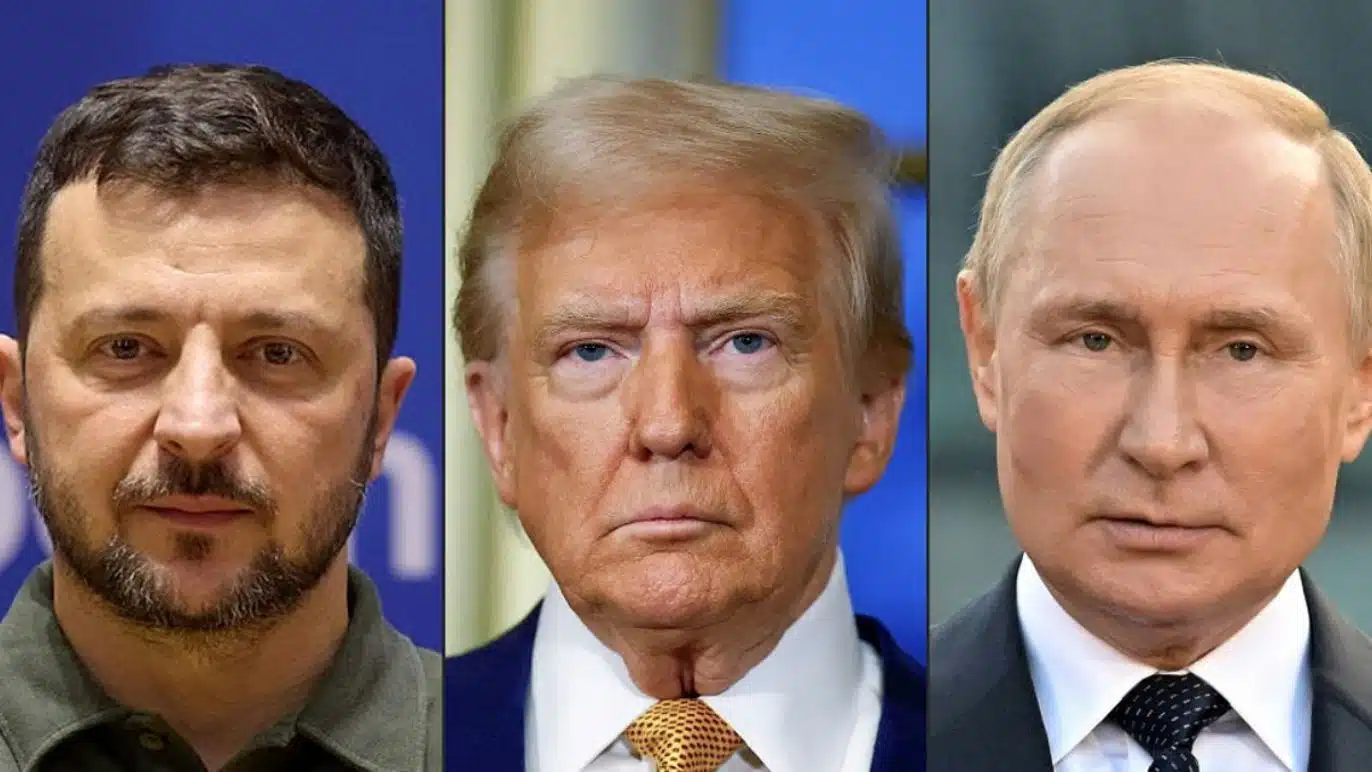
Ukraine has formally delivered a US-backed peace plan to Russia, marking a pivotal moment in the ongoing war that has devastated both nations and reshaped global geopolitics. The proposal, which has been the subject of intense diplomatic negotiations, represents the most comprehensive effort yet to end the nearly four-year-long conflict. The plan, shaped by the Trump administration and Ukraine’s leadership, includes a series of bold concessions and new security arrangements, drawing both cautious optimism and sharp criticism from around the world.
The Genesis of the US-Backed Peace Plan
The origins of the latest peace initiative trace back to high-level meetings between US President Donald Trump, Ukrainian President Volodymyr Zelenskyy, and Russian officials in late 2025. According to sources familiar with the talks, the US draft plan was significantly influenced by a “non-paper” presented by Russian representatives in October, outlining Moscow’s own terms for ending the war. This document, which included demands for territorial concessions and security guarantees, formed the basis for the subsequent 28-point framework.
Following these initial exchanges, the US administration, led by Special Envoy Steve Witkoff and Defense Secretary Daniscoll, worked closely with Ukrainian officials to refine the proposal. The plan evolved through multiple iterations, with nine points reportedly removed or revised in response to feedback from Kyiv and European allies. The final version, which Ukraine officially delivered to Russia, reflects a delicate balance between American mediation and Ukrainian sovereignty.
Key Provisions of the 28-Point Framework
The 28-point peace plan is divided into four broad categories: achieving peace, security guarantees, European stability, and future US-Russia-Ukraine relations. Some of the most significant provisions include:
-
Territorial Concessions: Ukraine is expected to cede control of the remaining territories in the eastern Donbas region, including areas currently under Ukrainian administration, to Russia. This move aligns closely with Russia’s maximalist demands and has been a major point of contention within Ukraine.
-
Military Limitations: The proposal requires Ukraine to reduce its military personnel by 50%, with its armed forces capped at 400,000 personnel. Additionally, Kyiv would commit to forgoing certain categories of weaponry, and US military support would be scaled back.
-
NATO Membership: Ukraine would formally renounce its aspirations for NATO membership, a concession designed to address Russia’s long-standing security concerns.
-
Security Guarantees: The plan calls for the establishment of a comprehensive non-aggression pact between Russia, Ukraine, and Europe, as well as a US-mediated dialogue between Russia and NATO to address mutual security concerns.
-
Economic Provisions: Frozen Russian assets would be allocated for Ukraine’s reconstruction, while sanctions on Russia would be gradually lifted if Moscow adheres to the terms of the agreement. The proposal also encourages long-term US-Russia collaboration in sectors such as AI and mining, and paves the way for Russia’s re-entry into the G8.
-
Amnesty and Accountability: An amnesty would be granted to all parties for actions taken during the conflict, shielding Russian officials and soldiers from prosecution for war crimes.
-
Elections and Governance: Ukraine would be required to hold elections within 100 days of an agreement, with Zelenskyy having previously expressed his willingness to do so once a ceasefire is established.
Ukraine’s Stance and Internal Reactions
Despite the concessions demanded by the US and Russia, Ukrainian officials have signaled a willingness to engage with the peace process. National Security Adviser Rustem Umerov stated that Kyiv had reached a “common understanding” with the US on the proposal, with only “minor details” left to settle. President Zelenskyy has emphasized the importance of American leadership in achieving a sustainable peace, noting that “the primary factor for halting the bloodshed is to collaborate with all our partners”.
However, the plan has faced significant criticism within Ukraine. Many Ukrainians view the territorial concessions and military limitations as a betrayal of their country’s sovereignty and security. Opposition politicians and civil society groups have voiced strong opposition, warning that the proposal could embolden Russia and undermine Ukraine’s long-term stability. The requirement for amnesty for war crimes has also sparked outrage, with human rights organizations calling for accountability for Russian aggression.
Russia’s Response and International Reactions
Russian officials have welcomed the proposal, with President Vladimir Putin stating that the outlines of the draft could “form the basis of a final peace settlement”. Foreign Minister Sergey Lavrov stressed that Moscow is awaiting an updated version of the plan from the US, but indicated that the core tenets agreed upon by Trump and Putin during their August meeting in Alaska are reflected in the current framework.
European countries have expressed mixed reactions. While some leaders have acknowledged the need for a negotiated settlement, others have voiced concern about the plan’s perceived bias in favor of Russia. The European Union has proposed its own alternative peace initiative, which includes a higher cap on Ukraine’s military and different arrangements for the use of frozen Russian assets. Critics argue that the US-led plan could undermine Ukraine’s sovereignty and embolden Russian aggression, while supporters believe it offers the best chance for ending the war and restoring stability to the region.
The Road Ahead: Challenges and Prospects
The delivery of the US-backed peace plan to Russia marks a critical juncture in the war. The next steps will depend on Moscow’s willingness to engage in serious negotiations and Kyiv’s ability to balance domestic opposition with the need for peace. The plan’s success will also hinge on the commitment of the US and its allies to enforce the agreement and provide Ukraine with robust security guarantees.
Several key challenges remain. The issue of territorial governance in eastern Ukraine is particularly contentious, with Russian troops still occupying significant portions of the region. The amnesty provision for war crimes is another major sticking point, as many Ukrainians and international observers demand accountability for Russian aggression. Additionally, the plan’s economic provisions, including the allocation of frozen Russian assets and the lifting of sanctions, will require careful implementation to ensure that Ukraine’s reconstruction is not compromised.
Implications for Global Alliances
The US-led peace initiative has far-reaching implications for global alliances and the future of European security. The proposal’s emphasis on US mediation and the establishment of a US-Russia security working group could reshape the dynamics of NATO and European defense cooperation. The plan’s call for a dialogue between Russia and NATO, with US moderation, represents a significant shift in the approach to European security and could pave the way for a new era of US-Russia collaboration.
However, the plan’s perceived bias in favor of Russia has raised concerns among European allies, who fear that it could undermine Ukraine’s sovereignty and embolden Russian aggression. The European Union’s alternative peace initiative reflects these concerns and highlights the need for a balanced approach that addresses the security concerns of all parties involved.
Final Words
Ukraine’s delivery of the US-backed peace plan to Russia marks a historic moment in the ongoing war. The proposal, shaped by the Trump administration and Ukrainian leadership, represents the most comprehensive effort yet to end the conflict. While the plan includes bold concessions and new security arrangements, it also faces significant challenges and criticism from within Ukraine and among international allies. The success of the initiative will depend on the commitment of all parties to engage in serious negotiations and uphold the principles of sovereignty, accountability, and security. As the world watches, the outcome of these talks could reshape the future of Ukraine, Russia, and global geopolitics.