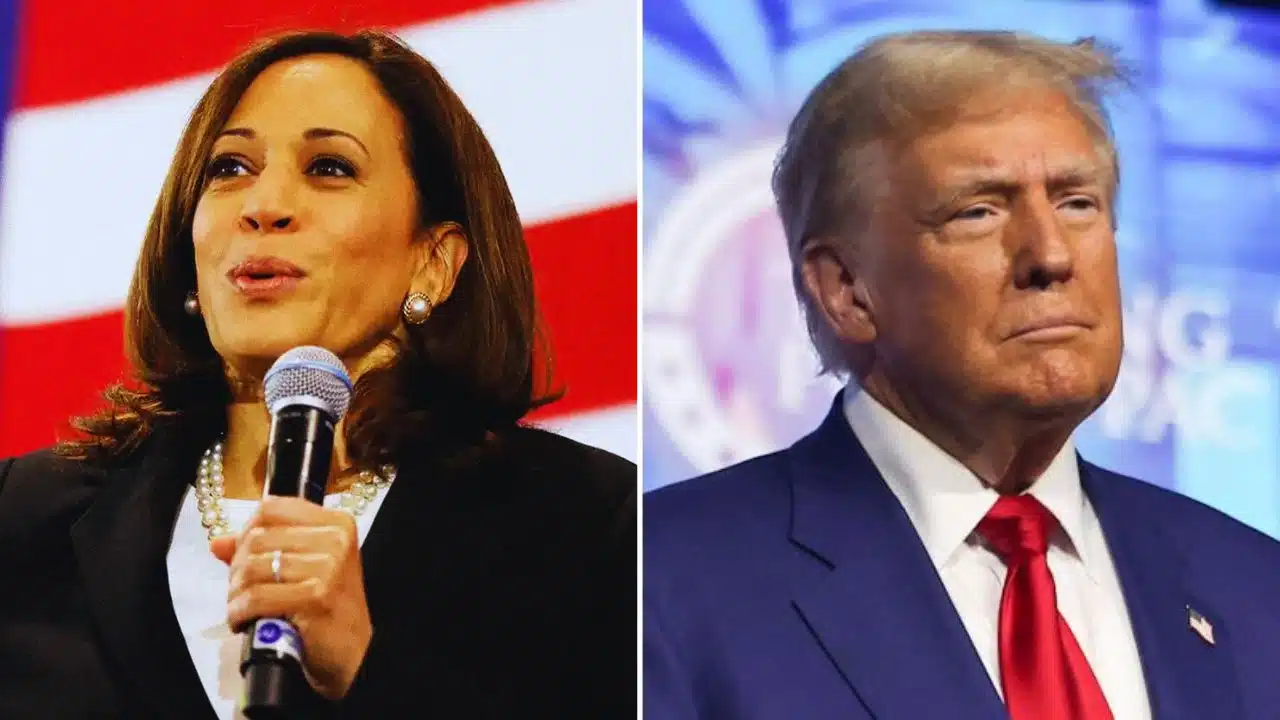
The Associated Press has projected that Donald Trump has won North Carolina’s 16 electoral votes in the highly anticipated 2024 presidential election, marking a pivotal victory in a state that both Democrats and Republicans fiercely contested. Trump’s victory over Kamala Harris, who ran as the Democratic candidate, reflects North Carolina’s historical lean toward conservative politics but underscores the state’s shifting political dynamics. North Carolina, considered a battleground state this election season, saw record-breaking voter participation and intense campaigning from both parties in the months leading up to the vote.
North Carolina’s Historical Republican Stance
North Carolina’s lean toward Republican candidates has been consistent for several decades. Since 1980, the state has supported Republican presidential candidates in every election except for 2008 when Barack Obama claimed victory, riding a wave of voter enthusiasm and hope for change. This year, both parties viewed North Carolina as a significant battleground, with Harris campaigning extensively to win over voters in a state traditionally seen as leaning right. However, Trump ultimately secured the state’s 16 electoral votes, further bolstering his electoral college tally.
LIVE: US presidential election 2024 results https://t.co/UdlvTABE0C
— Reuters (@Reuters) November 5, 2024
Current Electoral College Standings
With North Carolina’s 16 electoral votes, Donald Trump’s total now stands at 230 electoral votes. Kamala Harris, on the other hand, has accumulated 179 votes so far. To win the presidency, a candidate must secure a majority of 270 out of the 538 total electoral college votes. As each state’s results are confirmed, the gap between Trump and Harris fluctuates, but Trump’s win in North Carolina adds momentum to his campaign.
North Carolina Moves from “Lean Republican” to “Toss-Up” Status
Earlier in August, the Cook Political Report made headlines by shifting North Carolina’s classification from “lean Republican” to a “toss-up,” a significant change reflecting a more competitive race than initially expected. Harris’s entry into the race was thought to bring an advantage to the Democratic side, energizing Democratic voters and narrowing the polling gap between the candidates. With Harris as the Democratic nominee, the state was perceived as more up for grabs than in previous years, leading both campaigns to pour resources into local efforts, voter outreach, and advertising to sway undecided voters.
The Impact of Hurricane Helene on North Carolina’s Voting Infrastructure
In the midst of an intense election cycle, North Carolina faced an additional challenge as Hurricane Helene hit the state in late September, causing widespread damage. Western parts of North Carolina were particularly hard-hit, with many polling locations damaged or destroyed by the storm. The hurricane also disrupted the state’s mail service, complicating absentee voting and potentially affecting voter turnout in certain areas. Flooding and road closures created logistical challenges for election officials, who scrambled to ensure that all eligible voters could participate despite the storm’s effects. The North Carolina State Board of Elections worked around the clock to set up alternative polling locations and distribute additional absentee ballots to ensure all voices were heard.
North Carolinians Show Record Voter Turnout Despite Storm Challenges
Despite the destruction caused by Hurricane Helene, North Carolinians turned out in record numbers to cast their ballots. On the first day of voting alone, over 350,000 residents cast their ballots, setting a new statewide record. This turnout reflects the determination of North Carolinians to participate in the election, regardless of the challenges posed by the storm. Voters from all corners of the state rallied to make their voices heard, with many emphasizing that the natural disaster reinforced the importance of choosing leaders capable of responding to crises.
Disaster Relief Becomes a Key Topic in the Election
Hurricane Helene’s devastation not only impacted the logistical aspects of the election but also thrust disaster relief and emergency response into the political spotlight. The disaster served as a pressing issue that both candidates were forced to address as they campaigned across North Carolina. Trump, known for his confrontational style, made headlines by accusing Harris, the Federal Emergency Management Agency (FEMA), and the Biden administration of “withholding aid from Republican areas” affected by the hurricane. Trump claimed that relief funds were instead being redirected to support undocumented immigrants, a statement that drew sharp criticism from his opponent and other political analysts.
Harris responded directly to Trump’s accusations, accusing him of spreading misinformation and “playing political games” in the wake of a natural disaster. She condemned Trump’s rhetoric as divisive and argued that the country needed a leader focused on uniting the nation rather than sowing discord. Harris’s visit to North Carolina in the aftermath of Hurricane Helene aimed to reassure residents of her commitment to effective and unbiased disaster relief, regardless of political affiliations. She stated that her administration would prioritize comprehensive disaster preparedness and timely assistance for all Americans affected by future natural disasters, a message that resonated with many voters concerned about climate change and emergency response.
North Carolina’s Electoral Significance and the Race to 270 Votes
As the race continues, the North Carolina results underscore the complexity of the electoral map and the importance of each state in determining the next president. Trump’s win in North Carolina has kept him within striking distance of the 270 electoral votes needed to secure the presidency, while Harris and the Democratic Party focus on flipping other key battlegrounds to close the gap. For many analysts, North Carolina’s status as a swing state reflects the broader, ongoing shifts in the U.S. political landscape, with regions that traditionally favored one party now showing more openness to the other side.
Trump’s victory in North Carolina is a significant marker in his campaign, bolstering his momentum in a tight race for the White House. The results highlight both the steadfastness of North Carolina’s conservative leanings and the potential for political change in a state that has become a critical battleground. The combined impact of Hurricane Helene, voter resilience, and the candidates’ contrasting views on disaster management underscores the stakes of this election and the role of effective leadership in times of crisis. As the nation watches, North Carolina’s decision could be pivotal in determining the country’s path forward.