

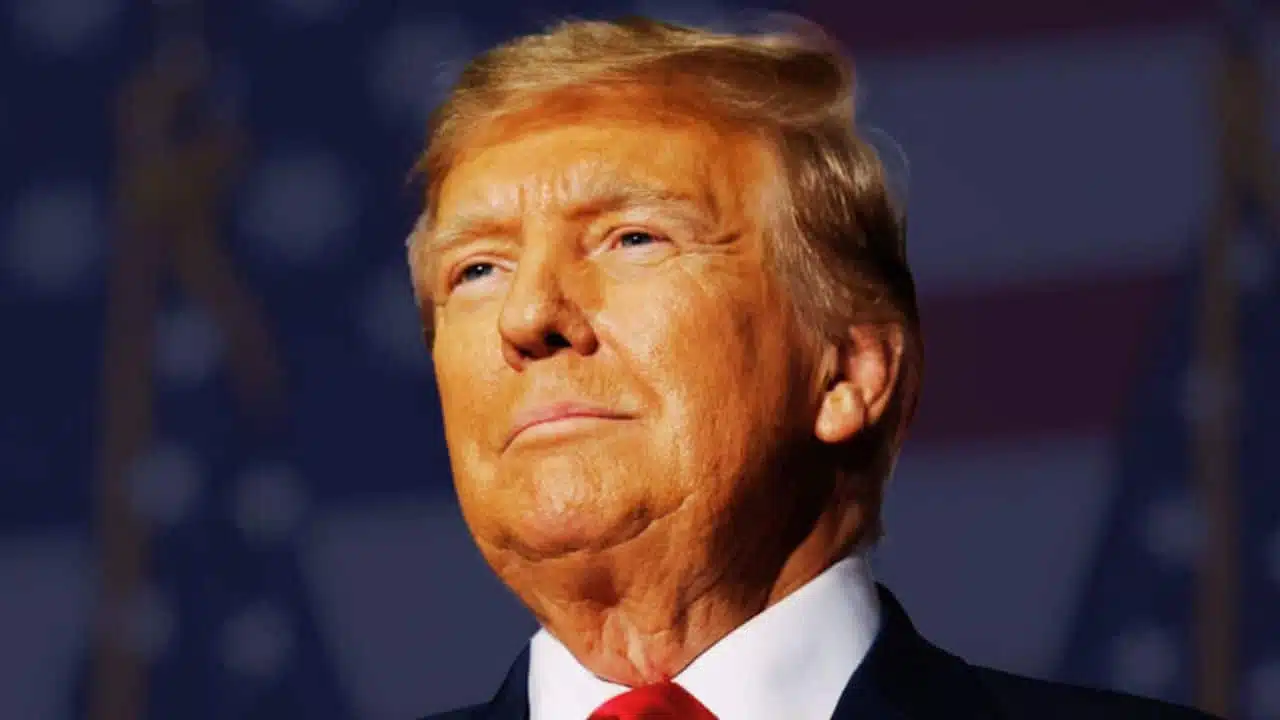
President Donald Trump has escalated pressure on Hamas by issuing what he described as his last warning. He urged the group to accept a U.S.-backed deal that would see the release of hostages still held in Gaza. Trump emphasized that Israel had already signaled its approval of the proposal and insisted that Hamas now faced a critical choice: either agree to the terms and end the war or face consequences.
Trump made it clear that he considered this warning final. For months, he has repeatedly stated that the hostages will only return if Hamas is forced to change course. His latest remarks show a shift from frustration to outright impatience. By portraying the deal as Israel-approved and ready to implement, the U.S. administration is framing Hamas as the sole obstacle preventing resolution.
Background of the Hostage Crisis
The crisis stretches back nearly two years to the October 7, 2023 attacks, when Hamas fighters launched a large-scale assault on southern Israel. Militants stormed border communities, killing more than 1,200 people and seizing over 200 hostages. While some hostages were released during previous ceasefire agreements, dozens remain in captivity.
Intelligence agencies in both Israel and the U.S. believe that about 50 individuals are still being held inside Gaza. Only around 20 of them are assessed to be alive, though confirmation is extremely difficult due to the ongoing conflict. Families of those hostages have campaigned relentlessly in Israel, the U.S., and internationally for their release, intensifying pressure on leaders.
Structure of the U.S. Proposal
According to U.S. envoy Steve Witkoff and Israeli media outlets, the latest proposal is designed to be a comprehensive framework. On the first day of the ceasefire, Hamas would be expected to hand over every remaining hostage—both the living and the deceased. In exchange, Israel would release thousands of Palestinian prisoners, including women, children, and possibly high-profile detainees.
The plan also calls for a complete suspension of Israeli military operations in Gaza. During this pause, negotiators would work toward a broader agreement covering humanitarian aid, border controls, and long-term governance. The American side believes that this structure balances humanitarian concerns with security interests, ensuring families finally receive closure while preventing Hamas from exploiting negotiations indefinitely.
Hamas’ Initial Reaction
Hamas acknowledged receiving the proposal through back-channel mediators. The message was delivered via Gershon Baskin, an Israeli peace activist with longstanding ties to Palestinian groups.
While Hamas did not outright reject the deal, its response highlighted major sticking points. Leaders in Gaza and Doha insisted that any agreement must go beyond the hostage exchange. They are demanding a complete end to the war, full withdrawal of Israeli forces from Gaza, and the establishment of a Palestinian-led administrative authority to govern the territory.
This demand for wider political concessions illustrates the difficulty of achieving a purely humanitarian agreement. For Hamas, the hostages represent leverage not just for prisoner releases but also for shaping the future political landscape of Gaza.
Trump Administration’s Position
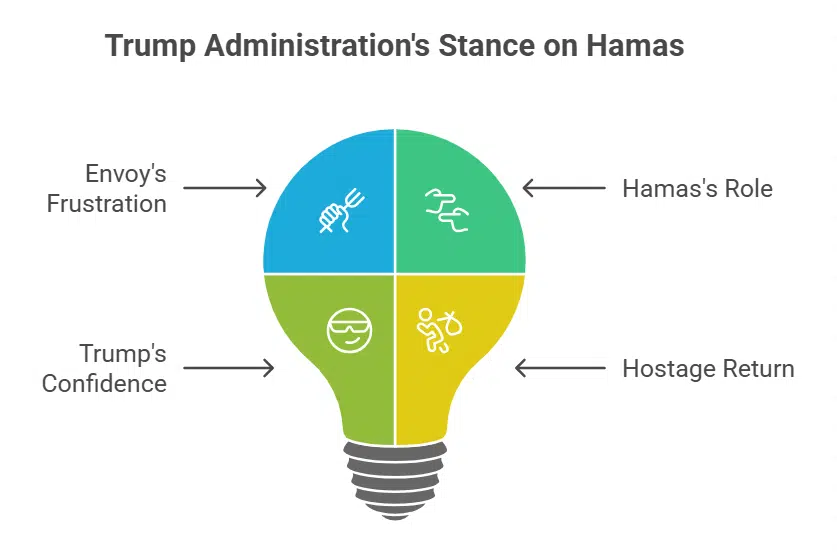
Trump’s team, represented by envoy Steve Witkoff, has expressed deep frustration with Hamas. Witkoff has publicly stated that Hamas is fully responsible for delays and accused the group of negotiating in bad faith. He pointed out that the offer has been on the table for weeks but that Hamas continues to stall.
Trump himself has projected confidence that a deal will be reached soon. In late August, he predicted that the conflict would reach a decisive turning point within two to three weeks. He expressed belief that all hostages, whether alive or deceased, would eventually be returned to their families.
Israel’s Role and Military Context
Israeli Prime Minister Benjamin Netanyahu has repeatedly tied any ceasefire agreement to Israel’s security objectives. His government insists that the war must end only on terms favorable to Israel—terms that guarantee Hamas no longer poses a military threat.
Meanwhile, the Israel Defense Forces (IDF) are preparing for a new escalation in Gaza under the ongoing campaign called Operation Gideon’s Chariots II. Military spokespersons have warned residents in parts of Gaza City to evacuate areas expected to face heavy strikes. Maps distributed by the IDF showed specific buildings targeted for destruction, which they claimed housed Hamas military infrastructure.
Israel’s readiness to expand operations places additional urgency on the hostage negotiations. If Hamas does not agree soon, Israeli offensives are likely to intensify, worsening the humanitarian crisis in Gaza.
Why the Deal Matters
The hostage crisis has become one of the most emotional and politically charged aspects of the war. Families of hostages in Israel have staged continuous demonstrations demanding action. The U.S. administration faces similar pressure from American families whose relatives remain in captivity.
Beyond the human tragedy, the deal represents a rare chance to halt the fighting, even temporarily. Gaza’s humanitarian conditions continue to deteriorate, with shortages of food, medicine, and shelter. A ceasefire tied to a hostage release would not only save lives directly but also open a window for aid delivery and medical evacuations.
What Happens Next
At this stage, all eyes are on Hamas’ leadership. If the group rejects or delays, Trump has signaled that no further offers will be extended, leaving military escalation as the likely outcome. If Hamas accepts, it could pave the way for a fragile but meaningful truce.
Israel remains cautious, balancing the need to recover hostages with its determination to defeat Hamas militarily. The U.S., under Trump’s leadership, is pushing for immediate action, arguing that continued hesitation serves no one.
The coming days will determine whether this ultimatum produces a breakthrough or marks the prelude to another violent phase of the war.
























