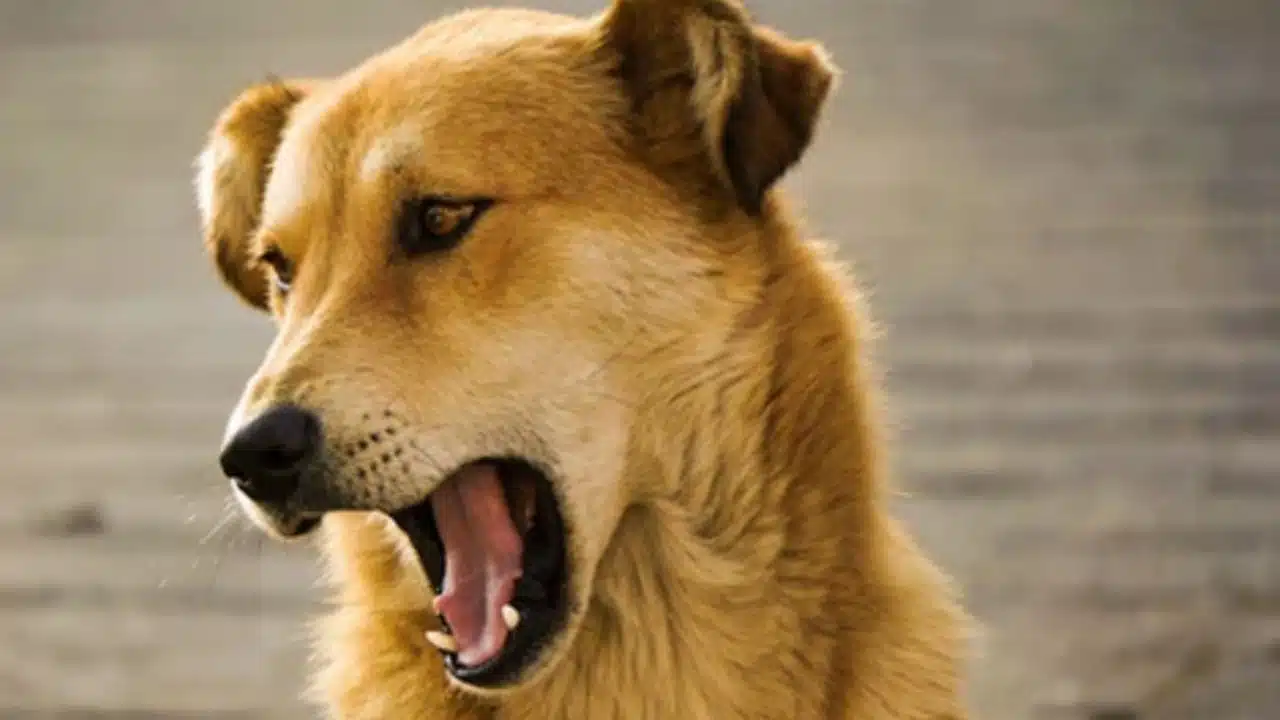
Training collars are essential tools in dog training, especially for managing stubborn or unresponsive dogs. These collars come in various types, including shock, vibration, and citronella, each offering different methods to reinforce commands and behaviors. When used correctly, they can significantly improve communication between the owner and the dog, aiding in effective training. It’s crucial to select the appropriate collar type based on your dog’s temperament and training needs. For those dealing with particularly resistant dogs, identifying the best training collars for stubborn dogs can make a substantial difference in achieving desired training outcomes and fostering a well-behaved companion.
Understanding Stubborn Dog Behavior
Understanding stubborn dog behavior involves recognizing that it often stems from a combination of personality traits, a lack of motivation, or inadequate training methods. Stubborn dogs may resist commands or training efforts due to a strong-willed nature or a preference for their own actions. They might also be unresponsive if they don’t find the rewards or corrections effective. To address this behavior, it’s important to use consistent, positive reinforcement techniques and tailor the training approach to the individual dog’s needs. Patience and persistence are key, as building a strong, trusting relationship with the dog can significantly improve responsiveness and obedience.
Why Some Dogs Are Stubborn
Some dogs are stubborn due to strong-willed personalities, a lack of motivation, or inconsistent training. They may resist commands if they find the rewards insufficient or if they haven’t been properly conditioned. Understanding these factors helps in adapting training methods to better address and modify stubborn behaviors.
The Role of Training Collars
Training collars aid in modifying stubborn behaviors by providing clear, consistent feedback to dogs. They help reinforce commands and correct unwanted actions through various stimulation types, such as vibrations or mild shocks. When used appropriately, training collars can enhance communication and accelerate the training process, improving overall obedience.
Types of Training Collars
Training collars come in several types, each designed to address different training needs. Shock collars deliver a mild electric pulse to correct behavior, making them suitable for dogs that need stronger reinforcement. Vibration collars use gentle vibrations to signal corrections without causing discomfort. Citronella collars release a burst of citronella spray to deter unwanted actions and are often used for barking issues. Lastly, static pulse collars offer adjustable intensity levels, combining elements of shock and vibration. Selecting the right type depends on the dog’s behavior, sensitivity, and training goals. Proper use and understanding of each collar type ensure effective and humane training outcomes.
Static Shock Collars
Static shock collars deliver a mild electric pulse to correct unwanted behaviors, offering adjustable intensity levels for different training needs. They provide immediate feedback, which helps reinforce commands and correct issues. However, they should be used carefully and only as part of a balanced training approach to avoid discomfort.
Vibration Collars
Vibration collars use gentle vibrations to signal corrections without causing discomfort. They are ideal for dogs sensitive to harsher methods and help capture attention during training. By providing a non-invasive cue, vibration collars can effectively reinforce commands and improve responsiveness, making them a humane alternative for behavior modification.
Citronella Collars
Citronella collars emit a burst of citronella spray to deter unwanted behaviors, such as excessive barking. The scent is unpleasant to dogs but harmless, making it a humane alternative to more invasive methods. These collars are effective for addressing specific issues and are especially useful for sensitive or anxiety-prone dogs.
Ultrasonic Collars
Ultrasonic collars emit a high-frequency sound that is unpleasant to dogs but inaudible to humans. This sound discourages unwanted behaviors, such as excessive barking, by capturing the dog’s attention. Ultrasonic collars are a non-invasive, humane option for behavior correction, particularly for dogs sensitive to noise and vibration.
GPS Collars
GPS collars use satellite technology to track a dog’s location in real-time, providing peace of mind for owners concerned about their pet’s whereabouts. They are invaluable for preventing loss and ensuring safety, especially for adventurous or escape-prone dogs. GPS collars do not aid in training but offer crucial tracking capabilities.
Key Features to Look for in Training Collars
When choosing a training collar, consider key features to ensure effectiveness and safety. Adjustable stimulation levels allow customization to suit your dog’s sensitivity and training needs. Look for options with a reliable range to match your training environment. Collars with user-friendly controls and multiple modes (shock, vibration, or sound) offer versatility. Ensure the collar is waterproof and durable for varied conditions. Additionally, prioritize models with a rechargeable battery for convenience and longer use. Comfort is crucial, so choose a collar with adjustable sizing and soft materials. These features collectively enhance the collar’s performance and ensure a positive training experience for your dog.
Adjustable Intensity Levels
Adjustable intensity levels in training collars allow customization of stimulation strength to match your dog’s sensitivity and training needs. This feature ensures that corrections are effective yet comfortable, reducing the risk of causing undue stress. Proper adjustment helps maintain positive reinforcement and ensures a humane, tailored training approach.
Range of the Collar
The range of a training collar determines how far you can effectively communicate with your dog during off-leash activities. A longer range is ideal for outdoor training or large areas, ensuring consistent control. Choosing a collar with an appropriate range ensures your dog remains responsive, even at greater distances.
Durability and Waterproof Features
Durability and waterproof features are essential in training collars, ensuring they withstand regular use and various weather conditions. A durable collar resists wear and tear, while waterproofing protects the device during outdoor activities, rain, or accidental water exposure. These features guarantee reliable performance and longevity, regardless of the environment.
Safety Features
Safety features in training collars, such as automatic shut-off and adjustable intensity levels, protect dogs from overstimulation. Collars with clear indicators for battery life and operation status help prevent misuse. These features ensure humane training, minimizing the risk of injury or distress while promoting effective and controlled behavior correction.
How to Properly Use Training Collars
The correct application of reinforcement collars is essential for successful and respectful modification. To comprehend how the collar works, first review the manufacturer’s guidelines carefully. Commence retraining at the lowest tension level, progressively increasing only when needed to capture the pet’s concentration. Utilize the collar as an additional form of reinforcement rather than as an insult. Sequencing is essential; as unintentional conduct occurs, trigger the collar instantly, then give encouragement or prizes for appropriate answers. Observe the canine’s response to guarantee convenience, and refrain from keeping the collar on for too long. Keep an eye out for any indicators of inflammation or suffering.
Training Tips
Training tips include starting with short, focused sessions to maintain your dog’s attention and gradually increasing the duration. Consistency is key—use the same commands and reward good behavior promptly. Pair training collars with positive reinforcement, like treats or praise, to encourage learning. Patience and persistence will lead to lasting results.
Common Mistakes to Avoid
Common mistakes to avoid include using training collars as a first resort or for punishment, which can cause fear or aggression. Avoid inconsistent use or incorrect timing, as these confuse the dog. Additionally, failing to adjust the intensity level appropriately can lead to discomfort or ineffective training, hindering progress.
Alternative Training Methods for Stubborn Dogs
For stubborn dogs, alternative training methods can complement or replace training collars. Positive reinforcement, such as treats, praise, and toys, encourages desired behaviors by rewarding the dog’s compliance. Clicker training uses a distinct sound to mark correct actions, helping the dog associate the sound with rewards. Consistency in commands and routines is crucial for reinforcing learning. Enrolling in professional obedience classes offers expert guidance and socialization opportunities. Additionally, patience and persistence are key; breaking down commands into smaller, manageable steps can help stubborn dogs gradually understand and follow instructions. These methods foster a strong bond and improve long-term obedience.
Positive Reinforcement
Positive reinforcement involves rewarding desired behaviors with treats, praise, or toys to encourage repetition. This method strengthens the bond between owner and dog, making learning enjoyable and effective. By consistently rewarding good behavior, dogs are motivated to comply with commands and improve overall obedience in a positive, supportive manner.
Professional Training Services
Combination Methods
Combination methods blend various training techniques, such as using positive reinforcement alongside training collars, to address stubborn behaviors effectively. This approach leverages the strengths of each method, enhancing overall training success. By integrating rewards with corrective measures, you can maintain motivation and address issues more comprehensively, ensuring a balanced training experience.
Conclusion
In conclusion, training collars can be valuable tools for managing stubborn dog behavior when used correctly. They offer various features, such as adjustable intensity levels and multiple modes, to address different training needs effectively. However, they should be part of a broader, well-rounded training approach that includes positive reinforcement and consistent commands. Understanding the different types of collars—static shock, vibration, citronella, and ultrasonic—helps in selecting the most suitable option for your dog’s specific requirements.
For those dealing with particularly resistant dogs, identifying the best training collars for stubborn dogs can make a significant difference in achieving training goals. These collars, when used in conjunction with patience and other training methods, can help improve behavior and enhance communication between you and your dog.