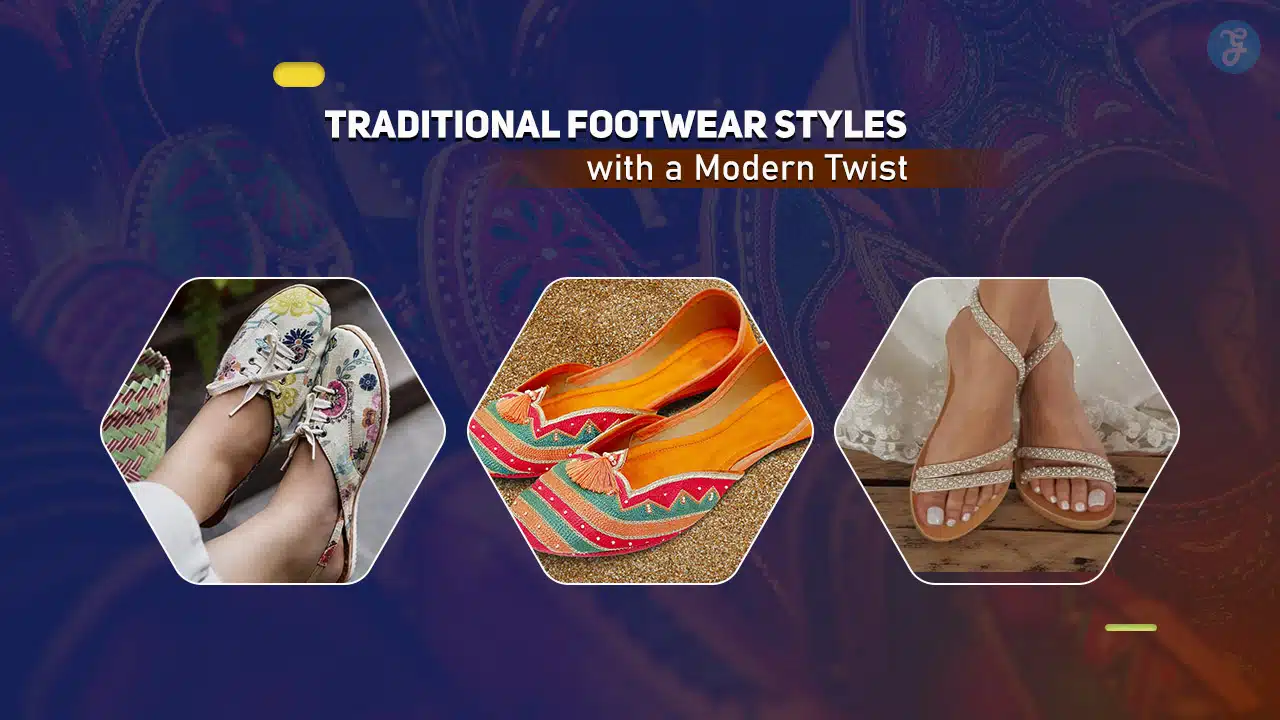
In today’s fashion landscape, heritage and innovation are merging like never before, especially in footwear. Traditional footwear styles are not only fashion statements; they embody the culture, history, and identity of the regions from which they originate.
With the resurgence of cultural appreciation in fashion, these timeless footwear styles are finding a place in contemporary wardrobes, often reimagined with modern elements. This article explores eight iconic traditional footwear styles, delving into their origins, detailing how they’ve adapted over time, and sharing styling ideas to make them a staple in today’s wardrobe.
1. Mojaris (India)
Originating in Northern India, Mojaris are known for their unique pointed-toe designs, often adorned with intricate embroidery, zari work (metallic thread), and bright colors. They were hand-crafted from natural leather and worn by the nobility of India’s Mughal Empire. Each pair was a work of art, often reflecting regional designs and craftsmanship, symbolizing wealth and artistry.
Modern Twist:
Modern Mojaris have expanded beyond leather, embracing materials like synthetic leather and eco-friendly fabrics. Today, designers incorporate bold, contemporary colors and less ornate embroidery to suit modern tastes. Some brands have even made Mojaris with rubber soles, adding comfort for everyday use.
Styling Tips:
To style Mojaris, pair them with traditional Indian attire like kurta-pajamas or sarees for a classic look. For a fusion approach, try wearing them with cropped pants, midi skirts, or even tailored trousers. Their versatility makes them a stylish choice for formal events and casual outings alike.
2. Espadrilles (Spain)
Farmers and workers first wore Espadrilles in 13th-century Spain. Espadrilles are characterized by their breathable canvas uppers and natural jute soles, making them ideal for warm weather. This Mediterranean style quickly became popular across Europe, eventually gaining international recognition.
Modern Twist:
Espadrilles have evolved to include platform versions, closed-toe options, and waterproof materials for enhanced durability. Modern espadrilles are available in leather, denim, or even velvet, allowing for both casual and more upscale wear. Popular brands have incorporated a range of colors, patterns, and even ankle laces, making espadrilles adaptable for diverse occasions.
Styling Tips:
Espadrilles pair beautifully with summer outfits, from flowing dresses to high-waisted shorts and jumpsuits. For a chic look, try wearing them with wide-legged pants or linen trousers. Opt for platform espadrilles to add height, or choose neutral tones to keep the outfit grounded and stylish.
3.Geta (Japan)
Geta, traditional Japanese footwear, consists of wooden sandals raised on two wooden blocks, creating a high platform. Originally designed to protect feet from mud or rain, people typically pair Geta with kimonos and other traditional Japanese garments. The unique “clopping” sound made by the blocks while walking became part of its identity, adding an audio element to the visual appeal of the Geta.
Modern Twist:
Modern Geta-inspired sandals maintain the raised design but incorporate materials like rubber for the base and synthetic straps for comfort. Some brands have also modified Geta to lower the platform height, making it suitable for a broader audience. Colorful and patterned designs on the footbed make Geta-inspired footwear attractive and adaptable to Western styles.
Styling Tips:
For an unconventional look, wear Geta-inspired sandals with cropped pants or minimalist outfits, allowing the footwear to stand out. They also pair well with wide-leg trousers or dresses, especially when balanced with simpler accessories.
4. Brogues (Scotland/Ireland)
Originally designed as functional shoes for outdoor workers, brogues originated from Scotland and Ireland. Their distinctive perforated design, which allowed water to drain from the shoes, became an iconic style element. Over time, brogues have evolved into fashionable footwear, known for their wingtip design and unique texture.
Modern Twist:
Today, brogues are crafted with various materials, such as suede, patent leather, and even metallic finishes, making them adaptable for both casual and formal settings. Modern brogues come in colors like navy blue, olive green, and burgundy, allowing for versatility beyond traditional brown and black.
Styling Tips:
You can dress down Brogues with jeans or chinos for a smart-casual look, but they also add sophistication to a business suit. Pair them with neutral tones to let the Brogues stand out, or wear them with bright socks for a playful twist.
5. Huaraches (Mexico)
Indigenous communities in Mexico have deep roots in the weaving of leather sandals known as huaraches. Historically handmade from leather, these sandals were known for their durability and breathability in hot climates.
Modern Twist:
Contemporary Huaraches have expanded beyond traditional woven designs, featuring new materials like synthetic leather, canvas, and rubber soles for added comfort. Many brands also offer eco-friendly versions that use recycled materials.
Styling Tips:
Perfect for summer, Huaraches work well with lightweight outfits like shorts, linen pants, or flowy dresses. Their earthy, rustic appeal pairs seamlessly with casual attire and beachwear, creating a relaxed, bohemian aesthetic.
6. Clogs (Europe)
Farmers and workers in various parts of Europe traditionally crafted clogs from wood, choosing them for their durability and ease of cleaning. The shoe’s simple, slip-on design and sturdy build made it practical for long hours on rough terrain.
Modern Twist:
Clogs have made a major comeback in fashion, with high-end designers adding contemporary materials like leather, rubber, and soft cushioning to enhance comfort. Modern versions include everything from sleek leather clogs to fashion-forward designs with embellishments and color variations.
Styling Tips:
Clogs add a retro touch to outfits and work well with jeans, midi skirts, or even tailored slacks. For a stylish look, pair them with a cozy sweater and high-waisted jeans, or wear them with a summer dress to add contrast and flair.
7. Jutti (India)
The Jutti is a traditional footwear style popular in Punjab, India, recognized for its flat design and decorative embroidery. Since centuries, both men and women have worn juttis, which frequently have intricate mirror work, beads, and vibrant threads.
Modern Twist:
Contemporary Juttis have diversified with modern, minimalist designs and non-traditional colors, making them suitable for both everyday and formal wear. Some brands offer padded Juttis for added comfort, along with synthetic and vegan leather options.
Styling Tips:
Juttis work well with both traditional outfits like sarees and salwar suits, as well as modern clothing such as jeans, skirts, and even office wear. Their flat structure makes them an easy-to-wear alternative to heels, offering style and comfort.
8. Bast Shoes (Russia/Eastern Europe)
Peasants commonly wore bast shoes, crafted from bast fibers (strips of tree bark) in rural Russia and Eastern Europe. Known for their unique woven pattern, bast shoes were both durable and flexible.
Modern Twist:
With a renewed interest in sustainable fashion, bast shoes have inspired eco-friendly footwear designs made with materials like cotton, linen, and recycled fibers. Some brands are reimagining bast shoes with rubber soles, leather linings, and a variety of natural colors.
Styling Tips:
Bast shoe-inspired designs are ideal for eco-conscious wardrobes. They add a rustic touch to minimalist outfits and work well with flowy dresses, wide-leg pants, or earthy-toned ensembles, creating a balanced and harmonious look.
Conclusion
Footwear often tells the story of a culture, preserving centuries-old practices and craftsmanship. Traditional footwear styles like Mojaris, Espadrilles, Geta, Brogues, Huaraches, Clogs, Juttis, and Bast shoes reflect the art and ingenuity of their cultures. Today’s reinventions bring them into the modern world, making these styles accessible, comfortable, and versatile.
With a touch of creativity and respect for heritage, anyone can incorporate these classic designs into their wardrobe. So, the next time you slip into a pair of reimagined traditional shoes, remember you’re wearing a piece of history—one that beautifully blends the old with the new.