

If you’re in industries like manufacturing, food and beverage processing, wastewater treatment, or chemical processing, you’ve probably heard about diaphragm pumps. But what exactly are they, and why should you care?
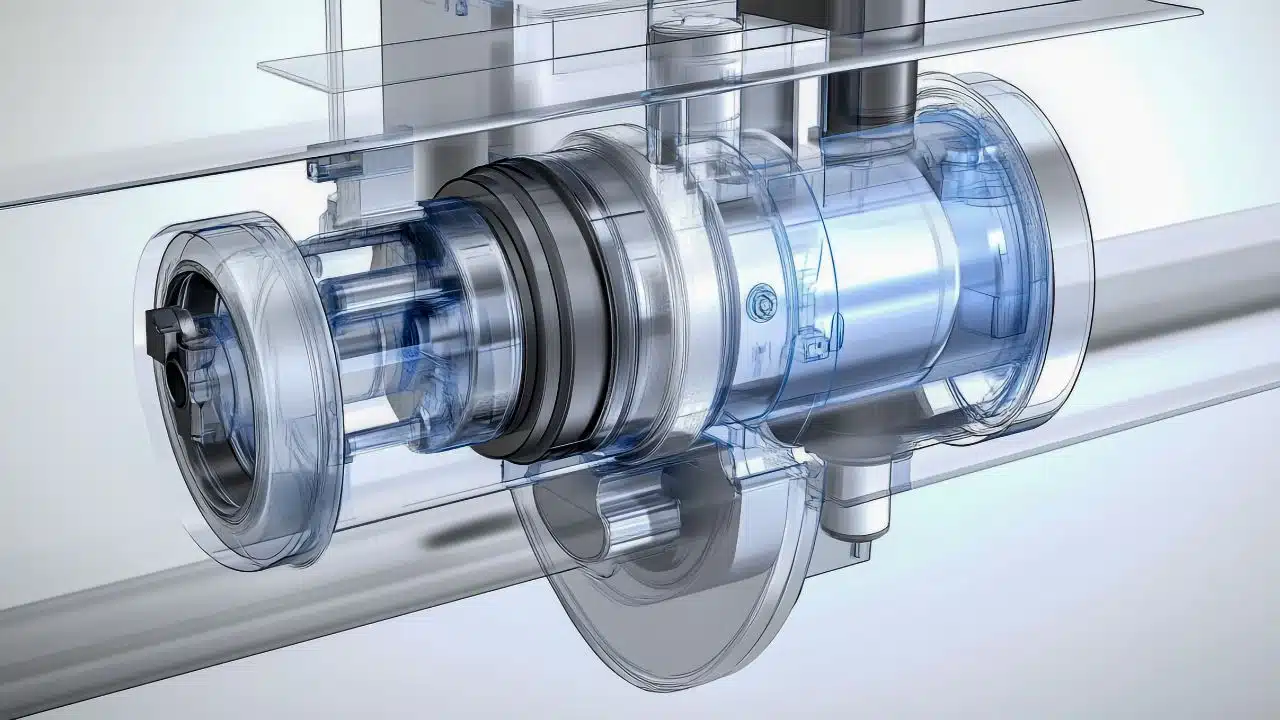
In simple terms, a diaphragm pump is a type of positive displacement pump that moves fluids using a flexible diaphragm. Instead of relying on impellers or gears, it uses a back-and-forth motion to create compressed air pressure. This makes it highly efficient for tough jobs requiring reciprocating action.
But why choose a diaphragm pump over other options? This post will look into eight key benefits that make these pumps a smart choice for many applications.
1. They Handle Tough, Viscous Fluids with Ease
Diaphragm pumps aren’t picky. Whether you’re dealing with thick sludge, abrasive slurries, or corrosive chemicals, they get the job done. The diaphragm’s vacuum pump design prevents direct contact between the fluid and internal mechanics. This reduces the wear and tear associated with fluid transfer.
Unlike centrifugal pumps that struggle with high-viscosity liquids, diaphragm pumps maintain steady flow rates even with challenging fluids.
Indeed, diaphragm pumps are very useful. Want to learn more about how they can help you and your processes? You can visit informative resources like knf.com/en/us and others to find out more.
2. They are Self-Priming for Quick Startup
Ever dealt with a pump that refuses to prime? Diaphragm pumps eliminate that headache. Their self-priming ability means they can draw fluid even when dry, saving you time and frustration.
This feature is especially useful in applications where the pump isn’t always submerged, like dewatering or transferring liquids from drums.
3. They Offer Leak-Free Operation
Worried about leaks? Diaphragm pumps seal fluids inside, preventing spills and contamination. Since the diaphragm acts as a barrier, there’s no risk of fluid escaping through seals or glands—common issues in other pump types.
This makes them ideal for hazardous or expensive fluids where leaks could be costly or dangerous.
4. They are Highly Energy Efficient
Diaphragm pumps use compressed air or minimal electric power to move the diaphragm, requiring less energy than traditional pumps. Their efficient design means lower operational costs, especially in continuous-use scenarios.
Plus, since double diaphragm pumps and the like don’t rely on impellers for suction lift, there’s no energy wasted on overcoming friction in highly viscous liquids and other applications.
5. They Can Run Dry without Damage
Many pumps fail if they run dry, but diaphragm pumps can handle it. Because there’s no internal metal-to-metal contact, they won’t overheat or seize up when fluid isn’t present.
This durability and pressure capabilities reduce downtime as well as maintenance costs, making them a reliable long-term investment.
6. They Provide Precise Flow Control
Need consistent, adjustable flow rates? Tired of flow rate restrictions in your operations? Diaphragm pumps let you fine-tune output by adjusting air pressure or stroke speed. This precision is crucial in industries like food processing, pharmaceuticals, and chemical dosing.
Unlike centrifugal pumps, which lose efficiency at varying pressures, diaphragm pumps maintain accuracy.
7. They are Low Maintenance and Long-Lasting
Fewer moving parts mean fewer breakdowns. Diaphragm pumps have a simple design, so maintenance usually involves just checking the diaphragm and valves.
Since there’s no direct contact between the fluid and mechanical components, corrosion and wear are minimized, extending the pump’s lifespan.
8. They Work in Multiple Orientations
Unlike some kinds of industrial pumps that need strict mounting positions, diaphragm pumps can operate horizontally, vertically, or even upside down when they’re dealing with abrasive substances. This flexibility makes them perfect for tight or unconventional spaces.
Whether you’re mounting them on a truck, inside a tank, or in a cramped industrial setup, your diaphragm paup will adapt effortlessly in whatever position you put it and get the job done effectively.
Top Industrial Applications of Diaphragm Pumps
Diaphragm pumps are utilized in various sectors. They range from wastewater management to drug making.
Wastewater treatment facilities make use of diaphragm pumps to handle thick sludge, chemicals, and abrasive fluids. Those in the mining and construction sector also find them useful when pumping slurries, mud, and dewatering sites.
Aside from that, chemical processing companies can take advantage of diaphragm pumps’ capabilities to safely transfer acids, solvents, and corrosive liquids. Food and beverage processing plants can also use them for the hygienic pumping of syrups, dairy, and oils.
Finally, precise, contamination-free liquid handling is needed in drug making. Luckily, diaphragm pumps can do just that.
To Conclude
Diaphragm pumps bring durability, efficiency, and versatility to fluid handling. From handling harsh chemicals to running dry without damage, they outperform many traditional pumps.
If you need a reliable, low-maintenance solution for tough jobs, a diaphragm pump might be exactly what you’re looking for. Ready to upgrade your system? Now you know why this pump could be the perfect fit.





















