


The majority of billionaires have a lengthy family legacy of wealth and renown to draw from. Consider creating billions of dollars from the ground up. Ten millionaires who had nothing at first are listed here.
Oprah Winfrey

Oprah Winfrey grew up in the 1950s in the segregated state of Mississippi, where she was born into poverty. She ultimately relocated to Nashville, where she obtained a scholarship to attend Tennessee State University and became an honor student. Following graduation, she relocated to Chicago to host her own chat show before becoming the first black female news anchor in Nashville. Winfrey was subsequently able to grow her media empire into TV networks and publications as a result of this show’s increasing success. Oprah Winfrey is regarded as one of the most significant businesswomen of her day and is currently valued at $2.5 billion.
Steve Bisciotti
The Allegis Group was co-founded by Steve Bisciotti. He was raised in an Italian-American working-class home and earned a liberal arts degree from college. He and his cousin soon formed the Allegis Group, which he started operating out of his basement. The company brought in $1.5 million in its first year of business. Since then, the business has expanded to dominate its industry, and Bisciotti has acquired the Baltimore Ravens football team.
Howard Schultz
Starbucks’ chairman and CEO is Howard Schultz. He was raised in an impoverished housing development and yearned to get out of it. He received a football scholarship to college, and after graduating, he took over the little coffee business known as “Starbucks” and built it into a multibillion-dollar international brand. Now, he has a $4 billion net worth.
Ralph Lauren
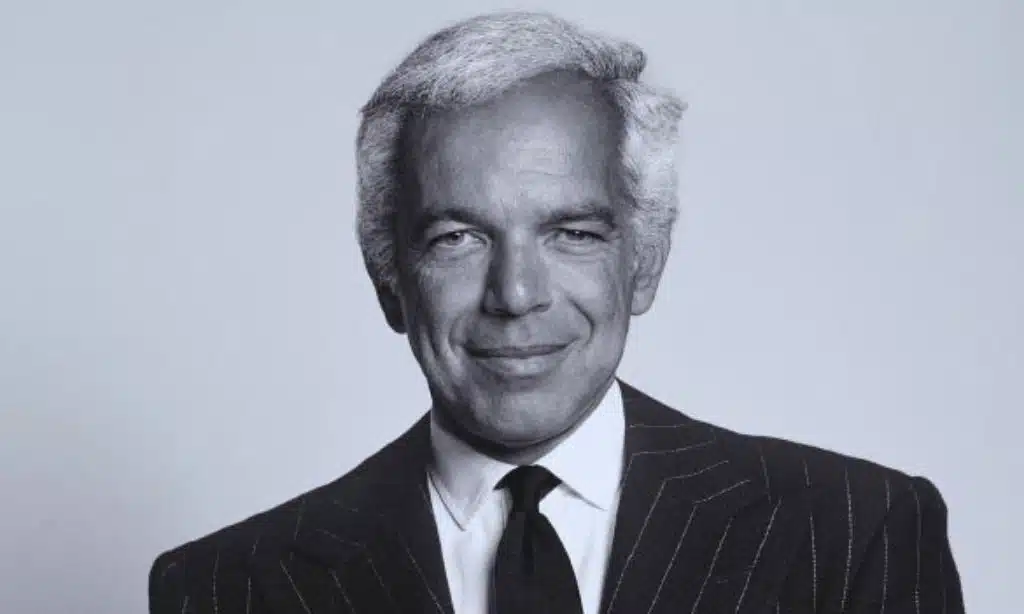
Ralph Lauren grew up in the Bronx with parents who were immigrants. After dropping out of college, he enlisted in the army and soon after was promoted to Brooks Brothers’ clerk before becoming a salesperson for the company. He used rags to make his own ties, which he sold to local businesses. After starting his own necktie business under the “Polo” brand, he is thought to be worth $6.7 billion. This was more than 50 years ago.
François Pinault
Raised in impoverished circumstances, François Pinault left high school due to persistent harassment from his peers. He started off working in the timber industry with his father, but he soon made the transition to retail fashion. After rising through the ranks in the corporate sector, he founded Artemis S.A., a business that currently owns, among other things, Samsonite luggage and Converse shoes. With a net worth of more than $42 billion, he is regarded as one of the richest men in France and the owner of one of the greatest art collections in the world.
John Paul Dejoria
The co-founder of the Paul Mitchell hair care company, John Paul DeJoria, was raised in a foster home and started selling Christmas cards and newspapers to help his family out. He lived out of his car and worked as a door-to-door salesman and janitor. Having gone on to co-found several billion-dollar companies, he currently has a $4 billion net worth.
Ken Langone
The co-founder of the retail store Home Depot is Ken Langone. He came from a blue-collar family and needed his parents to take out a second mortgage on their home in order for him to go to college. After graduating, he put money aside for two years, teamed up with Bernard Marcus, and launched Home Depot. He currently has a $3.7 billion net worth.
Read More: Top 10 Richest Men in the World
Larry Ellison
Oracle is one of the biggest companies in the world. It was founded by Larry Ellison. Raised by his aunt and uncle, he left college early to relocate to California. Eight years of odd jobs later, Ellison had amassed enough capital to launch Oracle in 1977. Ellison’s $103 billion net worth currently ranks him among the richest men in the world.
David Murdock

Murdock was raised by a mother who worked as a housekeeper to help the family make ends meet and a father who was a salesman who traveled frequently. Currently, he serves as the chairman and CEO of the international agricultural company Dole Foods, and his estimated net worth is $3.4 billion.
Harold Hamm
The corporate magnate was raised in a home where his parents were sharecroppers, and Hamm tried to support his family by working as a mechanic and gas pumper. He continued in the oil and gas industry, rising to become the chairman of Continental Resources and reputedly having a net worth of over $25 billion.






















