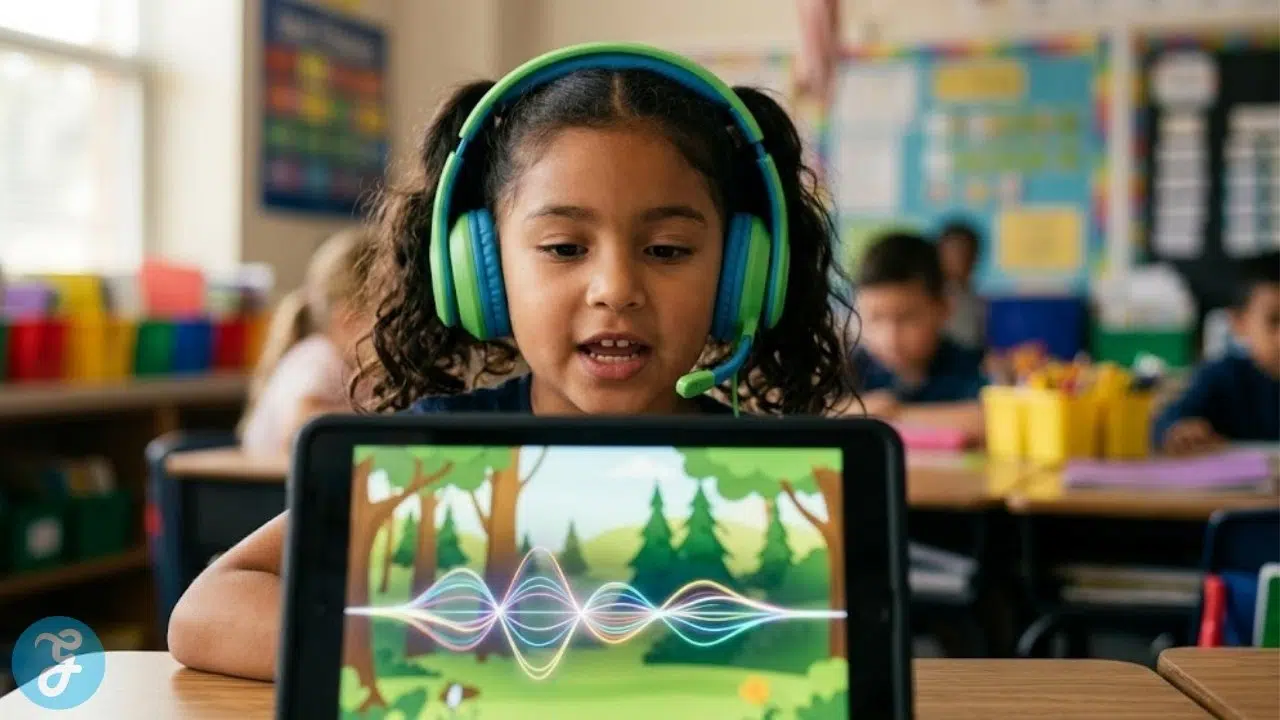
Mastering foundational reading skills requires highly targeted intervention, yet many schools and parents find themselves reliant on mass-market educational conglomerates that prioritize broad content over specific, diagnostic instruction. Moving away from these publishing giants reveals a dedicated network of Small and Medium-sized Enterprises (SMEs) across the United States focused entirely on the Science of Reading. These independent software developers and non-profits build highly specialized tools that diagnose phonetic gaps, build fluency, and encourage deep comprehension without harvesting unnecessary student data.
How We Selected Our 10 Best SMEs for Reading and Literacy Apps in USA
Finding independent developers that genuinely improve literacy rates requires filtering out superficial storybook apps and focusing on pedagogically sound software. We evaluated American studios against strict criteria to ensure they deliver measurable reading interventions.
-
Geographic Baseline: Headquartered and operating strictly within the United States as independent organizations or registered non-profits.
-
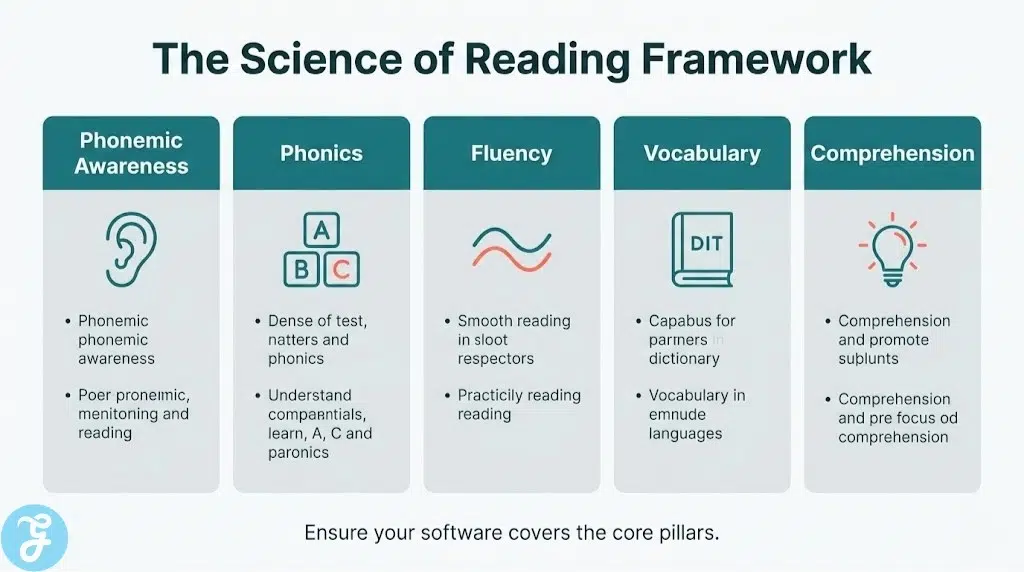
Pedagogical Alignment: Content rooted in evidence-based literacy practices, specifically focusing on phonemic awareness, phonics, fluency, vocabulary, and comprehension.
-
Privacy and Safety: Zero reliance on third-party advertisements and strict compliance with student data protection regulations.
-
Measurable Outcomes: Platforms that provide actionable diagnostic data to parents and educators rather than just tracking time spent on the screen.
Understanding these criteria sets the standard for the specific tools required to build strong readers.
Evaluating the Top 10 Reading and Literacy Apps in USA
The following independent organizations are actively shifting how phonics and reading comprehension are delivered through digital mediums. Here is our curated breakdown of the standout studios driving literacy forward.
1. Reading Horizons
Based in Kaysville, Utah, Reading Horizons builds specialized digital software designed to teach explicit phonics to both early learners and older students requiring intervention. Their Discovery and Elevate platforms use a unique marking system that helps students visually break down multi-syllabic words. They excel at providing foundational instruction to older students without using childish graphics.
Best for:
-
Providing explicit phonics intervention for older students and adult learners.
Why We Chose It:
-
The proprietary marking system demystifies complex English spelling rules.
-
The “Elevate” platform completely avoids the cartoonish aesthetics that alienate older struggling readers.
-
Highly effective for English Language Learners (ELL).
Things to consider:
-
The marking system requires an initial learning curve to understand the specific notations.
The 2026 Edge:
-
Streamlined digital marking tools that allow students to annotate words directly on touchscreen devices.
Just as explicit phonics requires structured software, widespread curriculum access requires evidence-based foundations.
2. ReadWorks
Brooklyn-based ReadWorks is a non-profit delivering a massive, free library of reading comprehension texts aligned to core standards. The platform allows educators to assign articles, vocabulary tasks, and comprehension questions digitally. It features a unique system providing the exact same article at different reading levels to accommodate entire classrooms.
Best for:
-
Supplying differentiated non-fiction texts for reading comprehension practice.
Why We Chose It:
-
The text library is meticulously curated and highly relevant to modern classrooms.
-
Built-in audio functionality allows struggling readers to hear the text read aloud.
-
Completely free for educators, supported entirely by donations and grants.
Things to consider:
-
The interface is highly academic, prioritizing text delivery over game-based interactions.
The 2026 Edge:
-
Advanced cross-curricular tagging that matches reading passages directly to a school’s science or social studies pacing guide.
3. Heggerty (Digital Tools)
Originating from Oak Park, Illinois, Heggerty is a foundational pillar in phonemic awareness instruction. While traditionally a print-based curriculum, their newer digital platform provides interactive video lessons and digital assessments that track a student’s ability to manipulate sounds in spoken words. It ensures the auditory foundation of reading is completely solid.
Best for:
-
Assessing and building phonemic awareness through targeted auditory drills.
Why We Chose It:
-
Widely considered the gold standard for phonemic awareness instruction.
-
Digital tools simplify the complex process of tracking oral language skills.
-
Short, highly energetic lessons maintain student engagement.
Things to consider:
-
Focuses entirely on the auditory components of reading, serving as a prerequisite to full phonics.
The 2026 Edge:
-
New diagnostic tools that can differentiate between a true phonemic deficit and a speech articulation issue.
For older students still struggling with decoding, remedial platforms must respect their maturity.
4. Footsteps2Brilliance
Also operating out of Washington, D.C., Footsteps2Brilliance provides a bilingual early literacy platform designed to close the vocabulary gap before kindergarten. Their software is unique because it allows entire cities or school districts to provide free access to all families within their zip code. The interactive digital books toggle seamlessly between English and Spanish.
Best for:
-
City-wide literacy initiatives and supporting dual-language early learners.
Why We Chose It:
-
Groundbreaking enterprise model that expands access to entire communities.
-
Seamless English-to-Spanish toggling supports ELL students and their parents.
-
Highly interactive storybooks that emphasize early vocabulary building.
Things to consider:
-
Primarily utilized through district or city contracts rather than individual parent subscriptions.
The 2026 Edge:
-
Enhanced offline functionality ensuring families in low-connectivity areas maintain full access.
For families seeking explicit phonics instruction without financial barriers, dedicated non-profits offer direct solutions.
5. Reading Bear
Reading Bear is a free, US-based non-profit project focused entirely on teaching beginning readers vocabulary and phonics. The platform strips away all distracting games to deliver straightforward, systematic phonics presentations. It breaks down phonetic rules using clear video examples, making it an excellent remedial tool for early readers.
Best for:
-
Free, systematic phonics instruction focusing entirely on decoding and vocabulary.
Why We Chose It:
-
Completely free and entirely devoid of advertisements.
-
Focuses on explicit phonics rules rather than guessing strategies.
-
Clean, distraction-free interface ensures maximum time on task.
Things to consider:
-
The visual presentation is highly functional but lacks modern, high-end animation.
The 2026 Edge:
-
Upgraded pacing algorithms that prevent fatigue by automatically suggesting breaks during intensive phonics drills.
When a digital tool needs human interaction to succeed, synchronous platforms bridge the gap.
6. BookNook
Based in Oakland, California, BookNook built a synchronous reading platform designed to facilitate live, guided reading sessions. The software connects a student and a tutor in a shared digital environment where they read the exact same text simultaneously. It provides the tutor with real-time prompts and questions to ensure the student is actively comprehending the material.
Best for:
-
Facilitating live, synchronous reading interventions between tutors and students.
Why We Chose It:
-
Exceptionally well-designed shared screen experience specifically built for guided reading.
-
Provides structured lesson plans directly to the tutor during the session.
-
Highly effective for schools managing remote or hybrid tutoring programs.
Things to consider:
-
It is a facilitation tool requiring a live human tutor, not a standalone automated app.
The 2026 Edge:
-
Integration of advanced scheduling tools that automatically match students with tutors based on phonetic needs.
Scaling that human-led intervention is the exact focus for specialized remote phonics clinics.
7. Ignite Reading
San Francisco’s Ignite Reading pairs specialized software with live, daily, 15-minute virtual tutoring sessions. They focus strictly on the Science of Reading, utilizing their platform to deliver high-dosage, foundational phonics instruction over Zoom. The platform tracks daily micro-progress, ensuring students reach decoding automaticity before moving to complex texts.
Best for:
-
High-dosage, daily virtual phonics tutoring strictly aligned with the Science of Reading.
Why We Chose It:
-
Relies on highly trained human instructors backed by rigorous data tracking.
-
The 15-minute daily model prevents burnout while ensuring consistent intervention.
-
Rapidly closes decoding gaps for early elementary students.
Things to consider:
-
The service represents a significant investment typically utilized by school districts rather than individual parents.
The 2026 Edge:
-
Enhanced real-time dashboard reporting that gives classroom teachers instant visibility into the virtual tutoring sessions.
While explicit decoding is the foundation, capturing student thoughts on text is the ultimate goal of reading instruction.
8. Whooo’s Reading
Located in San Diego, California, Whooo’s Reading shifts the focus away from multiple-choice tests and encourages higher-order thinking through open-ended writing prompts. The platform uses artificial intelligence to analyze written responses to reading assignments, providing immediate feedback on comprehension and writing mechanics.
Best for:
-
Encouraging deep reading comprehension through guided, open-ended writing responses.
Why We Chose It:
-
Forces students to articulate their thoughts rather than just guessing options.
-
The proprietary scoring engine saves educators immense grading time.
-
Integrates seamlessly with whatever physical books or digital texts the students are already reading.
Things to consider:
-
Younger students who struggle with keyboarding may find the written responses challenging.
The 2026 Edge:
-
Advanced sentiment analysis that helps identify if a student is genuinely connecting with the reading material.
For completely unguided reading practice, digital libraries need highly engaging environments.
9. Just Right Reader
Operating out of San Francisco, Just Right Reader focuses on the Science of Reading by delivering highly controlled, physical decodable books paired with a specialized digital platform. Parents scan a code on the physical book to access short, digital video lessons in English or Spanish that teach the exact phonics rule needed to read that specific text.
Best for:
-
Bridging physical decodable books with targeted digital phonics instruction.
Why We Chose It:
-
Perfectly aligns with modern Science of Reading research.
-
Gets children off screens for the actual reading process while using technology for instruction.
-
Highly supportive for parents who don’t have a background in teaching phonics.
Things to consider:
-
Requires the purchase of their physical book sets to utilize the digital platform effectively.
The 2026 Edge:
-
New interactive video branching that allows students to practice blending sounds before opening the physical book.
Sometimes, early readers just need a highly focused, distraction-free app to practice blending.
10. Rhyme to Read
Based in Washington, D.C., Rhyme to Read was developed by two reading specialists to provide a highly systematic, digital phonics program. The app focuses exclusively on teaching word families and sight words through a series of carefully scaffolded digital books. It uses color-coding to help young readers visually identify phonetic patterns.
Best for:
-
Early readers needing highly scaffolded, color-coded phonetic instruction.
Why We Chose It:
-
Developed directly by experienced educators, not software engineers.
-
The color-coding system is incredibly effective for visual learners.
-
Extremely clean, intuitive interface designed for absolute beginners.
Things to consider:
-
The scope is limited strictly to early phonics, meaning students will eventually outgrow the platform.
The 2026 Edge:
-
Enhanced auditory feedback that highlights individual phonemes as they are spoken aloud.
When explicit phonemic awareness is required, specialized auditory platforms become essential.
An Overview of Reading and Literacy Apps in USA
To simplify your decision-making process, reviewing these core metrics side-by-side provides a clear snapshot of the digital learning landscape.
Overview Comparison
Reviewing this breakdown clarifies the specific focus and delivery methods of each independent studio.
| SME Developer | Headquarter Location | Core Focus Area | Delivery Model |
| Amira Learning | San Francisco, CA | AI Reading Fluency | District / Paid |
| eSpark Learning | Chicago, IL | Differentiated Pathways | Freemium |
| CommonLit | Washington, D.C. | Comprehension Library | Free (Non-Profit) |
| Footsteps2Brilliance | Washington, D.C. | Bilingual Early Literacy | Enterprise / City |
| Reading Bear | USA | Phonics Basics | Free (Non-Profit) |
| BookNook | Oakland, CA | Synchronous Tutoring | District / Paid |
| Ignite Reading | San Francisco, CA | Virtual Phonics Tutors | District / Paid |
| Whooo’s Reading | San Diego, CA | Written Comprehension | Freemium |
| LightSail Education | New York, NY | Adaptive Digital Library | Paid Subscription |
| Just Right Reader | San Francisco, CA | Decodables & Video | Physical / Digital |
| Rhyme to Read | Washington, D.C. | Early Word Families | Paid App |
| Heggerty | Oak Park, IL | Phonemic Awareness | Paid Platform |
| Reading Horizons | Kaysville, UT | Explicit Phonics Intervention | Paid Subscription |
| Waterford.org | Sandy, UT | Evidence-Based Readiness | Free / Program |
| ReadWorks | Brooklyn, NY | Differentiated Texts | Free (Non-Profit) |
Evaluating these distinct approaches naturally brings us to our primary recommendations for standard use cases.
Our Top 3 Picks and Why?
Narrowing down the field, three developers stand out for their exceptional contribution to literacy. Amira Learning represents the pinnacle of AI-driven fluency assessment, acting as an incredibly accurate digital reading tutor. ReadWorks provides an unmatched, completely free library of differentiated texts crucial for building strong comprehension skills. Finally, Reading Horizons offers the most robust, respectful phonics intervention platform designed specifically for older students who have fallen behind.
How to Choose the Right Reading and Literacy Apps in USA by Yourself?
Selecting the right digital tools for your classroom or child requires matching the software to their specific stage of reading development. Reviewing these key factors will ensure a positive and effective implementation.
The Selection Framework:
- Identify the Missing Skill: Determine if the student struggles with hearing sounds (phonemic awareness), decoding letters (phonics), reading smoothly (fluency), or understanding meaning (comprehension).
- Assess the Interface: Ensure the navigation matches the user’s age—early readers need simple, visual interfaces, while older students require distraction-free, mature platforms.
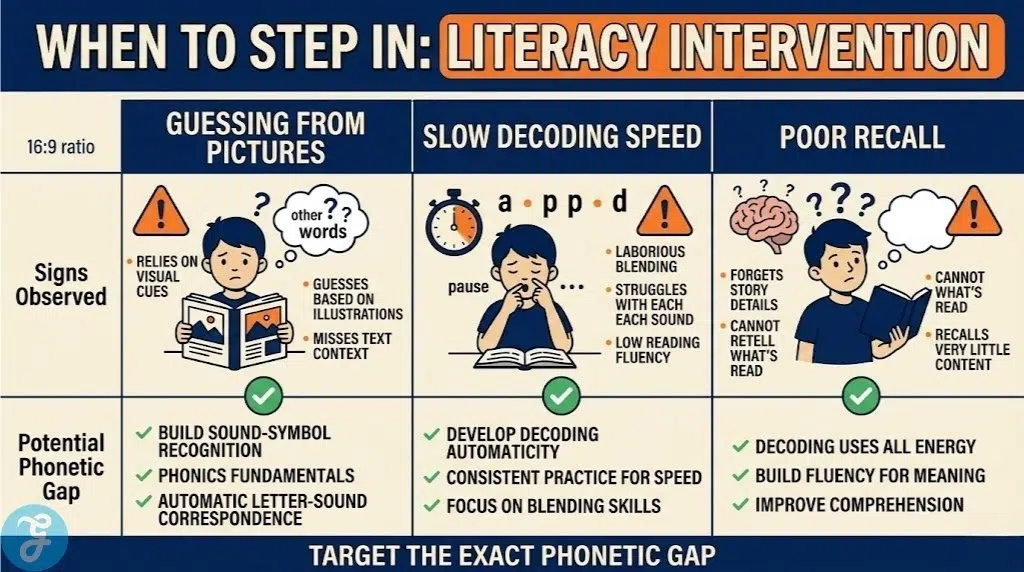
- Check the Methodology: Ensure the software strictly adheres to the Science of Reading, prioritizing explicit phonics instruction over outdated “three-cueing” or guessing strategies.
- Evaluate the Data: Ensure the teacher or parent dashboard provides actionable phonetic insights rather than just arbitrary points or scores.
Applying this framework directly to your specific needs allows you to match the right developer to your student using the metrics below.
Decision Matrix
Matching your specific priorities with the right developer ensures a successful digital learning environment.
| Choose This SME… | If You Prioritize… |
| Heggerty or Reading Bear | Establishing absolute foundational phonemic awareness and basic decoding. |
| Amira Learning or Ignite Reading | Real-time fluency correction and high-dosage phonetic intervention. |
| ReadWorks or CommonLit | Free, high-quality texts designed to build deep reading comprehension. |
| Reading Horizons | Explicit phonics remediation for older middle or high school students. |
Before implementing any new literacy software into a primary classroom, it is crucial to run through a rapid usability check.
The Final Checklist
Running through this quick verification process guarantees you are utilizing safe, effective software.
-
Verify the developer holds strict privacy certifications and does not sell minor student data.
-
Ensure the reading level of the interface matches the target grade level, particularly for older struggling readers.
-
Test the platform’s speech recognition capabilities (if applicable) to ensure it understands the student’s specific regional dialect.
-
Confirm that the digital lessons map directly to evidence-based Science of Reading principles.
-
Check that audio instructions or text-to-speech tools are available to support independent navigation.
Securing Strong Phonics Foundations and Reading Fluency
Choosing software from independent American developers ensures that your literacy tools are built to support evidence-based pedagogy rather than broad corporate engagement metrics. These fifteen SMEs demonstrate that educational technology, when built responsively and respectfully, serves as an incredibly powerful assistant for educators striving to turn every student into a fluent, confident reader.
Frequently Asked Questions (FAQs) About Reading and Literacy Apps in USA
1. Do these literacy platforms replace traditional physical books?
No digital application can entirely replace the experience of holding and navigating a physical text. These platforms are designed to be highly targeted supplemental tools that provide immediate phonetic feedback and diagnostic data, which prepares students to successfully read physical books independently.
2. Why is the “Science of Reading” so important when choosing software?
The Science of Reading is a vast body of scientifically based research confirming that children learn to read best through explicit, systematic phonics instruction. Software that relies on older methodologies—like encouraging students to guess a word based on a picture—can actually reinforce poor reading habits and hinder long-term fluency.
3. Can parents use these platforms at home, or are they strictly for schools?
While specialized platforms like Amira Learning and Ignite Reading are often purchased via district contracts, many of the SMEs listed offer direct-to-consumer family plans. Non-profits like ReadWorks and Reading Bear are completely accessible for parents looking to support literacy outside of school hours.
4. How does speech recognition software handle different childhood accents?
High-quality platforms like Amira Learning specifically train their AI models on thousands of hours of diverse childhood speech patterns and regional dialects. This ensures the software accurately identifies a true decoding error rather than penalizing a student for a regional pronunciation.
5. How much time should an elementary student spend on these reading apps daily?
Best practices suggest limiting targeted educational screen time to brief, highly focused sessions to prevent fatigue. For specific skills like phonetic decoding or oral fluency practice, 15 to 20 minutes a day is highly effective for driving measurable academic growth.