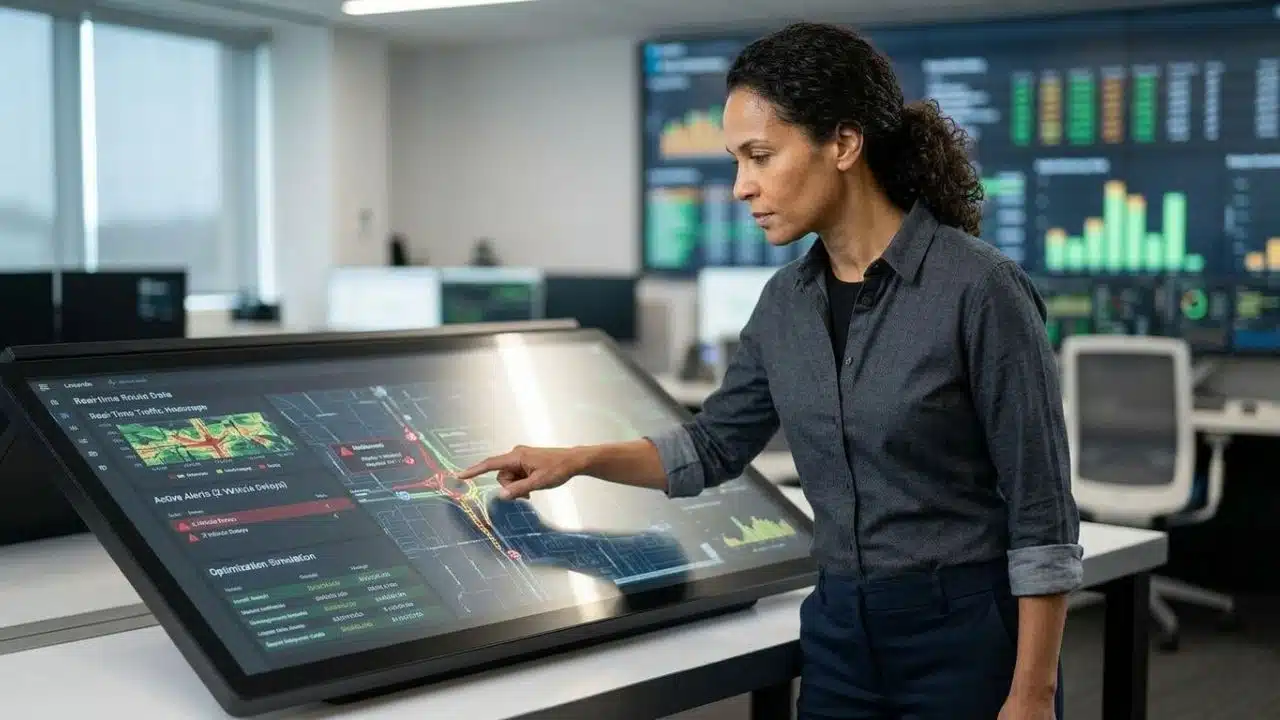
Your fleet sits idle. Vehicles break down with no warning. Drivers waste gas on bad routes. Every single day, you lose money because you can’t see what happens on the road. Most fleet managers face this same problem. They don’t have real-time data about their trucks and cars. They guess instead of using facts. This costs them thousands of dollars each month.
Telemetryczny changes all that. Think of it as a system that sends measurements from far away. Special devices collect data from your vehicles. Then they send this data to your computer or phone right away. This happens through wired or wireless connections.
Your vehicles become smart data collectors. Sensors track how well they run. Modules send this information to you instantly. Now you control your whole fleet from one place.
This article shows you how Telemetryczny works step by step. You’ll learn about telemetry modules. These are small devices that capture data about how vehicles perform and how drivers behave. You’ll discover telemetria solutions that make your business run better.
Fleet operators use these tools to plan better routes. They watch their vehicles in real time. They track driver habits too. Companies in Europe, the Americas, Asia, and Africa trust these systems every day.
When you finish reading, you’ll know how to use these tools in your own business. Ready to stop losing money?
Telemetry Modules Overview
Telemetry modules are like the brain of data collection systems. They capture real-time information from vehicles, factory equipment, and connected devices. These modules send important data through wireless networks, GPRS technology, and cell phone systems. This gives you complete control over your operations.
How Do Telemetry Modules Capture and Transmit Data in Real-Time?
Telemetry modules work like digital reporters at your job site. They grab data from sensors and devices. Then they send that information through wireless networks right away. MT telemetry modules use GSM or GPRS technology to move data across mobile networks. GSM is like a cell phone network. GPRS is a way to send data packets over that network.
These systems start working as soon as you turn them on. They don’t need any commands from you. Data flows from the module to central systems or cloud servers. The information travels through copper wires, fiber optics, or wireless signals. Cloud servers are computers on the internet that store your data.
The MT-020 module offers three main features. It monitors your equipment. It controls different functions. It logs all the data for later use. This module has multiple power input options, so it keeps working even if one power source fails.
Real-time car diagnostics happen through the IMOD X1000. This is a multi-channel streaming module. It tracks vehicle performance all the time. “Multi-channel” means it can watch many things at once, like engine temperature, speed, and fuel use.
Distance doesn’t matter with these transmissions. Your data reaches its destination whether the source is next door or across the country. The signals travel just like cell phone calls do.
Fleet managers benefit greatly from this speed. MetricsBox systems use GSM or LTE connectivity. LTE is a fast wireless technology, like 4G on your phone. These systems keep running smoothly even in tough conditions.
Alerts pop up instantly when problems occur. Your team can respond fast. The CMB-03 module runs on battery power. It can work for up to three years on scheduled transmissions. Scheduled transmissions mean it sends data at set times to save battery.
Wireless packet data technology does the hard work. It moves information through mobile networks without stopping. Operators get access to collected data right away. This information helps them make smart decisions.
This constant flow of information means you catch problems early. You prevent costly breakdowns. Your fleet or factory systems keep running smoothly.
How Can Telemetry Modules Ensure Compatibility With Telemetria Systems?
MT telemetry modules work like puzzle pieces that fit together perfectly. These devices come with settings you can change. You pick the functions you want. The software is easy to use, so you can set them up without trouble.
The modules connect smoothly with cloud servers and fleet management software. They store, process, and analyze your data. This means your telemetria solutions work together without problems. Telemetria is the Polish word for telemetry, the science of collecting and sending data from remote locations.
You don’t need special permits or complex antenna systems. This makes it easy to set up modules across your business. The modules use communication interfaces for reading data from far away. Communication interfaces are the ways devices talk to each other. Your team can access this information through desktop browsers and mobile devices. They can check data anywhere, anytime.
In Poland, these modules work with SIM cards. SIM cards are the small chips in phones that connect to networks. They use static IP addressing and APN telemetria.pl for steady connections. Static IP means the address doesn’t change. APN is the gateway name that connects to the network.
Over 40 authorized partners provide support services. They offer consulting, training, and help with setup. Their expertise helps you add systems to what you already have. The process goes smoothly because they know what works.
MT modules work in many regions and industries. They’ve proven their worth in different applications. From fleet management to factory automation, these modules handle many tasks easily.
The software tools let your team set up the functions they need. Your SIM cards and sensors communicate properly with SCADA systems and CAN bus networks. SCADA systems control industrial processes. CAN bus networks let car parts talk to each other. The modules also work with other monitoring equipment.
This flexibility is important for your business. You’re not stuck with one solution. Your system grows and changes as your business does. New sensors or equipment can join the network anytime.
Advancing With Telemetria Solutions
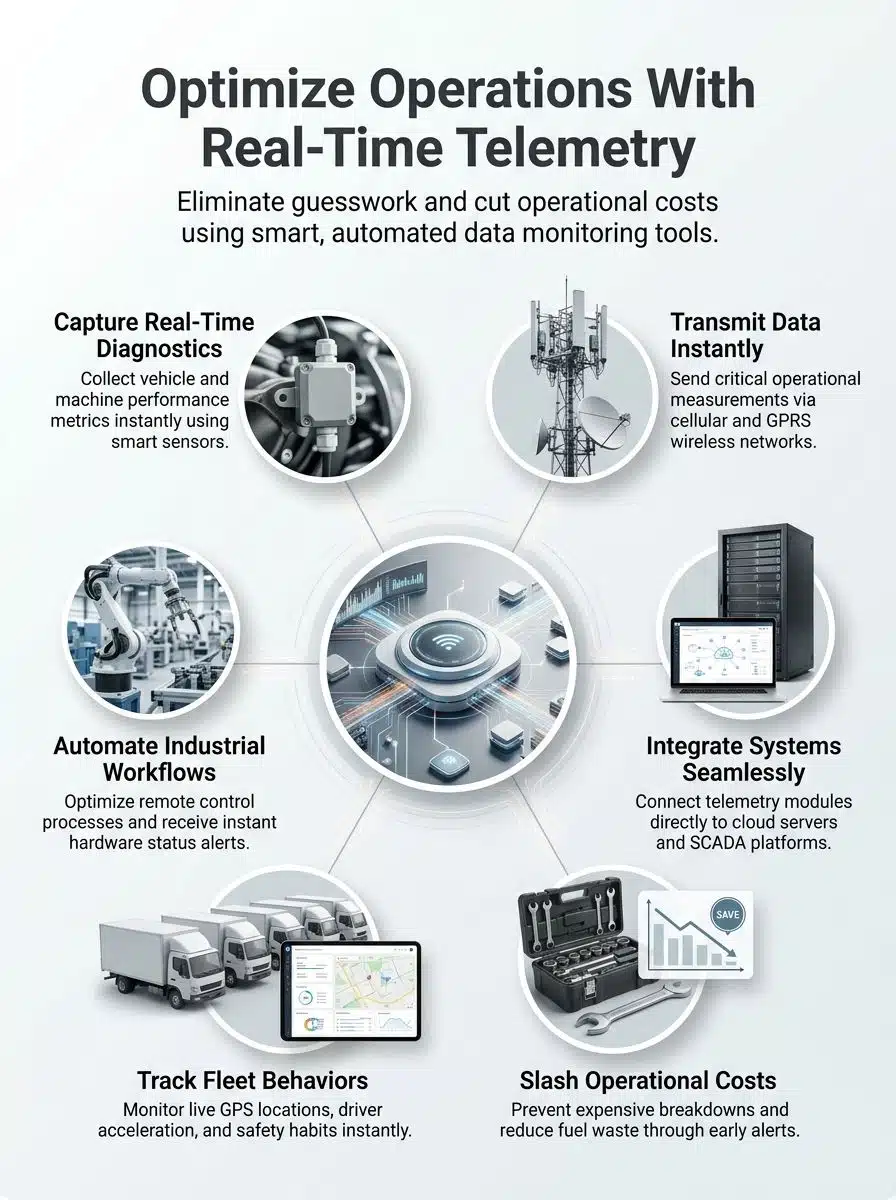
Telemetria solutions gather real-time data from vehicles and equipment. This software turns raw information into insights you can use. These insights cut costs, improve safety, and keep your fleet running well.
How Can Telemetria Solutions Boost Operational Efficiency?
Telemetry systems change how companies run their daily operations. Real-time data from your fleet gives you instant views of what’s happening. You track fuel use, driver behavior, and vehicle health as they occur. This immediate feedback helps you spot problems before they get expensive.
Companies using telemetry solutions save money on maintenance. They catch issues early, before small problems become big repairs. Your team responds faster to emergencies. This saves both time and money.
Operational efficiency jumps when you improve routes and billing. Telemetry helps companies bill gas usage based on monthly use. They don’t have to charge for the whole tank capacity anymore. This improves resource planning and delivery routes.
Drivers work smarter because the system tracks their hours. It makes billing more accurate too. Fleet managers schedule maintenance at better times. They follow safety rules more easily. Everything runs more smoothly.
Vending machine operators see big improvements too. They cut restocking trips in half through real-time inventory data. The system tells them exactly when machines need refills. Remote diagnostics send alerts when equipment has issues. Operators fix problems before they stop production.
The results speak for themselves. Less downtime means more profit. Lower costs help your bottom line. Teams work together like a well-oiled machine. Everyone knows what’s happening and can act fast.
What Data Insights Can Telemetria Provide for Better Decisions?
Telemetria systems give companies the power to make smart choices quickly. These systems gather information from industrial automation processes. This includes distributed PLC control and SCADA visualization. PLC stands for programmable logic controller, a computer that runs machines. The system calculates average values and checks how accurate the data is.
Operators see real-time statistical data on their screens. This shows current values of what they’re measuring or controlling. Gas companies use this to predict delivery needs. They plan better logistics routes too. The data tells them exactly where to send trucks and when.
Fleet managers use vehicle data to save on fuel costs. They also improve driver safety by spotting dangerous habits. Wastewater treatment plants monitor pumping stations constantly. They get alerts the moment a pump breaks down. This prevents overflow and environmental problems.
Television companies use telemetria in a different way. They measure when TVs are on and what channels people watch. This viewer data helps them understand what shows people like. All this different data helps teams spot problems before they get serious.
Telemetria solutions create warning signals based on sensor measurements. Managers see issues right when they happen, not hours later. Industrial automation benefits greatly from this speed. Operators adjust processes instantly when data shows something wrong.
Scientific applications also use telemetria. Seismic studies track earthquakes. Climate research monitors weather patterns. This environmental data supports important research projects. Scientists get accurate information from remote locations.
Companies report better efficiency when they use these systems. They manage resources smarter. The data from sensors and wireless networks gives leaders facts, not guesses. Teams respond to changes faster. They reduce waste. Equipment runs longer without breaking. Accurate, current data from telemetria systems makes all this possible.
Implementing Telemetryczny in Various Industries
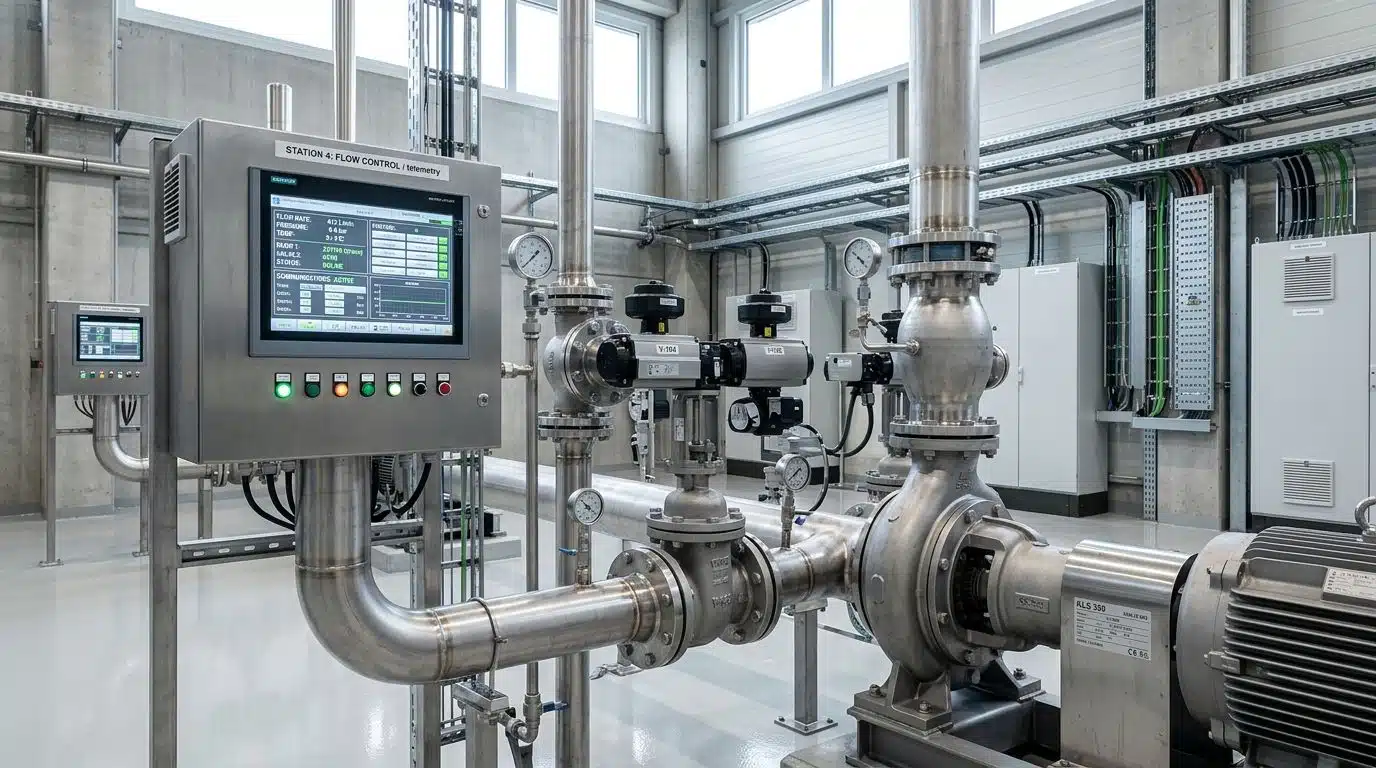
Industries around the world now use telemetryczny systems. These systems watch operations, cut costs, and keep teams safe. Factories, logistics companies, and transportation fleets gain real benefits. They collect data from sensors, GPS devices, and wireless networks. This information goes straight into their software platforms.
How Does Telemetryczny Optimize Industrial Automation and Monitoring?
Telemetryczny systems collect data from control processes across industrial sites. Distance doesn’t limit them at all. MT telemetry modules won the Golden Medal at AUTOMATICON. This is a major industrial automation trade fair. These modules gather information from distributed PLC control systems. They send it to central locations in real time.
Operators get alerts about equipment status instantly. Sewage pumping stations send automatic signals when problems happen. Your team can respond right away. GSM/GPRS modules like the MT-020 log data from industrial equipment. They have multiple power input options. Your operations keep running even when conditions change.
SCADA data visualization works with telemetryczny systems. SCADA shows you exactly what happens across your entire operation. The system processes collected data automatically. It creates signals for regulation and warning. Your control processes stay optimized without manual work.
Your team gets real-time information about many things. They see machinery performance and energy use. They spot potential failures before they cost money. Special SIM cards enable wireless communication between sensors and your monitoring center. This creates a network across distant assets.
Automatic transmission of measurements cuts response time dramatically. It also reduces operational costs. Problems get caught early, before they grow. Your maintenance team fixes small issues instead of big emergencies. The savings add up quickly.
How Can Telemetryczny Enhance Fleet Management and Logistics?
Fleet managers face constant pressure. They must cut costs while keeping drivers safe. Vehicles need to run smoothly too. Telemetryczny systems solve these challenges by collecting real-time data from every vehicle.
GPS-based localization tracks vehicles instantly. You see exactly where each truck or car is right now. Driver identification systems use proximity cards. These cards link specific drivers to their trips. This increases accountability across your operation.
Accelerometer-based systems catch aggressive driving. They spot hard braking and rapid acceleration. This helps you coach drivers toward safer habits. Geofencing adds security by watching zones. The system knows when vehicles enter or exit specific areas. This protects your assets from theft or unauthorized use.
These monitoring tools work together. They give you complete visibility into fleet performance and safety. Every piece of data helps you make better decisions.
Logistics companies gain serious advantages from telemetry data. Historical route playback shows exactly how drivers traveled. This reveals inefficiencies and ways to save fuel and time. Predictive maintenance software tells you when parts need replacement. You fix things before breakdowns happen. This cuts downtime and emergency repair bills.
E-Toll systems calculate road tolls automatically using GPS data. This streamlines billing and keeps you compliant with regulations. Different regions have different rules, but the system handles them all.
SENTGEO became mandatory in April 2023 for certain transporters. This applies in the EU and EFTA countries. The system monitors driver working hours. It transmits tachograph data automatically. A tachograph records driving time, speed, and distance.
This combination of real-time information and smart analysis changes fleet management. You reduce operational costs significantly. Service quality improves. Driver satisfaction goes up too. Everyone benefits from better data.
Final Words
Telemetryczny systems transform how you monitor fleets and operations. Real-time data from sensors and transmission modules gives you power. You catch problems before they happen. This saves money and prevents headaches.
Polish engineers at AB-MICRO and INVENTIA proved these tools work globally. Companies in Europe, the Americas, Asia, and Africa use them daily. Your drivers perform better with these systems. Routes run more efficiently. Vehicles stay in good condition when you use telemetria solutions.
The technology is ready for your business today. Start collecting data and watch your operational efficiency climb. Your competitors already use these tools. Join them and see the difference real-time monitoring makes.
Frequently Asked Questions (FAQs) on Telemetryczny
1. What is a telemetry module, and how does it help with fleet monitoring?
A telemetry module collects data from vehicles, like cars or trucks, using sensors and wireless communication. It sends information about the engine, routes, and driver actions to your software in real time. This helps operators track their flota samochodowa, control costs, and optimize routes for better zarządzanie flotą.
2. How do telemetria systems use GPS and other networks for remote monitoring?
Telemetria solutions rely on Global Positioning System signals to locate pojazdy anywhere on the road. They also use General Packet Radio Service or cellular sieci komórkowe for fast transmisji danych back to your main system. This means you get up-to-date information about each vehicle’s location without delay.
3. Can I monitor my drivers’ behavior with these modules?
Yes; telemetryczne urządzenia gather detailed dane telemetryczne on kierowców actions such as speed or sudden braking. The system analyzes this data so you can spot risky driving habits quickly and improve safety across your entire fleet.
4. Are there benefits of using telemetria in industrial automation beyond motoryzacja?
Absolutely; automatyka przemysłowa uses similar systemy zdalnego monitorowania to collect pomiarów from machines or sensors spread out over large areas like factories or farms. These modules send measurements through medium transmisyjne straight into oprogramowanie narzędziowe for instant analysis.
5. How does telemetria help reduce operational costs in fleet management?
By collecting accurate informacje from every cartrack polska device installed in a vehicle, managers can analyze usage patterns and plan maintenance before breakdowns happen; this cuts kosztów related to repairs or downtime while keeping all pojazdów running smoothly.
6. Is it possible to connect different types of devices within one network using these solutions?
Yes, modern systemy telemetryczne support many kinds of urządzeń, including tachograph units, czujniki measuring fuel levels, and even e-call emergency tools found in motorsport events like Formula 1 races or NASA launches at Wallops Flight Facility—all linked by strong internet connections under one platform for easy access by any operator worldwide, including those working with leasing auta fleets across Ukraine or the European Union regions.