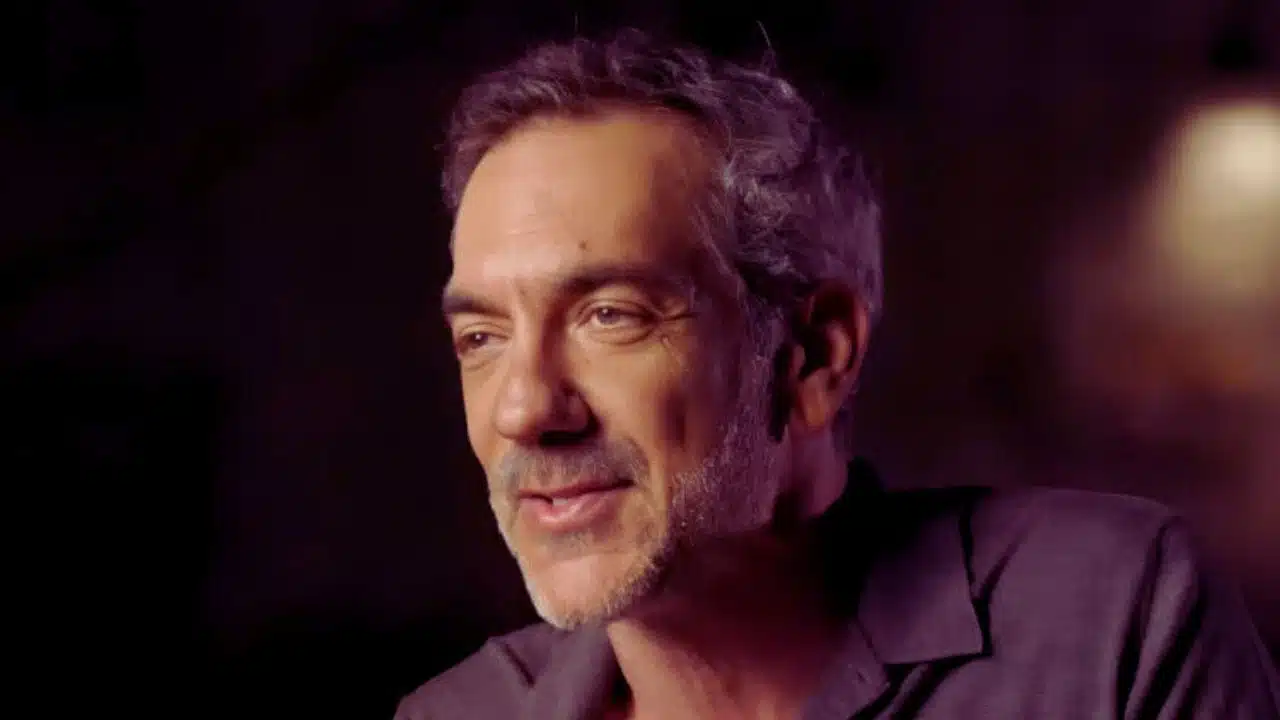
Todd Phillips, the filmmaker behind “The Hangover” trilogy and the gritty “Joker” adaptation, is known for his ability to blend popular appeal with storytelling that resonates across diverse audiences. Recently, Phillips joined a group of Hollywood directors surveyed by Empire magazine to share insights on the theatrical movie experience, especially as audiences now increasingly turn to streaming services. The survey invited directors to weigh in on how theaters can encourage moviegoers to keep choosing a night at the cinema over the convenience of watching from home. While many directors focused on the artistic and communal aspects of cinema, Phillips offered a practical and direct approach: theaters should stop showing commercials before movies.
“We’ve Paid for Our Tickets”: Phillips on Movie Theater Ads
Phillips didn’t mince words about what he believes is a significant barrier to the movie theater experience: the barrage of commercials shown before the main feature. “Stop showing commercials before the movies,” he said in the Empire survey. “We’ve paid for our tickets.” Phillips’ point is that audiences come to theaters excited to dive into the cinematic experience but are often met with a series of unrelated ads before the movie trailers and feature begin. This extensive pre-show can dampen that excitement, and he argues that it detracts from the overall experience theaters are trying to provide.
To make his point even clearer, Phillips noted that ads disrupt the energy and enthusiasm in the theater. “The commercials tend to take the air out of the room,” he added, emphasizing how the audience’s anticipation is diminished by the numerous ads for soft drinks, phone providers, and other unrelated products that occupy the screen before the actual movie trailers.
The Frustration with Commercials in Movie Theaters
Phillips isn’t alone in this frustration. For many moviegoers, long pre-show advertisements have become a significant deterrent. Some patrons now intentionally arrive late, even if they’ve bought tickets in advance, to avoid sitting through the commercials. A common complaint among regular theater attendees is that they don’t want to pay for a premium cinema experience just to sit through repetitive commercials, especially when streaming services often offer ad-free experiences.
This perspective is particularly resonant in an era when streaming services like Netflix, Disney+, and others provide the option to watch films at home with minimal or no advertising interruptions. The allure of an uninterrupted viewing experience has led some moviegoers to question whether theaters are worth the cost and effort when ads disrupt the experience they paid for. Phillips’ comments, therefore, touch on a real issue theaters face as they try to differentiate the cinematic experience from at-home streaming.
A Practical Solution Amid Artistic Conversations
While other directors surveyed by Empire focused on the more artistic and communal aspects of the theater experience, Phillips zeroed in on this simple yet significant change. He offered a practical solution instead of a high-minded argument about cinema’s role in culture. “We’re excited to be there,” he reminded readers, pointing out that many audiences arrive at the theater already anticipating the movie. By reducing or removing these unrelated commercials, theaters could make the experience more enjoyable and less frustrating for patrons.
Other directors involved in the Empire survey, like “Anora” director Sean Baker, expressed their concerns over the loss of traditional film practices and the dominance of digital streaming. Baker lamented that, “People are abandoning celluloid,” referring to the trend of filmmakers choosing digital or streaming-first releases over celluloid film and traditional cinema releases. He suggested that the move towards streaming could ultimately harm the cultural experience of movie-watching, as fewer films make it to theaters and instead go directly to on-demand platforms. This sentiment is shared by other directors who see cinema as a shared experience that streaming can’t replicate in the same way.
Directors Divided on Streaming’s Impact on the Movie Theater Experience
The Empire survey illustrated the split opinions among filmmakers about streaming’s impact on cinema. Directors like Paul Feig and Adam Wingard acknowledged the benefits of streaming platforms, especially in supporting films that might otherwise struggle to get distribution. Streaming has indeed opened up opportunities for smaller, niche films to reach audiences who might not have the chance to see them in theaters. Feig, known for films like “Bridesmaids” and “Ghostbusters,” noted that streaming has become a valuable platform, especially for projects that may not fit the blockbuster model that many theater chains prioritize.
However, even directors supportive of streaming acknowledge the unique atmosphere that only a theater can provide. Feig and Wingard still see value in keeping theaters alive and offering audiences an experience that is distinct from streaming. They suggested that while streaming is useful, it shouldn’t replace theaters altogether; instead, the two should coexist, giving audiences options for how they want to consume content.
The Theater vs. Streaming Debate: Preserving the Magic of the Big Screen
Phillips’ comment underscores a recurring conversation in Hollywood: how can theaters make themselves more appealing than streaming services? The directors who participated in the Empire survey each provided their own take on what makes theaters special, from the magic of watching a film on a giant screen with an audience to the nostalgic feel of celluloid film, as mentioned by Baker. However, Phillips’ solution, grounded in a consumer-focused approach, addresses a more immediate, practical fix that could enhance the theater experience for audiences everywhere.
By eliminating or at least reducing pre-show commercials, Phillips suggests that theaters could make a subtle but powerful change to make the experience of going to the movies feel more exclusive and worth the price of admission. His comments point to a way for theaters to distinguish themselves from streaming by prioritizing the audience’s comfort and enthusiasm—something that might encourage more people to return to the theater for their movie-watching experiences.
Moving Forward: Will Theaters Make Changes?
While Phillips’ proposal may seem simple, it raises important questions for theater chains: are they willing to sacrifice advertising revenue to improve the audience experience? The answer is unclear, as theaters often rely on these commercials as a revenue stream, especially as box office earnings fluctuate. However, as Phillips and other directors continue to voice concerns about the impact of pre-movie advertising on the theater experience, the industry might feel pressured to reconsider its approach.
In an era when audiences are often given the choice between streaming at home or making the effort to visit a theater, Phillips’ suggestion emphasizes a critical point: theaters need to make the in-person experience more inviting. By eliminating the disruptions caused by commercials, theaters could offer a more seamless and immersive experience that sets them apart from the comfort of watching at home. As more directors and audiences advocate for a more streamlined and enjoyable theater experience, it remains to be seen whether theaters will take steps to address these concerns and evolve to meet the changing preferences of moviegoers.
The Information is Collected from Variety and Yahoo.