


As the summer sun shines brightly, it’s essential to take steps to protect your skin from its harsh rays. Prolonged exposure to the sun can lead to sunburn, premature aging, and an increased risk of skin cancer.
If you want to keep your skin health and protected from the sun, there are some skin routine tips you will need to follow. By following these eight tips, you can enjoy the warm weather while keeping your skin healthy and radiant. Here are some of these.
1. Apply Sunscreen Regularly
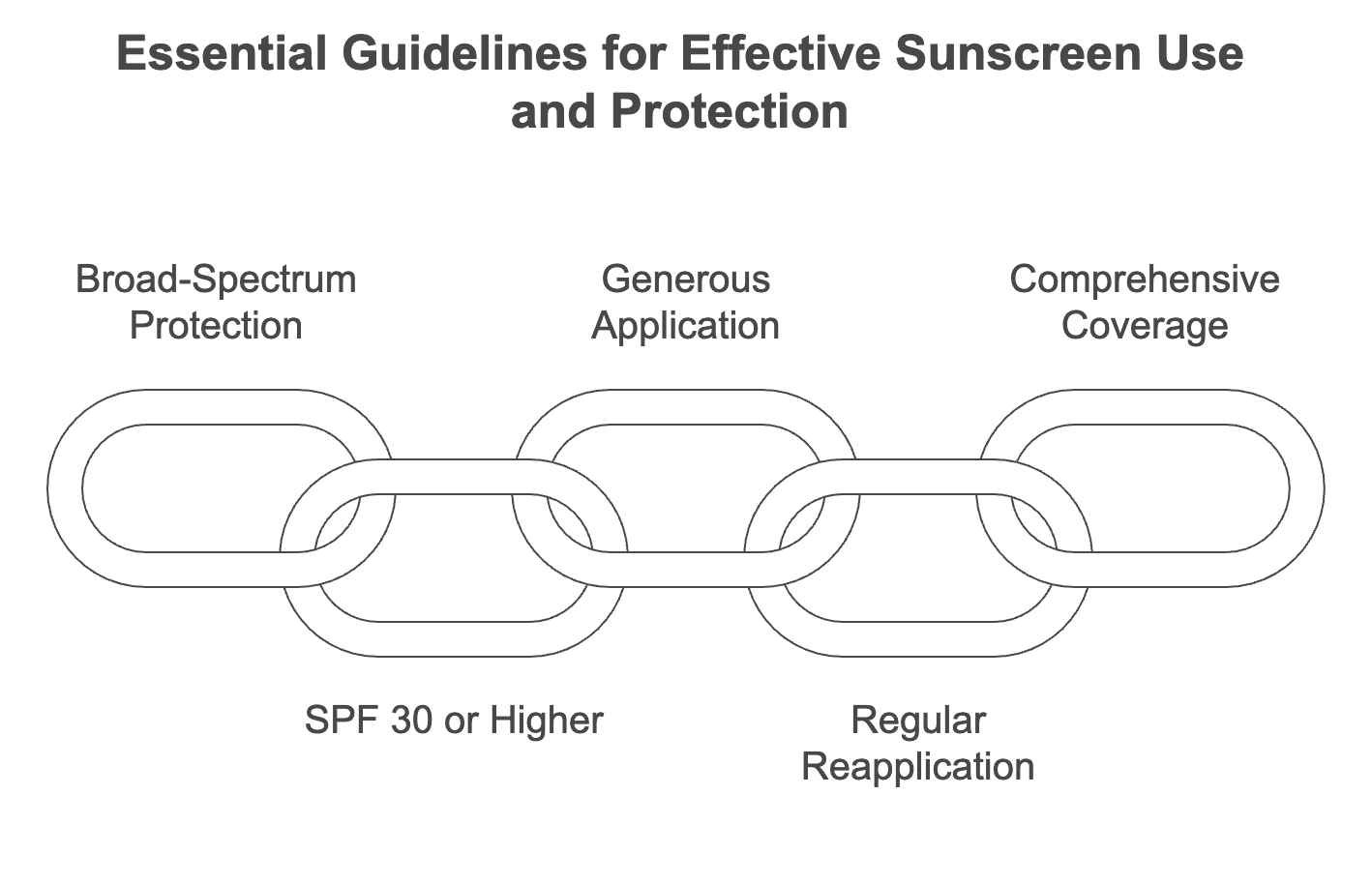
Sunscreen is your first line of defense against harmful UV rays. Choose a broad-spectrum sunscreen with an SPF of at least 30, which protects against both UVA and UVB rays. Apply sunscreen generously to all exposed skin at least 15 minutes before going outside. Reapply every two hours, or more frequently if you are swimming or sweating.
Don’t forget areas like your ears, neck, hands, and feet, which are often overlooked. For added convenience, consider using a spray or stick sunscreen for quick touch-ups. Sunscreen should be a daily habit, even on cloudy days or when you’re staying indoors, as UV rays can penetrate windows.
2. Wear Protective Clothing
Clothing can provide an effective barrier against the sun’s rays. Opt for lightweight, long-sleeved shirts, pants, and wide-brimmed hats to cover as much skin as possible. Darker colors and tightly woven fabrics offer better protection than lighter colors and loosely woven materials.
Look for clothing with an Ultraviolet Protection Factor (UPF) rating, which indicates how much UV radiation the fabric blocks. UPF-rated clothing is designed to provide extra protection from the sun and is ideal for outdoor activities. Don’t forget to wear sunglasses that block 100% of UVA and UVB rays to protect your eyes and the delicate skin around them.
3. Find Shade During Peak Hours
The sun’s rays are strongest between 10 a.m. and 4 p.m. During these hours, find shade whenever possible to minimize your exposure. If you’re at the beach or park, bring an umbrella or set up a tent to create a shaded area.
Planning outdoor activities for early morning or late afternoon can help you avoid the peak intensity of the sun. When you are outside during peak hours, take frequent breaks in the shade to give your skin a chance to recover. Remember that water, sand, and concrete can reflect UV rays, increasing your exposure even in the shade.
4. Stay Hydrated
Proper hydration is essential for maintaining healthy skin, especially during the summer when you are more likely to lose fluids through sweat. Drink plenty of water throughout the day to keep your skin hydrated and help your body function optimally.
In addition to drinking water, consume hydrating foods like fruits and vegetables, which have high water content. Avoid excessive consumption of caffeine and alcohol, as they can dehydrate your skin. Staying hydrated helps maintain your skin’s elasticity and can prevent dryness and irritation caused by sun exposure.
5. Use After-Sun Lotion
Even with the best precautions, your skin may still experience some sun exposure. Using after sun lotion can help soothe and repair your skin after a day in the sun. After-sun lotions are specially formulated with ingredients like aloe vera, chamomile, and vitamin E to provide hydration and reduce inflammation.
Apply after-sun lotion generously to all areas exposed to the sun, paying extra attention to any areas that feel warm or tender. This helps replenish lost moisture and supports the skin’s natural healing process. Store your after-sun lotion in the refrigerator for a cooling effect that can provide additional relief for sunburned skin.
6. Avoid Tanning Beds
Tanning beds emit UV radiation that can be even more intense than natural sunlight, increasing your risk of skin damage and skin cancer. Avoid using tanning beds and opt for safer alternatives like self-tanning lotions or spray tans to achieve a sun-kissed glow without the harmful effects of UV exposure.
Embrace your natural skin tone and focus on maintaining healthy, radiant skin through proper skincare and sun protection. Educate yourself about the risks associated with tanning beds and encourage others to make safer choices as well.
7. Be Mindful of Medications
Some medications can increase your skin’s sensitivity to the sun, making it more susceptible to sunburn and other types of damage. Common medications that can cause photosensitivity include certain antibiotics, anti-inflammatory drugs, and some acne treatments.
If you are taking any medication, check with your healthcare provider or pharmacist to see if it may increase your sun sensitivity. Take extra precautions, such as applying sunscreen more frequently and wearing protective clothing, if you are using a photosensitizing medication. Being aware of how your medication interacts with sun exposure can help you better protect your skin.
By following these tips, you will be able to keep your health and protected from the sun during summer.





















