

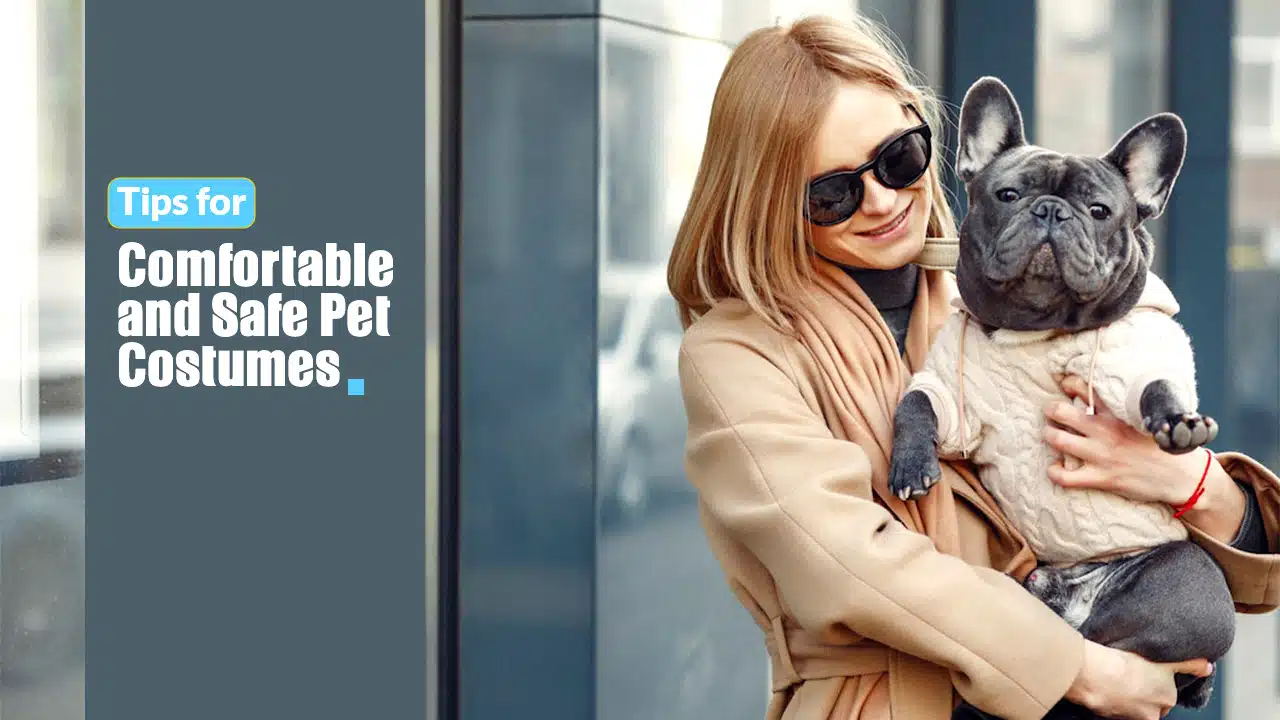
Dressing up your pet for holidays or special events is fun. Who doesn’t love seeing their furry friends in adorable costumes that match their unique personalities?
However, while pet costumes can bring joy, it’s essential to ensure your pet’s safety and comfort. Even pets who choose to dress up require comfort and protection from potential risks. In this guide, we’ll share nine valuable tips to help you ensure that your beloved pet enjoys their costume experience safely and comfortably.
Tip 1: Choose the Right Costume Material
When selecting a costume for your pet, the material is crucial. It should be breathable, soft, and non-irritating. Pets have sensitive skin, and fabrics like wool or materials with synthetic dyes can lead to rashes or irritation. Look for costumes made of lightweight cotton or polyester blends. These materials are gentle on your pet’s fur and allow for sufficient air circulation.
It’s also essential to consider whether your pet has allergies. Some pets may react to specific fabrics or chemicals used in manufacturing. Before committing to a costume, do a quick test by placing a small piece of the fabric on your pet’s back and observe any signs of discomfort, such as excessive scratching or redness.
Tip 2: Ensure Proper Fit
A well-fitted costume is a comfortable costume. Make sure the costume is neither too tight nor too loose. A tight costume can restrict movement and even cause breathing issues, while a loose costume might get tangled in your pet’s legs or lead to tripping. Measure your pet’s chest, neck, and length accurately, and always check the manufacturer’s size guide before purchasing.
If your pet is in-between sizes, it’s best to size up rather than down. Pets should be able to move freely without feeling restricted, so look for costumes that feature adjustable straps or elastic bands that you can loosen as needed.
Tip 3: Avoid Restricting Movement or Vision
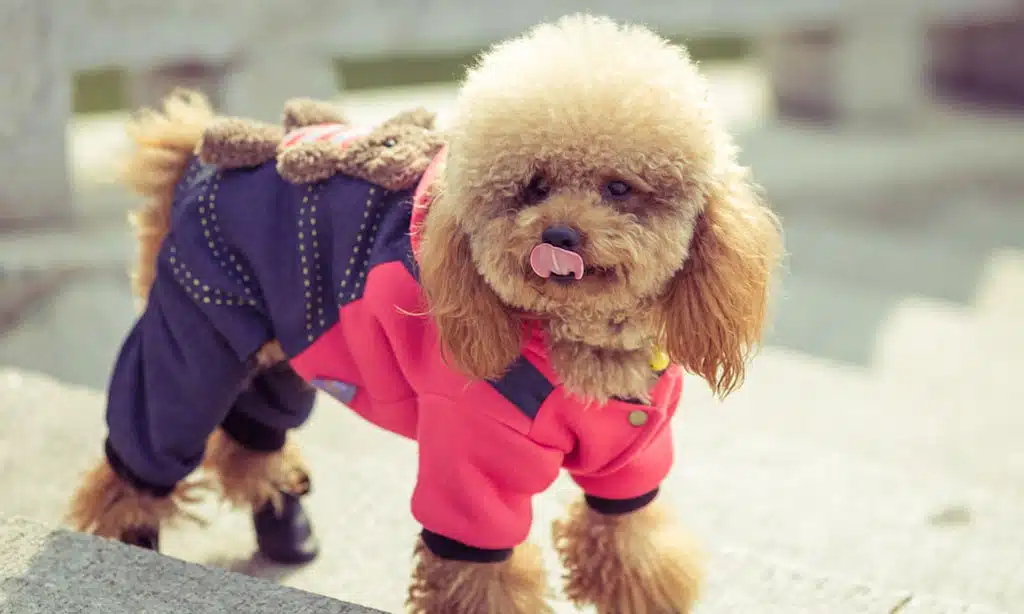
Some costumes, while cute, can be restrictive for your pet. Costumes with hoods, masks, or other accessories that can obstruct your pet’s vision, hearing, or movement should be carefully considered. Restricting your pet’s head or legs can cause disorientation and stress.
Make sure costumes do not have parts that dangle, cover the eyes, or wrap tightly around the legs. Your pet should be able to walk, run, and play without obstacles. Always let them test the costume in a familiar environment before any event to make sure they are comfortable.
Tip 4: Avoid Small or Loose Parts
Many pet costumes come with small embellishments, buttons, or sequins, which can be dangerous if your pet decides to chew on them. Loose parts pose a significant choking hazard, especially for dogs who may view them as potential chew toys. Ensure that any costume you select is devoid of small, detachable components or anything easily bitten off.
If you find a costume that has a few loose pieces, consider sewing them down securely or simply removing them to avoid any mishaps.
Tip 5: Monitor Temperature
One of the most important safety factors for pet costumes is temperature. Pets can overheat very easily, particularly those with thick fur. Costumes that are too heavy or made from non-breathable materials can increase your pet’s body temperature, leading to heatstroke. Always ensure the costume is suitable for the weather conditions.
If you notice your pet panting excessively or showing signs of discomfort, remove the costume immediately. Costumes should always be lightweight and breathable, particularly for pets who may already struggle in warm temperatures.
Tip 6: Avoid Costumes with Toxic Paints or Dyes
Some pet costumes may include paints or dyes that could be toxic if ingested. Pets often lick their bodies, so make sure that any part of the costume that may contact your pet’s skin or mouth is safe. Avoid costumes with glitter or metallic paint, as these can cause digestive issues if ingested.
When in doubt, check the label or ask the manufacturer about materials. Opt for costumes labeled as non-toxic and pet-safe.
Tip 7: Give Your Pet Time to Acclimate
Pets can be apprehensive about new clothing, and costumes are no different. Introduce your pet to the costume gradually. Start by letting them sniff and investigate the costume. Then, place it on them for short periods, offering treats and praise each time. This positive reinforcement helps them associate the costume with good experiences.
Avoid forcing your pet into a costume if they seem scared or highly uncomfortable. It’s important to prioritize your pet’s comfort as not all pets enjoy dressing up.
Tip 8: Always Supervise Your Pet
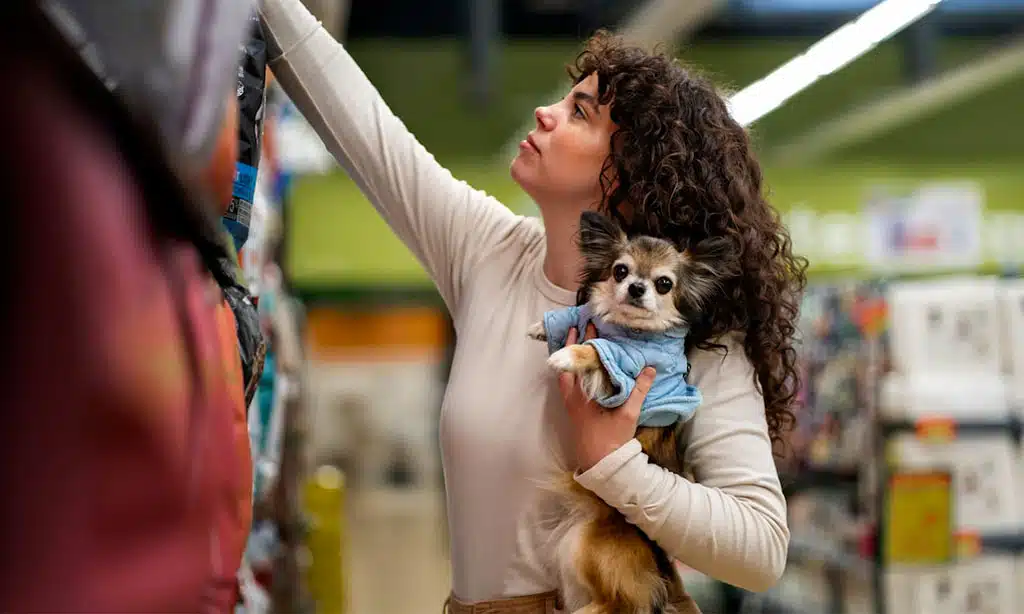
Never leave your pet unsupervised while they’re wearing a costume. If your pet shifts or becomes stuck on furniture, even the best-fitting costumes can become dangerous. Supervision allows you to step in immediately if something goes wrong, ensuring your pet stays safe.
Ensure that someone is constantly monitoring your pet when attending a party or event. Events can be overwhelming, and costumes can make it difficult for pets to express discomfort or anxiety.
Tip 9: Consider Your Pet’s Personality
Not every pet will be thrilled about wearing a costume, and that’s okay. Some pets love the attention, while others may become anxious or uncomfortable. Pay attention to your pet’s behavior when dressing them up. If they seem distressed, it’s best to skip the costume altogether.
You can opt for simpler alternatives like bandanas or collars that have a festive touch. These can still be enjoyable and festive without overwhelming your pet. The key is to match the costume to your pet’s personality and comfort level.
Conclusion
Dressing up your pet can be a memorable way to celebrate holidays and special occasions, but it’s crucial to prioritize their safety and comfort. From choosing the right materials and ensuring a proper fit to avoiding restrictive and potentially dangerous accessories, these nine tips will help make your pet’s costume experience a positive one.
Remember, not all pets enjoy wearing costumes, and forcing them can lead to unnecessary stress. Always prioritize their well-being, and when in doubt, keep it simple. A comfortable pet is a happy pet, and that’s what truly matters.
























