
Your domain name is the foundation of your online presence. It affects your brand identity, search engine rankings, and user perception. Choosing the right one requires careful thought.
In this guide, we’ll explore the things to consider before buying a domain name, helping you avoid common pitfalls and make an informed decision.
A poor domain choice can lead to branding issues, legal troubles, and lost traffic. However, a well-planned domain name enhances credibility, improves SEO, and makes your website easy to find. Whether you’re launching a personal blog, e-commerce site, or corporate platform, this guide will help you make the best decision.
Why Choosing the Right Domain Name Matters
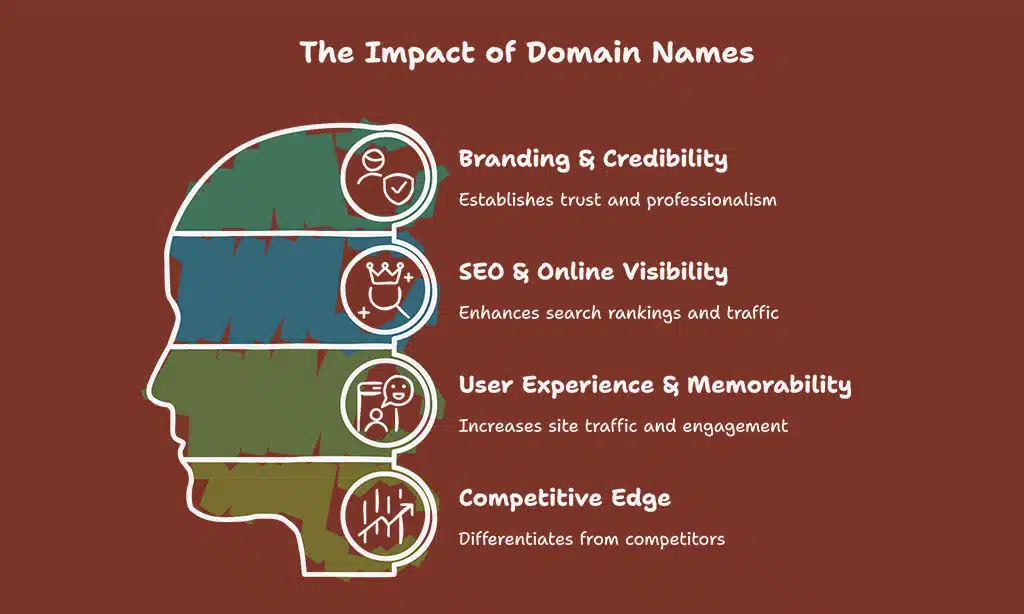
A well-chosen domain name impacts multiple aspects of your online success. Here’s why it’s crucial:
- Branding & Credibility: A strong domain name establishes trust and professionalism, making users more likely to engage with your website.
- SEO & Online Visibility: Keyword-optimized domain names improve search rankings, helping your website gain organic traffic from search engines.
- User Experience & Memorability: Easy-to-remember names increase traffic and engagement, ensuring users return to your site.
- Competitive Edge: The right domain name can differentiate your business from competitors and establish a lasting digital presence.
Now, let’s dive into the things to consider before buying a domain name to ensure you make the best choice.
1. Keep It Short and Simple
Choosing a short and simple domain name is crucial because it enhances user experience and improves brand recall. The shorter the domain, the easier it is for users to type, share, and remember. Long and complicated domain names can lead to confusion, increasing the chances of losing traffic due to typos or misinterpretation.
Why It Matters:
- Short domain names are easier to remember and type, increasing direct traffic.
- Long or complex names increase the risk of typos, which can lead to lost visitors.
- Concise names are more visually appealing on business cards, social media handles, and advertisements.
Best Practices:
| Factor | Recommendation |
| Ideal Length | 6-14 characters |
| Hyphens & Numbers | Avoid using them |
| Readability | Easy to spell & pronounce |
Example:
Compare the ease of use between these two domain names:
- TechTrends.com [Short, brandable, easy to type]
- TheBestTechnologyTrendsOnline.com [Too long, hard to remember]
2. Use a Relevant and Brandable Name
A domain name should not only reflect your brand but also be unique and catchy enough to stand out. A brandable domain makes it easier to build recognition and trust, ensuring long-term success. Avoid generic terms that don’t add value to your business identity.
Why It Matters:
- A brandable domain name strengthens recognition and helps establish authority.
- A relevant name instantly communicates what your website is about.
- A memorable domain name encourages word-of-mouth marketing.
How to Choose a Brandable Domain:
| Strategy | Description |
| Uniqueness | Avoid generic terms and create something distinctive. |
| Trademark Check | Ensure your domain does not conflict with existing trademarks. |
| Phonetic Simplicity | Choose words that are easy to pronounce and recall. |
Example:
- SnapPix.com [Creative and brandable for a photo-sharing website]
- BestPhotoSharingWebsite.com [Too generic and not brandable]
3. Choose the Right Domain Extension
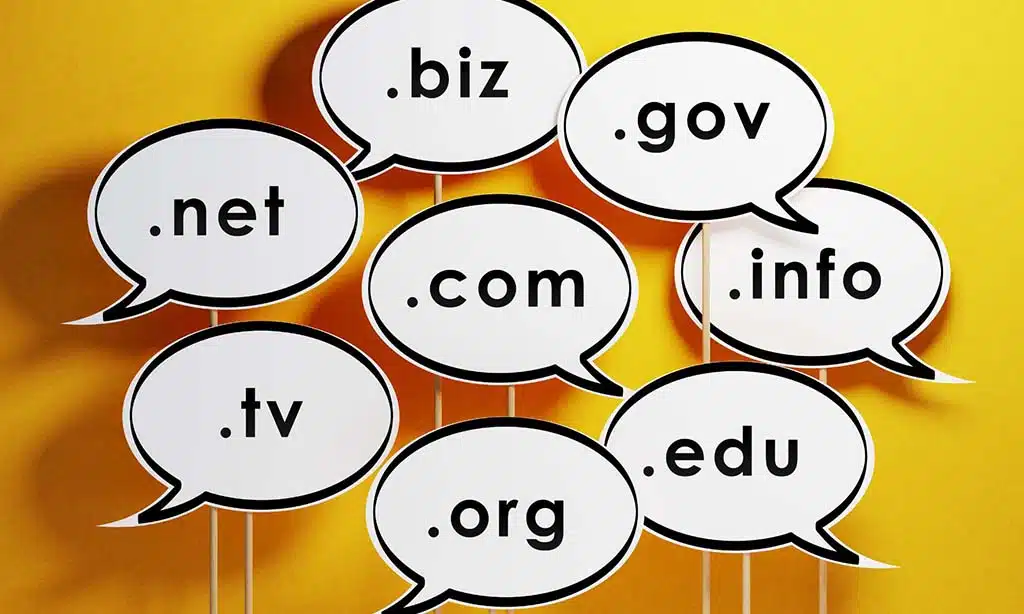
The domain extension [.com, .org, .net, etc.] plays a significant role in how users and search engines perceive your website. A well-chosen TLD adds credibility and can affect audience trust and search rankings.
Why It Matters:
- Your domain extension impacts credibility and user trust.
- Some extensions are better suited for specific industries or regions.
- A well-chosen TLD [Top-Level Domain] can enhance your brand identity.
Common TLDs and Their Uses:
| TLD | Best For |
| .com | General use, most trusted |
| .org | Non-profits, communities |
| .net | Tech-related businesses |
| .co | Startups and corporations |
| .io | Tech and SaaS businesses |
| .edu | Educational institutions |
Pro Tip:
If the .com version is unavailable, consider .co or .net but avoid obscure TLDs that users might not recognize.
4. Prioritize Easy Pronunciation and Spelling
A domain name that is difficult to pronounce or spell can make it harder for users to find your website. The goal is to make it as simple as possible for users to type and share your domain name effortlessly.
Why It Matters:
- Difficult names reduce word-of-mouth marketing.
- Phonetically challenging names may cause confusion and decrease traffic.
- Misspellings can redirect potential visitors to competitors.
How to Test Your Domain Name:
| Test | Purpose |
| Speak Test | Say the domain name out loud and see if others understand it correctly. |
| Spelling Test | Ask friends to spell it after hearing it once. |
| Readability Test | Ensure it looks natural when written. |
5. Check Domain Availability and Legal Issues
Before purchasing a domain, it’s essential to verify that it’s legally available and free from prior use or restrictions. Ignoring legal aspects can lead to costly disputes or forced rebranding.
Steps to Ensure Availability:
- Use domain registrars like Namecheap, GoDaddy, or Google Domains to check availability.
- Search social media platforms for username availability to maintain brand consistency.
- Verify trademark issues using the USPTO [United States Patent and Trademark Office].
Legal Considerations:
- Avoid domains that might infringe on trademarks.
- Ensure the domain hasn’t been associated with past spammy activities.
- If purchasing an expired domain, check its history using tools like Wayback Machine.
6. Consider SEO and Keyword Relevance
Incorporating relevant keywords into your domain name can enhance search rankings, but overdoing it can make your domain look spammy. Striking the right balance is key.
Should You Use Keywords in Your Domain?
| Pros | Cons |
| Helps with search engine ranking | Can feel unnatural if over-optimized |
| Immediately tells users what your website is about | May limit branding flexibility in the future |
Best Approach:
- Use a partial keyword match [e.g., ‘BestBakery.com’ instead of ‘BestBakeryInNewYork.com’].
- Balance keywords with branding for long-term success.
7. Think Long-Term and Future Scalability
Your domain name should allow room for growth, ensuring that it remains relevant even if your business expands or shifts its focus.
Why Future-Proofing Matters:
- Your business may expand beyond its current niche.
- Rebranding later can be costly and confusing for customers.
- A scalable domain can support business growth without restrictions.
Key Considerations:
| Factor | Recommendation |
| Trend-Based Names | Avoid trendy terms that may become outdated. |
| Expansion Possibility | Choose a name that allows for future growth. |
| Multi-TLD Protection | Secure multiple extensions to protect your brand. |
Final Checklist Before Buying a Domain Name
- Before finalizing your choice, review this checklist:
- Short, simple, and easy to remember
- Brandable and unique
- Uses the right TLD [.com preferred]
- Easy to pronounce and spell
- Legally available with no trademark conflicts
- SEO-friendly with relevant keywords
- Scalable for future growth
Takeaways
Choosing a domain name is a critical step for online success. By considering the things to consider before buying a domain name, you ensure a strong foundation for branding, SEO, and long-term growth. Take your time, research thoroughly, and pick a name that best represents your business.
Ready to secure your perfect domain? Start your search today and build a successful online presence!