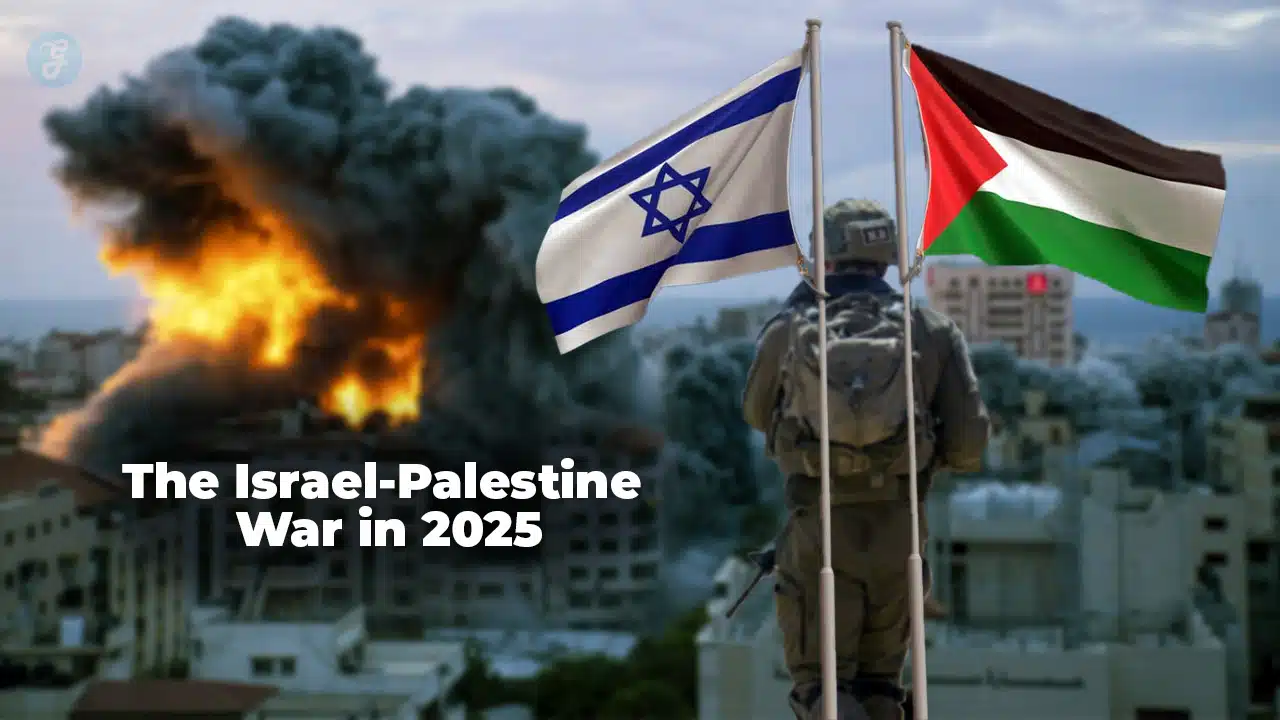
The war between Israel and Palestine is one of the longest-running conflicts in the world. In 2025, the violence reached a very dangerous and heartbreaking level.
Thousands of people have died, and many families have lost their homes. But why is this war happening, and what has happened this year that’s so important?
Let’s break down the Israel-Palestine war in 2025. Explore why it matters together.
What Started the 2025 Fighting?
The war didn’t start in 2025, but in October 2023. A group called Hamas attacked Israel, killing around 1,200 people. In return, Israel began bombing Gaza, the area where many Palestinians live. This back-and-forth turned into a long war.
By January 2025, the war had lasted over 15 months. Many people had died. Cities in Gaza were destroyed. Israel had lost many soldiers, and Hamas still held many Israeli people hostage.
The Israel-Palestine War in 2025: A Timeline of Important Events
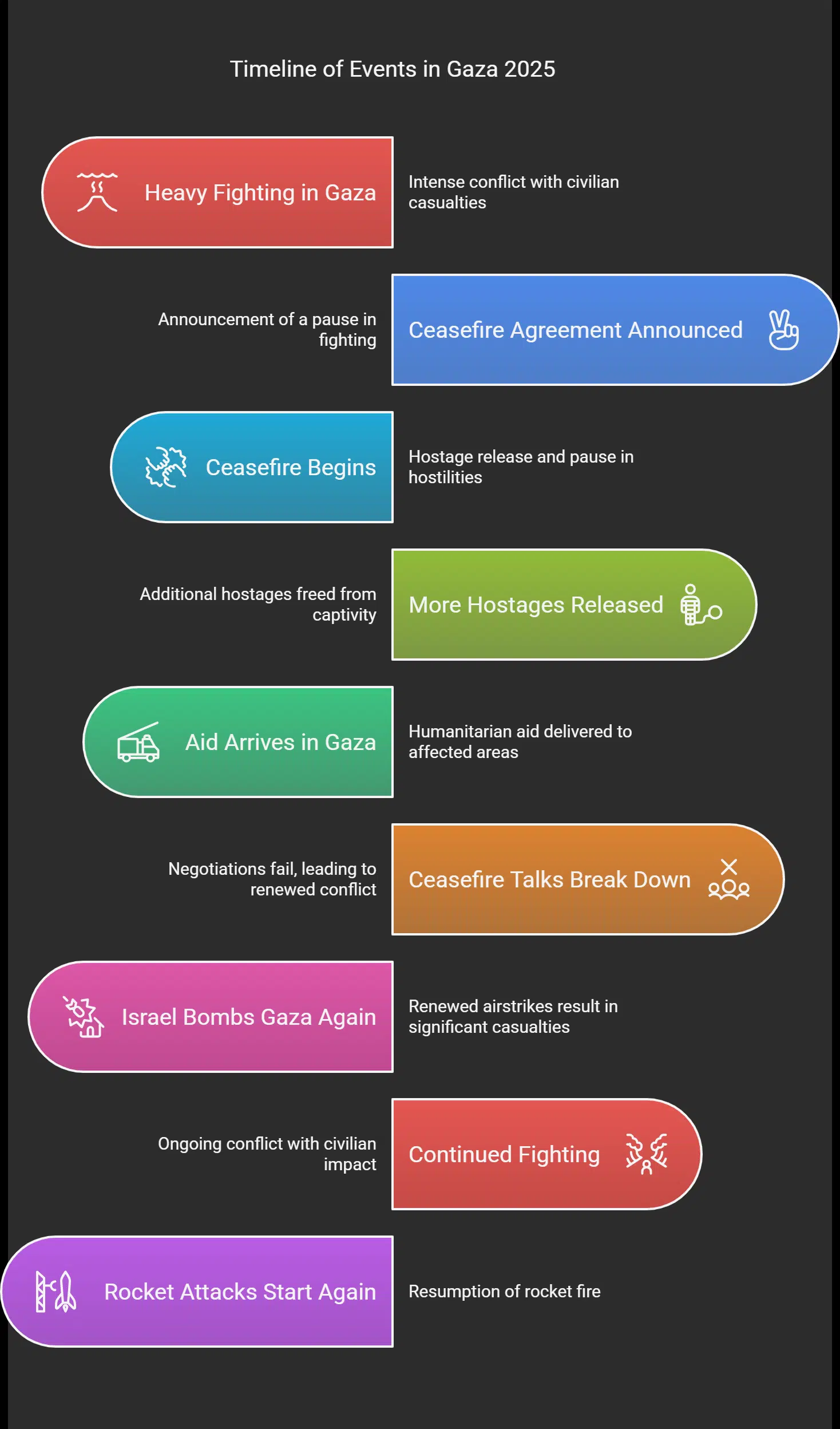
Here’s a simple timeline of what has happened in 2025 so far:
| Date | What Happened |
|---|---|
| Jan 1–9 | Heavy fighting in Gaza; many civilians died in airstrikes |
| Jan 15 | Ceasefire agreement announced (a pause in fighting) |
| Jan 19 | Ceasefire began; Hamas released hostages, Israel released prisoners |
| Feb 20–22 | More hostages released; Gaza received tents and water aid |
| March 1–2 | Ceasefire talks broke down; Israel blocked food and aid |
| March 18 | Israel bombed Gaza again; over 400 people killed in one night |
| April | Fighting continued; many more civilians died; rocket attacks started again |
What Is Gaza and Why Is It Important?
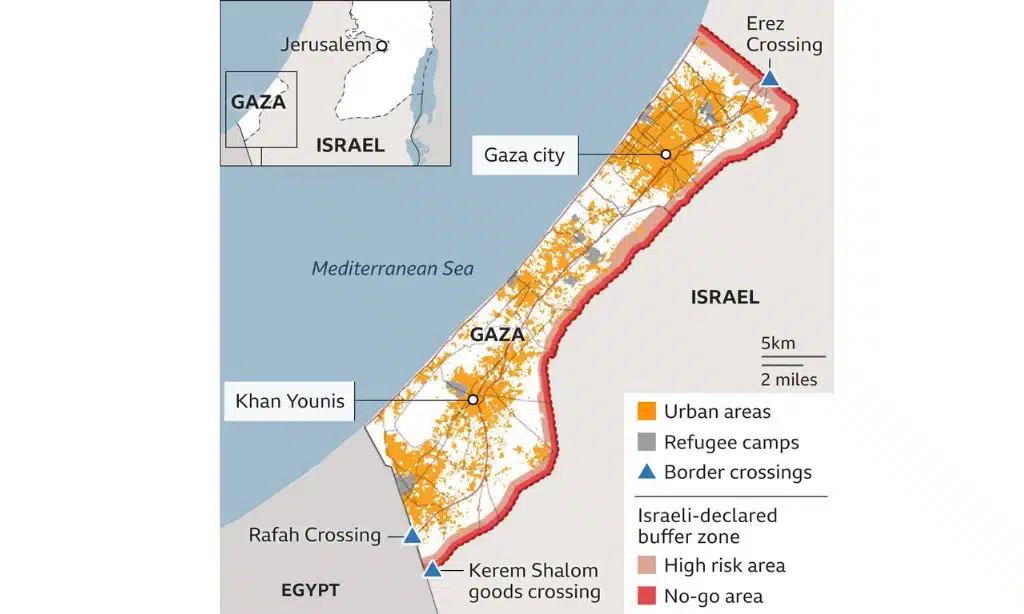
Gaza is a very small area by the sea. It’s only about 25 miles long and 6 miles wide. But over 2 million Palestinians live there. It’s very crowded. During the war, Gaza was bombed a lot. Schools, homes, hospitals, and markets were destroyed.
Map of Gaza:
The Human Cost of War
The numbers below show how much people are suffering in this war.
Deaths and Injuries
| Group | Number of People |
| Palestinians killed | 50,000+ |
| Israeli civilians killed | 1,200 |
| Israeli soldiers killed | 407 |
| Palestinians injured | 111,000+ |
Note: About one-third of the people killed in Gaza were children.
People Without Homes
- Over 1.8 million Palestinians in Gaza had to leave their homes.
- Most are living in tents or school buildings.
- Many families have no clean water, electricity, or food.
Children Are Suffering Most
- Many children in Gaza have lost parents or family.
- Over 15,000 children have died.
- Kids don’t have schools, toys, or safe places to play.
What Did the Ceasefire Do?
For 42 days (from January to early March), there was a ceasefire—that means both sides agreed to stop fighting. During that time:
- Hamas released 33 hostages.
- Israel released 2,000 Palestinian prisoners.
- Food, tents, and water came into Gaza.
- Some people visited their homes in North Gaza.
What Do Other Countries Say?
When a war like this happens, the world cannot stay silent. Governments across the globe have spoken out—some are calling for peace, others are taking sides. Some countries are helping with food, shelter, or talks between the two sides. But there are also disagreements about what should be done. Here’s what different nations are saying and doing about the war.?
Countries That Support Ceasefire
- United Nations: Called for peace and more aid to Gaza.
- Egypt and Qatar: Helped with hostage talks.
- South Africa: Took Israel to court for war crimes.
- Ireland, Spain, and Norway: Officially supported a free Palestine.
Countries Supporting Israel
- United States: Gave Israel $8 billion in weapons and support.
- United Kingdom: Asked for fewer attacks on civilians but still supported Israel.
- Hungary: Strongly supported Israel’s actions.
Where is World Humanity on the Gaza Issue?
As the Gaza crisis continues into 2025, the world is watching—and reacting. The suffering of millions, especially children, has touched hearts everywhere. But beyond sympathy, the question remains: is humanity doing enough?
While some nations and organizations rush aid and support, others face criticism for their inaction or political double standards.
Let’s take a closer look at how the global community is responding to this unfolding humanitarian tragedy.
International Humanitarian Efforts
In the face of unimaginable loss and destruction, the world’s humanitarian organizations have stepped up to help. From delivering food and medicine to defending the rights of aid workers, these groups are trying to bring hope to people in Gaza. Here’s how they are responding to the crisis on the ground.
United Nations Initiatives
The United Nations has been leading aid efforts. In January 2024, Sigrid Kaag was chosen to help coordinate relief to Gaza. Still, ongoing blockades have made things worse. By April 2025, over a million children in Gaza had gone without life-saving aid for more than a month, making hunger and sickness worse.
Non-Governmental Organizations (NGOs)
Groups like Doctors Without Borders (MSF) and the Red Cross are working hard, even while in danger. MSF lost its 11th staff member in Gaza by April 4. Aid workers and medics are getting attacked, and the IFRC has called for investigations.
Challenges in Aid Delivery
Bringing food and medicine to Gaza has become almost impossible. The World Food Programme had to shut down its bakeries in Gaza due to a lack of flour and oil. Roads are unsafe, and fuel is almost gone, so trucks can’t deliver supplies.
International Calls for Accountability
Many countries, including Australia, have asked for investigations into the killing of medics and other civilians. Amnesty International now says Israel’s actions may count as genocide and has called for the world to act.
Ongoing Humanitarian Crisis
More than 50,000 Palestinians have been killed, with many more injured. Blockades have caused a shortage of food, clean water, and medicine. The UN says people are facing starvation. Aid needs to come in fast.
In summary, many parts of the world are trying to help Gaza, but too many barriers are still in the way. Humanity’s voice is loud—but action is still not enough.
The Role of Social Media
People around the world saw the war through photos and videos shared online. Many felt very emotional seeing children hurt or families crying. Social media helped people:
- Understand what’s happening.
- Protest for peace.
- Raise money for medical help.
Big protests happened in the U.S., Europe, and many Arab countries.
How Are People Helping?
Even during war, many people and organizations are helping those in need:
Aid from International Groups
| Organization | What They Did |
| UN (United Nations) | Gave food, water, and shelter |
| Red Cross | Helped with hostage exchange and medical aid |
| World Health Org. | Sent doctors and medicine to Gaza |
| UNICEF | Protected children and gave mental health care |
Local Helpers
- People in Egypt helped deliver aid trucks through Rafah.
- Doctors and nurses in Gaza worked in dangerous conditions.
- Families in nearby countries took care of injured or sick people.
What Do People Around the World Think?
Many people have strong opinions about the war. Here’s what people are doing and saying:
- Protests in cities like London, Paris, New York, and Amman.
- Petitions and fundraisers to help Gaza children.
- University students around the world held peace marches.
Most people agree: too many innocent lives are being lost.
What Happens Next?
Nobody knows exactly. But here’s what we hope for:
- A new ceasefire that stops the killing.
- More help for people in Gaza.
- All hostages and prisoners freed.
- Peace talks that bring a long-term solution.
Why This Matters to the World
This war is not just about one place. It’s about human rights, safety, and the hope for peace. When people in Gaza or Israel suffer, the whole world feels it. And when children die in war, it means we all have work to do.
If we learn to listen, help, and care, maybe someday, wars like this won’t happen anymore.
Final Thoughts: What Can You Do?
Even if you are young, you can still make a difference.
- Learn more about peace and kindness.
- Talk about it with your family or friends.
- Pray or hope for peace.
- Share facts on social media (respectfully and kindly).
The more we understand and care, the closer we get to peace. Let’s hope for peace. Let’s stand for life.