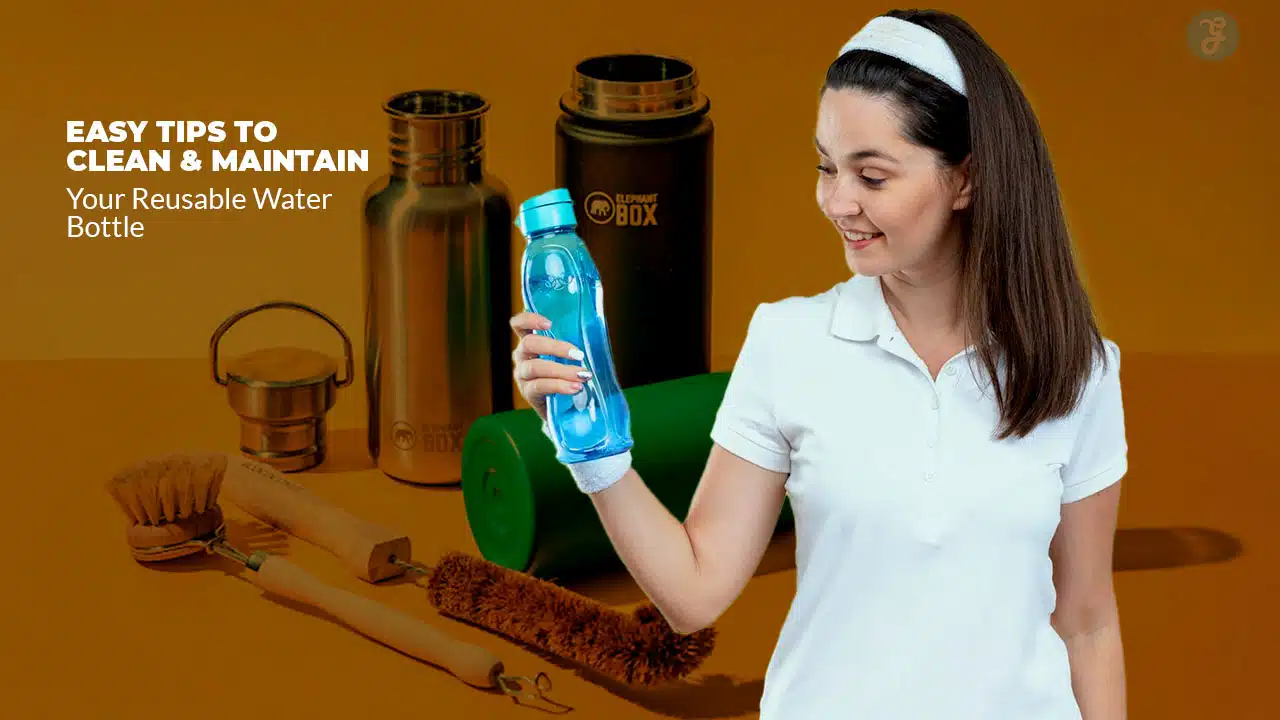
Reusable water bottles have become a staple for eco-conscious individuals and health enthusiasts. They help reduce plastic waste, keep you hydrated, and often save money in the long run. However, to reap the benefits fully, it’s crucial to clean and maintain your reusable water bottle regularly.
Neglecting this essential task can lead to unpleasant odors, bacteria buildup, and even health risks. Here, we’ll delve into 5 easy tips to clean and maintain your reusable water bottle so you can keep it in top-notch condition for years to come.
Why Cleaning Your Reusable Water Bottle Matters?
Using a reusable water bottle is excellent for the environment and your health, but improper maintenance can lead to issues. Over time, residues from water, coffee, smoothies, or other beverages can accumulate, creating the perfect environment for bacteria and mold to thrive.
Studies have shown that unclean water bottles can harbor harmful bacteria such as E. coli and Staphylococcus. To avoid potential health risks, regular cleaning and proper maintenance are non-negotiable.
Additionally, a well-maintained water bottle lasts longer and remains odor-free, ensuring you enjoy a fresh-tasting beverage every time. Now, let’s dive into 5 easy tips to clean and maintain your reusable water bottle effectively.
Tip 1: Rinse Your Bottle Daily
Why Daily Rinsing Is Important
Daily rinsing is the first and simplest step to keeping your bottle clean. It prevents residue buildup and reduces the chances of bacteria growth. Even if you’ve only filled your bottle with water, minerals from tap water can leave a film that fosters bacteria. Regular rinsing ensures your bottle stays hygienic and free of unpleasant odors.
How to Rinse Properly
- Empty your bottle at the end of each day.
- Use warm water and a small amount of dish soap.
- Swirl the soapy water around, focusing on areas like the cap threads and spout.
- Rinse thoroughly to remove all soap.
Practical Example:
If you’ve used your bottle for smoothies or protein shakes, rinse it immediately after use. A quick rinse prevents sticky residue and foul smells from forming.
Quick Reference Table:
| Step | Materials Needed | Duration |
| Empty bottle | None | 1 minute |
| Add soap | Dish soap, warm water | 1 minute |
| Rinse | Clean water | 2 minutes |
Additional Tips:
- For added freshness, rinse your bottle with lemon water occasionally. The natural acidity helps combat odors.
- Use a microfiber cloth to dry the outside to prevent water spots.
Tip 2: Deep Clean Weekly
While daily rinsing helps, a deeper cleaning is necessary at least once a week to remove any stubborn residue, odors, or bacteria that daily rinsing might miss. Weekly deep cleaning ensures your bottle remains hygienic and odor-free, especially if you use it for beverages other than water.
Methods for Deep Cleaning
1. Use Baking Soda and Vinegar:
- Add a teaspoon of baking soda and a tablespoon of white vinegar to your bottle.
- Let the mixture foam up, then fill the rest of the bottle with warm water.
- Allow it to sit for 15 minutes before scrubbing and rinsing thoroughly.
2. Dishwasher Cleaning:
- If your bottle is dishwasher-safe, place it on the top rack for a thorough clean.
- Remove rubber seals or caps if they aren’t dishwasher-safe to avoid damage.
3. Bleach Solution for Tough Stains:
- Mix one teaspoon of bleach with a quart of water.
- Pour the solution into your bottle and let it soak for 5-10 minutes.
- Rinse thoroughly to ensure no bleach residue remains.
Practical Example:
A stainless-steel bottle that hasn’t been cleaned for weeks may develop a metallic odor. Deep cleaning with baking soda and vinegar eliminates the smell and restores its freshness.
Cleaning Methods Comparison Table:
| Cleaning Method | Best For | Time Required |
| Baking Soda & Vinegar | Odor and residue | 15 minutes |
| Dishwasher | General cleaning | 1 cycle |
| Bleach Solution | Stains and bacteria | 10 minutes |
Additional Tips:
- Use hydrogen peroxide as an alternative for a chemical-free deep clean.
- Don’t forget to clean the exterior—especially the base, which often touches various surfaces.
Tip 3: Dry Your Bottle Completely
Moisture is a breeding ground for bacteria and mold. Even after cleaning, failing to dry your reusable water bottle completely can negate your efforts. A dry bottle ensures your beverages remain fresh and free of contaminants.
Steps to Dry Your Bottle
- After washing, use a clean towel to wipe away excess water.
- Leave the bottle open and upside down on a drying rack to air-dry completely.
- Ensure the cap, lid, and any additional components are also dry before reassembling.
Practical Example:
A reusable bottle stored with moisture inside can develop a musty odor. Always air-dry it completely to avoid this issue.
Drying Checklist:
| Component | Drying Method | Time Needed |
| Bottle Body | Air dry, towel | 2-4 hours |
| Cap/Lid | Air dry, towel | 1-2 hours |
| Rubber Seals | Air dry | 1 hour |
Additional Tips:
- Use a bottle drying rack with proper ventilation.
- Flip the bottle intermittently to ensure even drying inside and out.
Tip 4: Store Your Bottle Properly
Storing your reusable water bottle correctly can prevent contamination and maintain its quality. Poor storage habits, such as leaving your bottle sealed with residual water, can create a damp environment ideal for bacteria growth.
Best Practices for Storage
- Always store your bottle with the cap off to allow air circulation.
- Keep it in a cool, dry place away from direct sunlight.
- Avoid storing your bottle near strong-smelling items to prevent odors from transferring.
Practical Example:
If you store your bottle in a gym bag, make sure it’s clean and dry to avoid transferring odors from sweaty clothes.
Storage Tips Table:
| Do’s | Don’ts |
| Store in dry areas | Leave moisture inside |
| Cap off for ventilation | Store near strong odors |
| Use a bottle organizer | Expose to direct sunlight |
Additional Tips:
- Consider using silica gel packs to absorb any residual moisture.
- Label your bottle if you store multiple ones to keep track of use and cleaning schedules.
Tip 5: Replace Worn-Out Parts
Even with diligent care, parts of your reusable water bottle can wear out over time. Seals, caps, and straws are especially prone to damage, which can compromise the bottle’s hygiene and functionality.
When to Replace Parts
- Rubber Seals: Replace if they show signs of cracking or mold.
- Straws and Spouts: Swap out if they’re discolored, warped, or difficult to clean.
- Bottle Itself: If your bottle develops permanent odors, scratches, or leaks, it’s time for a replacement.
Practical Example:
A cracked rubber seal can lead to leaks and bacteria buildup. Replace it promptly to maintain the bottle’s performance.
Replacement Guide Table:
| Component | Signs of Wear | Replacement Frequency |
| Rubber Seals | Cracks, discoloration | 6-12 months |
| Straws/Spouts | Warping, staining | 6-12 months |
| Bottle Body | Odors, leaks | 1-2 years |
Additional Tips:
- Keep spare parts on hand to avoid interruptions in use.
- Check the manufacturer’s warranty for free or discounted replacements.
Additional Maintenance Tips
Here are a few bonus tips to further help you clean and maintain your reusable water bottle:
- Avoid Harsh Cleaners: Stick to mild dish soap or natural cleaning agents to avoid damaging the bottle’s material.
- Know Your Material: Whether your bottle is stainless steel, glass, or plastic, follow cleaning guidelines specific to its material.
- Rotate Bottles: If you own multiple bottles, rotate their use to extend their lifespan.
- Track Cleaning: Set a weekly reminder on your phone to deep clean your bottle.
Wrap Up
Keeping your reusable water bottle clean and well-maintained is essential for your health and the longevity of the bottle. By following these 5 easy tips to clean and maintain your reusable water bottle, you’ll enjoy fresh-tasting drinks, avoid harmful bacteria, and make the most of your eco-friendly investment.
Remember, a little effort goes a long way in ensuring your bottle remains a reliable companion for years to come. Start incorporating these tips into your routine today and experience the difference!