

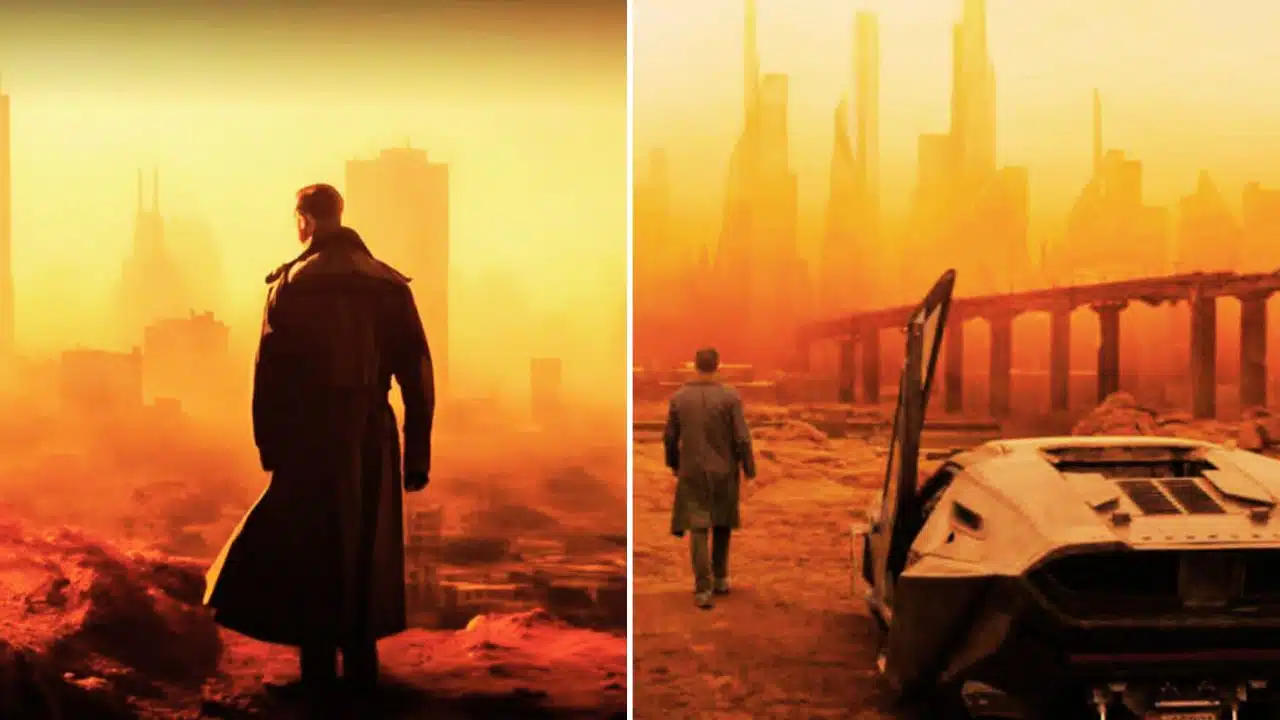
In a lawsuit filed on Tuesday, Alcon Entertainment, the company that holds exclusive rights to the 2017 science fiction film Blade Runner 2049, accused Tesla’s CEO Elon Musk and Warner Bros. Discovery (WBD) of conspiring to steal an image from the movie without proper authorization. According to the complaint, the image was used during a Tesla cybercab event and was allegedly generated using artificial intelligence (AI) to avoid paying for the rights. Alcon is now seeking damages for what they consider a deliberate infringement of their copyright.
Alcon’s Legal Action and Claims Against Musk and WBD
Alcon Entertainment, the producer of Blade Runner 2049, has accused Elon Musk and WBD of violating their intellectual property rights by using a visually distinctive image from the film without obtaining proper permission. The lawsuit highlights that Musk personally used AI technology to generate a stylized version of the film still for a Tesla cybercab event. Alcon alleges that this was done despite their express refusal to grant permission and after WBD’s last-minute attempt to secure rights just hours before the event.
The complaint, filed in a California court, argues that Musk’s cybercab event used this AI-generated image to establish an association between the Tesla brand and Blade Runner 2049, capitalizing on the film’s iconic status in the realm of futuristic technology and autonomous vehicles. The lawsuit suggests that the image was not simply a coincidence or broad homage to sci-fi aesthetics but a calculated attempt to leverage the Blade Runner brand to benefit Tesla’s own marketing efforts.
Alcon’s Rejection: Denying Any Association with Tesla and Musk
According to Alcon’s legal filing, WBD approached them with a request to use Blade Runner 2049 imagery a mere six hours before the Tesla event. Alcon claims they quickly and unequivocally rejected the request, objecting to any affiliation between their film and Musk’s cybercab. Alcon’s co-CEOs, Andrew Kosove and Broderick Johnson, refused all permissions, citing concerns over Musk’s increasingly polarizing image and the potential damage it could cause to their brand.
In their complaint, Alcon states that they learned just enough information about the proposed event to firmly reject the idea of any association between their film and Tesla’s cybercab project. They were particularly concerned about the perception of aligning Blade Runner 2049—a film that explores dark, dystopian themes—with Musk’s controversial public persona and Tesla’s technology-driven vision of the future.
Concerns About Musk’s Controversial Public Image
Alcon’s lawsuit heavily emphasizes the potential harm that associating with Musk could bring to their company. Musk, who has become an increasingly outspoken and divisive figure in global and political circles, is seen as problematic by many within Hollywood. Alcon expressed particular concern about the damage Musk’s involvement could do to their efforts to secure partnerships with other brands and talent for future projects, including the highly anticipated Blade Runner 2099 television series, which is currently in the works.
The complaint details how Hollywood’s talent pool could be deterred from working with Alcon if they believed the company was aligning with Musk and Tesla. Alcon’s leadership is particularly worried about alienating top-tier actors, directors, and other creatives, many of whom may view Musk’s political and social views as toxic. This concern, Alcon argues, extends beyond just the film industry to potential brand partnerships with car companies and other technology firms interested in collaborating with the Blade Runner franchise.
Allegations of Bad Faith: Misuse of the Blade Runner Brand for Tesla’s Benefit
Despite Alcon’s firm rejection of the request, the lawsuit claims that Tesla went ahead with using the Blade Runner 2049 imagery during the cybercab event. Alcon argues that Tesla and WBD acted in bad faith by using the image after it was clear that they did not have permission. The lawsuit alleges that Musk and Tesla were attempting to exploit the brand recognition of Blade Runner to enhance the allure of the cybercab, linking Tesla’s futuristic vision of autonomous vehicles to the film’s iconic portrayal of artificial intelligence and flying cars.
The lawsuit describes Tesla’s actions as a “bad faith and malicious gambit” to associate their cybercab with a major Hollywood brand at a time when both Musk and Tesla are struggling to maintain positive relationships with the entertainment industry. Alcon believes that Tesla’s use of Blade Runner 2049 imagery was a strategic move to draw parallels between the movie’s futuristic technology—particularly the AI-powered “spinner” flying cars—and Tesla’s self-driving cars.
Why Musk Wanted Blade Runner: Autonomous Vehicles and AI Appeal
The complaint provides further insight into why Musk specifically targeted Blade Runner 2049 for this event, despite the potential risks. According to Alcon, the film’s depiction of AI-driven autonomous vehicles, particularly the “spinner” flying car, is “extremely relevant” to Tesla’s ongoing efforts to market their self-driving cars and AI technologies. The lawsuit describes the spinner as one of the most iconic vehicles in science fiction history, likening its status to other famous cars from films like the Back to the Future DeLorean and the light cycles from Tron: Legacy.
Alcon argues that Musk and Tesla saw the Blade Runner spinner as a valuable symbol that could help boost the cybercab’s image by drawing on the film’s portrayal of a high-tech, AI-powered future. The lawsuit suggests that other films in WBD’s catalog, such as the Mad Max series, may have fit Musk’s apocalyptic theme better, but they did not offer the same consumer appeal or AI-driven technological relevance that Blade Runner did.
AI-Generated Image: Musk’s Alleged Involvement in Creating the Fake Blade Runner Image
During the Tesla event, Musk introduced the cybercab with a slideshow that included a still image that appeared to reference a key scene from Blade Runner 2049. The image, which was on screen for approximately 11 seconds, showed a male figure standing in silhouette, gazing out over the ruins of a city bathed in a misty orange glow. The scene bears a striking resemblance to a promotional still from Blade Runner 2049, where the film’s protagonist, K (played by Ryan Gosling), surveys the ruins of Las Vegas.
Alcon’s lawsuit alleges that this image was generated using AI technology, possibly by Musk himself. The complaint suggests that Musk or someone on his team likely used an AI image generation tool with a prompt similar to “an image from the K surveying ruined Las Vegas sequence of Blade Runner 2049.” Alcon believes that this AI-generated image was created to skirt their copyright and avoid paying the significant fees typically associated with using such a well-known film still in promotional materials.
The lawsuit further claims that Musk erased any ambiguity about the image’s source by directly referencing Blade Runner 2049 during the event. Musk reportedly stated, “I love Blade Runner, but I don’t know if we want that future,” further solidifying the connection between the image and the film in the minds of viewers.
Impact on Alcon’s Business: Potential Financial and Reputational Harm
Alcon’s lawsuit argues that the unauthorized use of Blade Runner 2049 imagery could have serious financial and reputational consequences for the company. The complaint highlights that carmakers have historically paid millions of dollars to associate their vehicles with the Blade Runner brand, and Tesla’s decision to bypass this process represents a significant loss of potential revenue for Alcon.
In addition to lost profits, Alcon claims that Tesla’s actions have caused reputational harm by linking the Blade Runner brand to a polarizing figure like Musk. The lawsuit points to the potential for lost business opportunities, including partnerships with other car brands and access to top Hollywood talent, as a result of the unauthorized association with Tesla and Musk.
Musk’s Response to the Lawsuit
Following the news of the lawsuit, Musk took to X (formerly Twitter) to respond to the accusations. In a brief and dismissive comment, Musk wrote, “That movie sucks,” in response to a post about Alcon’s legal action. This reaction contrasts with Musk’s earlier comments during the Tesla event, where he had praised Blade Runner as one of his favorite films, indicating a shift in tone following the lawsuit.
Musk’s dismissive response has sparked further debate among fans of the film, many of whom rated Blade Runner 2049 highly—giving it an 88% fresh rating on Rotten Tomatoes. The lawsuit has only intensified the conversation around Musk’s polarizing public image and his controversial business practices.
What’s Next for the Legal Battle?
Alcon is seeking significant damages from both Tesla and WBD, including compensation for lost profits, reputational damage, and copyright infringement penalties. The lawsuit also demands an injunction to prevent Tesla from using any Blade Runner 2049 imagery in future promotional materials, as well as a disclaimer on the livestreamed event video, clarifying that the association between Tesla and Blade Runner is false and misleading.
As the legal battle unfolds, it remains to be seen how Musk, Tesla, and WBD will respond to the accusations. If found guilty of copyright infringement and false representation, the companies could face substantial financial penalties, along with lasting damage to their relationships within Hollywood and the broader entertainment industry.
For Musk, this lawsuit represents yet another challenge as he continues to navigate the complexities of his public image, his businesses, and his relationship with the media. The case also raises important questions about the role of AI in content creation and the ethical implications of using AI-generated images in high-profile commercial events.
























