Tesla is set to launch an unsupervised robotaxi service in Austin, Texas, this June, according to CEO Elon Musk. Speaking during the company’s earnings call on Wednesday, Musk stated that Tesla will introduce a “no one in the car” ride-hailing service as part of its broader push toward full autonomy.
“We just want to put a toe in the water, make sure everything’s okay, put a few more toes in the water, with safety of the general public and those in the car as a top priority,” Musk emphasized.
Tesla-Owned Fleet, Not Customer Vehicles
Unlike previous statements from Musk about Tesla customers adding their vehicles to a shared “Tesla Network,” this fleet will be entirely owned by Tesla. The robotaxis will be available for paid trips, and they will operate without human drivers behind the wheel, Musk claimed.
Tesla’s Long Road to Autonomy
Musk has long promised fully autonomous vehicles, repeatedly suggesting they were only a few years away. However, those predictions have not materialized. Now, the timeline has been shortened significantly, with Musk stating, “This is not some far-off, mythical situation. It’s literally, you know, five, six months away.”
Full Self-Driving Progress and AI Training Surge
Tesla reported in its shareholder letter that customers have driven over 3 billion miles using its Full Self-Driving (FSD) Supervised mode as of January 2025. While the company considers FSD Supervised a stepping stone toward full autonomy, Tesla advises users to stay alert as the system does not yet make vehicles fully autonomous.
Additionally, Tesla claims to have increased its artificial intelligence (AI) training compute by over 400% in 2024, highlighting its commitment to advancing self-driving technology.
Recent Testing and Autonomous Demonstrations
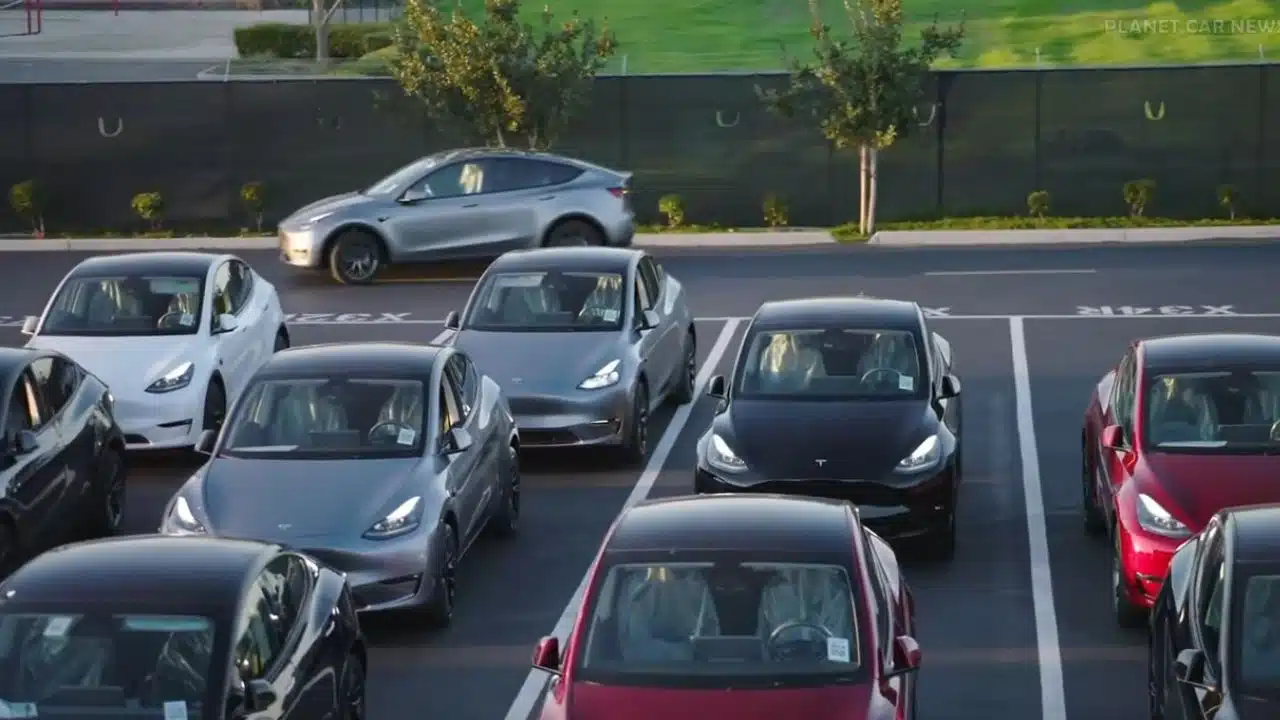
Tesla recently shared footage of dozens of Model 3 and Model Y vehicles driving autonomously on a 1.2-mile route within the company’s private factory roads. The cars operated without human safety drivers, marking a step toward unsupervised operation at Tesla’s Texas factory.
Bloomberg has also reported that Tesla has been in discussions with Austin’s autonomous vehicle task force regarding the launch of its robotaxi service.
Tesla’s Unique Approach to Autonomy and Safety Concerns
Tesla’s approach to autonomous driving differs from most other companies in the field. The automaker relies solely on cameras for its vehicle perception system and does not use lidar sensors, which other firms employ as an added layer of safety.
However, Tesla has faced criticism over the transparency of its safety data. The company releases selective statistics, often without full details, leading to concerns from safety advocates. Additionally, FSD Supervised has struggled with issues such as poor visibility in wet conditions and sunlight glare. There have also been reports of the system failing to detect motorcyclists, with one fatal accident occurring earlier this year outside of Seattle.
Expansion Plans and Regulatory Hurdles
Tesla has been testing a robotaxi service with employees in the Bay Area since last year, but those vehicles had human safety drivers ready to intervene. Musk has expressed confidence that Tesla will expand unsupervised FSD operations to California and other parts of the U.S. later this year.
However, regulatory challenges remain. Tesla is not currently licensed to operate a commercial autonomous ride-hailing service in California. Musk has stated that a broader rollout, including a paid ride-hailing service in California and Texas, is expected to begin in 2025, pending regulatory approval.
Cybercab and the Future of Tesla’s Autonomous Fleet
Last year, Musk revealed Tesla’s upcoming Cybercab, a sleek autonomous vehicle set to enter production in 2026. As Tesla continues to push forward with its self-driving ambitions, the launch of its Austin-based robotaxi service in June could mark a significant milestone in the company’s long-term vision for autonomous mobility.
With just a few months until the proposed launch, the industry and regulators will be closely watching whether Tesla can finally deliver on its long-awaited promise of fully autonomous driving.
The Information is Collected from Verge and USA Today.