

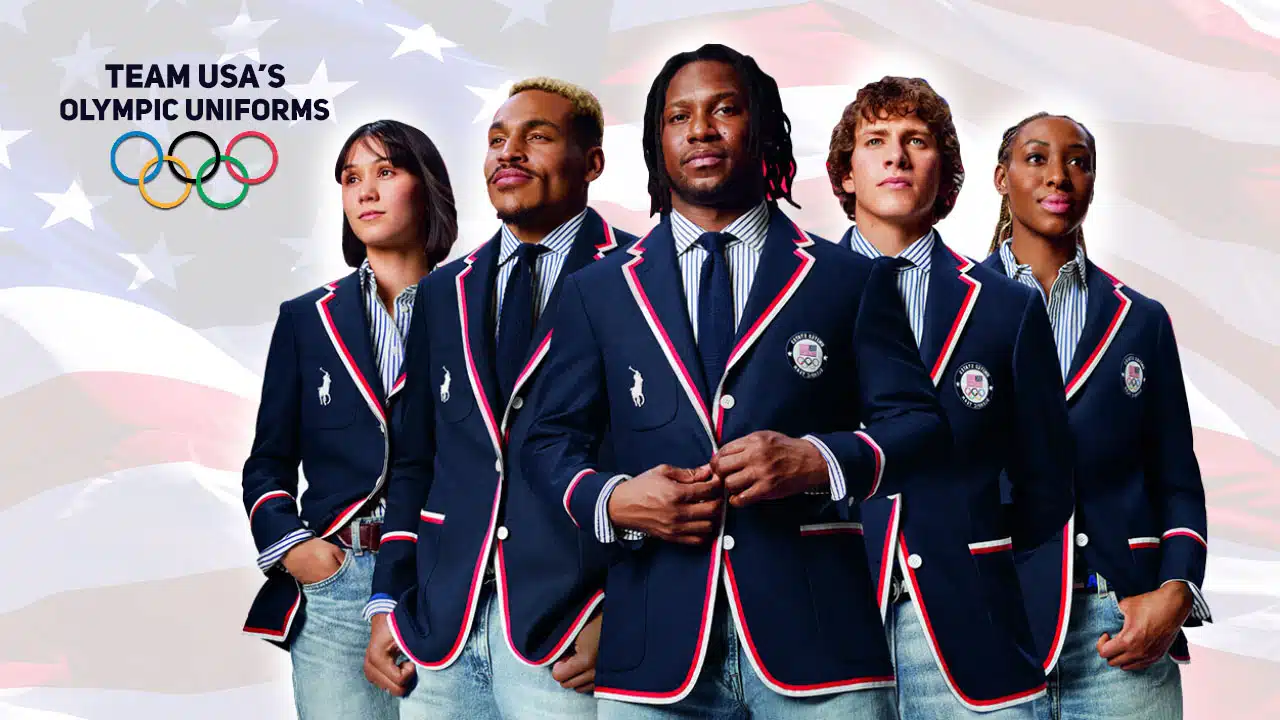
The Olympic Games are a spectacular global event, showcasing the best athletes from around the world. For Team USA, the Olympics are a stage to demonstrate not just athletic excellence but also national pride, unity, and identity. One of the most visible symbols of this pride is the Team USA uniform. These uniforms have evolved over the years, combining functionality with style, and embodying the spirit of the United States. Let’s dive into the rich history, design elements, and significance of these iconic uniforms.
A Journey Through History
Early Beginnings: 1904-1950s
In the early 20th century, Team USA’s Olympic uniforms were practical and straightforward. The 1904 St. Louis Olympics saw athletes in simple white shirts and shorts, adorned with the American flag. These early uniforms prioritized functionality over fashion, focusing on the athletes’ comfort and performance.
The Fashion Evolution: 1960s-1980s
By the 1960s, Olympic uniforms began to reflect the era’s fashion trends. The 1960 Rome Olympics marked a turning point with designer André Courrèges introducing more stylish, modern uniforms. The 1984 Los Angeles Olympics, hosted by the USA, featured uniforms designed by Levi’s, blending American fashion with sportswear. These designs were not only functional but also visually striking, leaving a lasting impression.
Iconic Designs: 1990s-Present
The 1996 Atlanta Olympics saw Nike become the official outfitter for Team USA. Nike’s innovative approach introduced high-tech fabrics and advanced designs, setting new standards for athletic wear. The uniforms for the 2000 Sydney Olympics, designed by Nike, showcased a perfect blend of technology and style, enhancing athlete performance while looking sleek and modern.
Design Elements
Colors and Symbols
The primary colors of Team USA’s uniforms are red, white, and blue, representing the American flag. These colors are more than just a design choice; they are a powerful symbol of national pride. The uniforms often feature the Olympic rings, the USA logo, and the American flag in various forms, adding to their patriotic appeal.
Innovation and Technology
Modern Team USA uniforms are designed with cutting-edge technology. They use lightweight, breathable, and moisture-wicking fabrics to help athletes stay cool and comfortable. Nike, the main designer for recent games, has also introduced uniforms made from recycled materials, reflecting a commitment to sustainability.
The Role of Designers and Manufacturers
Ralph Lauren: Elegance and Patriotism
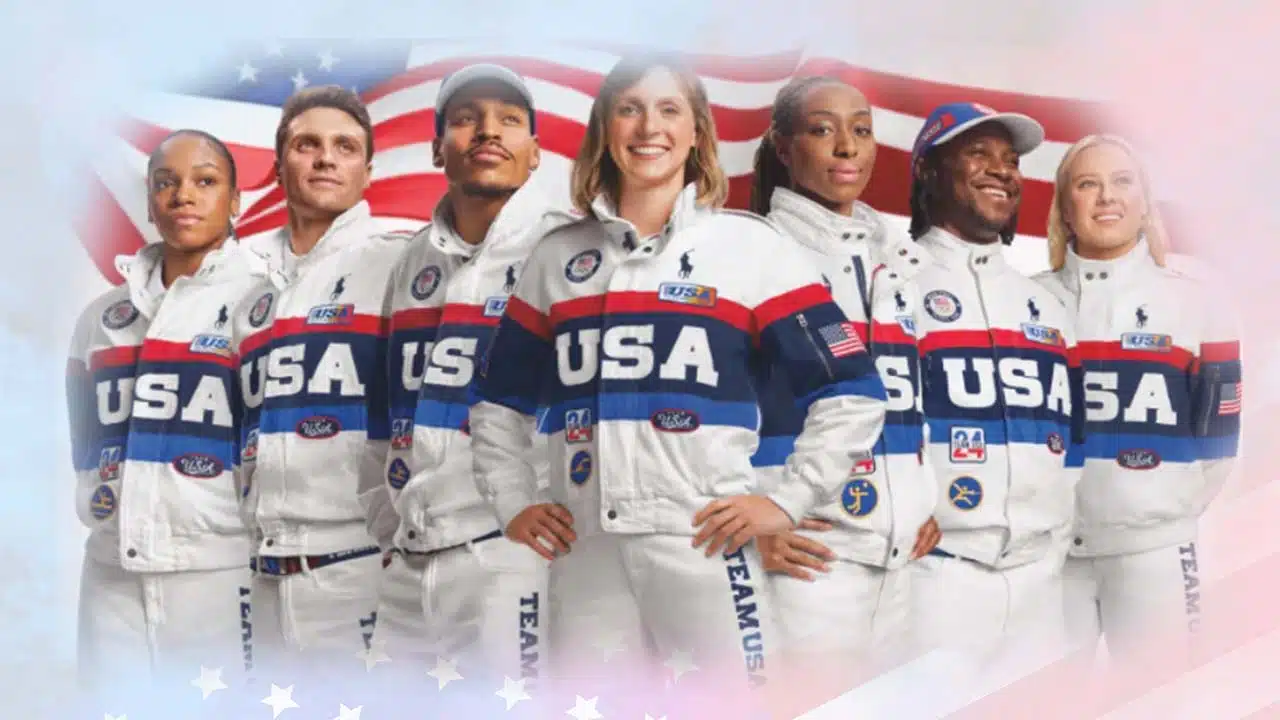
Since 2008, Ralph Lauren has been a key player in designing Team USA’s Olympic uniforms. Known for his classic American style, Ralph Lauren has brought elegance and sophistication to the uniforms. The opening and closing ceremony outfits, in particular, have been widely praised for their style and patriotism.
Nike: Innovation and Performance
Nike has been the official outfitter for Team USA’s competition uniforms since the 1996 Atlanta Olympics. Nike’s focus on innovation and performance has led to the creation of high-tech, functional uniforms that help athletes perform at their best. The uniforms are the result of extensive research and development, ensuring they meet the rigorous demands of Olympic competition.
Significance of the Uniforms
Symbol of Unity and National Pride
Team USA’s uniforms are more than just athletic wear; they are a symbol of unity and national pride. When athletes don their uniforms, they are not just representing themselves but the entire nation. The uniforms serve as a reminder of the values and spirit of the United States.
Boosting Athlete Morale
Wearing the iconic Team USA uniform can be a significant morale booster for athletes. The sense of pride and honor associated with the uniform can enhance their confidence and motivation, contributing to their overall performance.
Fan Engagement and Merchandise
Team USA uniforms are also a major part of fan engagement. Fans eagerly await the unveiling of the new designs for each Olympic Games and often purchase replica uniforms as a way to show their support. The uniforms become a part of the Olympic experience, connecting fans to the athletes and the games.
Evolution of the Uniforms Through Recent Olympics
2012 London Olympics
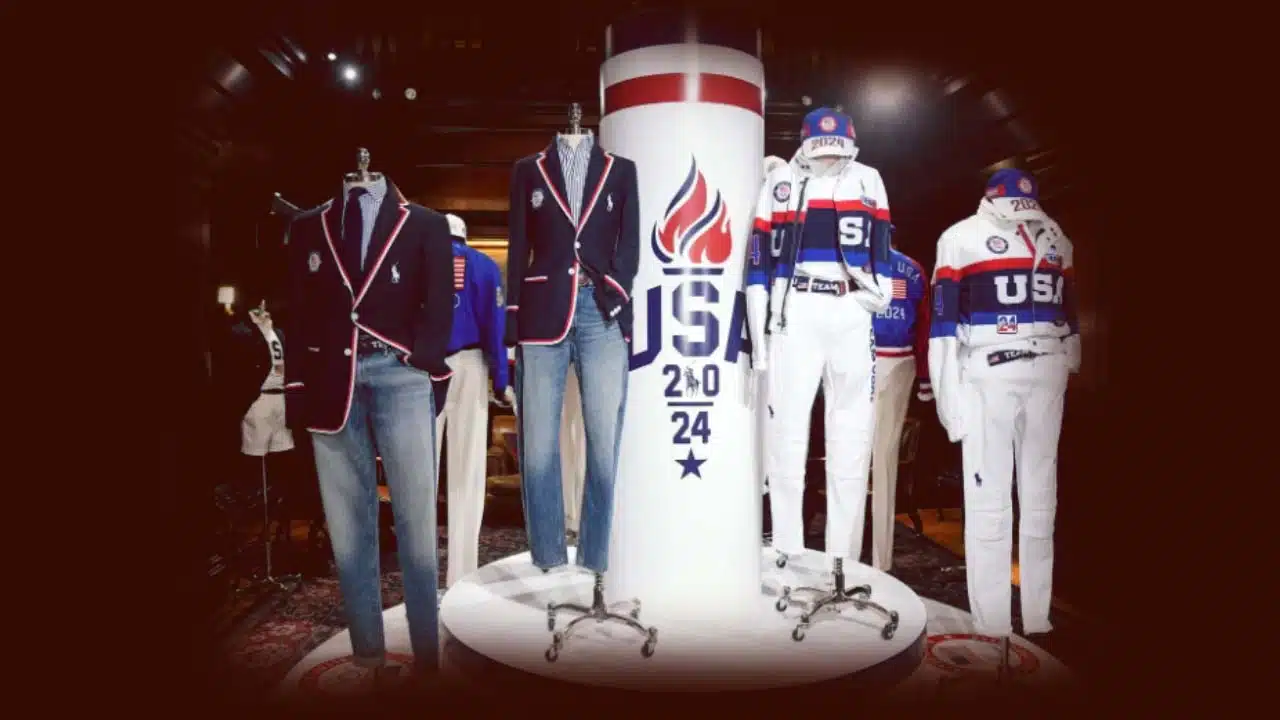
The 2012 London Olympics featured uniforms designed by Ralph Lauren for the opening and closing ceremonies. The designs were inspired by classic American sportswear, with a modern twist. Nike’s competition uniforms introduced advanced fabrics and a sleek, streamlined look.
2016 Rio Olympics
For the 2016 Rio Olympics, Ralph Lauren continued its tradition of elegant designs for the ceremonial outfits, incorporating patriotic elements and sustainable fabrics. Nike’s competition uniforms for the Rio games focused on enhancing performance with lightweight, breathable materials.
2020 Tokyo Olympics
The 2020 Tokyo Olympics, delayed to 2021 due to the COVID-19 pandemic, saw Ralph Lauren and Nike once again collaborating on the uniforms. Ralph Lauren’s designs for the opening and closing ceremonies were lauded for their modern take on classic American style. Nike’s competition uniforms featured innovative technology, including recycled polyester and engineered mesh for optimal performance.
Takeaways
Team USA’s Olympic uniforms are a blend of tradition, innovation, and style. They symbolize national pride and unity, reflecting the spirit of the United States and the Olympic Games. From their humble beginnings to the high-tech, stylish designs of today, these uniforms have evolved significantly, becoming an integral part of the Olympic experience for athletes and fans alike. As we look forward to future Olympics, the anticipation for the next set of iconic Team USA uniforms continues to grow.






















