
Australia has emerged as a global hub for technology and innovation, offering entrepreneurs access to a range of tax benefits. These tax credits for tech entrepreneurs in Australia are designed to support startups, enabling them to allocate more resources to innovation and growth.
By understanding and leveraging these tax incentives, you can enhance your business’s financial sustainability while staying competitive in the global market.
This article dives deep into tax credits for tech entrepreneurs in Australia, providing actionable insights, examples, and tips to help you maximize your benefits.
Why Tax Credits Are Vital for Tech Entrepreneurs
Running a tech startup in Australia can be financially demanding, especially when managing costs for R&D, marketing, and staffing. Fortunately, tax credits for tech entrepreneurs in Australia serve as lifelines for businesses striving to scale their operations and pursue innovation.
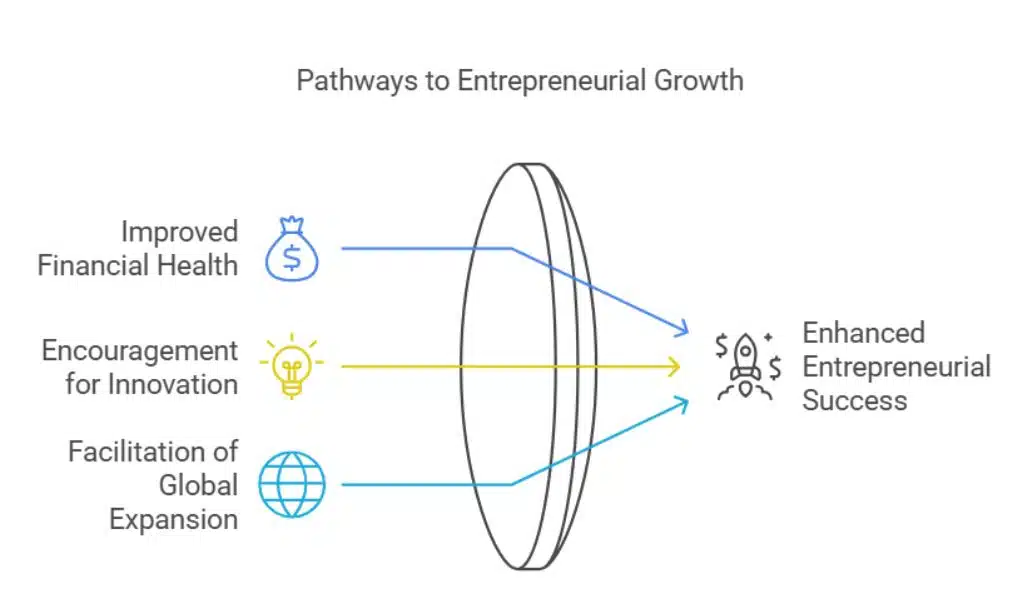
Key Benefits of Tax Credits
- Improved Financial Health: Offset significant operational costs.
- Encouragement for Innovation: Programs like the R&D Tax Incentive enable startups to fund experimental projects.
- Facilitation of Global Expansion: Programs such as the Export Market Development Grant (EMDG) help Australian businesses enter international markets.
Pro Tip: Regularly monitor changes in tax credits for tech entrepreneurs in Australia to take full advantage of updated programs and eligibility criteria.
1. Research and Development (R&D) Tax Incentive
The R&D Tax Incentive is among the most impactful tax credits for tech entrepreneurs in Australia, designed to promote technological advancements and innovation.
What It Covers
- Up to 43.5% refundable tax offset for small businesses investing in eligible R&D activities.
- Applicable to expenses like wages, equipment, and materials directly linked to R&D.
Eligibility Criteria
- The project must involve a systematic process aimed at creating new knowledge.
- Activities should meet the government’s guidelines for R&D.
Real-Life Example
A Sydney-based AI startup conducting research on predictive healthcare analytics saved $300,000 by claiming the R&D Tax Incentive, which is one of the most widely-used tax credits for tech entrepreneurs in Australia.
Key Details Table:
| Aspect | Details |
| Eligible Expenses | Salaries, R&D materials, and equipment |
| Refundable Offset | 43.5% for small businesses |
| Submission Deadline | 10 months post-financial year |
2. Early Stage Innovation Company (ESIC) Tax Incentives

The ESIC tax incentive is another valuable program among tax credits for tech entrepreneurs in Australia. It attracts investors to early-stage startups by providing tax offsets and capital gains tax (CGT) exemptions.
What It Covers
- A 20% non-refundable tax offset on eligible investments.
- CGT exemption for shares held for over 12 months and up to 10 years.
Eligibility Criteria for ESIC Status
- Businesses must have a turnover below $1 million.
- Must demonstrate innovation through a points-based or certification process.
Real-Life Example
An EdTech startup in Melbourne achieved ESIC status and raised $1 million in funding. The investor-friendly nature of tax credits for tech entrepreneurs in Australia like the ESIC program was pivotal in closing their seed round.
Key Details Table:
| Aspect | Details |
| Investor Benefits | 20% tax offset + CGT exemption |
| Company Requirement | Turnover under $1M, innovation focus |
| Application Process | Certification through ATO or innovation test |
3. Export Market Development Grant (EMDG)
Expanding internationally is crucial for Australian tech startups, and the EMDG program stands out as a top option among tax credits for tech entrepreneurs in Australia. It reimburses businesses for eligible expenses related to promoting products or services overseas.
What It Covers
- Up to 50% reimbursement of export promotion costs, capped at $150,000 per year.
- Expenses include trade show participation, digital advertising, and marketing campaigns.
Real-Life Example
A Queensland-based SaaS company leveraged the EMDG to fund their presence at a global tech conference. This support, one of the most impactful tax credits for tech entrepreneurs in Australia, enabled the company to secure international clients and grow its revenue by 25%.
Key Details Table:
| Aspect | Details |
| Eligible Activities | Marketing, trade shows, digital advertising |
| Maximum Grant | $150,000 annually |
| Application Timeline | Quarterly submissions |
4. Accelerated Depreciation for Startups
Accelerated depreciation is a lesser-known but highly beneficial option among tax credits for tech entrepreneurs in Australia. It allows businesses to write off asset costs faster, easing cash flow constraints.
What It Covers
- Immediate deduction for assets up to $150,000, including computers, machinery, and office furniture.
Real-Life Example
A Canberra-based startup invested $100,000 in new servers and claimed accelerated depreciation. Leveraging this program, a key example of tax credits for tech entrepreneurs in Australia, allowed them to reinvest the savings into marketing campaigns.
Key Details Table:
| Aspect | Details |
| Eligible Assets | Tech equipment, vehicles, machinery |
| Deduction Amount | Up to $150,000 |
| Tax Benefit | Immediate write-off |
5. Instant Asset Write-Off

Like accelerated depreciation’s cool cousin, the instant asset write-off lets you claim immediate deductions for smaller purchases.
What It Covers
- Assets valued up to $20,000, including laptops, servers, and even furniture.
Key Details Table:
| Aspect | Details |
| Threshold Amount | $20,000 per asset |
| Eligible Assets | Office equipment, furniture, tech gear |
| Timing | Within the financial year |
6. JobMaker Hiring Credit
Hiring young talent? The JobMaker Hiring Credit reduces the cost of onboarding new employees while supporting job creation.
What It Covers
- Up to $200 per week for employees aged 16–29.
- $100 per week for employees aged 30–35.
Key Details Table:
| Aspect | Details |
| Age Bracket | 16–29 ($200/week), 30–35 ($100/week) |
| Employee Requirement | Increased headcount |
| Claim Process | Through Single Touch Payroll (STP) |
7. Energy Efficiency Incentives
Sustainability isn’t just a buzzword—it’s good business. Energy efficiency incentives provide rebates for eco-friendly upgrades like solar panels and energy-efficient tech.
What It Covers
- Rebates for renewable energy systems and energy-efficient appliances.
Key Details Table:
| Aspect | Details |
| Eligible Expenses | Solar panels, LED lighting, energy tech |
| Type of Benefit | Rebates and grants |
Takeaway
Navigating tax credits for tech entrepreneurs in Australia can unlock immense opportunities for cost savings, innovation, and growth. Programs like the R&D Tax Incentive and ESIC incentives are tailored to help businesses thrive in the competitive tech landscape.
Take proactive steps: Consult a tax expert, document your activities thoroughly, and explore all applicable programs.
For more actionable insights, visit Editorialge and start leveraging the full potential of tax credits for tech entrepreneurs in Australia to fuel your business success today!