
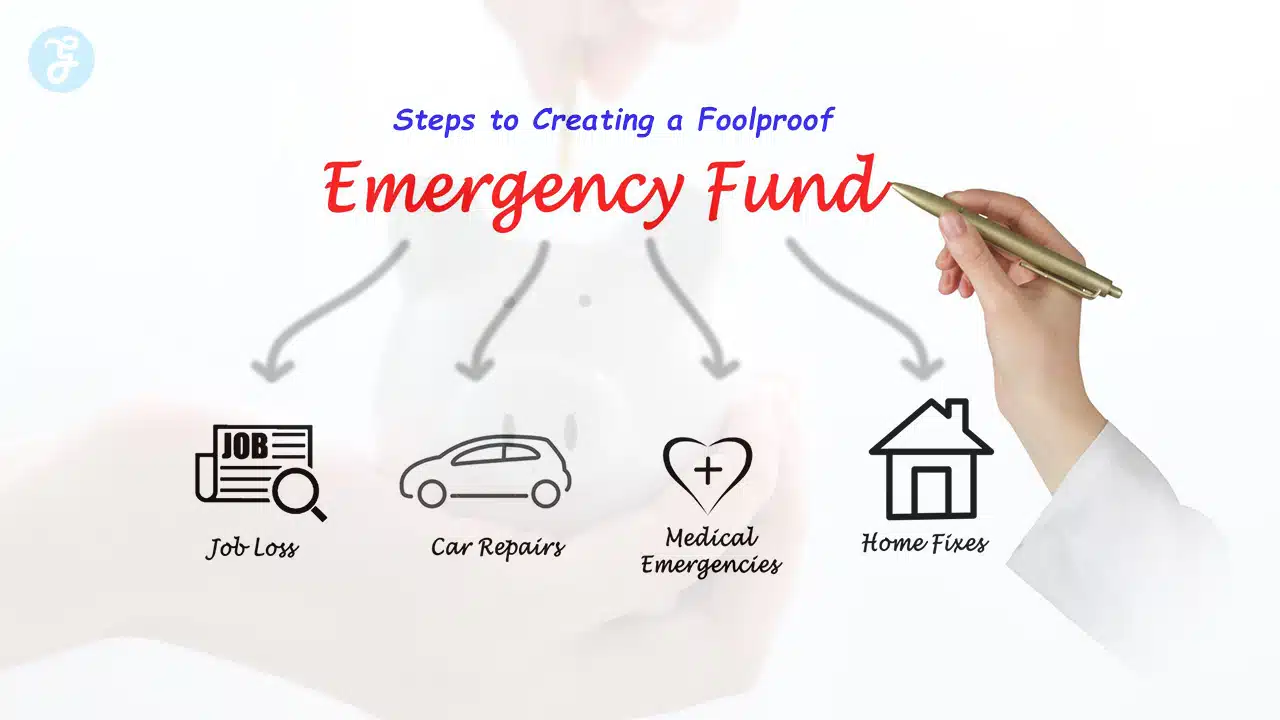
An emergency fund is the foundation of financial stability. It acts as a safety net when unexpected expenses arise—whether it’s an unplanned medical bill, a car repair, or even job loss.
Without an emergency fund, these events can turn into major financial setbacks, leading to stress and potentially forcing you into debt.
Creating a foolproof emergency fund can seem daunting at first, but by breaking it down into manageable steps, you’ll build a solid buffer that will help you weather any storm.
In this guide, we’ll walk you through 15 detailed steps to create a reliable and effective emergency fund, no matter your income or financial situation.
1. Understand the Purpose of an Emergency Fund
The first step in building an emergency fund is to understand its purpose. An emergency fund is a dedicated savings account that is set aside specifically for unexpected, urgent financial needs.
It is not meant to be spent on planned expenses or indulgences like vacations or new gadgets. Instead, it serves as a financial cushion for unexpected events such as:
- Sudden medical bills
- Car or home repairs
- Job loss or reduced income
- Urgent family needs
By keeping this fund separate from your regular savings or investments, you ensure that the money is only used when truly needed.
2. Set a Clear Emergency Fund Goal
Setting a target for your emergency fund is crucial. A common recommendation is to save enough to cover 3 to 6 months of living expenses. However, the exact amount depends on your personal circumstances, including:
- Income stability: If you have an unpredictable or fluctuating income, you may want to aim for closer to 6 months of expenses.
- Dependents: If you have children or other dependents, you might need a larger cushion to account for their needs.
- Job security: If your job or industry is at risk, having more in your emergency fund is wise.
Start by calculating your monthly essential expenses—things like rent or mortgage payments, utilities, groceries, and insurance. Multiply this amount by the number of months you want to cover.
3. Assess Your Monthly Expenses

Understanding your monthly expenses is key to setting your emergency fund target. Make a list of your essential expenses, which include:
- Housing (rent or mortgage)
- Utilities (electricity, water, gas)
- Groceries
- Insurance (health, car, home)
- Minimum debt payments
Avoid including non-essential expenses like dining out, streaming services, or gym memberships in this list. By focusing only on essentials, you’ll get a clearer picture of the minimum amount you need to save to keep yourself afloat in an emergency.
4. Start Small and Build Gradually
While saving 3 to 6 months of expenses might seem like a daunting goal, you don’t need to achieve it all at once. Start with a small initial goal—say $500 to $1,000. This amount will help cover minor emergencies, such as car repairs or medical co-pays, while you work toward a larger fund.
Building your emergency fund gradually helps maintain motivation and makes the process less overwhelming. Every small step you take brings you closer to your ultimate goal.
Tip: Break your savings into smaller milestones, such as reaching $500, then $1,000, and so on. Celebrate these small wins to stay motivated.
5. Automate Your Savings
One of the most effective ways to ensure consistent contributions to your emergency fund is by automating your savings. Set up automatic transfers from your checking account to a dedicated emergency fund savings account. This way, you won’t have to think about saving—it will happen automatically.
Choose a regular interval for these transfers, whether it’s monthly, biweekly, or aligned with your paychecks. Automating your savings helps you stay disciplined and prevents the temptation to skip contributions.
6. Open a Separate, Accessible Savings Account
Your emergency fund should be kept in a separate account that is easy to access but not too easy to spend. A high-yield savings account is a good choice, as it keeps your funds safe while earning interest. Look for accounts with:
- No fees
- Easy access for withdrawals
- FDIC insurance for security
- A competitive interest rate
By keeping your emergency fund in a separate account, you reduce the temptation to dip into it for non-emergencies while ensuring it’s available when you truly need it.
7. Prioritize Consistency Over Amount
The key to building an emergency fund is consistency. Even if you can only contribute a small amount each week or month, it’s more important to save regularly than to make occasional large deposits. Saving $50 or $100 each month might seem insignificant at first, but over time, it will add up to a significant amount.
Focus on developing the habit of saving, and as your financial situation improves, you can increase your contributions.
Tip: Set up a recurring reminder on your phone or calendar to review your contributions every few months and increase them if possible.
8. Cut Unnecessary Expenses to Boost Savings
One way to accelerate the growth of your emergency fund is by cutting unnecessary expenses and redirecting that money into your savings. Take a hard look at your monthly budget and identify areas where you can cut back, such as:
- Dining out
- Subscription services you don’t use
- Entertainment expenses
- Unnecessary shopping
By reducing these discretionary expenses, you can free up more money to contribute to your emergency fund.
Tip: Consider using a budgeting app to track your spending and identify where you can cut back. Redirect the savings into your emergency fund.
9. Use Windfalls Wisely
If you receive unexpected money, such as a work bonus, tax refund, or monetary gift, consider using it to give your emergency fund a significant boost. Windfalls are a great opportunity to accelerate your savings progress.
While it may be tempting to spend this extra cash on non-essentials, using a portion of it to pad your emergency fund will provide long-term financial security.
10. Track Your Progress Regularly

Monitoring your progress is essential to staying on track. Regularly check your emergency fund balance and contributions to ensure you’re moving toward your goal. This can also help you identify areas where you can improve your savings strategy.
Use a savings app or a simple spreadsheet to track your contributions. Set regular checkpoints, such as monthly or quarterly reviews, to assess your progress and adjust your savings plan if necessary.
11. Replenish the Fund After Use
At some point, you may need to dip into your emergency fund for a true financial emergency. When this happens, it’s essential to have a plan to replenish the fund as soon as possible. Prioritize rebuilding your emergency savings over other financial goals, such as vacations or discretionary spending, until the fund is fully restored.
Tip: Treat replenishing your emergency fund like paying off a debt—allocate a fixed amount from each paycheck until it’s back to its original level.
12. Avoid Dipping into the Fund for Non-Emergencies
One of the biggest challenges with an emergency fund is the temptation to use it for non-emergencies. It’s essential to distinguish between a real emergency and a non-urgent want. A true emergency is an unexpected, necessary expense that could negatively impact your financial stability, such as:
- A medical emergency
- Car repairs needed to commute to work
- Job loss or a major reduction in income
Non-emergencies might include things like a vacation, home decor upgrades, or impulse purchases. To avoid dipping into your emergency fund unnecessarily, consider creating separate savings accounts for vacations, gifts, and other discretionary expenses.
13. Adjust Your Fund Over Time
Your financial situation may change over time, which means your emergency fund may need to grow. Factors like a new job, a growing family, or a change in housing costs may increase the amount you need to feel secure.
Revisit your emergency fund target regularly, especially after major life events. If your monthly expenses increase, or if you gain more financial dependents, it’s wise to increase your emergency fund target accordingly.
14. Protect Your Fund from Inflation
Inflation can erode the purchasing power of your emergency fund over time. To protect against this, consider keeping your emergency fund in a high-yield savings account, which offers interest rates higher than traditional savings accounts.
While you don’t want to invest your emergency fund in the stock market due to the risk of losing value, a high-yield account can provide some protection against inflation while ensuring your money is readily accessible when needed.
Tip: Compare different high-yield savings account options and regularly monitor their interest rates to ensure your fund is earning as much as possible.
15. Celebrate Milestones and Stay Motivated
Saving money can sometimes feel like a thankless task, so it’s important to celebrate milestones along the way. When you reach key goals, such as saving your first $1,000 or covering one month of expenses, take a moment to acknowledge your progress. This positive reinforcement will help keep you motivated to continue saving.
Tip: Reward yourself with small, affordable treats—such as a nice dinner or a day trip—when you hit significant savings milestones. Just make sure not to derail your savings progress.
Conclusion
Building a foolproof emergency fund is one of the best financial decisions you can make for long-term security and peace of mind. By following these 15 steps, you’ll be well on your way to creating a reliable safety net that will protect you from life’s unexpected challenges.
Remember, the key to success is consistency, patience, and discipline. Start small, automate your savings, and make gradual progress toward your goal.
An emergency fund not only provides financial protection but also the confidence to handle life’s ups and downs without unnecessary stress.
So, start today—because there’s no better time to prepare for the future than now.