

In today’s competitive landscape, personal branding is no longer optional—it’s essential.
Whether you’re an entrepreneur, freelancer, or corporate professional, having a well-defined personal brand can set you apart from the competition, open up career opportunities, and establish you as an authority in your field. But how do you build a strong and effective personal brand?
In this guide, we will walk you through 5 Steps to Create a Personal Branding Strategy that will help you gain visibility, credibility, and long-term success.
Why Personal Branding Matters?
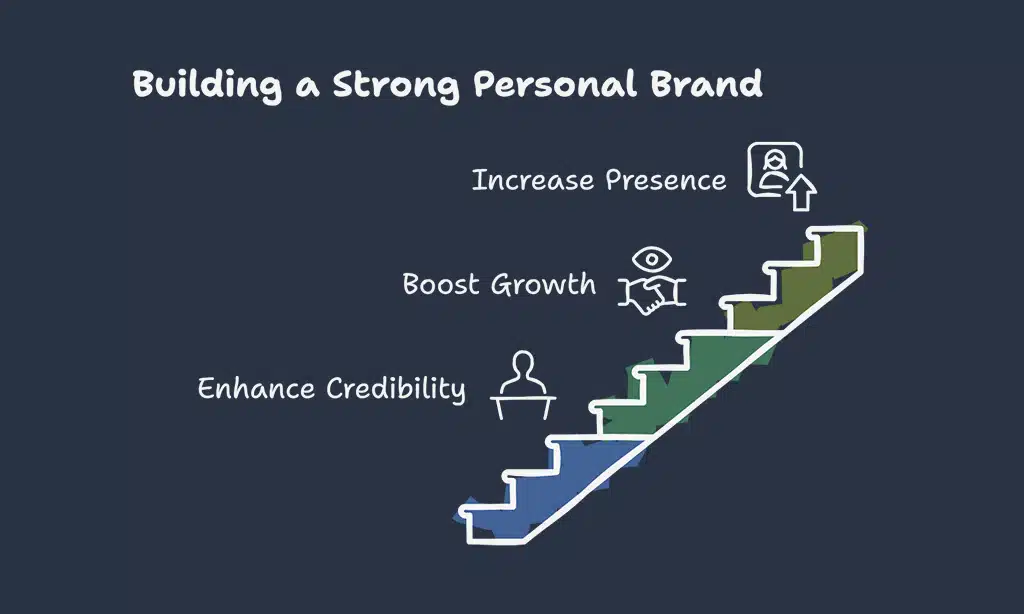
- Enhances Credibility: A strong personal brand builds trust and establishes authority in your niche.
- Boosts Career & Business Growth: Professionals with a solid personal brand attract better job offers, clients, and networking opportunities.
- Increases Online Presence: Having a well-defined branding strategy improves your search engine visibility and social media influence.
Let’s dive into the 5 Steps to Create a Personal Branding Strategy to help you develop a lasting impact.
Step 1: Define Your Brand Identity
A strong personal brand starts with understanding who you are, what you stand for, and how you want to be perceived by others. This step requires deep introspection, self-awareness, and clarity about your unique value proposition.
Take time to evaluate your strengths, passions, and professional goals to ensure that your brand aligns with your long-term vision. By defining your personal mission, values, and core expertise, you lay the foundation for a brand that is both authentic and impactful.
Understanding Your Unique Value Proposition
To create an authentic brand identity, consider the following:
- What are your strengths and expertise? Identify your core skills and professional experiences.
- What problems do you solve? Define how your skills provide value to others.
- What makes you different? Pinpoint the qualities that differentiate you from others in your field.
Crafting a Personal Brand Statement
A personal brand statement summarizes who you are, what you do, and the value you provide. Use the following formula to craft yours:
I help [target audience] achieve [specific outcome] by providing [your unique skills/services].
Example: “I help entrepreneurs build high-converting websites by designing user-friendly and visually compelling digital experiences.”
Tip: Keep your brand statement concise, clear, and aligned with your long-term goals.
Step 2: Identify Your Target Audience

A successful personal brand speaks directly to a well-defined audience. Identifying your target audience helps you tailor your messaging and engagement strategy effectively, ensuring that your brand resonates with the right people.
Understanding your audience’s needs, preferences, and behaviors enables you to create content and interactions that truly engage and provide value. This alignment not only strengthens your credibility but also fosters trust and loyalty, making it easier to build meaningful professional relationships and grow your influence over time.
Who Needs to Know About You?
To define your target audience, ask yourself:
- Who benefits from my skills and expertise? (Clients, employers, students, etc.)
- Where does my audience spend time online? (LinkedIn, Twitter, industry forums, etc.)
- What type of content resonates with them? (Educational, inspirational, case studies, etc.)
Tailoring Your Messaging
Once you identify your audience, ensure your messaging aligns with their interests and pain points. Use a tone and language that your audience relates to while maintaining authenticity.
Example: If your audience is startup founders, create content focused on business growth, funding strategies, and digital marketing.
Tip: Research your audience’s challenges and preferences using tools like Google Trends, LinkedIn Insights, and social media analytics
Step 3: Build an Online Presence
Your online presence is the foundation of your personal branding strategy, serving as a digital representation of your skills, values, and expertise. This step involves optimizing your social media profiles to establish credibility, creating valuable content that engages and informs your audience, and building a professional website that acts as your personal hub.
A well-crafted online presence not only helps you gain visibility but also allows you to showcase your thought leadership, interact with your audience, and build a strong reputation in your industry.
Optimizing Social Media Profiles
Your social media profiles act as your digital resume. Ensure they reflect your expertise and brand identity.
Key Optimization Tips:
| Platform | Optimization Tips |
| Use a professional headshot, craft a compelling headline, and write a keyword-rich summary. | |
| Twitter/X | Share industry insights, engage in relevant discussions, and use strategic hashtags. |
| Use visual storytelling to showcase your brand personality and projects. | |
| YouTube | Create educational videos that position you as an industry leader. |
Creating High-Quality Content
Content is king when it comes to personal branding. Here’s how to create content that enhances your brand authority:
- Blogging: Write insightful articles on your niche.
- Videos: Create tutorials, industry insights, or vlogs.
- Podcasts: Share expertise through engaging conversations.
- Social Media Posts: Post valuable tips, personal stories, and updates.
Leveraging a Personal Website
Having a website strengthens your brand credibility and provides a hub for your content. Essential elements of a personal brand website include:
- About Page: Clearly define who you are and what you do.
- Portfolio: Showcase your work and achievements.
- Testimonials: Add credibility through client or peer endorsements.
- Contact Information: Make it easy for people to reach you.
Step 4: Network and Build Relationships
A strong personal brand thrives on meaningful connections. Networking helps build relationships that elevate your brand presence by increasing visibility, fostering trust, and creating opportunities for collaboration.
Engaging with like-minded professionals, industry influencers, and potential clients allows you to expand your reach and establish credibility in your niche. By actively participating in conversations, sharing insights, and offering value, you can cultivate a powerful network that supports and enhances your personal brand over time.
Online and Offline Networking Strategies
- Join Professional Groups: Engage in LinkedIn and Facebook groups related to your industry.
- Attend Events & Conferences: Participate in industry events to connect with like-minded professionals.
- Engage with Influencers: Comment on posts, share insights, and establish relationships with industry leaders.
Collaboration and Partnerships
Collaborating with others expands your reach and credibility. Ways to collaborate include:
- Guest blogging on reputable websites.
- Speaking at webinars or industry conferences.
- Partnering on projects or joint ventures.
Tip: Be proactive in reaching out and offering value before expecting something in return.
Step 5: Monitor and Evolve Your Brand
Personal branding is an ongoing process that requires continuous effort and adaptation. Regularly tracking your progress ensures that your brand remains relevant and impactful in an ever-evolving market.
By assessing your performance, analyzing engagement metrics, and gathering feedback, you can identify areas for improvement and refine your approach. This ongoing evaluation helps maintain consistency while allowing room for innovation and growth, ensuring that your personal brand stays aligned with industry trends and audience expectations.
Tracking Your Brand Performance
Use the following tools to measure brand engagement and growth:
- Google Analytics: Tracks website traffic and audience behavior.
- LinkedIn Analytics: Monitors profile views and engagement.
- Social Media Insights: Provides data on post-performance and audience interaction.
Adapting to Market Changes
Stay ahead of trends and continuously improve your branding strategy by:
- Updating your content to reflect industry developments.
- Enhancing your skills through courses and certifications.
- Experimenting with new platforms and marketing strategies.
Wrap Up
Building a personal brand takes time, effort, and consistency. By following these 5 Steps to Create a Personal Branding Strategy, you can establish a strong online presence, expand your network, and position yourself as a leader in your industry.
Remember, personal branding is not just about self-promotion—it’s about delivering value, staying authentic, and making a lasting impact. Start implementing these steps today and watch your brand thrive!
























