

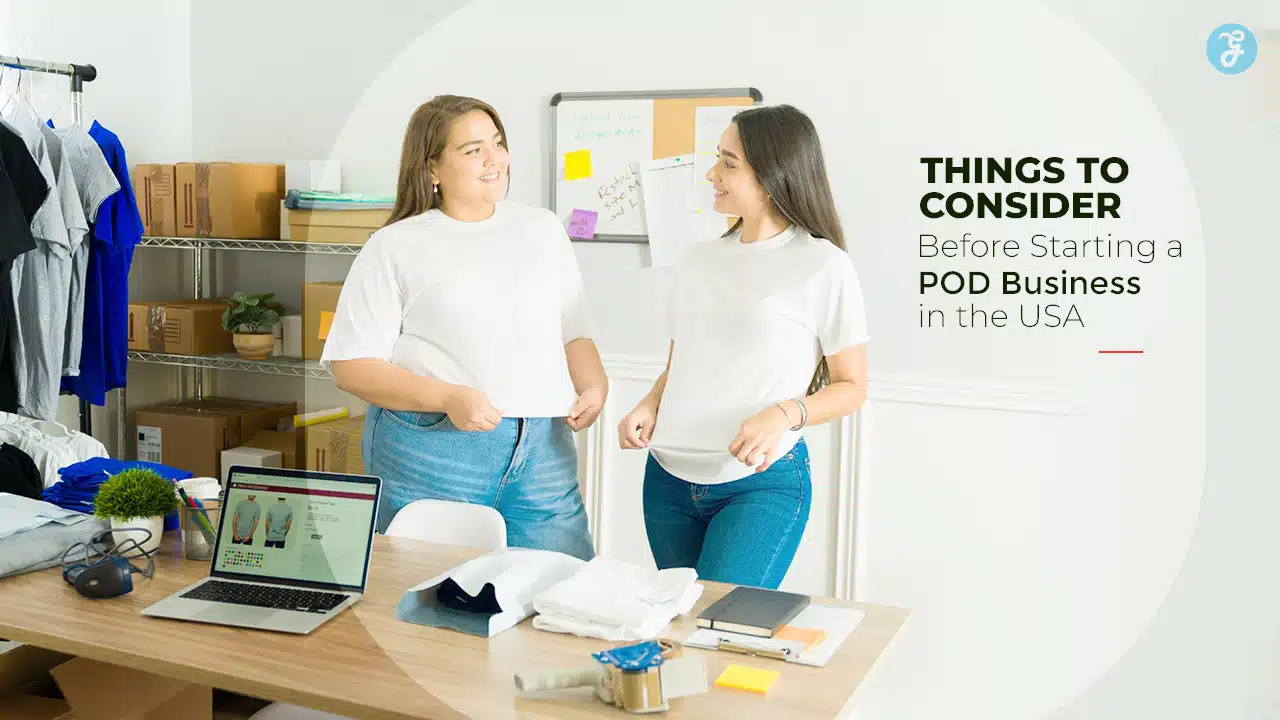
The Print-on-Demand (POD) business model is an exciting opportunity for entrepreneurs looking to enter the e-commerce space without significant upfront costs. With POD, you can create and sell custom products like t-shirts, mugs, and phone cases without worrying about inventory or shipping logistics. This model is especially popular in the USA, a market known for its diverse consumer base and advanced online shopping culture. Starting a POD business in the USA may seem straightforward, but success requires thorough planning and informed decisions.
In this guide, we’ll discuss 10 essential factors you must consider before diving into the POD industry. By addressing these key areas, you can set up a strong foundation for a profitable and sustainable business.
Starting a POD Business in the USA
1. Understanding the POD Business Model
Print-on-Demand is a business model where products are only manufactured after a customer places an order. This eliminates the need for maintaining inventory and reduces the financial risk of unsold goods.
How POD Works:
- A customer selects a design and product on your online store.
- The order is sent to a POD provider who prints and ships the item directly to the customer.
- You earn a profit margin after the production and shipping costs are covered.
Key Advantages:
- Low upfront investment.
- No inventory management.
- Flexibility to test new designs.
| Key Features of POD | Details |
|---|---|
| No Inventory | Products are made to order. |
| Scalable | Easily expand as demand grows. |
| Automation | Many processes, like printing and shipping, are handled by the POD provider. |
2. Market Research and Niche Selection
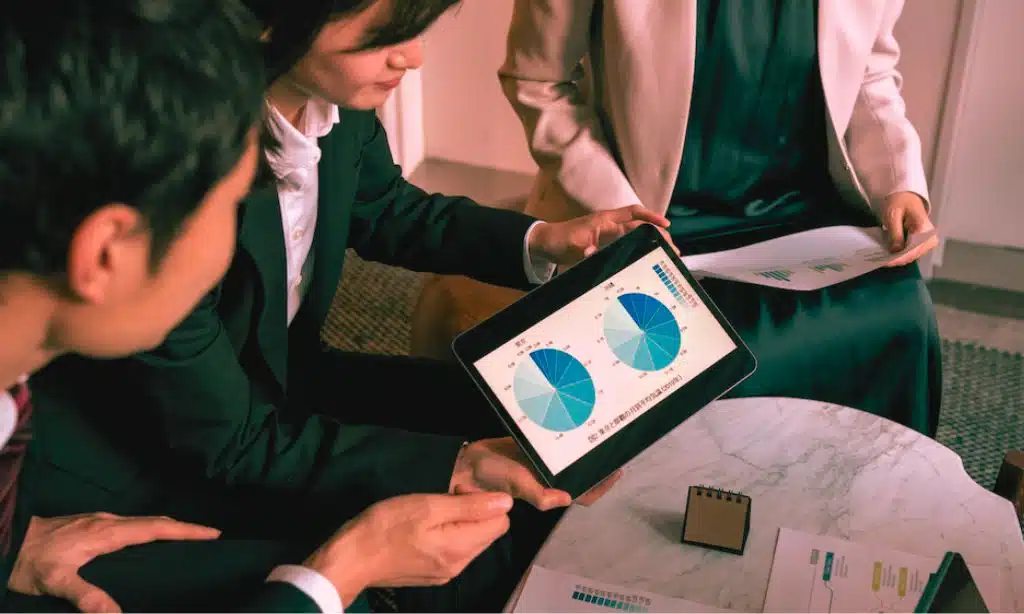
Choosing the right niche is critical for standing out in the competitive POD market. A niche allows you to target specific customers and cater to their unique preferences.
Steps to Identify a Profitable Niche:
- Analyze Trends: Use tools like Google Trends or social media platforms to identify popular themes.
- Assess Competition: Research existing POD businesses to find gaps in the market.
- Understand Your Audience: Define your target customer’s demographics, interests, and buying behavior.
| Tool | Use |
| Google Trends | Discover trending topics and seasonal interests. |
| Facebook Insights | Analyze audience behavior on social media. |
| Keyword Planner | Find keywords to target in your niche. |
3. Legal and Tax Considerations
Operating a POD business in the USA involves meeting certain legal and tax obligations. Ensuring compliance from the start can save you from potential issues later.
Key Legal Requirements:
- Business Registration: Choose a business structure (e.g., LLC, sole proprietorship) and register with the state.
- Sales Tax Compliance: Many states require sales tax collection for online sales.
- Intellectual Property: Avoid copyright infringement by using original designs or obtaining proper licenses.
| Legal Aspect | Details |
| Business License | Required depending on your state. |
| Tax ID (EIN) | Needed for tax purposes. |
| Trademarking | Protect your brand name and logo. |
4. Selecting the Right POD Platform
The platform you choose will play a significant role in your business’s success. Popular POD platforms offer various tools and features to streamline operations.
Top POD Platforms:
- Printful: Known for high-quality products and integrations with e-commerce platforms.
- Teespring: Focuses on simplified selling and marketing.
- Printify: Offers a wide range of suppliers and competitive pricing.
| Platform | Key Features |
| Printful | Custom branding, wide product range. |
| Teespring | Marketing tools, no upfront fees. |
| Printify | Multiple supplier options, competitive prices. |
5. Product Selection and Quality Control
Your product range and quality will significantly influence customer satisfaction and retention. Focus on offering products that are both popular and high-quality.
Popular POD Products in the USA:
- Apparel (t-shirts, hoodies)
- Home decor (pillows, wall art)
- Accessories (tote bags, phone cases)
Quality Control Tips:
- Order samples to assess product quality.
- Read reviews of suppliers before partnering.
- Opt for eco-friendly materials to appeal to environmentally conscious customers.
| Product Type | Key Consideration |
| Apparel | Choose durable, comfortable fabrics. |
| Home Decor | Ensure vibrant, long-lasting prints. |
| Accessories | Test for functionality and durability. |
6. Design Creation and Trends

Design is the heart of your POD business. Unique and appealing designs can set you apart from competitors.
Tips for Creating Great Designs:
- Use tools like Canva or Adobe Photoshop for design creation.
- Follow trends in color schemes and typography.
- Incorporate seasonal themes for limited-time offers.
Current Design Trends:
- Minimalist aesthetics.
- Bold, vibrant colors.
- Nostalgic or retro-inspired designs.
| Tool | Purpose |
| Canva | Easy-to-use design platform. |
| Adobe Photoshop | Advanced editing features. |
| Design Bundles | Access to pre-made graphics. |
7. Setting Up an Online Store
Your online store is your primary sales channel. Ensure it is user-friendly and optimized for conversions.
Steps to Set Up Your Store:
- Choose a platform (e.g., Shopify, WooCommerce, Etsy).
- Customize your store design to match your brand identity.
- Add SEO-optimized product descriptions and high-quality images.
Starting a POD business in the USA often involves integrating e-commerce platforms that simplify operations and improve customer experience.
| Platform | Features |
| Shopify | Easy setup, extensive app store. |
| WooCommerce | Customizable, open-source. |
| Etsy | Built-in audience, lower setup effort. |
8. Marketing and Branding Strategies
Effective marketing is essential to drive traffic and sales. A strong brand can also build trust and customer loyalty.
Marketing Tips:
- Use social media platforms like Instagram and Pinterest for visual marketing.
- Collaborate with influencers in your niche.
- Run paid ads on platforms like Facebook and Google.
Branding Tips:
- Create a memorable logo and tagline.
- Develop a consistent voice and tone for your brand.
- Engage with your audience through email newsletters.
| Strategy | Example |
| Social Media | Post engaging reels and product photos. |
| Influencer Ads | Collaborate with micro-influencers. |
| Paid Campaigns | Run Google Ads for targeted traffic. |
9. Customer Service and Retention
Providing excellent customer service can differentiate your business and encourage repeat purchases.
Best Practices:
- Respond to inquiries promptly.
- Offer hassle-free returns and refunds.
- Use customer feedback to improve your products and services.
| Aspect | Action Plan |
| Communication | Use chatbots for instant responses. |
| Feedback | Send follow-up surveys. |
| Retention | Offer loyalty discounts. |
10. Scaling and Diversification
Once your POD business gains traction, consider ways to scale and diversify:
- Expanding product lines: Introduce new items based on customer feedback.
- Targeting new markets: Explore international shipping and localization.
- Automating processes: Use tools like Zapier to streamline operations and save time.
| Strategy | Example |
| Expanding Product Lines | Add seasonal or niche designs. |
| Targeting New Markets | Offer international shipping. |
| Automating Processes | Use tools like Zapier. |
| Outsourcing Tasks | Hire freelancers on Upwork. |
As your business grows, outsourcing tasks like customer service or design work can help you focus on strategy and innovation.
Takeaway
Starting a POD business in the USA offers immense opportunities for creativity and profitability. By addressing these 10 considerations—from understanding the business model to prioritizing customer service—you can establish a successful and sustainable venture. Starting a POD business in the USA requires continuous learning, adaptability, and a customer-focused approach. With the right strategy and dedication, your POD journey can be both fulfilling and lucrative.





















