

Spain’s Ministry of Consumer Affairs has officially ordered Airbnb to remove 65,935 holiday rental listings from its platform for violating national tourism and consumer protection laws. The announcement, made on Monday, marks one of the most aggressive regulatory actions taken by a European country against a short-term rental platform.
According to the ministry, these listings violated key regulatory requirements. The majority either lacked valid tourist licenses, displayed incorrect or unverified license numbers, or failed to disclose whether the property was owned by an individual or a company—which are all essential details required by regional and national laws governing tourist accommodations in Spain.
Widespread Impact Across Regions
The directive affects listings across several major regions in Spain, including:
- Madrid, the nation’s capital
- Catalonia, whose capital is Barcelona
- Andalusia, a southern region encompassing cities like Seville, Granada, and Málaga
These areas are among the most visited destinations in the country and have experienced rapid growth in short-term holiday rentals. The proliferation of tourist apartments, particularly through platforms like Airbnb, has coincided with a severe housing affordability crisis, prompting complaints from residents, city officials, and housing advocacy groups.
Spain’s Housing Crisis and the Link to Short-Term Rentals
Spain is currently grappling with a deepening housing affordability crisis, particularly in its urban centers and popular tourist regions. The boom in tourism over the past decade has driven up demand for short-term rentals, reducing the stock of long-term housing for locals.
A growing number of Spaniards, especially younger generations and low- to middle-income earners, are finding it increasingly difficult to rent or buy homes in their own cities. In areas like Barcelona, the cost of rent has surged by more than 30% over the past five years, outpacing wage growth and inflation. Critics argue that the dominance of holiday rentals has effectively converted housing into a tourism commodity.
The government has framed this regulatory action as part of a broader housing protection effort. Spain’s Consumer Affairs Minister has emphasized that unauthorized listings threaten housing access, inflate prices, and undermine the rights of local residents.
Mass Protests Reflect Public Frustration
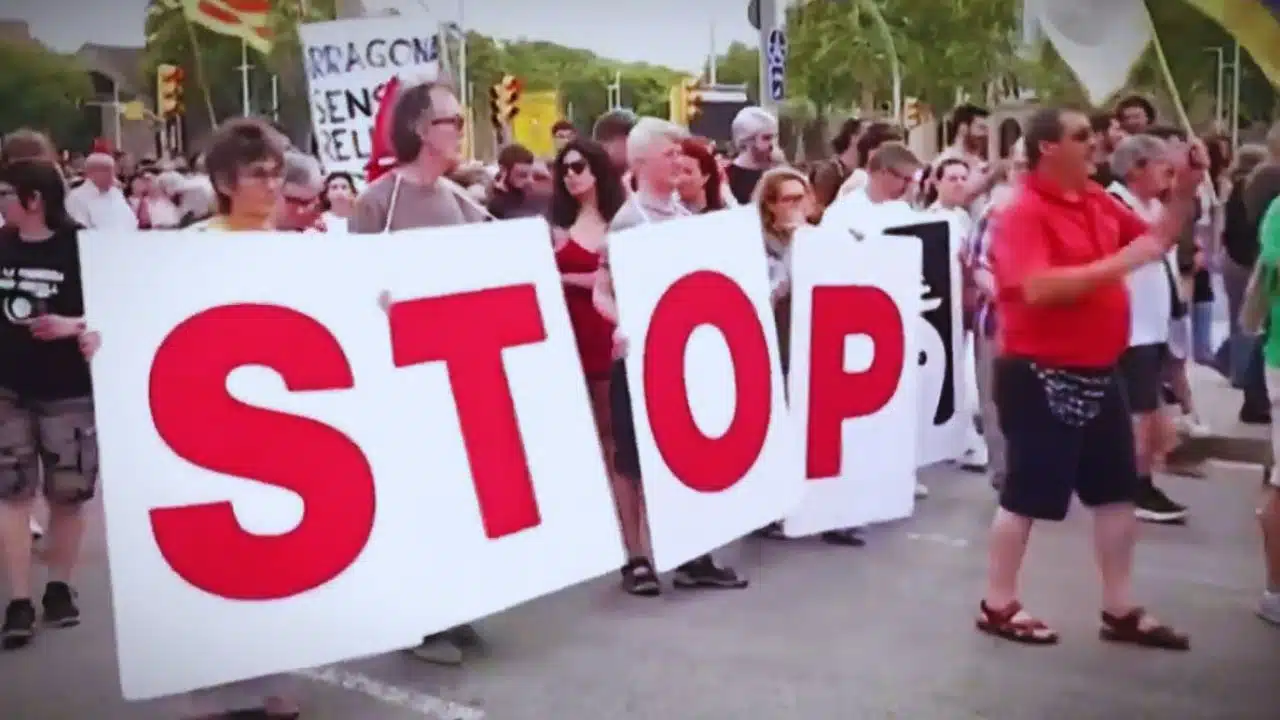
This latest government action follows months of nationwide protests, where tens of thousands of citizens took to the streets to express anger over the rising cost of living and the lack of accessible housing. Demonstrators have specifically targeted Airbnb and similar platforms, arguing that they incentivize landlords to prioritize short-term rentals over long-term tenants.
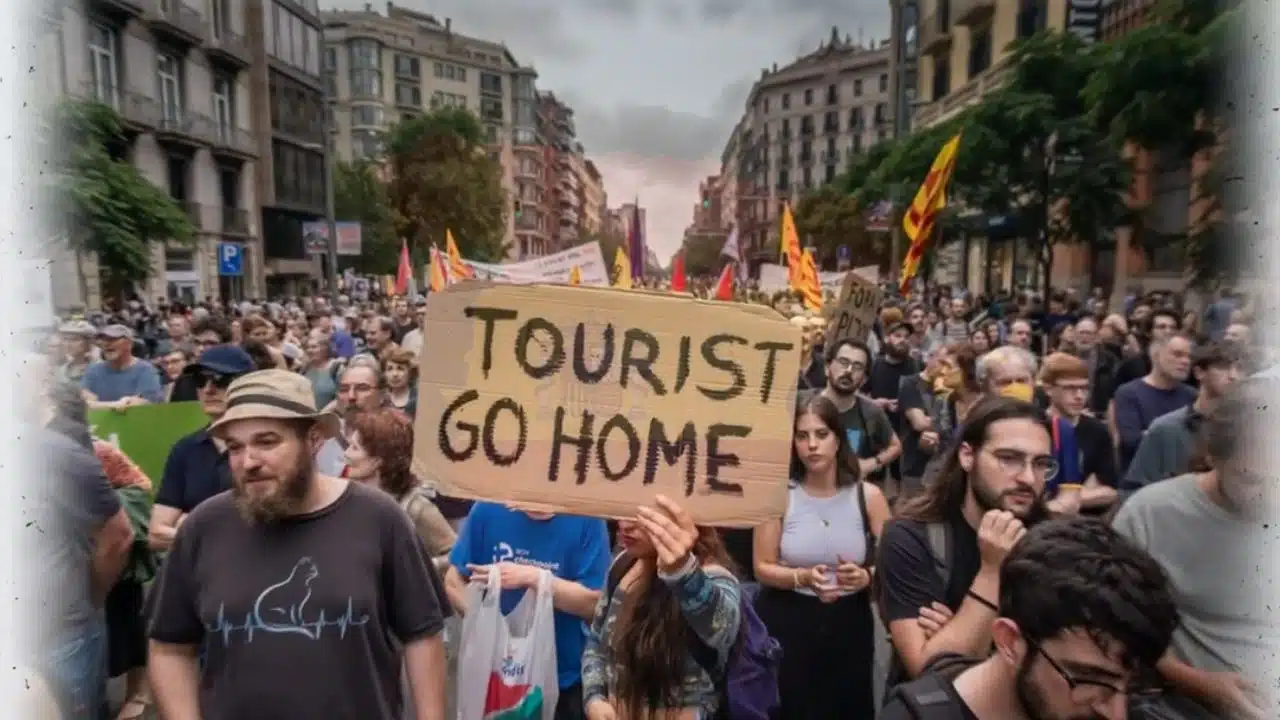
In cities such as Barcelona, Palma de Mallorca, and Madrid, protesters have organized marches, held signs reading “Tourists Go Home,” and occupied tourist apartments to demand government action. These protests have become a powerful symbol of the growing tension between economic interests tied to tourism and the right to affordable housing.
Barcelona Takes Bold Steps to Protect Housing Supply
Barcelona, Spain’s second-largest city and a global tourism hub, has been at the forefront of regulating short-term rentals. In 2023, the city announced an ambitious plan to eliminate all 10,000 licensed short-term rental apartments by 2028. Under this initiative, the city will phase out tourist apartment licenses as they expire and refuse to issue new ones.
The objective is to reconvert short-term units into permanent housing for locals. City officials argue that while tourism is vital to the economy, it cannot come at the expense of residential stability. Barcelona’s mayor, in statements supporting the policy, said, “Housing is a right, not a speculative asset.”
The move was hailed by housing activists but sharply criticized by some landlords and tourism groups, who warn of economic drawbacks, including lost income for property owners and potential declines in tourism-related jobs.
Airbnb’s Legal and Regulatory Challenges in Spain and Abroad
As of this writing, Airbnb has not responded to the Spanish government’s removal order. However, this isn’t the first time the company has clashed with national or local governments over housing issues.
Airbnb has faced increasing scrutiny and legal challenges across Europe and North America, including:
- New York City, where new rules in 2023 required hosts to register properties and meet strict residential requirements, resulting in a massive decline in listings.
- Amsterdam, which limits short-term rentals to a maximum of 30 nights per year.
- Paris, where hosts must register properties with city authorities and comply with tax and zoning regulations.
In Spain, several autonomous regions like Balearic Islands and Valencia have implemented their own restrictions, limiting rental days, requiring host registration, or banning rentals altogether in certain residential zones.
Spain’s Plan for Enforcement and the Future of Holiday Rentals
The Spanish government has stated that this is just the first wave of enforcement, and that further reviews of platforms like Booking.com, Vrbo, and other online rental sites are underway. Authorities plan to intensify monitoring efforts and collaborate with regional governments to verify license compliance across digital platforms.
The Consumer Ministry has also urged digital platforms to develop automatic verification systems that check whether a listing’s registration number is legitimate and active before allowing it to go live.
Officials believe this coordinated effort will reduce illegal tourism accommodations, stabilize rental markets, and ensure fair competition in the hospitality sector.
A Broader European Movement
Spain’s actions are part of a broader regulatory shift happening across the EU. The European Commission has proposed new rules requiring online rental platforms to share data with governments, including listing counts, rental nights, and host identities. The aim is to help municipalities enforce housing laws and protect residents from rental market distortions.
If these measures gain traction, they could reshape how Airbnb and similar platforms operate globally, especially in high-tourism cities facing affordability pressures.





















