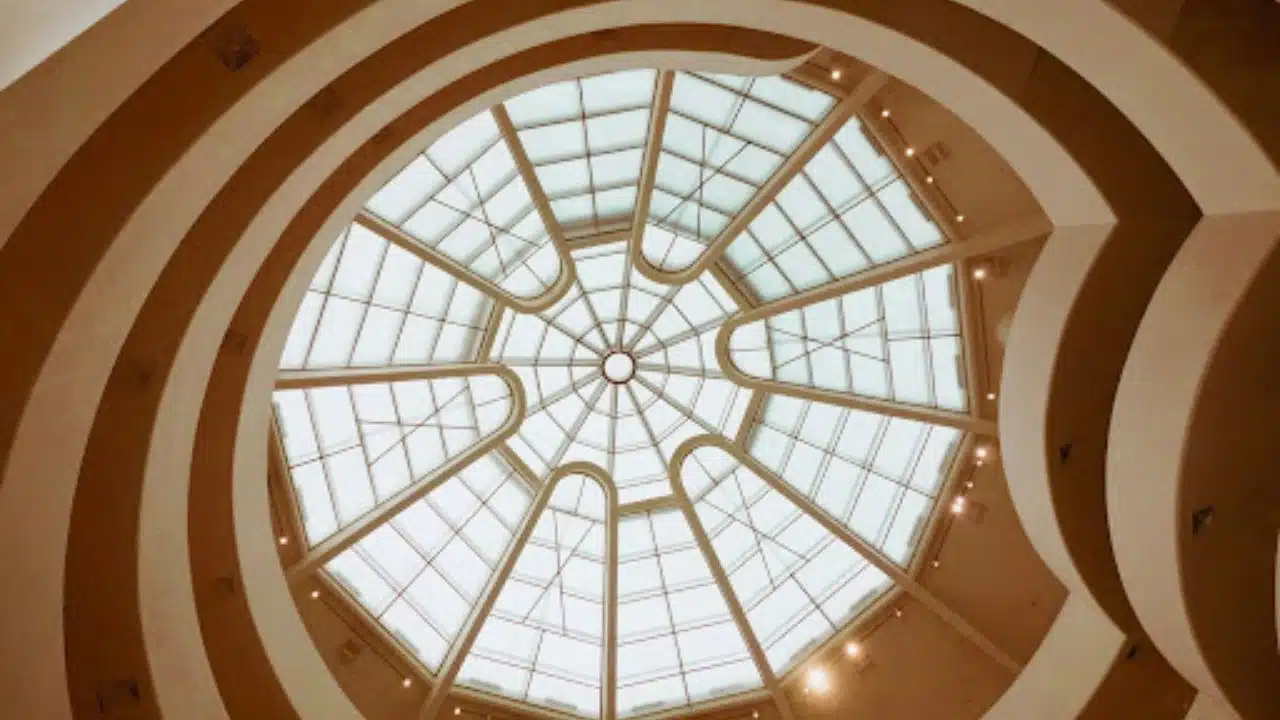
In architectural photography and design, few names resonate as distinctly as Alex Kleyner. Kleyner is known for his ability to appreciate the beauty and intricacy of architectural designs, showcasing iconic structures from various parts of the world. Among these, the Solomon R. Guggenheim Museum in New York is particularly fascinating.
Designed by the legendary Frank Lloyd Wright, the museum’s unique spiral structure and innovative approach to the spatial presentation of art make it a captivating focus for Kleyner’s lens. This article delves into the Guggenheim Museum through Alex Kleyner’s perspective, exploring its architectural grandeur, historical significance, and the unique elements that make it a masterpiece of modern architecture and a cultural landmark in New York City.
Alex Kleyner’s Perspective on the Guggenheim Museum
Alex Kleyner’s visits to the Solomon R. Guggenheim Museum transcend mere photographic sessions; they explore the soul of one of New York City’s most iconic architectural marvels. Kleyner appreciates the interplay between form and light, viewing Guggenheim’s spiral ramp as more than just a pathway but as a journey through space and creativity.
An admiration marks his personal experiences within its walls for Frank Lloyd Wright’s design, which broke from traditional museum layouts to create a continuous gallery space that unrolls like a scroll. According to Kleyner, this design is revolutionary and visionary, influencing how viewers interact with and experience art.
Kleyner’s analysis of the museum’s architecture focuses on its unique spiral structure, which he believes significantly impacts the presentation of art. He notes that the ramp’s gentle slope creates a seamless flow of movement, encouraging visitors to view artworks in a continuous, uninterrupted experience, unlike the compartmentalized spaces in conventional galleries. This, in Kleyner’s view, fosters a more intimate and personal interaction between the art and the observer, enhancing the immersive experience of the museum.
Moreover, Kleyner discusses how the building acts as a piece of art, with its exterior and interior spaces blurring the lines between architectural form and functional space. The natural light that filters through the museum’s glass dome illuminates the artworks in a dynamic play of shadows and highlights, something Kleyner captures vividly in his photography.
He sees the Guggenheim as more than just a building; it represents the close connection between art and architecture, which influences his work. Kleyner’s perspective on the Guggenheim presents the museum as a dynamic entity that embodies innovation and inspiration in the architectural realm.
Historical Context
Since its inception, the Solomon R. Guggenheim Museum has epitomized a radical departure from traditional museum architecture. Its journey began with the visionary ambition of Solomon R. Guggenheim and was brought to life through Frank Lloyd Wright’s groundbreaking design.
Constructed between 1956 and 1959, the museum was Wright’s last major project and a testament to his innovative spirit, challenging the conventional norms of museum design. The history of the Guggenheim goes beyond its construction to tell a story of changing architectural philosophies and cultural dialogues in New York City. As it transitioned from a private collection to a public institution, the museum played a pivotal role in shaping the city’s architectural and cultural landscape.
Its significance extends beyond its physical form, symbolizing a momentous shift in art and architecture integration and serving as a global landmark in the history of museum architecture. Through Alex Kleyner’s lens, the museum’s historical context is not merely background information but a vital element that enhances the appreciation of its architectural genius and cultural impact.
Unique Aspects of the Guggenheim Museum
Alex Kleyner’s fascination with the Solomon R. Guggenheim Museum is deeply rooted in its unique New York City architectural aspects and how it has influenced contemporary museum design worldwide. Unlike traditional museums, which often rely on a series of disconnected rooms or galleries, the Guggenheim’s spiral layout offers a fluid, cohesive space that allows for a novel way of interacting with art.
This continuous ramp facilitates a dialogic experience, where each piece of art is both a destination and a part of a larger journey, challenging visitors to perceive art in a continuum rather than isolation.
Kleyner highlights how the museum’s architecture, particularly its open rotunda and the spiraling gallery, democratizes the viewing experience. The design promotes a natural flow for visitors to explore the exhibits, emphasizing equal importance for each piece, which differs from the traditional hierarchical layouts found in other institutions. This approach has inspired countless architects and designers to rethink how spaces can influence the perception and engagement of art within a museum context.
Furthermore, the Guggenheim’s unique facade, characterized by its smooth, organic curves, starkly contrasts with the rigid urban grid of New York City, offering a breath of architectural freshness amidst the city’s skyscrapers. Kleyner values the contrast as a bold statement of modernist ideals and a reflection of Wright’s vision of creating harmony between the built environment and the natural world.
The museum’s role in pioneering an integrated approach to art and architecture extends beyond its walls. It has served as a beacon for innovative museum design globally, influencing the development of other cultural institutions that seek to challenge traditional norms and create more immersive, engaging experiences for visitors. Through his photography, Kleyner captures these aspects, celebrating the Guggenheim as an architectural landmark and a living testament to the power of visionary design in shaping how art is experienced and understood.
Conclusion
Through the discerning lens of Alex Kleyner, the Solomon R. Guggenheim Museum history is revealed not merely as an architectural marvel but as a living narrative of innovation, art, and architectural synergy. Kleyner’s perspective sheds light on the museum’s unique spiral design, historical significance, and impact on museum architecture and art presentation.
This exploration underscores the museum’s role as a cultural beacon within New York City and its influence on global architectural practices. Kleyner’s insights and photographic genius invite us to appreciate the Guggenheim as a testament to the visionary collaboration between Solomon R. Guggenheim and Frank Lloyd Wright.