

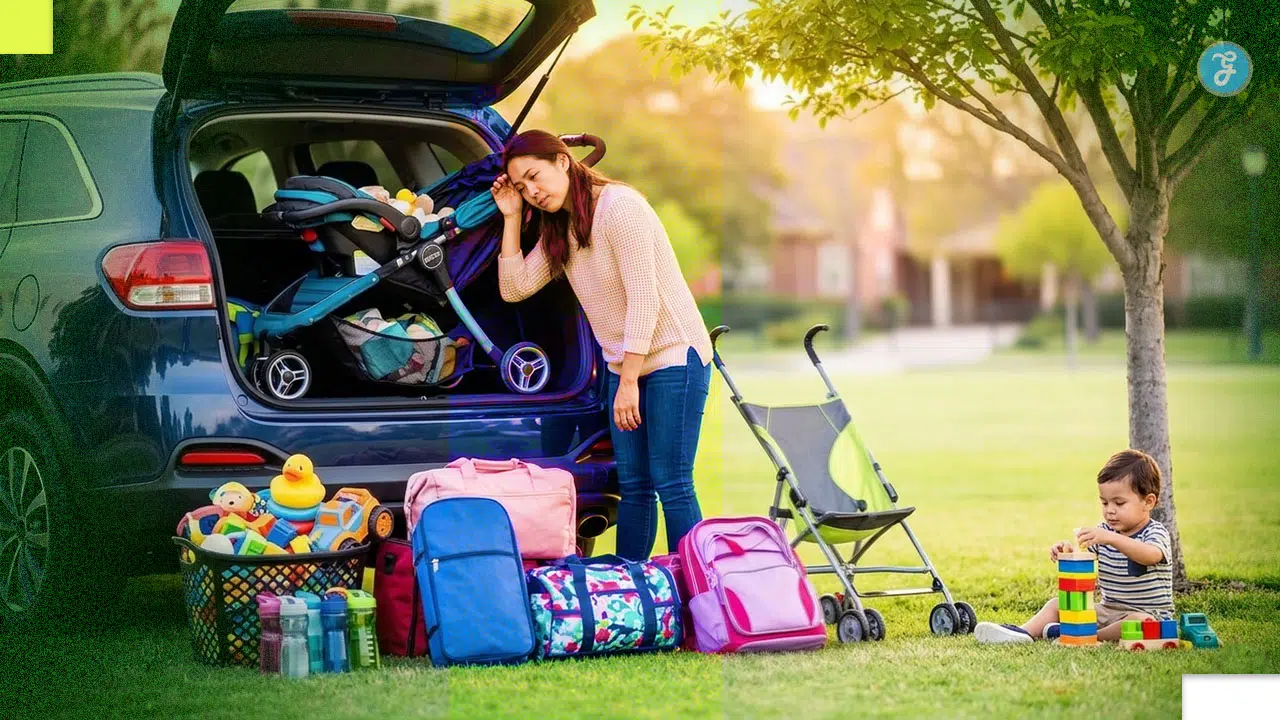
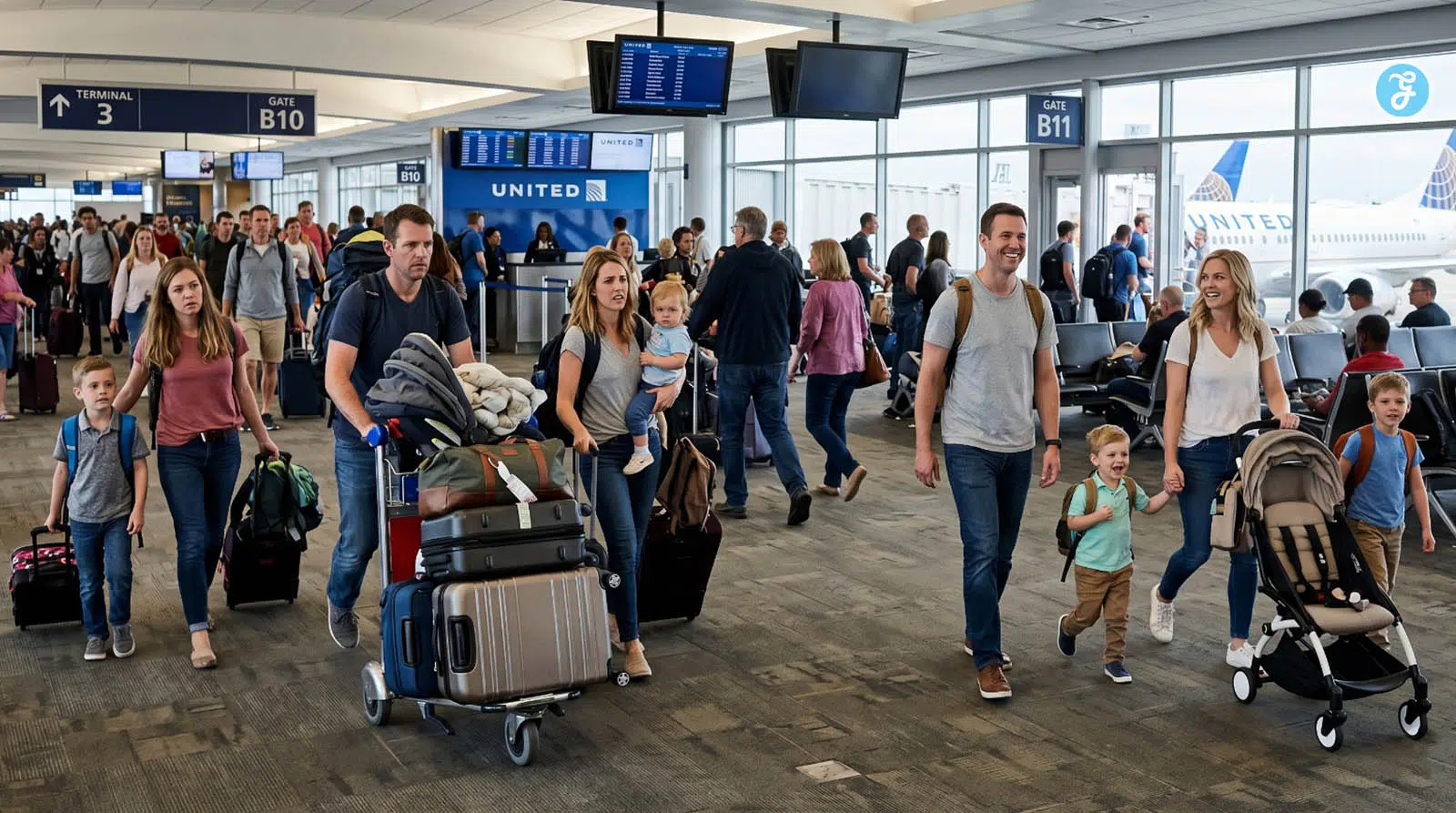
The airport terminal is the new front line of high-stakes parenting. You see them before you hear them. They are the families pushing two stacked luggage carts while juggling neon-colored car seats and strollers the size of small tanks. These parents often seek family travel tips to make the journey easier, yet they arrive already exhausted. A tablet glows in every child’s hand to prevent a second of boredom. The parents look like they are moving a small infantry unit rather than going on a beach vacation. They have packed for every possible fever or rainy afternoon.
This mountain of gear is a physical manifestation of modern anxiety. We believe that if we have the right stuff, we can control the outcome of the trip. But we are wrong. This obsession with being ready for everything has become a literal barrier to being present. Most advice focuses on what to buy, yet the best strategy is often what to leave behind. Our extreme preparedness is killing the very spontaneity that makes travel meaningful. We have traded the joy of discovery for a perfectly managed operation.
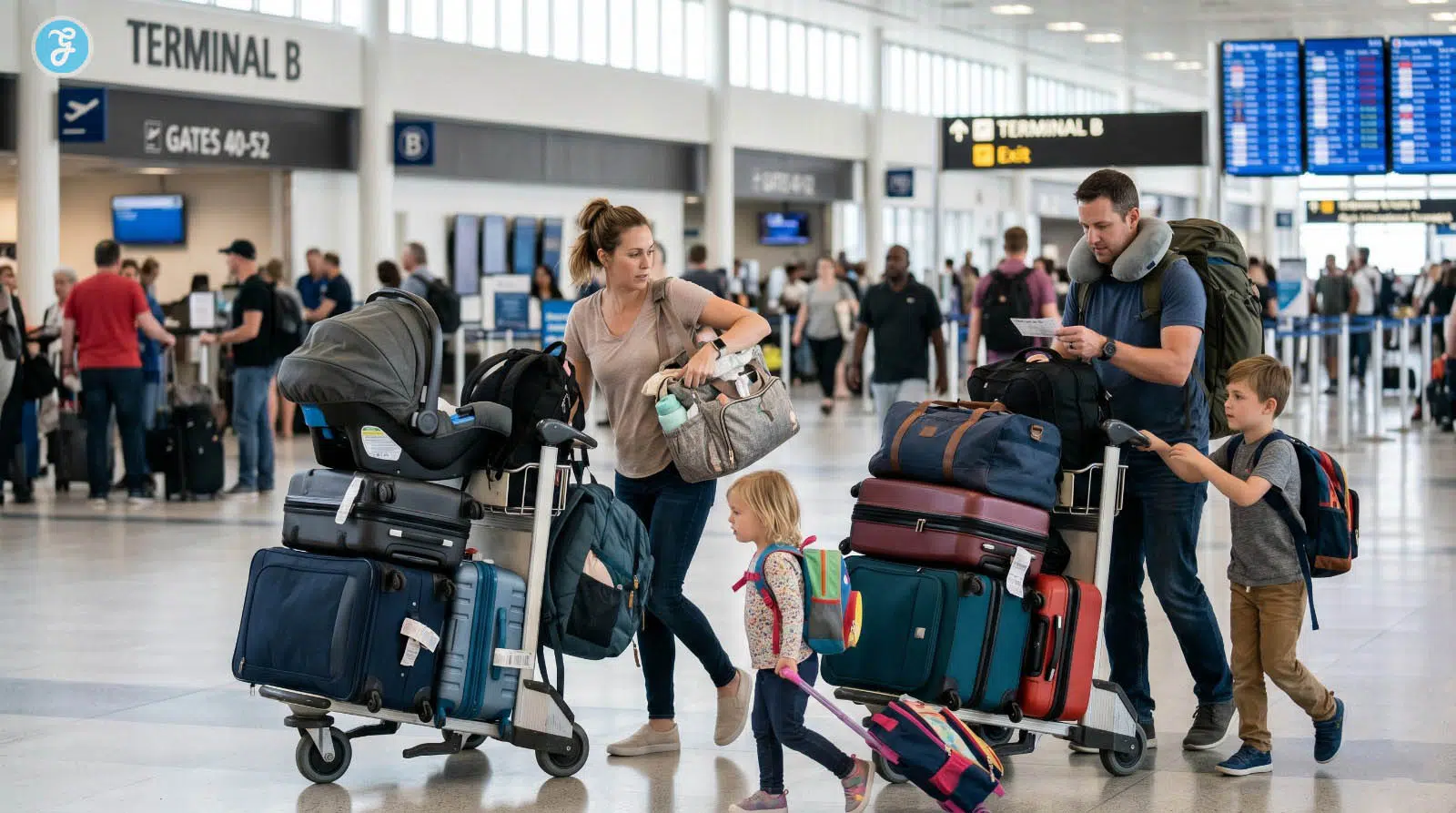
The weight is not just in the suitcases. It is in the mental load of tracking every charger and snack cup. Experts in child development often note that over stimulation from too many toys can increase stress in kids. Travel used to be about stepping into the unknown together. Now we try to bring the known world with us in a checked bag. We arrive at the hotel already drained from the logistics. We are so busy managing the inventory of our lives that we miss the shared experience unfolding in front of us. To find the soul of the trip, we have to start by lightening the load.
Why We Carry Too Much
Parents today live under a microscope of high expectations. We are told that a good parent is a prepared parent. This pressure turns a simple suitcase into a survival kit for problems that might never happen. We pack to soothe our own fears as much as our children’s needs.
The High Cost of Getting it Right
Sociologists call our current era the age of intensive parenting. It is a style of raising kids that requires constant engagement and monitoring. There is a silent rule that a child should never be bored or uncomfortable. If a toddler cries on a plane because they lack a specific toy, it feels like a personal failure. We use gear to buffer against these moments. We pack three kinds of snacks and four different screens just to ensure total silence. This cultural pressure suggests that a lack of resources equals a lack of love. It makes the idea of traveling light feel irresponsible.
The Control Illusion
Packing serves as a defense mechanism. When we head into a foreign environment, we lose our usual sense of safety. We cannot control the flight delays or the weather. We cannot control the local language or the layout of a new city. To compensate, we exert total authority over our luggage. We fill bags with familiar items from home to create a portable bubble of safety. It is an attempt to make the unpredictable world feel predictable. If we have that specific brand of wipes from our local store, we feel grounded. In reality, this gear creates a wall between us and our surroundings. We spend so much time managing the “stuff” that we fail to adapt to the actual place we are visiting. We aren’t traveling through a new culture; we are just dragging our living room across a different zip code.
Psychological Baggage and Loss Aversion
Behavioral economics offers a clear look at why we overpack. Humans suffer from loss aversion. We feel the pain of losing something twice as strongly as we feel the joy of gaining something. In travel terms, the fear of missing one specific item outweighs the actual burden of carrying a fifty-pound bag. We tell ourselves that we might need those hiking boots or that extra formal outfit. The brain focuses on the “what if” scenario. We ignore the daily reality of sore shoulders and expensive taxi upgrades. We prioritize the unlikely emergency over our current comfort. This psychological trap keeps our bags full and our movements slow. Breaking free requires us to realize that most “losses” are easily fixed by a trip to a local corner store.
The Invisible Cost of the Extra Suitcase
Packing too much does more than break the zippers on your luggage. It takes a hidden toll on your entire vacation. Every extra bag drains your energy and your travel budget. It also builds a thick wall between your family and the destination you paid so much to see.
The Physical Drain
Dragging heavy bags through airports and cobblestone streets is physically exhausting. This physical strain quickly becomes mental strain. Psychologists call this decision fatigue.
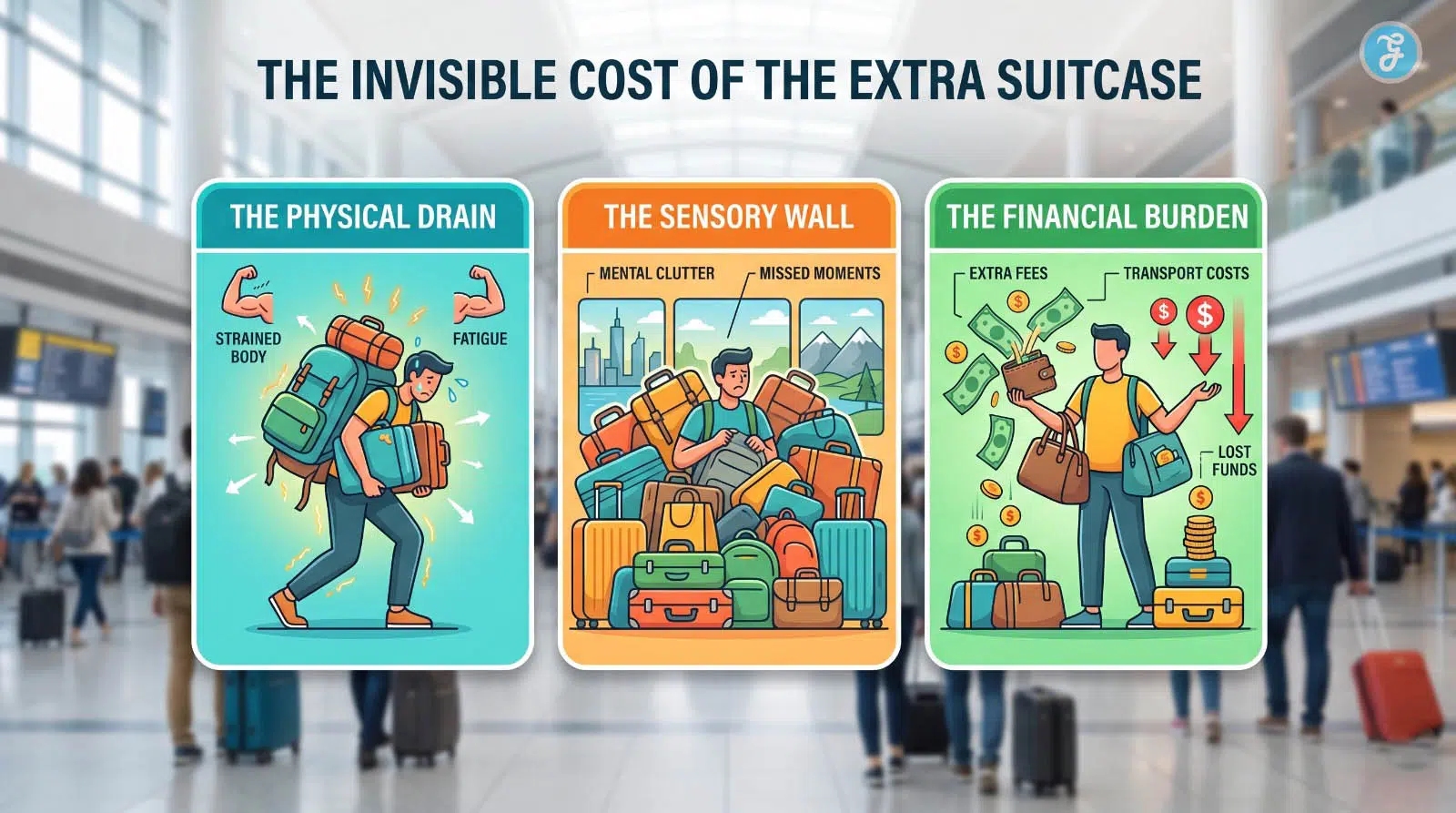
Every extra item requires tracking and organizing. Managing this massive inventory burns valuable mental calories. When your brain is tired from managing logistics, you make poorer choices. You also lose your patience. Research from the American Psychological Association links physical exhaustion directly to increased irritability. Parents snap at their partners over simple map directions. They lose their temper when a toddler refuses to walk. The physical energy spent hauling gear leaves almost nothing for the actual joy of the trip.
The Sensory Wall
We pack familiar items to make kids feel at home. Yet this habit defeats the purpose of leaving home in the first place. Preloaded movies block out the sound of a foreign language on a train ride. Specific brand-name snacks prevent kids from tasting local foods. We effectively build a sensory wall around our children. Kids are natural explorers who thrive on touching and observing new things. Travel experts agree that sensory engagement builds new neural pathways in young brains. Smelling a bustling street market or hearing strange birds chirp sparks immediate curiosity. When we insulate them with familiar screens and treats, they miss the actual world they are visiting.
The Financial Burden
The price of overpacking goes way past the heavy baggage fees at the airline ticket counter. You pay a daily convenience tax for lugging so much stuff. A family with four large suitcases cannot fit into a standard budget taxi. You are forced to rent an expensive oversized van. You skip the scenic local train because there is simply no room for your bags. You might even book larger hotel rooms just to hold the luggage. Sourcing everyday items locally is often much cheaper. Buying a beach bucket or a pack of diapers at your destination pumps money into the local economy. It also saves you the high cost of transporting those bulky items across the globe. Traveling light frees up your budget for memorable experiences like museum tours or special family meals.
The Local Resource Experiment
Trying a new way to travel requires a change in mindset. We decided to test this by leaving our usual mountain of gear at home. We packed only the absolute minimum and relied on the destination for everything else. This simple choice completely changed how we experienced the trip.
A Shift in Perspective
Most parents travel with a fortress mentality. We build a portable wall of supplies around our kids to block out the unknown. We pack extra medications and backup outfits.
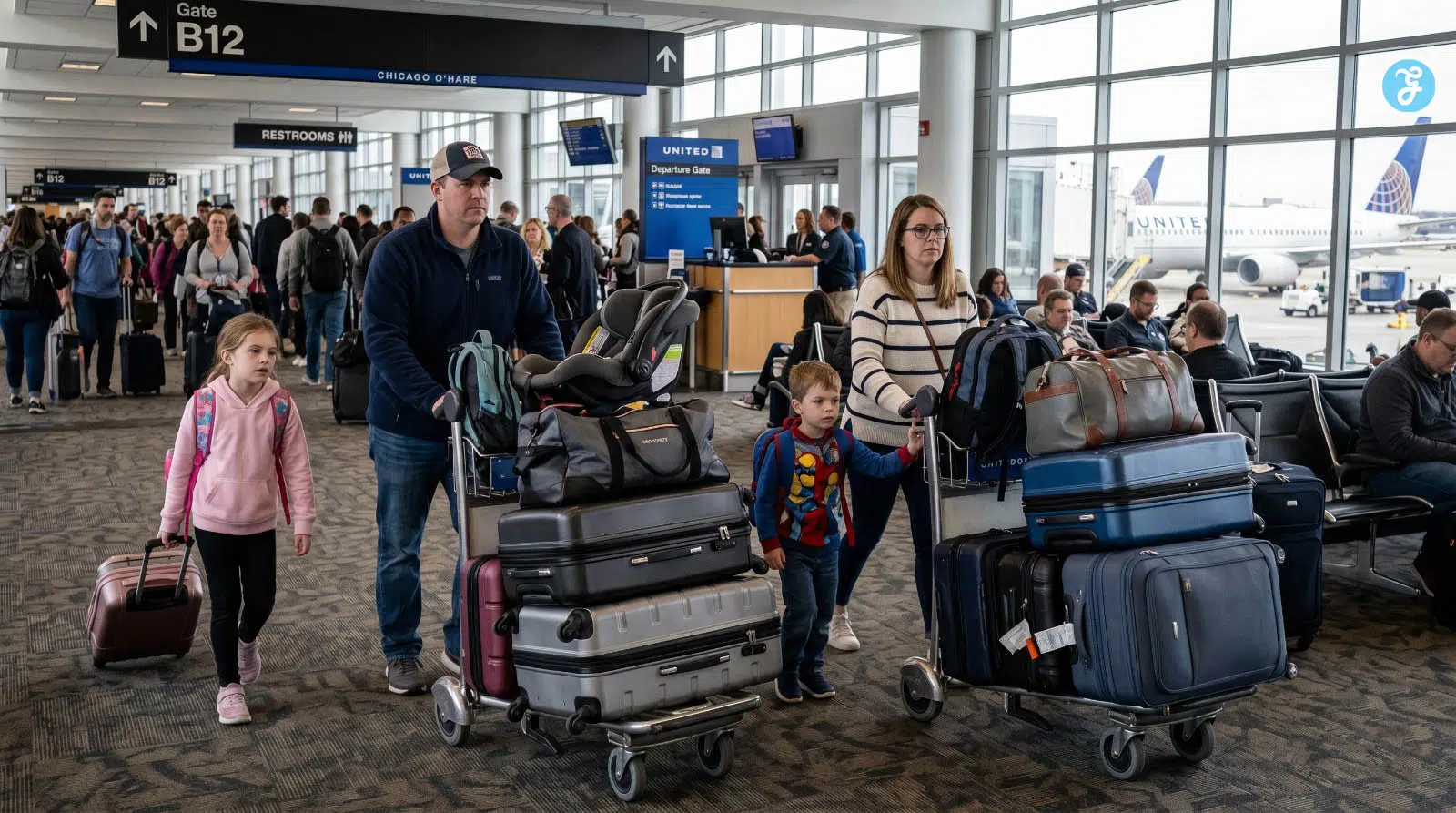
Relying on local shops shifts this to a community mentality. It forces you to step outside your comfort zone and talk to people. You stop acting like an invader bringing your own provisions. You become an active participant in the local economy. This mindset makes the journey feel less like a managed operation and more like actual exploration.
Global Commonalities
It is easy to forget a basic truth when packing. People raise children in every corner of the world. Parents in Rome or Tokyo all deal with messy shirts and teething pain. Pharmacies exist everywhere. Grocery stores sell food for kids in every city. If you forget baby wipes, you can easily buy them at a nearby market. Discovering a foreign supermarket is a fun adventure by itself. You might find a new favorite snack or a better brand of lotion. Trusting local resources proves that the world is perfectly ready to handle your family.
The Lesson in Resilience
Leaving familiar items at home offers an unexpected benefit. It teaches kids how to adapt. When a child realizes their favorite plastic toy is back home, they might complain at first. Soon, they start looking around for alternatives. A simple paper cup or a set of hotel keys suddenly becomes a fascinating plaything. Child psychologists note that mild boredom actually breeds creativity. Facing small inconveniences builds real resilience. Kids learn to find solutions in the moment instead of relying on a screen for instant comfort. Navigating these minor bumps together builds confidence that lasts long after the vacation ends.
The Philosophy of Minimalist Exploration
Choosing to travel light is a radical act in a culture of excess. It is about more than just fitting everything into a smaller bag. It is a commitment to experiencing a place as it actually is rather than how we prepared for it to be. This approach changes your physical movement and your mental state.
The One Bag Movement
Minimalist travel changes the physics of your entire journey. When each family member carries only one small pack, the world opens up. You no longer need to wait thirty minutes for a large van that can fit your trunks. You can hop on a local train or walk five blocks to a hidden bakery without a second thought. This mobility allows for the kind of “happy accidents” that define great trips. Research into travel habits shows that mobile tourists see more and feel less stress than those tethered to heavy luggage. You are light on your feet and ready to pivot when a new opportunity appears.
Creating Empty Space
There is a direct link between how much stuff you carry and how much awe you feel. When your hands are full of bags, your mind is full of inventory. You are constantly checking for zippers, locks, and handles. Dropping the physical weight creates mental room for discovery. You stop looking down at your gear and start looking up at the world. Psychologists suggest that reducing clutter in our surroundings helps us focus on the present moment. By removing the distraction of excess belongings, you allow your brain to fully process new sights and sounds. This empty space is where real memories are made.
Overpacking is an attempt to be self-sufficient at all costs. It is a way of saying you do not need anyone else. When you leave the “just in case” items at home, you embrace a healthy level of vulnerability. You might have to ask a local shopkeeper where to find a specific medicine or a warm hat. These small interactions are often the most meaningful parts of a trip. A simple question about a basic need can lead to a conversation about local life. You stop being a spectator and start being a guest. This connection only happens when you admit that you do not have everything you need right in your suitcase. It turns a transaction into a human moment.
Actionable Family Travel Tips for the Lean Voyager
Moving from an overstuffed suitcase to a light pack requires a strategy. You must audit your habits before you even touch a zipper. These practical steps help you shed the physical weight while keeping the adventure intact. It is about choosing utility over the fear of being unprepared.
The 48 Hour Rule
The biggest mistake parents make is packing for the entire duration of a trip. Instead, try packing only enough for the first forty-eight hours. This covers your arrival and gives you a buffer to settle in. Almost anything you need beyond that can be found at your destination. You will find that most hotels and rentals have laundry access nearby. Buying supplies locally is not an inconvenience. It is an invitation to explore a neighborhood grocery store. This rule alone can cut your luggage volume by half.
The Multi-Use Mandate
Every item in your bag must earn its spot. If a piece of clothing or a gadget only does one thing, leave it behind. A large muslin swaddle can work as a towel, a blanket, or a sunshade. A sturdy pair of dark sneakers can handle a museum tour and a nice dinner. Focus on layers that work in different weather conditions. When you select gear that serves at least three purposes, you stop carrying redundant items. This disciplined approach ensures that every ounce you carry is actually working for you.
Digital over Physical
We often pack heavy books and puzzles to keep kids quiet. This adds massive bulk to your carry-on bags. Use your phone or tablet strategically to handle the heavy lifting. One device can hold a library of books and an endless supply of maps and translation tools. Keep physical toys to a small pouch of high value items like a deck of cards or a sketchbook. Technology should be a tool that lightens your load rather than a constant distraction. It frees up physical space for things you actually cannot replace.
The Experience over Item Policy
Souvenirs are the fastest way to bloat your luggage on the way home. Many parents buy cheap plastic toys to reward kids for good behavior during travel. Shift the focus to collecting memories or small local artifacts. A flat postcard or a unique pebble from a beach takes up no room but holds immense value. Encourage your children to take photos or write in a travel journal. This policy teaches kids that the value of travel lies in what they saw and felt. It is far better to bring home a new perspective than a bulky stuffed animal made in a factory.
Quick Hacks for a Lighter Load
Cutting down your gear requires a shift in how you view your needs. These simple changes ensure you stay mobile without losing comfort. Small adjustments in your packing routine lead to a much smoother journey for everyone.
- Wear your heaviest items like jackets and boots on the plane to save bag space.
- Use packing cubes to compress clothing and keep your bag organized throughout the trip.
- Limit your shoes to two comfortable pairs that work for both walking and dining out.
- Decant all your liquids into small reusable containers rather than carrying full-size bottles.
- Stick to a single color palette for all clothes so every piece matches everything else.
Arrival Without the Weight
Imagine walking through the airport terminal again. This time the scene looks different. There are no massive carts or sweating parents. You carry a single light bag on your shoulder. Your kids walk beside you with small backpacks of their own. You breeze past the crowded baggage carousel because you have nothing to wait for. This version of the trip starts with a deep breath rather than a logistical nightmare. You are mobile. You are calm. Most importantly, you are ready to engage with the world the moment you step outside.
Effective family travel tips should prioritize your mental health over your gear. Travel is not a test of your ability to pack a mobile warehouse. It is a rare gift of your undivided attention. Your children do not need a suitcase full of plastic toys to feel secure. They need to see you curious and relaxed. They need to see how you handle a new city with a sense of adventure. Childhood is fleeting. It happens in the quiet moments between the big sights. Don’t spend those precious years looking for a lost charger at the bottom of a fifty-pound suitcase. Leave the extra stuff behind and carry the memories instead.





















