

Social skills are the foundation of healthy relationships and emotional well-being.
For young children, developing these skills is essential as they begin to interact with others, form friendships, and learn how to navigate the world around them.
By age 5, children are expected to have developed a range of social abilities that will help them succeed in school, foster healthy relationships, and lay the groundwork for future emotional and social intelligence.
In this detailed guide, we’ll explore 10 essential social skills that your child should develop by age 5.
These skills will help them communicate effectively, understand social norms, and express their emotions in healthy ways.
1. Sharing and Turn-Taking
Learning to share and take turns is one of the earliest social skills children begin to develop.
By age 5, children should understand the importance of sharing toys, books, and other resources, especially in group settings such as playdates or preschool.
Turn-taking teaches patience and respect for others’ needs, which are essential for building friendships and getting along with peers.
How to Encourage It
- Model Sharing:
Show your child how to share by sharing your things with them, like splitting a snack or taking turns with a favorite activity.
- Praise Positive Behavior:
Acknowledge and praise your child when they share or wait their turn, reinforcing the behavior.
- Practice Through Play:
Use games that require taking turns, like board games or group activities, to reinforce this skill.
Why It’s Important
Sharing and taking turns teach children how to be considerate of others’ feelings and needs.
It also fosters cooperation and reduces conflict, helping them build stronger relationships with their peers.
2. Listening and Following Instructions
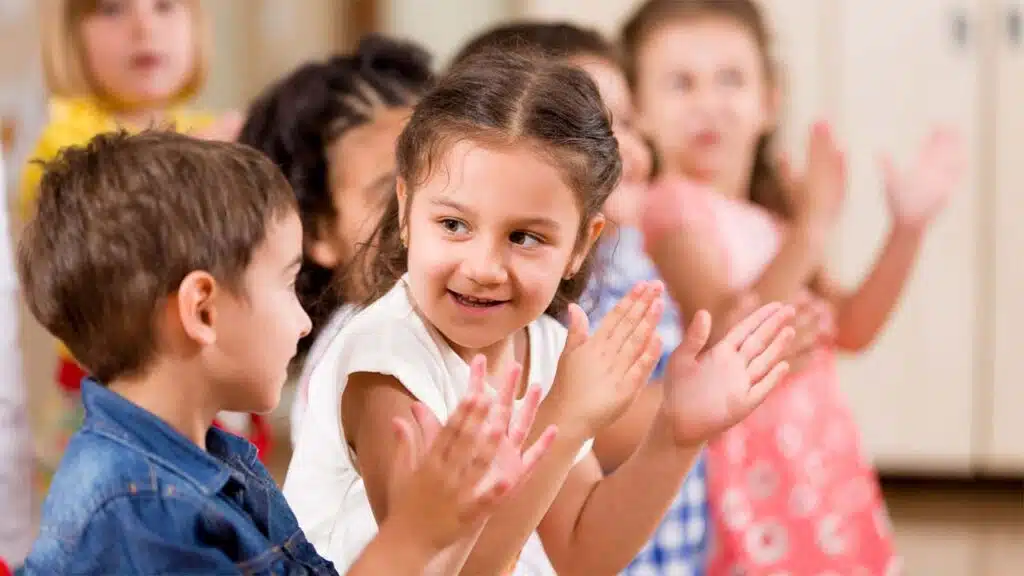
By age 5, children should be able to listen attentively and follow simple instructions.
This skill is essential in both home and school environments, where they need to pay attention to teachers, caregivers, and parents.
Good listening skills also help children build empathy and understand others’ perspectives.
How to Encourage It
- Give Clear, Simple Instructions:
Use short, clear directions that are easy for your child to follow. For example, “Please put your shoes in the closet.”
- Practice Active Listening:
Encourage your child to look at the person speaking and repeat instructions to ensure they understand.
- Set Expectations:
Establish routines where following instructions is part of the task, such as cleaning up toys or preparing for bedtime.
Why It’s Important
Listening and following instructions are critical for school readiness and developing respect for authority figures.
It also helps children learn to process information, stay focused, and engage in conversations.
3. Empathy and Understanding Emotions
By age 5, children should begin to understand their own emotions and recognize the feelings of others.
Empathy allows children to respond appropriately to others’ emotions, whether it’s comforting a sad friend or celebrating a happy moment together.
Developing empathy early on helps children navigate social relationships more smoothly and fosters kindness.
How to Encourage It
- Talk About Emotions:
Use everyday situations to talk about feelings. Ask questions like, “How do you think your friend feels?” or “How did that make you feel?”
- Read Books About Emotions:
Choose books with stories about emotions and empathy to help children identify and understand feelings in various contexts.
- Model Empathy:
Show empathy in your daily interactions, whether it’s comforting your child when they’re upset or offering kind words to others.
Why It’s Important
Empathy is the foundation of emotional intelligence, helping children form deeper connections and respond to others with kindness and understanding.
It’s crucial for building strong, healthy relationships.
4. Making Eye Contact
Making eye contact is a fundamental social skill that signals attention and engagement in conversations.
By age 5, children should be learning how to make appropriate eye contact during interactions.
This skill is closely tied to effective communication, as it shows the child is actively listening and participating in the social exchange.
How to Encourage It
- Model Eye Contact:
When talking to your child, make sure to make eye contact.
Encourage them to do the same by gently reminding them to look at you when speaking.
- Practice in Play:
During role-playing or storytelling, encourage your child to make eye contact with you or other children.
- Use Positive Reinforcement:
Praise your child when they maintain eye contact during conversations or interactions with others.
Why It’s Important
Making eye contact is crucial for effective communication and helps children show interest and respect in social interactions.
It also builds confidence and trust in relationships.
5. Respecting Personal Space
Understanding and respecting personal space is an important social boundary that children should begin to grasp by age 5.
This involves recognizing when it’s appropriate to be close to someone and when to give others space.
Learning this skill helps children avoid conflicts and ensures they interact appropriately with peers and adults.
How to Encourage It
- Teach About Boundaries:
Use simple language to explain the concept of personal space.
For example, explain that “everyone has an invisible bubble, and we need to ask before entering someone’s bubble.”
- Role-Playing:
Act out scenarios where your child can practice respecting personal space, such as standing in line or playing in a group.
- Set Clear Rules:
Establish rules about physical boundaries, such as no pushing or crowding, and explain why they are important.
Why It’s Important
Respecting personal space fosters respectful interactions and helps children avoid invading others’ boundaries.
This skill is essential for navigating social situations comfortably and reducing misunderstandings.
6. Cooperation and Teamwork
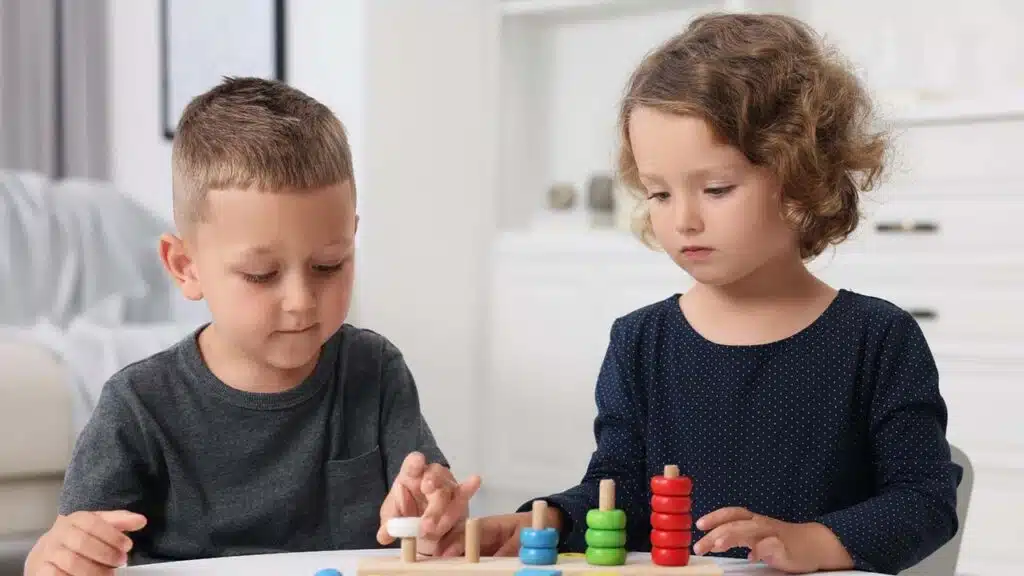
By age 5, children should begin to understand the importance of working together with others to achieve a common goal.
Cooperation involves skills like listening, taking turns, sharing responsibilities, and problem-solving as part of a group.
It’s especially important in school settings, where children often work together in teams.
How to Encourage It
- Team-Based Activities:
Encourage your child to participate in activities like group games, building projects, or puzzles that require teamwork.
- Model Cooperation:
Show cooperation in your own interactions by collaborating with your partner or family members in front of your child.
- Positive Reinforcement:
Praise cooperative behavior and explain how working together helped achieve a successful outcome.
Why It’s Important
Cooperation and teamwork teach children how to function effectively in group settings, preparing them for collaborative environments in school and later in life.
It fosters a sense of belonging and helps develop conflict resolution skills.
7. Handling Conflicts Constructively
By age 5, children are beginning to face more social challenges, including disagreements and conflicts with peers.
Learning how to handle conflicts constructively—whether it’s sharing toys or resolving arguments—is an essential social skill.
Children who can manage conflict with kindness and fairness are more likely to maintain positive relationships with others.
How to Encourage It
- Teach Calm Communication:
Encourage your child to express their feelings calmly using “I” statements, like “I feel upset when you take my toy.”
- Role-Playing Scenarios:
Practice conflict resolution through role-playing.
Act out common scenarios like taking turns with toys and guide your child on how to navigate the situation calmly.
- Encourage Problem-Solving:
Instead of immediately stepping in, encourage your child to think of solutions when conflicts arise.
Ask questions like, “What do you think we can do to solve this problem?”
Why It’s Important
Learning to handle conflicts constructively helps children build problem-solving skills, fosters emotional regulation, and strengthens their relationships with peers.
It also prevents aggressive behavior and helps children develop resilience.
8. Expressing Emotions Appropriately
By age 5, children should begin to understand how to express their emotions in healthy, appropriate ways.
This involves learning to articulate feelings, manage frustration, and express needs without resorting to tantrums or aggression.
Emotional expression is closely tied to emotional regulation, helping children manage their feelings in social situations.
How to Encourage It
- Label Emotions:
Help your child put words to their emotions by labeling them.
For example, say, “It looks like you’re feeling frustrated. Let’s talk about it.”
- Offer Healthy Outlets:
Provide outlets for emotional expression, such as drawing, talking, or using physical activity like running or playing to release energy.
- Validate Emotions:
Let your child know that all emotions are valid, but explain that certain behaviors—like hitting or shouting—are not acceptable ways to express those feelings.
Why It’s Important
Teaching children how to express their emotions appropriately fosters emotional intelligence, self-control, and better communication.
This skill is key for managing stress, interacting with peers, and navigating challenging social situations.
9. Introducing Themselves and Making Friends
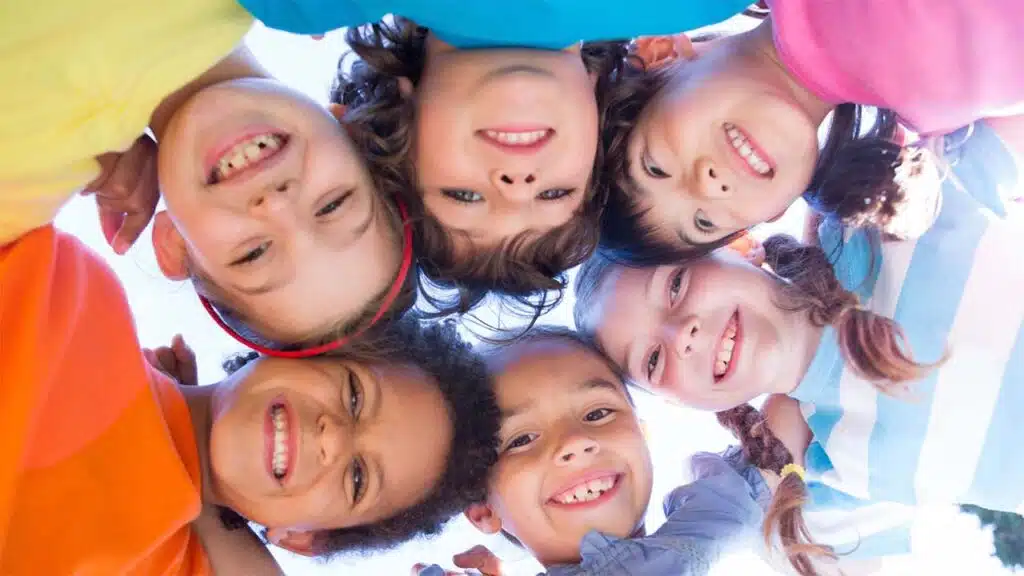
By age 5, children are ready to begin building more intentional social connections.
They should be able to introduce themselves to others and make new friends.
This involves using basic social skills like saying “hello,” asking to join in a game, and showing interest in others.
How to Encourage It
- Practice Social Introductions:
Teach your child how to introduce themselves by saying their name and asking, “What’s your name?” Practice with family members or friends.
- Encourage Group Play:
Create opportunities for your child to interact with other children in group settings, such as playdates, school, or community activities.
- Model Friendliness:
Demonstrate how to be friendly and polite in social interactions.
Show your child how to start a conversation or join a group by modeling the behavior yourself.
Why It’s Important
Being able to introduce themselves and make friends is key to building social networks, fostering a sense of belonging, and developing strong interpersonal skills.
It helps children feel more confident in social situations and reduces feelings of loneliness.
10. Apologizing and Forgiving
By age 5, children should begin to understand the importance of apologizing when they’ve hurt someone and forgiving when others have made mistakes.
Apologizing and forgiving are critical skills for repairing relationships and maintaining positive social interactions.
These skills also teach children accountability and compassion.
How to Encourage It
- Model Apologizing:
Show your child how to apologize when you make a mistake.
For example, say, “I’m sorry I was late to pick you up. I’ll try to be on time next time.”
- Teach Sincere Apologies:
Explain that apologies should be sincere and include actions to make amends, like saying, “I’m sorry for taking your toy.
Can I help you find another one?”
- Talk About Forgiveness:
Teach your child that forgiving someone means letting go of anger and giving them another chance.
Reinforce that everyone makes mistakes, and it’s important to move forward.
Why It’s Important
Learning to apologize and forgive helps children build stronger, healthier relationships by resolving conflicts and repairing emotional damage.
These skills promote emotional growth, empathy, and resilience, essential for navigating social interactions throughout life.
Final Thoughts
By age 5, children are developing critical social skills that will shape their relationships, communication abilities, and emotional well-being as they grow.
Encouraging these 10 essential social skills—from sharing and cooperation to empathy and conflict resolution—provides children with the foundation they need to thrive in social environments.
Parents play a key role in modeling and reinforcing these behaviors, helping children navigate the complexities of friendships, school, and life with confidence and kindness.
With time, practice, and positive reinforcement, your child will be well-equipped to handle social challenges, form meaningful connections, and develop a healthy sense of self within the broader community.

























