

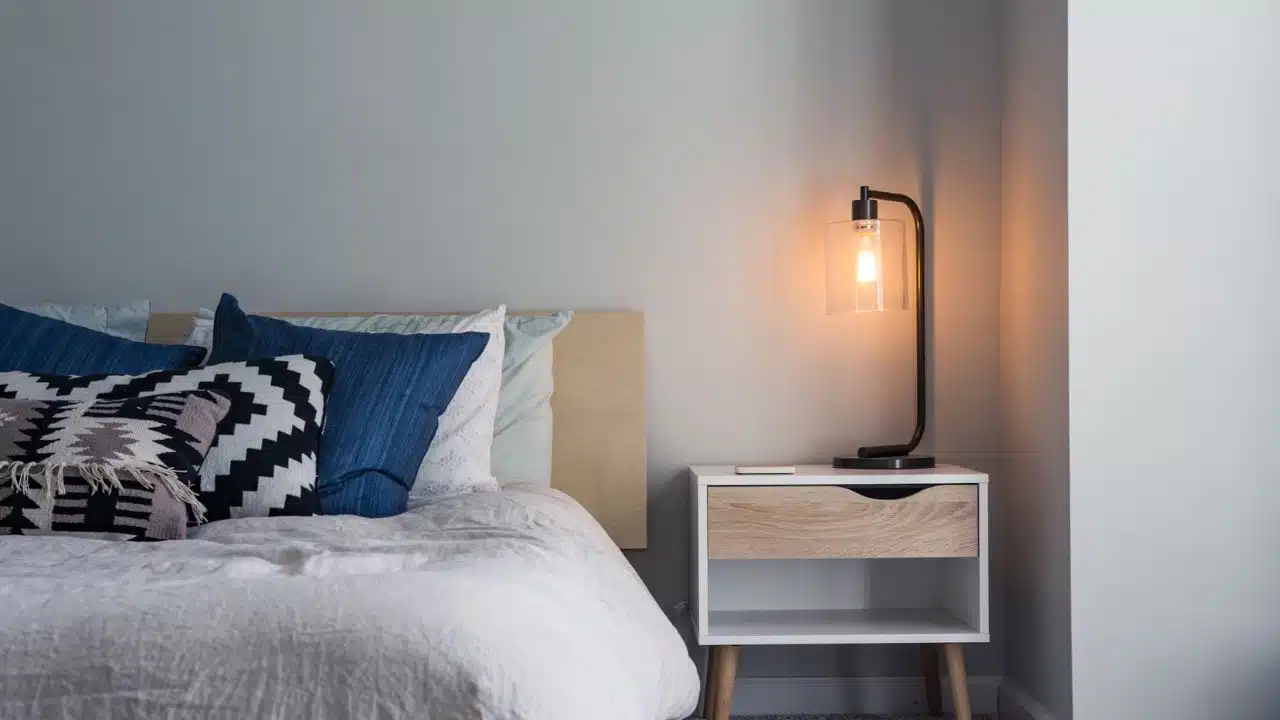
Creating a Restful Space for Sleep Apnea Relief
Living with sleep apnea can be challenging, but making some adjustments to your home can significantly improve your sleep quality. A clean and comfortable environment is essential for managing sleep apnea symptoms. This article offers practical tips on how to optimize your living space to help you get a restful night’s sleep.
Declutter Your Bedroom for Better Airflow
One of the simplest yet most effective ways to improve your sleep quality is to declutter your bedroom. Dust and allergens can accumulate quickly, especially on surfaces covered with knick-knacks, books, or unused items. A clean and organized space ensures better air quality, which is crucial for those with sleep apnea.
- Tip: Regularly dust surfaces, vacuum carpets, and wash linens to reduce allergens.
- Pro Tip: Consider using a HEPA filter vacuum to capture smaller particles that can
The Role of Air Purifiers in Managing Sleep Apnea
Air purifiers are excellent tools for improving indoor air quality, especially if you have sleep apnea. These devices help filter out pollutants, dust, and allergens that can disrupt your sleep. Clean air can reduce nasal congestion, making it easier to breathe throughout the night.
Choosing the Right Air Purifier
- Look for models with HEPA filters to capture fine particles.
- Opt for purifiers with low noise levels to avoid sleep disruptions.
- Ensure regular maintenance and filter replacement for optimal performance.
The Benefits of a Comfortable Mattress and Pillows
Comfort plays a crucial role in managing sleep apnea. A supportive mattress and the right pillows can help keep your airways open while you sleep. Consider using pillows designed for side sleepers since this position helps prevent airway blockages.
Tips for Choosing Sleep-Friendly Bedding
- Use hypoallergenic pillows and mattress covers to reduce allergens.
- Choose memory foam pillows for better support and neck alignment.
- Opt for breathable, natural fabrics like cotton to stay cool at night.
Using Essential Oils and Diffusers for Relaxation
Essential oils can create a calming environment that promotes relaxation. Scents like lavender and chamomile are known for their soothing effects, which can help you unwind before bedtime. Using a diffuser can distribute these calming scents throughout your bedroom.
Best Practices for Using Essential Oils
- Place the diffuser away from your bed to avoid overpowering scents.
- Use a timer to turn the diffuser off after an hour to prevent dryness.
- Combine scents like eucalyptus with lavender for enhanced respiratory benefits.
Keeping Your Bedroom Cool and Comfortable
Temperature plays a significant role in sleep quality, especially for those with sleep apnea. A cool environment helps your body regulate its temperature, making it easier to fall asleep and stay asleep.
Tips for Maintaining an Ideal Sleep Temperature
- Keep your bedroom between 60-67°F (15-19°C) for optimal sleep.
- Use blackout curtains to block external heat and light.
- Consider using a fan or air conditioner to circulate cool air.
Establishing a Pre-Sleep Routine for Better Rest
Creating a pre-sleep routine can help signal your body that it’s time to wind down. According to experts at Nuffield ENT, this is particularly beneficial for those with sleep apnea, as relaxation techniques can reduce stress and promote better breathing patterns at night.
Relaxation Techniques to Try
- Practice deep breathing exercises to open your airways.
- Engage in gentle stretches or yoga to relax muscles.
- Listen to calming music or read a book to reduce screen time before bed.
FAQs
Q1: Can air purifiers really help with sleep apnea?
Yes, air purifiers can improve indoor air quality by reducing allergens and dust, which can alleviate nasal congestion and improve breathing during sleep.
Q2: What are the best sleeping positions for managing sleep apnea?
Sleeping on your side is recommended it helps keep airways open and reduces the chances of airway blockages compared to sleeping on your back.
Q3: Are there any essential oils that help with sleep apnea?
Yes, essential oils like lavender, eucalyptus, and peppermint can promote relaxation and improve airflow, potentially benefiting those with sleep apnea.
Conclusion
Creating a clean and comfortable environment is key to managing sleep apnea symptoms. From using air purifiers to optimizing your bedding, these simple adjustments can greatly improve your sleep quality. By integrating these tips into your daily routine, you can enjoy a more restful and restorative night’s sleep.





















