

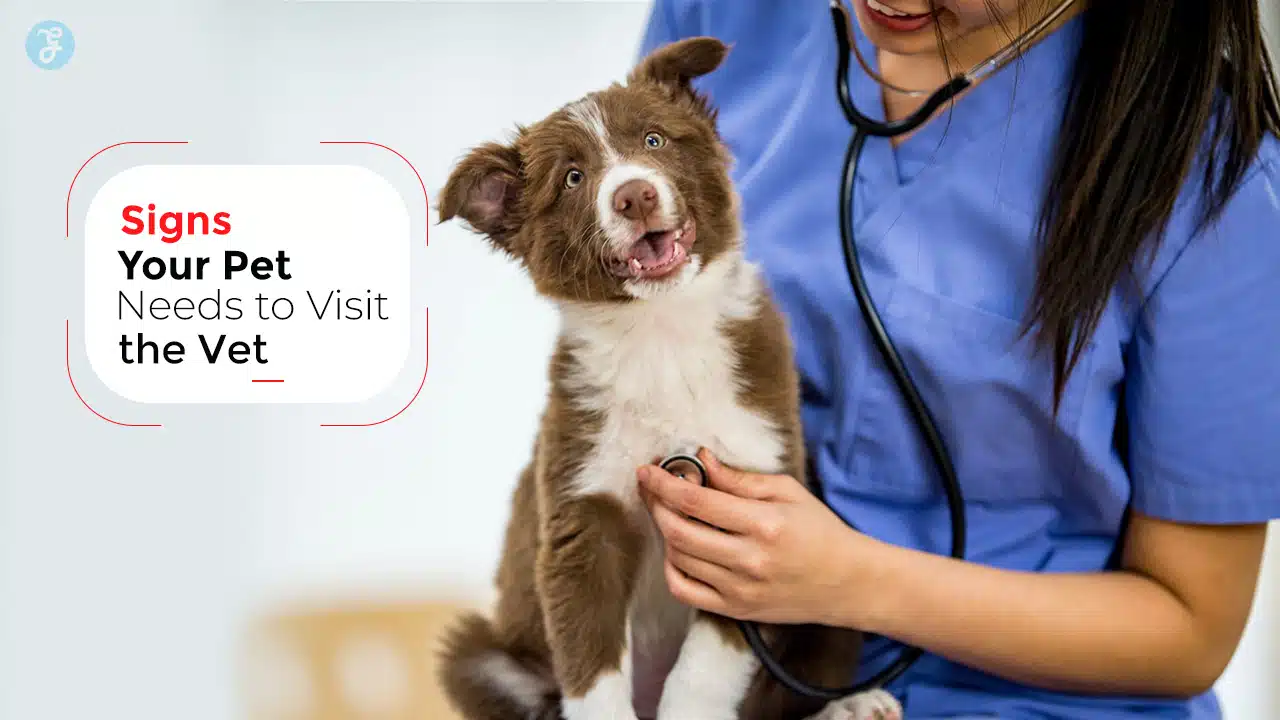
Your pet is a beloved member of your family, and just like any family member, their health and happiness matter greatly. Pets can’t communicate their discomfort or pain in words, but they can give clues through their behavior, habits, and physical condition.
Knowing what signs to watch for can help you take timely action to ensure your furry companion stays healthy. Regular vet visits are essential, but certain symptoms or changes in your pet’s behavior should never be ignored. In this article, we’ll explore the top 10 signs that your pet needs to visit the vet, what to expect during a vet visit, and tips for preventative pet care.
Why Recognizing Early Warning Signs Is Crucial?
Pets are masters at hiding pain and illness. In the wild, showing weakness can make them vulnerable, and this instinct hasn’t left our domesticated friends. This is why it’s vital to recognize even subtle changes in their behavior or physical health. Early detection of health problems can save your pet’s life and prevent minor issues from escalating into serious complications. It can also save you money by reducing the need for emergency treatments.
By being proactive and observant, you can give your pet the care they deserve.
The Top 10 Signs Your Pet Needs to Visit the Vet
Here are the most common signs that indicate it’s time to schedule a vet appointment. Each of these symptoms could be a sign of an underlying issue that needs professional attention.
1. Sudden Loss of Appetite
If your pet refuses to eat for more than a day, it could indicate a serious problem. While occasional changes in appetite may not be alarming, prolonged loss of interest in food may point to issues such as:
- Dental problems like gum disease or tooth decay
- Gastrointestinal issues such as blockages
- Infections or inflammation
Quick Tip: Keep a food diary to track your pet’s eating habits. If there are consistent patterns of refusal, consult your vet.
| Possible Causes | Immediate Actions |
| Dental problems | Inspect their teeth and gums for signs of redness or swelling. |
| Gastrointestinal blockages | Watch for signs of vomiting or bloating. |
| Infections | Check for accompanying symptoms like fever or lethargy. |
2. Persistent Vomiting or Diarrhea
Vomiting and diarrhea can happen occasionally, especially if your pet eats something they shouldn’t. However, persistent vomiting or diarrhea lasting more than 24 hours can be a sign of:
- Dehydration
- Food poisoning
- Parasites or infections
- Organ problems, such as liver or kidney issues
What to Watch For: Look for additional symptoms like blood in stool or vomit, weakness, or excessive drooling.
| Symptom | Possible Cause |
| Persistent diarrhea | Parasites or infections |
| Blood in stool or vomit | Food poisoning or injury |
| Weakness and dehydration | Underlying organ damage |
3. Difficulty Breathing or Coughing
Labored breathing, wheezing, or a persistent cough can indicate serious conditions like respiratory infections, heart disease, or allergies. Breathing difficulties should always be treated as an emergency.
What to Do: Take note of your pet’s breathing rate and seek immediate veterinary care if:
- Breathing is fast or shallow
- There are unusual noises like wheezing
- They’re coughing excessively
| Symptoms | Potential Issue |
| Wheezing or labored breathing | Respiratory infection |
| Persistent cough | Allergies or heart disease |
| Open-mouth breathing | Emergency; seek vet care |
4. Changes in Bathroom Habits
If your pet starts urinating more frequently, has difficulty urinating, or has accidents in the house, it could signal:
- Urinary tract infections (UTIs)
- Kidney disease
- Stress or anxiety
Quick Tip: Monitor their water intake and bathroom behavior. Difficulty in urinating or blood in urine requires immediate attention.
| Behavior | Possible Issue |
| Frequent urination | Diabetes or kidney disease |
| Straining to urinate | UTI or bladder stones |
| Accidents in the house | Stress or medical condition |
5. Unexplained Weight Loss or Gain
Significant weight changes, whether loss or gain, can indicate underlying health problems. Weight loss could point to metabolic disorders or parasites, while weight gain might be linked to hormonal imbalances or overfeeding.
What to Monitor: Regularly weigh your pet and watch for other symptoms like lethargy or changes in appetite.
| Symptom | Possible Cause |
| Unexplained weight loss | Parasites or metabolic issues |
| Rapid weight gain | Hormonal imbalance |
| Sudden bloating | Gastrointestinal blockages |
6. Lethargy or Lack of Energy
A tired pet might just need rest, but persistent lethargy can be a sign of:
- Anemia
- Chronic pain
- Infections or illness
What to Do: If your pet seems excessively tired, unresponsive, or disinterested in activities they normally enjoy, it’s time for a vet visit.
| Behavior | Potential Cause |
| Excessive sleeping | Chronic illness |
| Lack of interest in play | Pain or mental health issues |
| Difficulty moving | Joint or muscle problems |
7. Skin Irritations or Hair Loss
Skin issues, such as redness, itching, or hair loss, can be caused by:
- Allergies (food or environmental)
- Parasites like fleas or ticks
- Hormonal disorders
Quick Tip: Check for flea dirt (small black dots) on your pet’s skin and ensure their diet is balanced.
| Symptom | Potential Cause |
| Red, irritated skin | Allergies or infections |
| Hair loss | Parasites or hormonal imbalance |
| Excessive scratching | Fleas or mites |
8. Behavioral Changes
Sudden aggression, hiding, or restlessness could indicate:
- Pain or discomfort
- Cognitive issues (in older pets)
- Stress or anxiety
What to Look For: If your pet’s behavior changes drastically, it could mean they’re in distress and need help.
| Behavior | Possible Cause |
| Aggression | Pain or fear |
| Hiding | Stress or illness |
| Restlessness | Anxiety or discomfort |
9. Visible Lumps or Swellings
Lumps and swellings can range from harmless cysts to malignant tumors. If a lump grows quickly, is painful, or has an irregular shape, it’s best to consult a vet.
Pro Tip: Keep track of the size, shape, and texture of any lumps for accurate reporting to your vet.
| Symptom | Potential Issue |
| Hard, fast-growing lump | Possible tumor |
| Painful swelling | Infections or injuries |
| Irregular-shaped lumps | Requires biopsy |
10. Changes in Eyes or Ears
Redness, cloudiness, or discharge from the eyes, as well as unusual odors from the ears, could signal infections or chronic conditions.
What to Watch For: Regularly inspect your pet’s eyes and ears for:
- Redness or swelling
- Foul smells
- Excessive scratching or pawing
| Symptom | Potential Issue |
| Red, irritated eyes | Eye infection or injury |
| Discharge from ears | Ear infection |
| Cloudy eyes | Cataracts or glaucoma |
What to Expect During a Vet Visit?
When you visit the vet, the process typically includes:
- Initial Examination: Checking vital signs, weight, and overall condition.
- Diagnostics: Blood tests, X-rays, or ultrasounds if needed.
- Treatment Plan: Recommendations based on the diagnosis, which could include medication, lifestyle changes, or surgery.
Being prepared for these steps can make the experience smoother for both you and your pet.
Tips for Preventative Pet Care
Preventative care is the key to a long, healthy life for your pet. Here’s how you can stay ahead of potential issues:
- Routine Check-Ups: Schedule annual vet visits.
- Vaccinations: Keep vaccinations up to date.
- Healthy Diet: Provide a balanced, nutritious diet.
- Exercise: Regular physical activity keeps your pet fit.
- Monitor Behavior: Keep an eye on any unusual changes.
When to Visit an Emergency Vet?
Some situations require immediate attention. If your pet experiences seizures, poisoning, or severe injuries, don’t wait for a regular appointment. Emergency vet clinics are equipped to handle critical cases.
Final Thoughts
Your pet depends on you to recognize when something isn’t right. By staying vigilant and proactive, you can address health concerns before they become severe. Trust your instincts—if you feel something is off, it’s always better to consult your vet.
Remember, a happy, healthy pet makes for a happy home. Schedule a check-up today to ensure your furry friend stays in top shape!
FAQs About Pet Health and Vet Visits
1. How often should I take my pet to the vet?
At least once a year for a routine check-up; senior pets may require more frequent visits.
2. What should I bring to a vet appointment?
Medical history, a list of symptoms, and any medications your pet is taking.
3. How can I tell if my pet is in pain?
Look for signs like limping, hiding, aggression, or changes in appetite.






















