

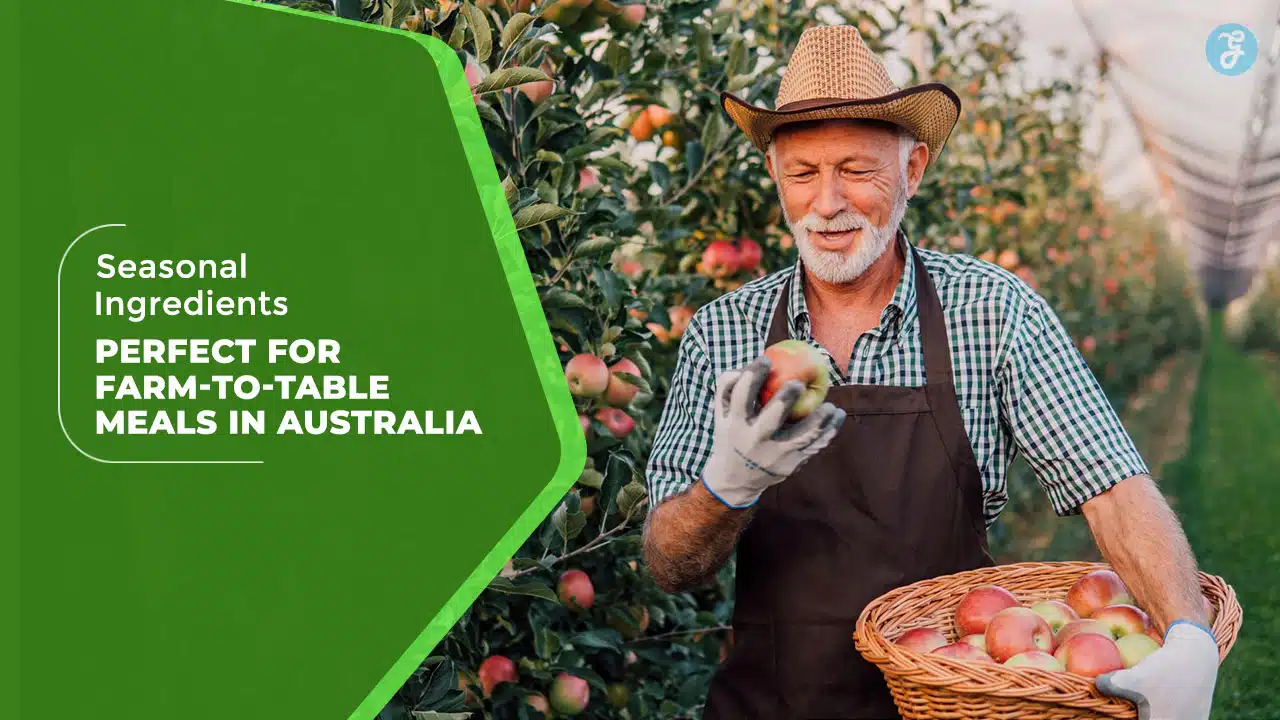
Farm-to-table dining has become more than just a trend; it’s a movement that connects people with the origins of their food while celebrating freshness, flavor, and sustainability.
For Australians, the diverse climate and rich agricultural heritage offer an abundance of seasonal ingredients that elevate farm-to-table meals.
In this guide, we delve into 12 seasonal ingredients for farm-to-table meals in Australia, highlighting their availability, uses, and benefits.
What Is Farm-to-Table?
Farm-to-table refers to the direct sourcing of food from local farms to your table, emphasizing minimal processing and a focus on freshness. This approach fosters sustainability, supports local farmers, and allows consumers to enjoy the peak flavors and nutrition of seasonal produce.
In Australia, this movement thrives due to the country’s varied climates, which produce a diverse array of ingredients year-round.
Why Seasonal Ingredients Matter?
Freshness and Flavor
Seasonal ingredients are harvested at their peak, ensuring maximum freshness and flavor. For instance, summer mangoes or winter kale are richer in taste and texture compared to out-of-season alternatives. The vibrant taste of in-season produce is often unmatched by their imported counterparts.
Cost-Effectiveness
In-season produce is often more affordable due to local abundance and reduced transportation costs. By buying local and seasonal, you not only save money but also support Australian farmers, creating a positive cycle for the economy.
Environmental Impact
Seasonal and local sourcing reduces the carbon footprint associated with long-distance transportation. It also encourages sustainable farming practices, making it an eco-friendly choice. Consumers who prioritize seasonal ingredients contribute to healthier ecosystems and reduced food wastage.
12 Seasonal Ingredients in Australia
Australia’s diverse regions allow for year-round access to exceptional produce. Here are 12 ingredients perfect for your farm-to-table meals:
1. Mangoes
Mangoes are a quintessential summer delight in Australia. Their sweet, juicy flavor and vibrant orange flesh make them an irresistible addition to both sweet and savory dishes. From refreshing salads to creamy desserts, mangoes bring a tropical touch to every meal.
- Season: December to March
- Uses: Mangoes are a summer staple, perfect for salads, desserts, and smoothies. Pair them with leafy greens and nuts for a refreshing salad or blend them into tropical drinks.
Key Details Table:
| Aspect | Details |
| Best Varieties | Kensington Pride, Calypso |
| Nutritional Benefits | High in Vitamin C and fiber |
| Storage Tips | Store at room temperature |
2. Zucchini

A versatile summer vegetable, zucchini is loved for its mild flavor and adaptability. Whether grilled, spiralized, or baked, zucchini effortlessly complements a variety of cuisines, adding nutrition and texture to your meals.
- Season: November to March
- Uses: Zucchini’s versatility shines in grilling, baking, and stir-frying. Try zucchini noodles as a low-carb pasta alternative or bake zucchini fritters.
Key Details Table:
| Aspect | Details |
| Best Pairings | Garlic, lemon, parmesan |
| Nutritional Benefits | Rich in potassium and fiber |
| Storage Tips | Refrigerate in a plastic bag |
3. Sweet Corn
Sweet corn is a summertime favorite, celebrated for its natural sweetness and crunch. A versatile ingredient, it can be roasted, boiled, or even used raw in salads to add a burst of flavor and nutrition.
- Season: December to May
- Uses: Sweet corn adds crunch and sweetness to summer dishes. Roast it on the cob, toss it into salads, or blend it into soups for a creamy texture.
Key Details Table:
| Aspect | Details |
| Cooking Techniques | Roasting, boiling, steaming |
| Nutritional Benefits | High in fiber and folate |
| Storage Tips | Keep in husk, refrigerate |
4. Pumpkins
With their rich, earthy flavor, pumpkins are an autumn favorite in Australia. They’re versatile and nutrient-dense, lending themselves beautifully to comforting dishes like soups, pies, and roasted sides.
- Season: March to June
- Uses: Pumpkins are ideal for soups, roasts, and baked goods. Their sweet, earthy flavor pairs beautifully with spices like cinnamon and nutmeg.
Key Details Table:
| Aspect | Details |
| Popular Varieties | Butternut, Kent |
| Nutritional Benefits | High in beta-carotene |
| Storage Tips | Cool, dry place |
5. Apples
Autumn marks the arrival of crisp, flavorful apples in Australia. They’re perfect for snacks, desserts, and savory pairings, offering a balance of sweetness and tartness.
- Season: February to May
- Uses: Apples are perfect for desserts, snacks, and even savory dishes like pork roasts. Popular varieties in Australia include Pink Lady and Granny Smith.
Key Details Table:
| Aspect | Details |
| Best Varieties | Pink Lady, Granny Smith |
| Nutritional Benefits | High in antioxidants |
| Storage Tips | Refrigerate in crisper |
6. Beetroot
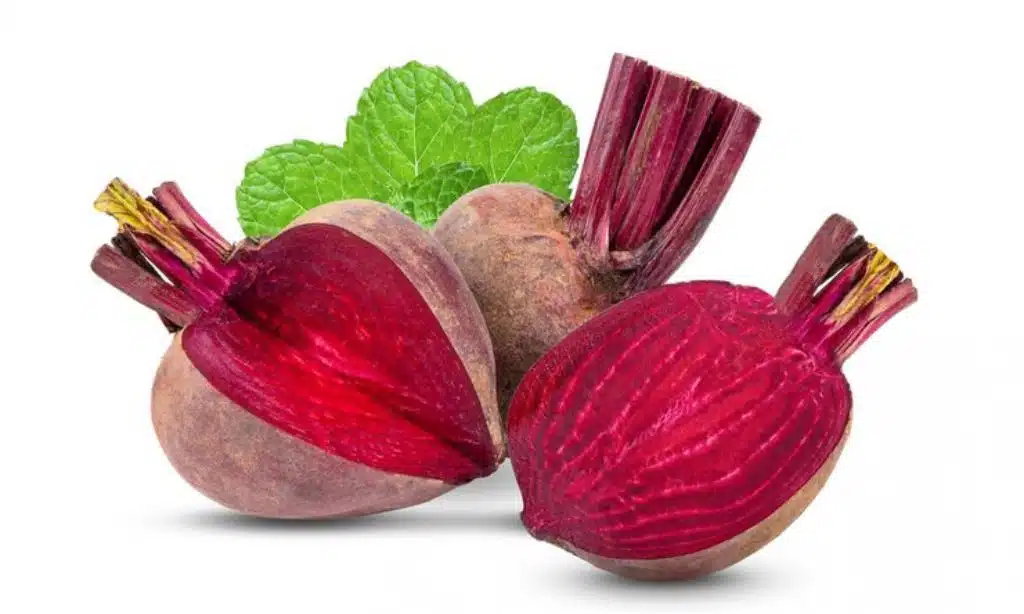
Beetroot’s vibrant color and earthy taste make it a standout autumn ingredient. It’s a nutritional powerhouse, perfect for salads, juices, and dips like beetroot hummus.
- Season: February to November
- Uses: Beetroot’s vibrant color and earthy taste make it a favorite in salads, juices, and dips like beetroot hummus.
Key Details Table:
| Aspect | Details |
| Cooking Methods | Roasting, boiling, raw |
| Nutritional Benefits | High in iron and folate |
| Storage Tips | Refrigerate, remove tops |
7. Kale
Kale thrives in Australia’s cooler months, offering robust leaves packed with nutrients. This hardy green is perfect for sautéing, blending into smoothies, or massaging for salads.
- Season: June to September
- Uses: Kale’s robust texture makes it ideal for sautéing, adding to soups, or blending into smoothies. Massage raw kale leaves for a tender salad base.
Key Details Table:
| Aspect | Details |
| Nutritional Benefits | Rich in Vitamin K and iron |
| Best Pairings | Lemon, garlic, olive oil |
| Storage Tips | Refrigerate in damp cloth |
8. Oranges
Oranges are a winter citrus gem in Australia, offering a refreshing burst of flavor and a wealth of health benefits. Their versatility shines in both sweet and savory dishes, from zesty desserts to marinades for meats.
- Season: June to October
- Uses: Oranges brighten up winter dishes with their citrusy zest. Use them in desserts, marinades, or refreshing beverages.
Key Details Table:
| Aspect | Details |
| Popular Varieties | Navel, Valencia |
| Nutritional Benefits | Rich in Vitamin C and fiber |
| Storage Tips | Store in a cool, dry place |
9. Parsnips
Parsnips are a winter root vegetable known for their sweet and nutty flavor. They are a hearty addition to roasts, soups, and stews, making them a favorite for comfort food during cooler months.
- Season: May to August
- Uses: Parsnips’ sweet and starchy qualities make them perfect for roasting or blending into creamy soups.
Key Details Table:
| Aspect | Details |
| Cooking Techniques | Roasting, mashing, boiling |
| Nutritional Benefits | High in potassium and fiber |
| Storage Tips | Store in a cool, dark place |
10. Asparagus
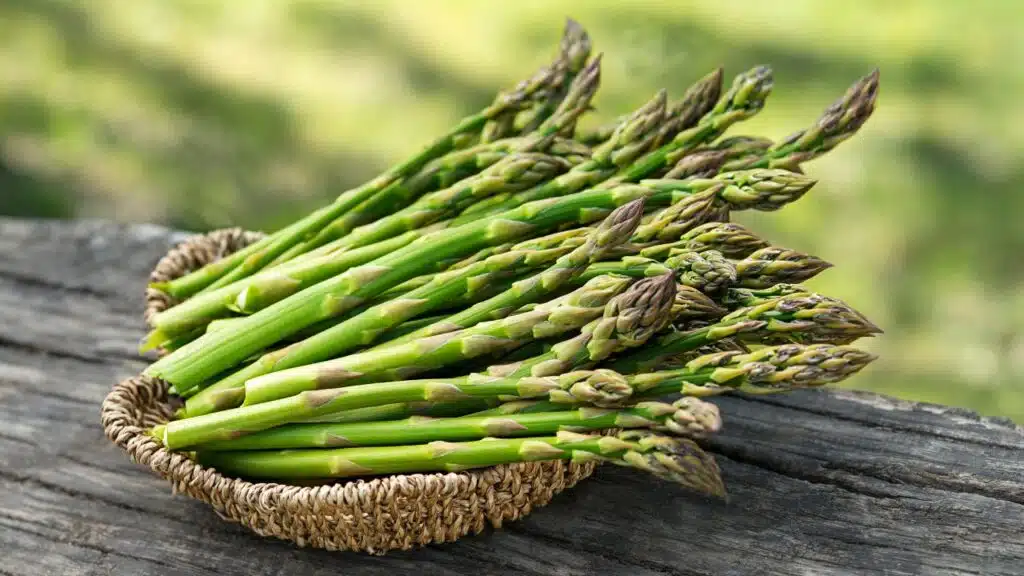
A symbol of spring, asparagus is loved for its tender stalks and delicate flavor. Whether served as a side dish or incorporated into main meals, it adds elegance and freshness to any table.
- Season: September to December
- Uses: Asparagus spears are a spring delicacy. Grill, steam, or sauté them for a quick and elegant side dish.
Key Details Table:
| Aspect | Details |
| Best Pairings | Lemon, olive oil, parmesan |
| Nutritional Benefits | High in Vitamin A and folate |
| Storage Tips | Wrap ends in damp cloth |
11. Strawberries
Spring marks the arrival of vibrant, juicy strawberries. These berries are not only delicious but also versatile, making them perfect for desserts, salads, and beverages.
- Season: August to December
- Uses: Strawberries add sweetness to desserts, salads, and breakfast bowls. They’re also perfect for homemade jams and smoothies.
Key Details Table:
| Aspect | Details |
| Popular Varieties | Albion, Festival |
| Nutritional Benefits | Rich in Vitamin C and fiber |
| Storage Tips | Refrigerate, avoid washing before storing |
12. Peas
Peas are a quintessential spring ingredient, loved for their bright green color and sweet flavor. They are versatile and work well in both light and hearty dishes.
- Season: September to November
- Uses: Peas bring a burst of freshness to salads, soups, and risottos. Their natural sweetness complements many spring dishes.
Key Details Table:
| Aspect | Details |
| Cooking Techniques | Blanching, steaming, raw |
| Nutritional Benefits | High in protein and fiber |
| Storage Tips | Refrigerate in airtight bags |
Enhancing Your Farm-to-Table Experience
By focusing on seasonal ingredients for farm-to-table meals in Australia, you celebrate the richness of local produce while embracing sustainable practices.
This updated list is designed to provide you with actionable insights, inspiring creativity in the kitchen. Let me know if there’s anything else you’d like to enhance!
Cooking Tips for Farm-to-Table Meals
Pairing Seasonal Ingredients
Combining ingredients by season ensures cohesive and flavorful meals.
For example:
- Pair summer mangoes with sweet corn in a tropical salad.
- Combine winter kale with oranges in a vibrant, nutrient-packed dish.
Preservation Techniques
To extend the shelf life of seasonal produce:
- Freezing: Blanch vegetables like peas before freezing.
- Pickling: Preserve beetroots or asparagus in brine.
- Dehydrating: Dry fruits like strawberries for snacks or baking.
Sustainable Cooking Practices
- Use vegetable scraps for homemade stock.
- Compost organic waste to enrich your garden soil.
- Plan meals to minimize food waste.
Conclusion
Using seasonal ingredients for farm-to-table meals in Australia is a rewarding way to enhance flavor, support sustainability, and connect with local agriculture. By embracing the rich diversity of Australian produce, you can create dishes that celebrate freshness and taste while making eco-conscious choices.
Visit your local markets, experiment with recipes, and discover the joys of seasonal cooking today!





















