Getting new SaaS customers up to speed quickly is critical to their success with your product. A smooth onboarding process helps users see value fast and start using your software effectively. Good onboarding can boost customer satisfaction, reduce churn, and increase retention.
There are many ways to improve how you onboard new SaaS users. From creating helpful tutorials to offering personalized support, the right tactics can make a big difference.
This article will explore ten effective methods to onboard new SaaS customers and set them up for success.
1. Personalized Welcome Emails
Personalized welcome emails are a great way to start your relationship with new SaaS customers. When someone signs up for your service, immediately send them a friendly message.
Make sure to use their name in the email. This slight touch helps them feel valued. You can also mention the specific product or plan they chose.
Think about why they signed up. Include information about features that match their needs. This shows you understand and care about their goals.
Keep the email short and easy to read. Use precise language and avoid jargon. Break up text with bullet points or short paragraphs.
Add a clear next step for the customer. This could be a link to set up their account or a video tutorial. Make it easy for them to get started right away.
Consider adding a personal touch from your team. A photo or signature from the CEO can make the email feel more welcoming.
Remember to test your emails on different devices. Many people read emails on phones, so make sure they look good on small screens, too.
2. Interactive Onboarding Tutorials

Interactive onboarding tutorials are a great way to help new customers learn your SaaS product. These tutorials guide users through critical features step-by-step.
You can create interactive walkthroughs that highlight essential parts of your interface. As users click through, they’ll see tooltips explaining each feature.
Gamification can make tutorials more fun. Add progress bars, badges, or points to reward users as they complete steps. This keeps people engaged and motivated to finish.
Video tutorials are another effective option. Short, focused videos can show users how to perform specific tasks. Make sure to keep these bite-sized and easy to follow.
Personalize tutorials based on user roles or goals. This ensures people only see information relevant to their needs. It saves time and prevents overwhelm.
Let users practice in a safe environment. Create sandbox areas where they can try features without fear of breaking anything. This hands-on approach aids learning.
Include quizzes or challenges to test knowledge. This reinforces learning and helps users remember critical points. Keep these light and fun, not stressful.
Offer different learning paths for beginners and advanced users. This caters to varying skill levels and prior experience. Users can choose the path that fits them best.
Make tutorials accessible anytime. Users should be able to revisit them later if they need a refresher. This ongoing support helps build confidence.
3. Dedicated Customer Success Managers
A dedicated Customer Success Manager (CSM) can make a big difference for new SaaS customers. These managers focus on helping clients get the most out of your product.
CSMs act as a central point of contact for customers. They answer questions, give tips, and solve problems quickly. This personal touch helps build trust and keeps customers happy.
A good CSM learns about each customer’s goals. They then tailor the onboarding process to meet those specific needs. This approach helps customers see value in your product faster.
CSMs also keep track of how customers use your software. They can spot someone struggling and offer help before the customer gets frustrated. This proactive support can prevent cancellations.
Regular check-ins are part of a CSM’s job. They might set up calls or send emails to see how things are going. These check-ins allow customers to share feedback and get help if needed.
4. In-app Guided Tours
In-app guided tours help new users learn how to use your SaaS product. These tours show customers the crucial features step-by-step.
You can create simple tours that focus on 3-5 key steps. This helps users get started quickly without feeling overwhelmed.
Tools like Appcues and Userguiding make it easy to build these tours. You don’t need to be a tech expert to set them up.
A good tour highlights the main parts of your software. It shows users where to click and what each feature does.
Keep your tours short and sweet. Long tours can bore users or make them forget what they learned at the start.
Let users skip or pause the tour if they want. Some people prefer to explore on their own.
Update your tours when you add new features. This keeps the information fresh and beneficial for all users.
5. Regular Check-ins
Regular check-ins are vital to keeping new SaaS customers on track. You should set up a schedule to touch base with them often. This helps you spot any issues early on.
During these check-ins, ask how they’re using the product. Find out if they have any questions or problems. It’s a chance to offer tips and show them features they might have missed.
You can do check-ins in different ways. Phone calls work well for some customers. Others prefer video chats or emails. Pick the method that suits each customer best.
Make sure to keep notes from each check-in. This helps you remember what you talked about last time. You can use these notes to follow up on any issues or goals.
Don’t just focus on problems during check-ins. Celebrate wins, too. If a customer has success with your product, acknowledge it. This builds a positive relationship and keeps them excited about using your SaaS.
6. Onboarding Webinars
Webinars are a great way to introduce new customers to your SaaS product. They let you connect with many users and show them how to use your software.
When planning your webinar, think about what new users need to know. Cover the basics and highlight key features that will help them get started.
Make your webinar engaging by adding some fun elements. You can use polls to learn about your audience or encourage questions throughout the session. This keeps people interested and helps them learn better.
Break up your webinar into clear sections. This makes it easier for viewers to follow along. You can also record the webinar so customers can watch it later if they miss the live event.
After the webinar, send out a survey to get feedback. Ask what was helpful and what could be improved. Use this info to make your next webinar even better.
Remember to keep your webinar short and focused. Aim for about 30-45 minutes. This gives enough time to cover essential points without overwhelming new users.
Offer different webinar times to accommodate various schedules. This ensures more customers can attend and get the help they need to start using your product.
7. Comprehensive Knowledge Base

A knowledge base is a vital tool for onboarding new SaaS customers. It’s a central place where users can find answers to their questions.
Your knowledge base should cover all aspects of your product. Include articles, guides, and tutorials that explain how to use different features.
Make sure the content is easy to find. Use clear categories and a good search function. This helps users quickly get the info they need.
Keep your knowledge base up-to-date. As your product changes, update the articles to match. Old or wrong info can frustrate new users.
Consider adding videos or screenshots to your guides. Visual aids can make complex tasks more straightforward to understand.
Encourage your team to add to the knowledge base. When support staff get frequent questions, they can create new articles to address them.
A good knowledge base saves time for both customers and your support team. It lets users solve problems on their own, reducing support tickets.
8. Customer Feedback Surveys
Customer feedback surveys are a vital tool for improving your SaaS onboarding. They give you direct insights into new users’ thoughts about your product and process.
You can use short in-app surveys to ask users about their experience. This lets you catch problems early and fix them fast. It’s best to keep these surveys brief, with just a few questions.
Another option is to send email surveys after critical milestones. For example, ask for feedback after a user completes their first task or has used the product for a week.
Make sure to ask both closed and open-ended questions. Ratings can show you trends, while comments give you specific ideas for improvement.
Don’t forget to act on the feedback you receive. If many users mention the same issue, prioritize fixing it. This shows you value their input and are committed to improving their experience.
Regular surveys can also help you track your progress over time. You can see if your changes are improving new customers’ onboarding experience.
9. Exclusive Onboarding Offers
Want to make your new SaaS customers feel special? Try offering exclusive deals during onboarding. These perks can boost excitement and engagement right from the start.
You might provide a discount on their first month’s subscription. Or give them extra storage space for free. Another option is to unlock premium features at no cost for a limited time.
Think about what your customers value most. It could be one-on-one training sessions or priority support. Offering these as part of onboarding can make a significant impact.
Time-limited offers work well, too. They create a sense of urgency and encourage quick action. For example, “Upgrade to our pro plan within seven days and get 20% off for life.”
Remember to make these offers easy to understand and claim. Clear instructions and simple processes are essential. This ensures new users can take full advantage of your exclusive onboarding perks.
10. Community Forums
Community forums can be an excellent tool for onboarding new SaaS customers. These online spaces let users connect, share tips, and solve problems.
You can set up a forum on your website or use existing platforms. Make sure new customers know about the forum during onboarding.
Encourage your team to be active in the forum. They can answer questions and share helpful info. This shows new users that you care about their success.
Forums also let experienced customers help newbies. This builds a sense of community and reduces the load on your support team.
You can create special sections for common onboarding issues. Pin important threads to make them easy to find. Consider adding a “Welcome” area for new users to introduce themselves.
Use the forum to gather feedback on your onboarding process. Pay attention to common questions or complaints. This can help you improve your product and onboarding.
Remember to moderate the forum to keep it helpful and friendly. Set clear rules and remove any inappropriate content quickly.
Importance of Customer Onboarding
Customer onboarding is critical for SaaS success. It helps new users get value quickly and stick around longer. Let’s look at why it matters so much.
Increased Customer Retention
Good onboarding keeps customers using your product. Users will likely keep paying for your SaaS tool when they learn how to use it well. Here’s why:
- Users see value faster
- They get over the learning curve
- Fewer people quit out of frustration
A smooth start means fewer cancellations. This saves you money when getting new customers. It also leads to more long-term revenue.
Improved Customer Satisfaction
Happy customers are good for business. Onboarding plays a significant role in customer happiness. Here’s how it helps:
- Users feel supported from day one
- They learn to use critical features quickly
- Problems get solved before they cause frustration
When customers are happy, they tell others. This can lead to more sales through word-of-mouth. Happy users are also more open to trying new features or upgrades.
Steps to Prepare for Onboarding
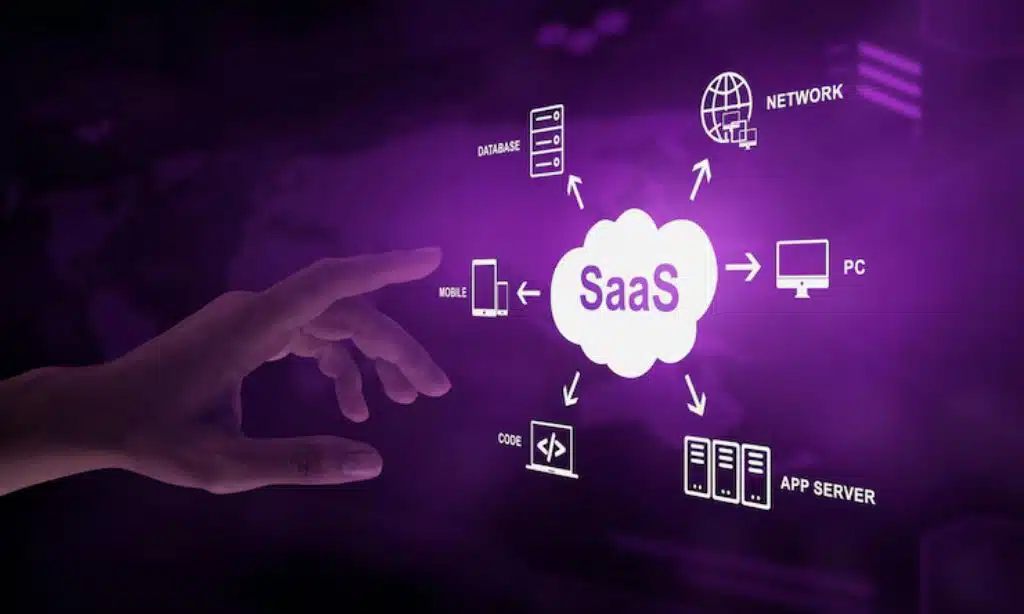
Getting ready for customer onboarding is critical to success. A good plan and clear communication set the stage for a smooth process.
Setting Clear Expectations
Start by talking to new customers about their goals. Ask what they want to achieve with your product. Share what they can expect during onboarding.
Be open about how long it will take. Tell them what they need to do. Explain what your team will handle. This helps avoid surprises later.
Make a list of key milestones. Share it with the customer. This gives them a roadmap to follow.
Set up a kickoff call or meeting. Use this time to answer questions. Make sure everyone is on the same page before you begin.
Creating a Detailed Onboarding Plan
Build a step-by-step plan for each new customer. Think about their specific needs and goals.
Include tasks for both your team and the customer. Break big jobs into smaller, manageable steps.
Set deadlines for each task. This keeps things moving forward.
Decide who will do what. Assign roles to your team members. Let the customer know who their primary contact will be.
Choose the right tools to use. Pick software that helps track progress. Make sure it’s easy for customers to use.
Plan check-ins along the way. This lets you catch any issues early. You can adjust the plan if needed.
Takeaways
Effective SaaS onboarding is crucial for maximizing customer retention and satisfaction. By implementing personalized welcome emails, interactive tutorials, and dedicated customer success managers, you can help new users quickly see the value in your product.
In-app guided tours and regular check-ins ensure customers remain engaged and supported throughout their journey. Onboarding webinars and a comprehensive knowledge base provide essential resources for users to learn independently.
At the same time, customer feedback surveys and exclusive offers allow you to improve the onboarding experience continuously. Community forums foster a sense of connection and provide peer support, further enhancing onboarding.
Preparing thoroughly with a clear plan and setting expectations creates a strong foundation for long-term customer success. Ultimately, investing in a well-rounded onboarding process reduces churn and builds lasting relationships with your customers, driving growth and satisfaction for your SaaS business.