

The digital age has changed how we shop. Many businesses struggle to keep up with new trends. Retail marketing tactics must adapt to meet customer expectations.
Toys R Us and Forever21 are examples of stores that closed due to e-commerce growth. This shows the need for updated strategies.
In this blog, we’ll explore eight effective retail marketing tactics for the digital age. These tips will help you connect with customers and grow your business. Keep reading to learn how to stay ahead in the retail game.
The Changing Retail Marketing Landscape
Retail marketing is shifting fast. Traditional stores like Toys R Us and Forever21 have closed due to missteps, while e-commerce grows stronger. U.S. retail sales are projected to hit $7.41 trillion in 2024, with e-commerce alone nearing $1.5 trillion by then.
Despite this growth, 70% of retail sales still happen in physical stores, showing the importance of blending online and offline strategies. By 2028, e-commerce could make up 20% of total U.S. retail sales.
Technology plays a key role in this change—AI, AR, and mobile commerce are reshaping how brands connect with customers. Consumers now expect seamless experiences across channels like social media platforms and mobile apps for online shopping success.
Tactic 1: Embrace Omnichannel Marketing
Omnichannel marketing connects online and offline shopping for a smooth customer experience. It bridges the gap between digital platforms and physical stores, enhancing brand engagement.
Create a seamless customer experience
To create seamless customer experiences , integrate online , offline, and social media platforms. Customers expect consistent brand interactions across touchpoints—whether they shop via physical stores , e-commerce sites , apps, etc.
Starbucks excels here, offering unified service delivery through web ordering systems integrated into its app alongside brick-and-mortar outlets, effectively fostering emotional connections among loyal patrons.
This approach boosts retention rates and increases revenues significantly, according to recent studies proving value investing and carefully crafted CX initiatives combined with automated tools make management easier and reduce friction every step of the purchase journey.
Tactic 2: Leverage Social Media for Shopping
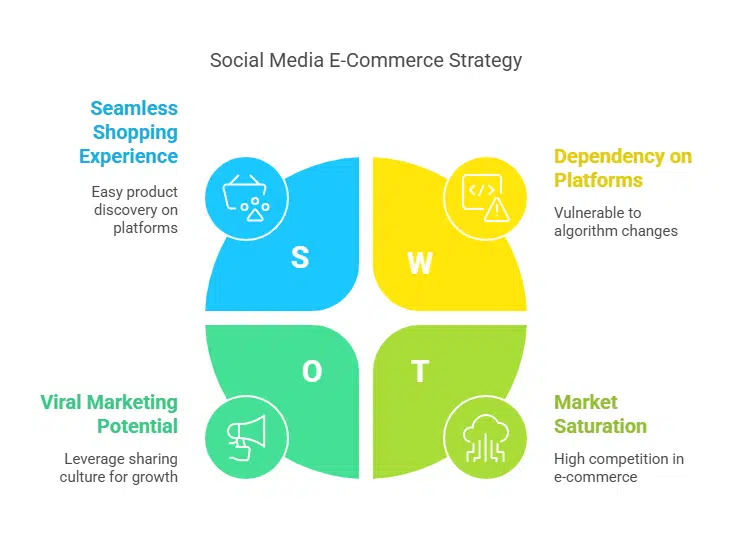
Social media turns browsing into buying—make product discovery easy right where your audience spends time today! Platforms like Instagram & TikTok blend entertainment & e-commerce seamlessly through shoppable posts & live streams, driving instant purchases without leaving apps!
Engaging beyond ads matters too – create polls quizzes behind-the-scenes reels fostering lasting connection sparking conversation around trends turning followers into loyal advocates eager press buy shop now links everywhere imaginable, amplifying exposure exponentially overnight, simply harnessing virality inherent sharing culture naturally built every major network these days…
Social platforms are now essential tools driving online shopping experiences… Instagram introduces shoppable posts—allowing users to buy directly without leaving app itself – enabling seamless transactions across multiple touchpoints, leading to increased conversion rates accordingly.
Moreover, recent studies suggest 55% of Generation Z already purchased via networks like Pinterest showcasing growing influence over younger demographics successfully converting followers into paying customers, fast becoming the norm rather than the exception, especially given projections indicating $141 billion revenue expected to be generate through commerce alone come year twenty eight marking a significant shift traditional models and making most opportunities presented today tomorrow alike.
Engage customers with interactive content
Interactive content keeps shoppers engaged and boosts brand awareness. Use polls, quizzes, and contests on platforms like Instagram or TikTok to grab attention. These tools make shopping fun while offering data-driven insights into consumer behavior.
Augmented reality (AR) features, like virtual try-ons, add a unique touch to the customer experience. Shoppable posts and live streams create direct paths to purchase, increasing conversion rates.
Engaging with trending topics ensures your content stays relevant and aligns with audience interests. Social media analytics help refine strategies, making every post count.
Tactic 3: Personalization Through Data
AI analyzes shopper habits—offering products they love before they search again! Targeted discounts based on past purchases make every customer feel special!
Use AI and analytics for tailored recommendations
Artificial intelligence helps create personalized shopping experiences—boosting customer spending by nearly one-third—via precise product suggestions based on browsing history and purchases.
Analytics tools gather valuable consumer insights enabling marketers to craft highly-focused campaigns aimed specifically at individual tastes and preferences; for example, consider Target’s Circle Loyalty Program, which uses similar technology offering custom discounts created exclusively according to buyer habits, thereby increasing satisfaction levels significantly as well! This isn’t random estimation either – integrated systems utilizing such advanced capabilities often see enrollments rise over half again compared to traditional ones lacking them altogether, thus providing solid proof of the effectiveness behind the individualized approach employed today within modern retail industry spaces.
Enhance customer satisfaction with targeted offers
Targeted offers boost customer satisfaction by 40%, according to recent data. Using AI and analytics, retailers can create personalized marketing campaigns that match individual preferences.
These personalized recommendations make shopping more relevant and enjoyable for customers.
Retailers like Target use data-driven insights to deliver customized promotions. This approach enhances the brand experience while increasing loyalty. Personalized deals also encourage repeat purchases, driving higher engagement and sales.
Tactic 4: Invest in Mobile Commerce
Optimize your website’s design—it must load quickly on phones without glitches, ensuring users stay engaged and follow smooth navigation paths leading directly to purchase buttons. Make checkout options easily accessible anytime, anywhere. Secondly, implement secure payment methods that allow safe transactions directly via smartphones, removing any obstacles that could hinder browsing decisions and converting them immediately into confirmed orders. This approach can significantly increase conversion rates and profitability if executed effectively, starting immediately and continuing consistently over time.
Optimize websites for mobile shopping
Mobile commerce is booming, with projections showing it will drive two-thirds of U.S. online sales growth by 2028. A staggering 94% of mobile purchases happen on smartphones, making mobile optimization essential.
Retailers must ensure websites load quickly and function smoothly on smaller screens. Fast-loading pages enhance the customer experience, reducing bounce rates and boosting conversions.
Mobile-friendly designs, easy navigation, and streamlined checkout processes are key. Implementing mobile payment solutions like digital wallets also simplifies transactions, encouraging repeat purchases.
Prioritizing mobile optimization aligns with consumer behavior, keeping brands competitive in the digital age.
Tactic 5: Utilize Retail Media Networks (RMNs)
Retail media networks help brands advertise directly within popular e-commerce platforms—think Amazon Ads or Walmart Connect—to reach shoppers ready-to-buy These ads boost visibility exactly when customers are making purchase decisions!
Advertise across retail platforms
Advertising across retail platforms is a smart way to reach customers. Retail media networks (RMNs) let brands showcase ads where shoppers already browse and buy. These platforms include display ads, sponsored products, and video ads – tools that grab attention at key shopping moments.
By 2024, 64% of U.S. retail executives plan to use RMNs as part of their strategy. This approach connects with buyers at different stages of the customer journey, from discovery to purchase, making it a strong revenue stream for retailers in the digital age.
Campaign management across these networks is easier with tools like Improvado. It helps track performance and optimize ad spend effectively. By targeting specific audiences based on their online behavior and purchasing patterns, brands can ensure that their marketing efforts are consistently effective.
Reach customers at different stages of the funnel
Retail media networks (RMNs) help brands connect with customers at every stage of the buyer’s journey. RMNs engage shoppers from awareness to purchase, ensuring ads stay relevant.
With first-party data, businesses can target high-intent buyers more effectively while maintaining data security. Ads on these platforms appear in guaranteed contexts—like product pages or search results—boosting relevance and impact.
81% of CPG brands are increasing their RMN spending, showing trust in their ability to drive sales across the funnel. This approach enhances targeted advertising and maximizes return on marketing investment by reaching audiences when they’re most likely to convert.
Tactic 6: Focus on Dynamic Retargeting
Dynamic retargeting brings back shoppers who left items unpurchased—it’s ideal reeling them back into action instantly! By focusing efforts here; brands significantly boost chances converting lukewarm leads loyal buyers!
Bring back cart abandoners
Shopping cart abandonment averages 70.19% across industries, making it a significant challenge in online retail. Dynamic retargeting aids in recovering lost sales by focusing on visitors who leave without purchasing.
It leverages data-driven insights to display customized ads that prompt customers about their abandoned items. Providing limited-time discounts instills a sense of urgency, motivating prompt decisions.
Adding various payment options minimizes obstacles during checkout, enhancing the customer experience and increasing conversions.
Target mid-to-lower-funnel customers
Mid-to-lower-funnel customers are those already aware of your brand and considering a purchase. Focus on strategies that push them toward conversion. Personalized ads work well—they catch attention by showing products or offers relevant to the customer’s interests.
Customized email campaigns also boost engagement, reminding shoppers of items left in their carts or suggesting similar products.
Use platforms like Outbrain for targeting these customers effectively. It improves ads to reach users at different stages of the funnel. Measure success with key metrics like CPA (cost per acquisition), ROI (return on investment), and CLV (customer lifetime value).
These tools help refine your approach, ensuring every dollar spent brings results closer to sales.
Tactic 7: Incorporate Emerging Technology
Augmented reality lets shoppers virtually try products before buying—boosting confidence without leaving home. Voice commerce simplifies purchases through smart devices—transforming how people shop hands-free!
Leverage augmented reality (AR) for virtual try-ons
Augmented reality (AR) changes how customers shop online. It enables them to virtually try products before buying. This reduces returns and increases confidence in purchases. IKEA’s AR app, for example, lets users see how furniture fits in their homes.
AR also gathers data on customer interactions, helping brands improve experiences. By combining online and offline shopping, AR creates a smooth journey for buyers. Tools like virtual try-ons make shopping more engaging and personal, improving the customer experience.
Use voice commerce for hands-free shopping
Voice commerce makes shopping easier with no hands needed. Major voice assistants like Google Assistant, Siri, and Alexa help customers buy products quickly. Voice-activated promotions boost engagement by offering deals in real time.
Challenges include security concerns and the accuracy of voice recognition systems. This tech lets shoppers browse, order, and pay using just their voice. It’s perfect for busy moments or when multitasking—making it a key tool for modern retail marketing strategies.
Tactic 8: Highlight Sustainability and Ethical Branding
Consumers now seek eco-friendly brands that align with their values. Showcasing sustainable practices builds trust and attracts socially conscious buyers.
Promote eco-friendly practices
Focusing on eco-friendly practices can boost brand loyalty and attract conscious consumers. Studies show 68% of American consumers are willing to pay more for sustainable products—highlight your green initiatives in marketing campaigns.
Pursuing certifications like B Corp enhances credibility, showing customers your commitment to ethical standards.
Charitable giving programs also resonate with eco-conscious audiences. Regularly assess your company’s environmental footprint and share updates transparently. This builds trust and aligns your brand with values that drive modern consumer behavior—especially in the digital age where sustainability is a key differentiator among retail businesses.
Socially conscious consumers value brands that align ethics—transparency matters most—with their purchasing decisions, showing preference toward companies practicing environmental sustainability alongside humane labor standards alike; such shoppers represent growing demographics demanding accountability throughout supply chains rather than mere profit margins alone… Brands like Patagonia excel through green initiatives fostering strong emotional connections—they emphasize longevity over fast consumption trends…
Warby Parker wins hearts donating eyewear per sale thereby addressing global needs… Ethical branding builds loyalty among young audiences who scrutinize corporate actions intently before committing dollars spent elsewhere unethically practiced competitors may risk losing future clients swiftly due scrutiny applied regularly across reviews shared publicly via social networks etcetera… Focusing credibility nurtures enduring relationships bolstered further whenever concrete measures support stated values consistently maintained over time regardless challenges faced internally externally alike….
Always keep promises made visibly fulfilled. A transparent manner ensures continued patronage, ideally transforming occasional buyers lifelong advocates enthusiastically recommending trusted names widely known respected in industry-wide contexts too!
Takeaways
The retail marketing industry has rapidly transformed. Digital tools now define how brands engage with customers. To succeed, retailers must adjust to these changes.
Meet Alex Carter, a retail marketing professional with 20 years of experience. Alex holds a master’s degree in marketing strategy from Stanford University and has supported over 50 global brands in achieving growth.
He has published research on customer behavior and omnichannel strategies, establishing himself as a reliable authority in the field.
Alex shares his insights: “These eight tactics work seamlessly to improve sales and loyalty.” Omnichannel marketing provides seamless shopping experiences across all platforms. Social media serves as a display platform for products.
Data-driven personalization helps every customer feel valued.
“Ethics matter,” says Alex. Retailers must handle data responsibly and be transparent about their practices. Customers appreciate straightforwardness in brand messaging—particularly regarding sustainability efforts.
For practical application, Alex suggests starting small but thinking big: “Prioritize mobile commerce—it’s where most shoppers are today.” Dynamic retargeting can help recover lost buyers efficiently while experimenting with AR for virtual try-ons later as budgets expand and technology becomes more accessible over time.
FAQs on Retail Marketing Tactics For The Digital Age
1. What are retail marketing strategies for the digital age?
Retail marketing strategies include social media marketing, email marketing, and content marketing. These tactics help businesses connect with their target audience and improve customer engagement.
Social media marketing boosts brand recognition and builds emotional connections with customers. It also drives traffic to online stores and supports omnichannel retail experiences.
3. Why is data-driven marketing important in retail?
Data-driven marketing provides insights into consumer behavior. It helps retailers create personalized marketing campaigns, optimize pricing strategies, and enhance customer loyalty.
4. What role does mobile commerce play in retail?
Mobile commerce allows customers to shop easily from their devices. It supports targeted audiences, improves customer experience, and integrates with other distribution channels like physical stores.
5. How can retailers use experiential marketing?
Experiential marketing creates memorable interactions—like augmented reality (AR) or in-store events—to engage customers. It strengthens brand identity and encourages repeat visits to retail spaces.





















