

Every year, billions of plastic water bottles end up in landfills and oceans, causing irreversible damage to our environment. Yet, many people continue using single-use plastic bottles without realizing the long-term consequences.
If you’re still on the fence, now is the perfect time to switch. In this article, we’ll explore 7 Reasons to Switch to a Reusable Water Bottle Today, showing how this simple change can benefit your health, finances, and the planet.
According to the International Bottled Water Association (IBWA), global bottled water sales exceeded $300 billion in 2023, highlighting the increasing dependency on plastic water consumption.
While convenient, this reliance has significant environmental and economic downsides. By switching to a reusable bottle, you can help break the cycle and contribute to sustainability.
Why Switching to a Reusable Water Bottle Matters
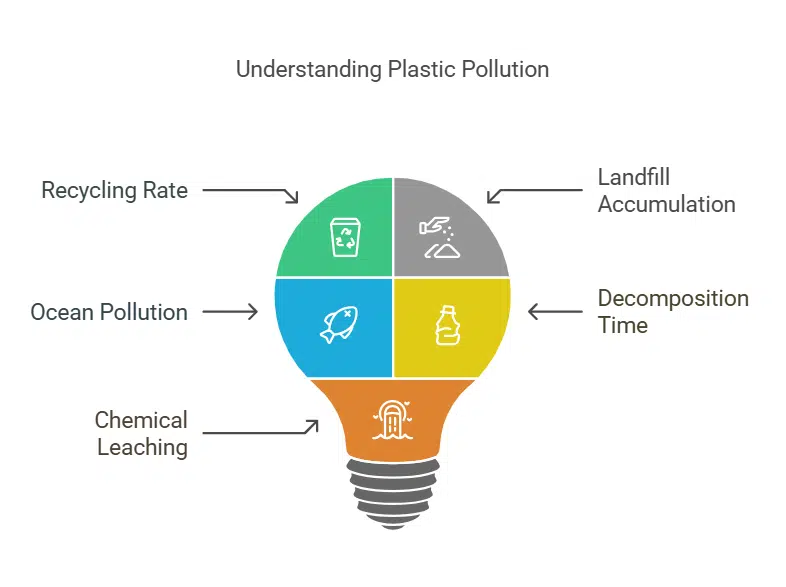
Plastic pollution is a global crisis. According to the Environmental Protection Agency (EPA), only 9% of plastic waste gets recycled, while the rest accumulates in landfills and the ocean. Plastic bottles take up to 450 years to decompose, leaching harmful chemicals into the environment.
Global Plastic Waste Statistics:
| Factor | Statistic |
| Plastic bottles produced annually | Over 500 billion |
| Bottles that end up in landfills or oceans | 91% |
| Decomposition time of a plastic bottle | Up to 450 years |
How a Reusable Bottle Can Make a Difference
Switching to a reusable water bottle significantly reduces plastic consumption. Each reusable bottle prevents an estimated 167 single-use plastic bottles from entering waste streams annually. Over time, this small step contributes to significant positive change.
7 Reasons to Switch to a Reusable Water Bottle Today
Switching to a reusable water bottle is one of the easiest and most impactful steps you can take toward a sustainable lifestyle. Not only does it help reduce environmental waste, but it also contributes to better health and significant cost savings. By making this small change, you actively participate in reducing the demand for single-use plastics, ultimately helping to protect marine life and curb pollution.
1. Reduce Plastic Waste and Pollution
Plastic bottles are among the top 5 pollutants found in water bodies worldwide. The production and disposal of plastic bottles generate enormous carbon footprints, worsening climate change.
The Impact of Single-Use Plastic on the Environment
- Over 1 million plastic bottles are bought every minute globally.
- 91% of plastic waste is not recycled, ending up in oceans or landfills.
- Marine life often mistakes plastic for food, leading to fatal consequences.
How Reusable Bottles Cut Down on Waste
- Using one reusable bottle can eliminate 1,460 plastic bottles per person over five years.
- Encourages sustainable habits and reduces dependency on disposable plastics.
| Benefit | Impact |
| Reduction in plastic use | 167 bottles per year per person |
| Less ocean pollution | Saves marine life |
| Decreased landfill waste | Reduces environmental footprint |
2. Save Money in the Long Run
Buying bottled water frequently can be costly. If you purchase a $1.50 bottle daily, you spend over $500 annually just on water. In contrast, reusable water bottles provide long-term savings and reduce unnecessary expenses.
How Reusables Lead to Big Savings
| Expense Type | Cost (Annual) |
| Buying bottled water daily | $500 – $1,000 |
| One-time purchase of a reusable bottle | $15 – $30 |
| Savings | $470 – $970 |
3. Stay Hydrated, Stay Healthy

Drinking enough water boosts energy levels, brain function, and digestion. Dehydration can lead to fatigue, headaches, and reduced cognitive performance.
Avoiding Harmful Chemicals in Plastic Bottles
Plastic bottles contain BPA (Bisphenol A) and phthalates, chemicals linked to hormonal disruptions, heart disease, and fertility issues. Stainless steel or glass bottles eliminate exposure to these toxins.
4. Durable and Stylish Choices Available
- Stainless steel: Keeps drinks hot or cold longer.
- Glass: Maintains the purity of taste.
- BPA-Free Plastic: Lightweight and shatterproof.
Customization and Trendy Designs
Reusable bottles come in various colors, sizes, and designs, allowing you to match your style while staying eco-conscious.
| Material | Benefits |
| Stainless Steel | Durable, insulated, stylish |
| Glass | No flavor retention, eco-friendly |
| BPA-Free Plastic | Lightweight, affordable |
5. Convenient and Travel-Friendly
Many reusable bottles feature leak-proof designs, ensuring they won’t spill in bags or while commuting.
Perfect for Office, Gym, or Outdoor Adventures
- Gym: Motivational bottles help track water intake.
- Office: Elegant designs fit into professional settings.
- Outdoor: Insulated bottles keep drinks cold for up to 24 hours.
6. Better Water Quality and Taste
Many reusable bottles include built-in filters, removing impurities and ensuring safer drinking water.
| Type of Filter | Function |
| Carbon filter | Removes chlorine, improves taste |
| UV filter | Kills bacteria and viruses |
| Reverse osmosis | Eliminates heavy metals and chemicals |
7. Support Sustainability and Eco-Friendly Living
Producing bottled water requires oil, energy, and transportation, contributing to CO2 emissions. Using a reusable bottle minimizes this footprint significantly.
Brands Leading the Green Revolution
Eco-friendly brands now create bottles using sustainable materials like bamboo, stainless steel, and biodegradable plastics, ensuring ethical production.
Start Making the Switch Today
- Choose the right bottle based on size, material, and purpose.
- Keep it accessible—carry it to work, the gym, and while traveling.
- Refill instead of rebuying—use public fountains or filtered water at home.
- Encourage friends and family—gift them reusable bottles to spread awareness.
Encouraging Others to Join the Movement
- Educate others on the environmental impact of plastic waste.
- Advocate for bottle refill stations in schools, offices, and public places.
- Lead by example—carry and use your reusable bottle daily.
Takeaways
Switching to a reusable water bottle is a small but powerful step toward eco-friendly living. The 7 Reasons to Switch to a Reusable Water Bottle Today highlight the environmental, financial, and personal benefits of making this change.
By adopting this habit, you contribute to a healthier planet, save money, and enjoy clean, safe hydration. Make the switch today and inspire others to do the same!





















