

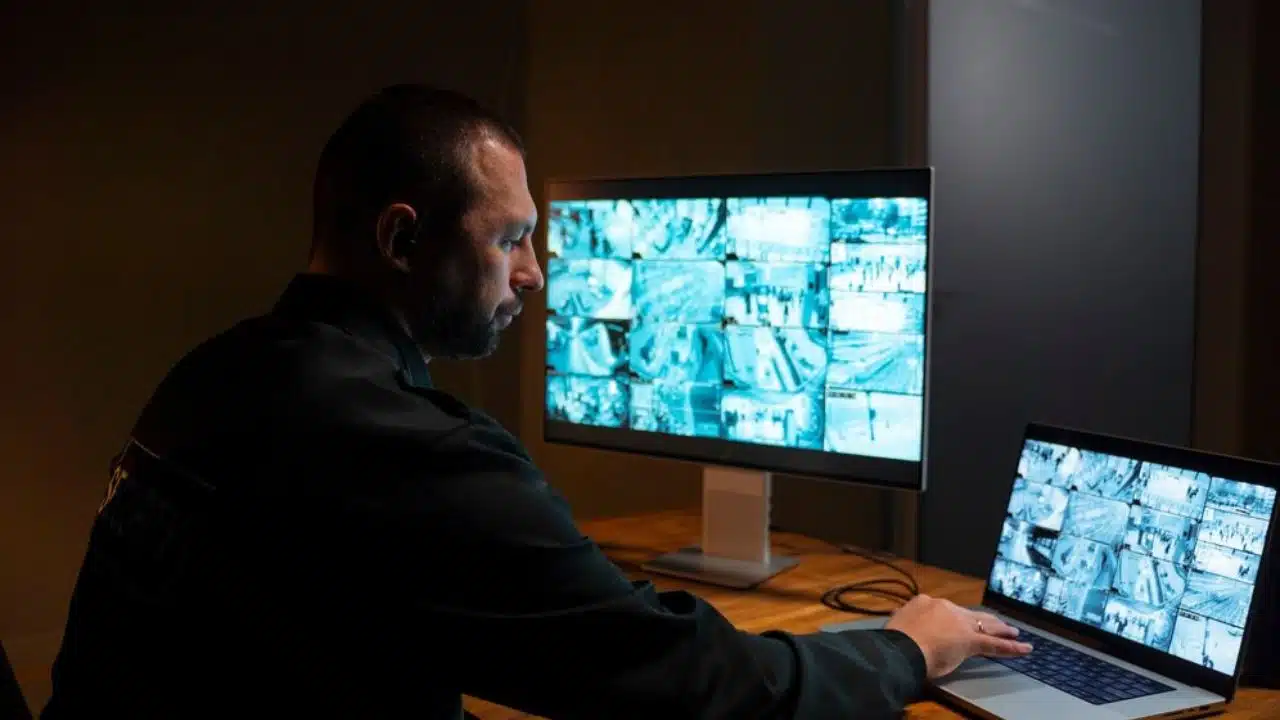
In today’s world, cameras are everywhere. From bustling city streets to quiet neighbourhoods, public surveillance has become a common tool for maintaining security. While these cameras provide valuable insights and help solve crimes, they also raise concerns about privacy. This is where automated video redaction comes in. Automated video redaction technology allows for the removal of sensitive information, such as faces and license plates, from footage—ensuring that privacy is maintained even when video is shared or released to the public. Let’s dive into the role automated video redaction plays in protecting privacy and why it’s becoming an essential tool in the age of constant surveillance.
How Automated Video Redaction Protects Privacy
The primary role of automated video redaction is to anonymise individuals in footage. Here’s how it works in practice:
- Faces: AI-powered software scans the video and detects faces. Once identified, these faces are blurred or pixelated to prevent the individuals from being recognised.
- License Plates: Similarly, vehicle license plates are automatically detected and redacted to prevent the identification of vehicle owners.
- Other Identifiers: In some cases, other identifying information, such as tattoos or distinctive clothing, can also be detected and redacted.
This level of automation is crucial when large amounts of video footage need to be processed. Without it, manually redacting footage would be time-consuming and inefficient. Automated redaction makes it possible to balance the need for transparency with the protection of personal privacy. You can learn about the advantages of cloud video workflows and how redaction software can help you from Secure Redact.
Legal and Ethical Considerations
The use of automated video redaction is not just a matter of privacy; it’s also about following the law. Many countries have strict privacy regulations that govern the collection and dissemination of personal data, especially video footage that could be used to identify individuals. For example, in the European Union, the GDPR requires that any personally identifiable information [PII] captured in public spaces must be protected. Failing to do so can result in hefty fines and legal consequences.
In the context of law enforcement, redacting video footage before it’s made public ensures that only relevant information is shared, safeguarding the privacy of individuals who are not involved in the investigation. This is especially important in cases where footage might be used in courtrooms, shared with the media, or released to the public. By using automated video redaction, police departments and other organizations can ensure compliance with privacy laws while still providing transparency in their operations.
Benefits of Automated Video Redaction
The advantages of automated video redaction go beyond just legal compliance. Here are a few key benefits:
- Time and Cost Efficiency: Automated systems can process hours of video footage in a fraction of the time it would take a human to do the same work. This not only saves time but also reduces the cost associated with manual redaction.
- Scalability: Automated video redaction can be scaled to handle large volumes of footage, making it ideal for businesses, law enforcement agencies, or municipalities that need to manage vast amounts of video data.
- Accuracy: AI algorithms are becoming increasingly sophisticated, meaning that automated video redaction can detect and redact sensitive information with high accuracy. This reduces the risk of mistakes that could lead to privacy breaches.
- Transparency and Trust: By using automated video redaction, organisations can show that they are committed to protecting privacy. This transparency can help build trust with the public, who may otherwise feel uneasy about widespread surveillance.
The Future of Automated Video Redaction
As AI technology continues to improve, the future of automated video redaction looks promising. We can expect to see advancements that make the technology even more accurate and capable of handling increasingly complex footage. Machine learning algorithms will continue to evolve, improving the system’s ability to identify and redact faces and other sensitive data.
In addition, as privacy laws evolve and surveillance technology becomes even more widespread, the need for automated video redaction will only increase. Organisations will need to find ways to protect privacy while still maintaining security and transparency, and automated video redaction is likely to play a central role in this.
Knowing When It Is Time to Invest in Video Redaction Software
There are many businesses that don’t want to spend money unless they absolutely have to. Perhaps this sounds familiar and you’ve been on the fence about video redaction software for a long time. Is this something that your business really needs? Generally, technology is recommended for this type of task due to its efficiency and accuracy. But, if you need more convincing, let’s take a look at some scenarios that indicate it’s time to invest.
1. You Have Growing Redaction Needs
Do you find that you have to redact more and more videos each month? When you have a growing need for editing, you need to have the right processes to handle it. Otherwise, you can fall behind with your duties. Know that software is the best way to encourage efficiency. You’ll be able to redact videos quickly and without putting additional stress on your team.
2. There Have Been Mistakes
Have you noticed many errors emerging from manual redaction? This is a cause for concern and it can lead to a lot of damage for your business. If this is the case, you need to understand that your process isn’t good enough. Know that software offers great accuracy levels that can protect your business.
3. You are Looking to Save Money
Most businesses don’t think that spending money on video redaction software is going to save money. After all, you could have a big outlay at the beginning. But, the truth is that this technology saves you money in several different ways. First, you don’t have to hire so many employees to deal with this type of task. Then, you’ve got the protection of this software and its accuracy. You can avoid costly lawsuits.
Takeaways
Automated video redaction plays a vital role in protecting privacy in a world of increasing surveillance. It allows organisations to share footage without compromising the identities of innocent individuals, ensuring that privacy laws are followed while still providing transparency and security. As the technology continues to improve, it will become an even more powerful tool in ensuring that privacy and public safety can coexist in the modern world.





















