
Australia’s agricultural sector has long been a cornerstone of its economy, contributing significantly to both domestic markets and international exports.
With advancements in technology and growing global demand for specific produce, Australian farmers have a prime opportunity to capitalize on the most profitable crops in Australia in 2025.
This article explores the top five crops poised to offer substantial returns, offering detailed insights to guide farmers and investors in making informed decisions.
By focusing on both profitability and sustainability, these crops can help secure a thriving agricultural future.
Australia’s Agricultural Landscape in 2025
Australia’s agricultural industry has undergone transformative changes driven by innovation, climate adaptation, and market dynamics.
The country’s ability to produce high-quality crops has cemented its position as a global leader in exports. In 2025, the focus is on crops that balance profitability with sustainability, ensuring long-term viability for farmers while meeting consumer demands.
According to the Australian Bureau of Agricultural and Resource Economics and Sciences (ABARES), Australia’s agricultural exports are projected to exceed AUD 70 billion in 2025, driven by surging global demand for premium and eco-friendly produce.
Why These Are the Most Profitable Crops in Australia?
Key Factors for Profitability
Here are the factors for profitability:
1. Climate Suitability
Australia’s diverse climate zones allow for the cultivation of a wide range of crops. Selecting crops best suited to specific regional climates ensures optimal yields and cost-efficiency.
For example, drought-resistant crops thrive in arid zones, while high-value crops flourish in temperate regions.
2. Market Demand
Global consumer trends, such as the rising popularity of plant-based diets and sustainable produce, heavily influence market demand.
Export opportunities to Asia, Europe, and North America amplify the profitability of certain crops. Countries like China and India are emerging as major buyers of Australian produce.
3. Investment in Sustainable Practices
Sustainability is no longer optional but a necessity. Implementing eco-friendly farming practices not only meets regulatory requirements but also appeals to environmentally conscious buyers, enhancing market value.
Innovations like precision agriculture and regenerative farming techniques are crucial in ensuring profitability while preserving natural resources.
Top 5 Most Profitable Crops in Australia for 2025
| Crop | Profitability Score | Ideal Regions | Market Trends |
| Almonds | High | Victoria, South Australia | Export growth in Asia |
| Wheat | Moderate | Western Australia, NSW | Staple food demand |
| Macadamia Nuts | High | Queensland, NSW | Premium prices globally |
| Avocados | High | Queensland, WA | Health-conscious diets |
| Cotton | Moderate | NSW, Queensland | Industrial textile demand |
1. Almonds
Almonds continue to dominate the tree nut industry, with global demand expected to rise by 8% annually. Australia, the second-largest almond producer globally, benefits from growing export opportunities in Asia and the Middle East.
Rising health awareness and the use of almonds in plant-based dairy products have further bolstered their demand.
According to INC statistics, global almond consumption reached over 1.5 million metric tons in 2024, a figure set to grow in 2025.
Australian almonds are particularly valued for their quality and sustainable farming practices, providing farmers with a competitive edge.
Ideal Growing Conditions
Almonds thrive in regions with warm, dry summers and mild winters, making Victoria and South Australia ideal for cultivation.
These areas’ climatic conditions align perfectly with the crop’s water and sunlight requirements, ensuring high yields.
Farmers in these regions are adopting advanced irrigation systems to optimize water use, further enhancing their profitability.
Costs and ROI (Return on Investment)
While initial establishment costs are high, almond orchards yield significant profits after the fourth year.
The per-hectare return can exceed AUD 8,000 annually once mature, with average yields ranging from 2,000 to 3,000 kilograms per hectare.
Incorporating organic practices can further boost market prices.
Key Details Table for Almonds
| Factor | Details |
| Initial Investment | High (AUD 5,000–7,000 per hectare) |
| Maturity Period | 3-4 years |
| Average Yield | 2,000–3,000 kg/hectare |
| Profitability Potential | AUD 8,000+/hectare annually |
| Key Markets | Asia, Middle East, Europe |
2. Wheat

Wheat remains a staple crop and a key export commodity for Australia. With consistent demand from markets like Indonesia, China, and Japan, wheat farming offers reliable returns.
Wheat is also crucial for food security, making it a resilient crop even during economic downturns.
Australia’s reputation for producing high-protein wheat varieties gives it a competitive edge in global markets.
The nation’s advanced logistics infrastructure ensures timely exports to key markets.
Profitability and Export Potential
In 2025, wheat prices are expected to remain strong due to global food security concerns.
Western Australia alone accounts for over 50% of the nation’s wheat exports, with an average farm gate price exceeding AUD 350 per ton.
By implementing precision agriculture, farmers can further optimize yields and minimize costs.
Best Practices for Maximizing Yields
Farmers are leveraging drought-resistant wheat varieties and advanced irrigation systems to combat climate challenges, ensuring higher yields and reduced losses. Crop rotation and soil health management further enhance productivity.
Collaborative research projects with agricultural universities are also providing new solutions for pest management.
Key Details Table for Wheat
| Factor | Details |
| Average Price | AUD 350/ton |
| Key Export Markets | Indonesia, China, Japan |
| Yield Per Hectare | 2.5–4 tons |
| Best Practices | Drought-resistant varieties |
| Sustainability Methods | Soil health management, crop rotation |
3. Macadamia Nuts
Macadamia nuts are among the most sought-after premium nuts, with demand surging in health-conscious markets such as the USA and Europe.
The nuts’ high oil content makes them popular in both culinary and cosmetic applications, driving a steady increase in prices.
Australian macadamia exports grew by over 15% in 2024, and this trend is set to continue. Premium macadamia oil is increasingly used in skincare products, further boosting demand.
Profitability Analysis
The high market price, often exceeding AUD 7 per kilogram, makes macadamias a lucrative crop. Queensland and New South Wales are hotspots for macadamia cultivation.
The global shift toward sustainable farming has also added value to Australia’s macadamia industry.
Diversification into value-added products like macadamia milk can further enhance profitability.
Sustainable Farming Practices
Macadamia farming aligns well with sustainable practices, including reduced pesticide use and water-efficient irrigation, boosting both profitability and environmental benefits.
Intercropping with legumes is being adopted to improve soil health and reduce fertilizer needs.
Key Details Table for Macadamia Nuts
| Factor | Details |
| Average Price | AUD 7+/kg |
| Popular Uses | Culinary, cosmetics, skincare |
| Yield Per Hectare | 3–4 tons annually |
| Ideal Regions | Queensland, NSW |
| Value-Added Products | Macadamia oil, macadamia milk |
4. Avocados
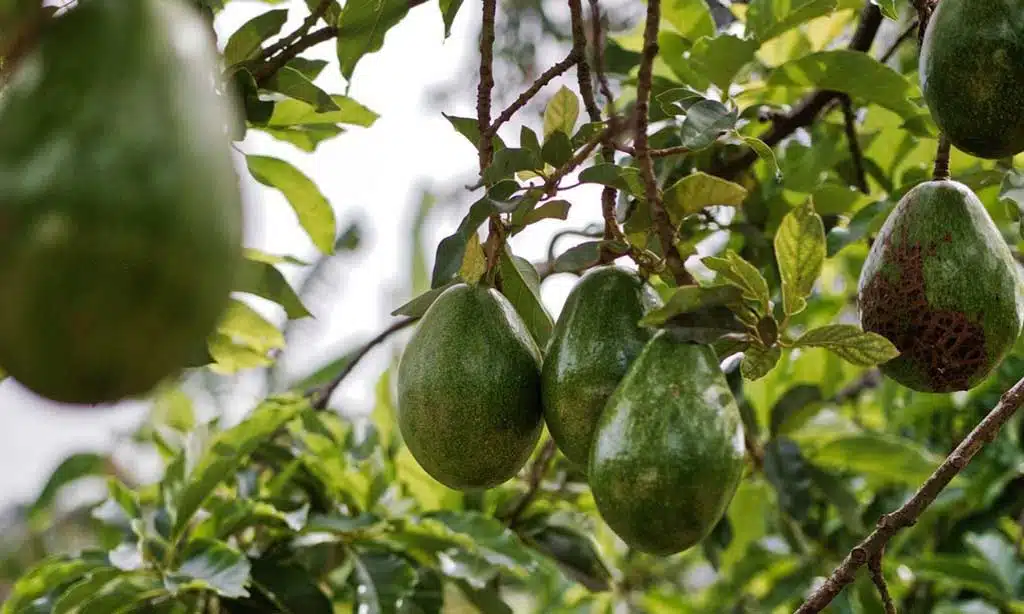
Avocados have cemented their place as a superfood, with rising demand in global markets. Australia’s ability to produce high-quality avocados year-round gives it a competitive edge.
Export markets in Asia, particularly South Korea and Japan, have shown significant growth in demand for Australian avocados.
The increasing use of avocados in vegan and plant-based diets has also driven demand.
Australia’s Competitive Advantage
Regions like Queensland and Western Australia excel in avocado production due to their favorable climates and advanced farming techniques.
Investments in pest management and cold storage infrastructure have further enhanced profitability.
The use of blockchain for supply chain transparency is helping Australian avocado farmers capture premium prices.
Managing Challenges
Pests, diseases, and fluctuating prices pose challenges, but strategic pest management and market diversification help mitigate risks.
For instance, integrated pest management systems have reduced crop losses by over 20% in recent years.
Advanced packaging solutions are being used to extend shelf life during exports.
Key Details Table for Avocados
| Factor | Details |
| Key Export Markets | South Korea, Japan, China |
| Yield Per Hectare | 10–12 tons |
| Average Market Price | AUD 4–6/kg |
| Ideal Regions | Queensland, WA |
| Key Innovations | Blockchain, advanced packaging |
5. Cotton
Cotton is highly versatile, serving industries from textiles to oil production. Australia’s cotton industry is recognized for its efficiency and quality.
In 2025, demand for sustainable cotton is expected to grow as global textile manufacturers adopt eco-friendly sourcing policies.
Organic cotton is particularly gaining traction in European markets.
Economic and Environmental Impact
Adopting technology-driven practices, such as precision agriculture, has reduced water usage in cotton farming, making it more sustainable.
According to the Australian Cotton Shippers Association, cotton exports are projected to increase by 12% in 2025.
Innovations like solar-powered irrigation systems are helping farmers reduce operational costs.
Regional Insights
New South Wales and Queensland remain the leading cotton-producing regions, thanks to their suitable climates and established infrastructure.
Farmers in these areas are forming cooperatives to negotiate better prices and share resources.
Key Details Table for Cotton
| Factor | Details |
| Average Price | AUD 600/bale |
| Export Growth | 12% (2025 projection) |
| Yield Per Hectare | 2–4 bales |
| Best Practices | Precision irrigation, solar systems |
| Sustainability Focus | Organic cotton |
How to Choose the Right Crop for Your Farm in 2025
Assessing Your Land’s Potential
Evaluate soil quality, water availability, and climatic conditions to determine the most suitable crop for your region.
Utilize soil testing kits and regional climate forecasts for accurate assessments. Partnering with local agricultural consultants can provide tailored insights.
Financial Considerations
Consider the upfront costs, ongoing maintenance, and projected ROI for each crop. While high-value crops like almonds and macadamias require substantial investment, their long-term profitability often justifies the costs.
Government grants for sustainable farming can offset initial expenses.
Staying Ahead of Trends
Monitoring global and domestic market trends ensures you stay competitive. Tools like predictive analytics and market forecasting can aid in making informed decisions.
Collaborating with industry organizations that provide access to the latest resources and market insights.
Takeaway
The top five most profitable crops in Australia in 2025—almonds, wheat, macadamia nuts, avocados, and cotton—offer significant opportunities for farmers and investors. By aligning crop selection with regional conditions, market demand, and sustainability practices, stakeholders can ensure long-term success. As global trends evolve, staying informed and adaptable will be key to thriving in Australia’s agricultural landscape.