

You might give lots of praise but see no change. B.F. Skinner named positive reinforcement as a core idea in operant conditioning. These positive reinforcement techniques can help you shape behavior effectively and achieve lasting results. This post shares eight proven methods, like token reinforcement and clicker training, to help you reward the right behaviors.
Read on.
Key Takeaways
- Name the action. Say “Maria solved that problem in two minutes!” This cuts class disruptions and boosts learning (Dweck, 2007). Keep praise three to one over corrections.
- Track good acts with tokens and charts. Let students trade stars or points for prizes. This can raise efficiency by about 20% (Wei & Yazdanifard, 2014).
- Give public praise at boards or meetings. Use three cheers for each warning. This cuts turnover (Gostick & Elton, 2009). It helps Google keep attrition low (Fortune Editors, 2016).
- Reward each small win. Offer a coupon after 5 lb loss or one gold star. Frequent boosts build grit and engagement (Martin, 2005; Greenberg & Arakawa, 2006).
- Gamify tasks with apps like ClassDojo or bingo charts. Use variable ratio schedules to keep interest fresh. Offer plants or flex hours based on likes.
8 Proven Positive Reinforcement Techniques to Boost Motivation and Behavior
Positive reinforcement techniques are powerful tools for encouraging desired behaviors in children, students, or even employees. By consistently rewarding positive actions, these strategies not only boost motivation but also help build lasting habits and improve overall performance. In this section, we’ll explore eight proven techniques that can make positive change more effective and achievable.
How can I effectively use verbal praise?

Teachers use verbal praise as a key positive reinforcement tool. Educators name the action and note the success. They say, “Maria solved that math problem in two minutes; nice work!” Research shows behavior-specific praise cuts down on classroom disruption and boosts learning.
A sincere compliment for eight- or nine-year-olds lifts intrinsic motivation, per Dweck (2007). Pairing a warm smile or steady eye contact, a simple form of social reinforcement, makes praise stick.
Such positive feedback feels genuine and age-appropriate.
Educators watch each child to find the words that hit home. They keep a praise-to-correction ratio between three to one and five to one. B.F. Skinner’s schedules of reinforcement favor a continuous plan during learning and reflect operant conditioning.
If the reward comes later, teachers link it with immediate verbal praise and a clear deadline. Staff can use a token board or behavior chart to track effort, and keep motivation high.
What are the best reward systems for motivation?
Readers need clear ways to boost drive. Solid reward plans work across teams and classrooms.
- Use token charts for consistent praise. Charts give points or gold stars per desired act. Learners trade them for toys, gift cards or event tickets. This system ties into b. f. skinner’s law of effect and taps natural reinforcers as a core positive reinforcement tool.
- Offer direct cash, gift cards or event tickets. Tangible reinforcement sends a clear value signal. Employers curb employee turnover costs, which can hit 213 percent of a salary, with smart economic incentives.
- Shift from fixed ratio to variable ratio schedules. A reinforcement schedule drops rewards after set or random tries. This mix keeps learners motivated, stops them from losing interest and follows operant conditioning to delay satiation.
- Build long-term team bonuses and rewards. A group goal uses social reinforcement and spotlights peer praise. A 2008 study by Condly, Clark and Stolovitch shows this plan beats short-term solo awards for job satisfaction.
- Reward every step in ABA therapy and dog training. Each goal act wins a mini reward or praise. This positive feedback loop steers behavior management, builds resilience and avoids punitive or extinction tactics.
How does public recognition boost performance?
Classroom leaders use positive reinforcement to call out wins on bulletin boards. They hand out token reinforcers like badges and postcards. They match three cheers with one warning.
That shows kids where to aim. They use social reinforcement to shape good behavior. They apply operant conditioning every day.
Office teams host staff retreats, send shout-outs at socials, stage team celebrations. Managers offer positive reinforcement in front of peers. Such praise taps the dopaminergic system.
It wakes up drive and focus. Purpose-driven praise links to lower turnover rates (Gostick & Elton, 2009). Google posts wins on its intranet, and it keeps attrition low (Fortune Editors, 2016).
Why is celebrating small wins important?
Small wins keep people moving ahead. Each step gets praise, not just the end goal. A fitness plan gives a reward coupon after a 5 lb loss. B.F. Skinner called this operant conditioning.
Gold stars, reward coupons and Caught Ya Being Good games tie into token reinforcement. Those tokens build social reinforcement. Behavior-specific praise lifts both kids and adults.
Those small boosts shape long term habits.
Teams grow optimism and grit. Group reinforcement and behavior bingo spark fun. A behavior chart or instant gratification system tracks each move. Martin in 2005 linked this frequent praise to higher performance.
Greenberg and Arakawa in 2006 tied small wins to engagement and resilience. Positive reinforcement works bit by bit.
How do daily affirmations improve mindset?
Daily affirmations act as social reinforcement that boosts intrinsic motivation. They shape a growth mindset in kids aged 8 and 9, leading to better grades and eagerness to learn. Practitioners use Positive Education Exercises to craft clear, upbeat statements that link strengths to goals.
These prompts build self-efficacy, spark confidence, and lift hope. Applied behavior analysts view praise as a primary reinforcer that cements new habits. Skinner’s operant conditioning notes that positive reinforcement drives lasting change.
Managers who give sincere, specific feedback create a trust cycle and a healthy work mood. Noting minor wins on sticky tags or smartphone pop-ups nudges staff to reflect on skills.
The Positive Psychology Toolkit offers research-backed templates for morning mantras or group cheers. These activities feel warm, match personal tastes, and boost morale.
What leadership opportunities encourage growth?
Assigning roles like project leader or class helper gives social reinforcement and builds responsibility. Transformational leadership from James MacGregor Burns in 2003 fosters happiness and chance to learn.
Leaders let staff voice ideas, steer projects, or mentor peers to boost confidence. Atkinson & Frechette in 2009 found that engaged workers stay longer and work harder.
Teams use token reinforcement as positive reinforcement to reward growth. Feedback that rings true, and flexible assignments that test skills, offer tangible reinforcement. Organizers of events or team projects get a taste of promotion and extra duties under operant conditioning.
These chances reinforce desired behaviors and keep motivation high.
How can gamifying tasks increase engagement?

Gamifying tasks taps into b.f. skinner’s operant conditioning, so reward trackers, bingo charts, and incentive jars spark positive reinforcement. Apps such as ClassDojo or point-based platforms display progress live and hand out token reinforcement.
Team challenges with behavior jars foster social reinforcement and build community. Good Deed Cards and Instant Gratification Systems mix variable ratio and interval schedules to keep interest fresh.
Office teams use leaderboards for idea tracking and skill-sharing competitions, which reduce burnout and cut absenteeism. A human resource expert might note that positive feedback and gift cards act as tangible reinforcement.
Therapists and dog trainers draw on applied behavioral analysis to guide clients and pets alike. A splash of humor and creative twists makes each win as satisfying as a jackpot.
What personalized incentives work best?
Caregivers run preference assessments to find each student’s primary reinforcers. They might show toys, snacks or point cards. Then staff apply fixed or variable schedules of reinforcement to keep motivation alive.
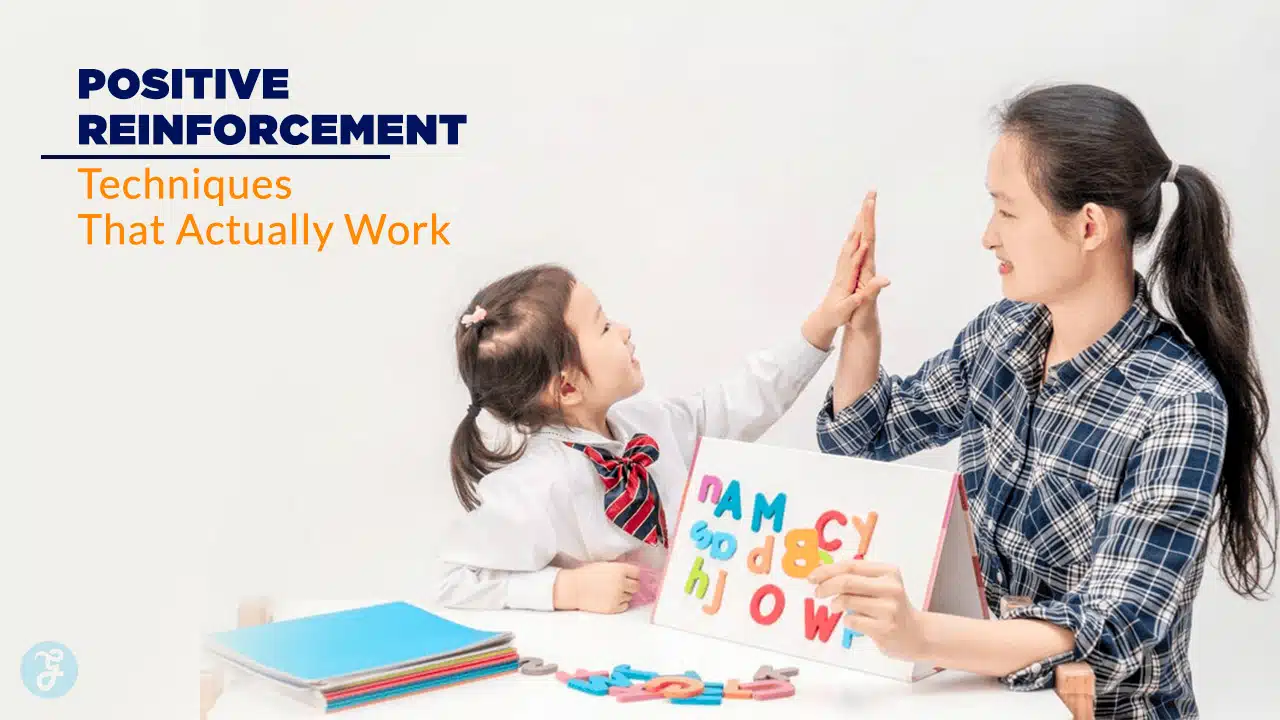
Applied behavior analysts count points on charts and trade them for game time or small prizes. Praise from peers or a high five adds social reinforcement that taps into positive feedback loops.
Skinner’s operant conditioning supports this approach in applied behavior analysis (ABA) therapy.
Employees enjoy flexible schedules and remote work perks. Management often adds gift cards for top performers. Public shout-outs on performance boards spark a bit of peer pressure, which can be quite motivating.
A quiet corner with a new plant or ergonomic chair works as a tangible reinforcement. Scholars cite Wei & Yazdanifard’s 2014 study that found both praise and pay boost efficiency by about 20 percent.
Mindful checks help spot any reward that stops working, so leaders swap or tweak incentives to prevent satiation.
Takeaways
You gain more wins with verbal praise and token reinforcement. We spot change when we reward acts with gift cards or daily affirmations. Leaders use Operant conditioning, so they deliver social reinforcers with a grin.
Small wins spark hope and build momentum. Each plan can add natural reinforcers or tangible incentives from positive psychologists. Now you hold real tools for growth.
FAQs
1. What is positive reinforcement?
Positive reinforcement is a tool in operant conditioning where you give a reward to reinforce good acts. Positive psychologists and B. F. Skinner, in his learning theory, both back this idea.
2. Who was B. F. Skinner and what did he teach?
B. F. Skinner was a leading methodological behaviorist, he shaped operant conditioning. He mapped negative reinforcement, negative punishment, and positive punishment in his learning theory.
Social reinforcement uses smiles or a nod to reward you, it also uses communication like high fives or a thumbs up. It taps social skills, and helps folks on the autism spectrum disorder, or asd, and neurotypical. It also drives employee satisfaction and team joy.
4. How do tangible reinforcement and token reinforcement help?
With tangible reinforcement you offer physical rewards. A token reinforcement plan gives points you can swap for treats. These extrinsic perks motivate fast, and they fit in employee motivation and classroom management plans, they even ease job stress.
5. What role do natural reinforcers and verbal praise play?
Natural reinforcers are built into an act, like fun or pride. Verbal praise, like saying “well done,” taps emotion and boosts willpower. Both work in cbt, counseling, grief support, and bereavement care.
6. How does the schedule of reinforcement shape behavior?
A schedule of reinforcement maps when to reward. It can be fixed, or it can surprise you on a random plan. This mix keeps habits alive, it spurs problem solving, and it sits in incentive motivation theories.





















