
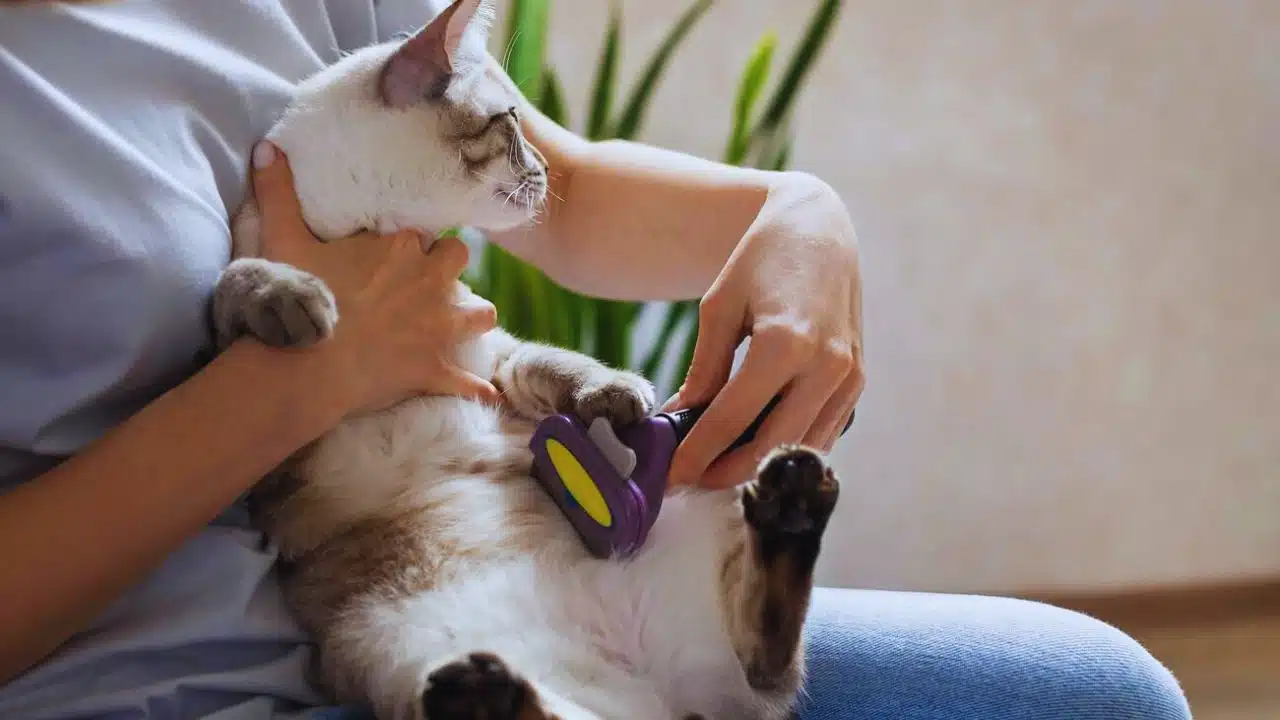
Imagine running your fingers through your pet’s soft, clean fur, seeing their eyes sparkle with health, and knowing you’ve played a crucial role in their well-being. Welcome to the world of at-home pet grooming!
Whether you’re a first-time pet owner or a seasoned animal lover, mastering the art of grooming your furry friend at home can be a game-changer for you and your pet.
In this comprehensive guide, we’ll explore the ten best practices for pet grooming at home, breaking down each step to make it easy, enjoyable, and effective.
From establishing a routine that works for you and your pet to tackling specific grooming tasks, we’ve got you covered. By the end of this article, you’ll be equipped with the knowledge and confidence to keep your pet looking and feeling their absolute best, all while strengthening your bond.
So, grab your brush, put on your pet-friendly smile, and dive into the world of at-home pet grooming!
1. Establish a Regular Grooming Routine
Creating a consistent grooming routine is like building a solid foundation for a house—essential for long-term success. Here’s how to make it work:
- Start young: If possible, introduce grooming to your pet when they’re young. This helps them see it as a regular, enjoyable part of life.
- Choose the right time: Pick when your pet is naturally calm. For many, this is when they’re tired and relaxed after a walk or play session.
- Be consistent: Aim for the same time and place for each grooming session. This predictability helps your pet feel secure.
- Keep it positive: Use treats, praise, and a gentle touch to make grooming a positive experience.
- Start small: Begin with short sessions (5–10 minutes) and gradually increase the duration as your pet becomes more comfortable.
Remember, consistency is critical. Daily grooming is often more effective and less stressful than long, infrequent sessions.
2. Invest in the Right Tools
Having the proper tools not only makes grooming easier but also more effective. Here’s a list of essential items for your pet grooming kit:
- Brushes and combs:
- Slicker brush for long-haired pets
- Bristle brush for short, smooth coats
- Undercoat rake for double-coated breeds
- Wide-toothed comb for detangling
- Nail clippers or grinder: Get size-appropriate clippers or consider a quiet electric grinder.
- Pet-safe shampoo and conditioner: Look for products formulated for your pet’s needs (e.g., sensitive skin, flea control).
- Ear cleaning solution: Choose a veterinarian-recommended product.
- Toothbrush and pet toothpaste: Never use human toothpaste on pets!
- Grooming wipes: Great for quick clean-ups between baths.
- Hair dryer (optional): If you use one, ensure it’s in a low, relaxed setting.
Investing in quality tools will make grooming more effective and comfortable for you and your pet.
3. Master the Art of Brushing
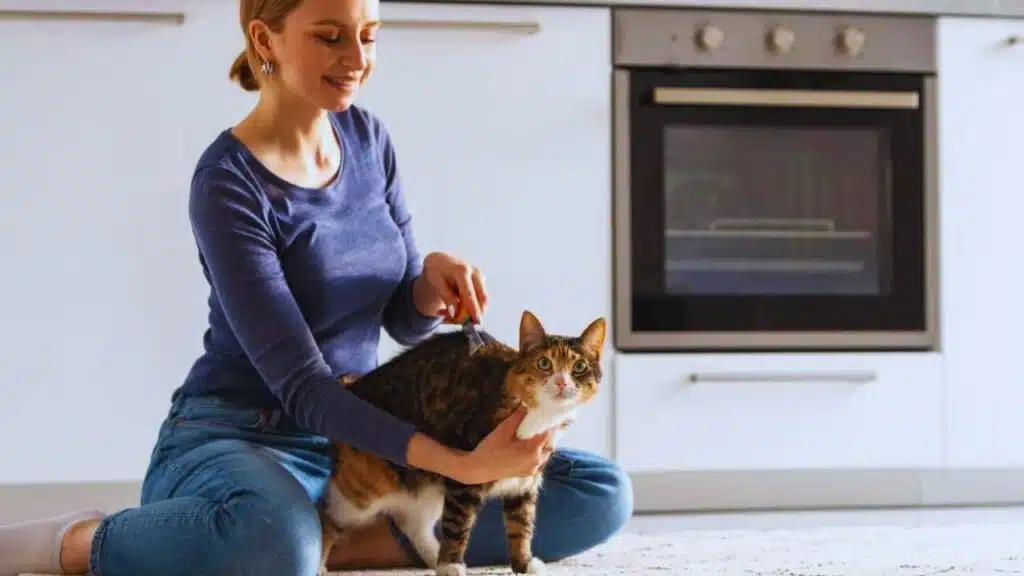
Regular brushing is the cornerstone of good pet grooming. It removes dirt, spreads natural oils throughout the coat, prevents matting, and allows you to check for any issues. Here’s how to brush like a pro:
- Choose the right brush: Use a brush appropriate for your pet’s coat type.
- Brush toward hair growth: This prevents discomfort and hair breakage.
- Be gentle but thorough: Pay extra attention to areas prone to matting, like behind the ears and under the legs.
- Use a detangling spray: For long-haired pets, a detangling spray can make brushing more accessible and less painful.
- Make it routine: Aim to brush short-haired pets 1-2 times a week, medium-haired pets 2-3 times a week, and long-haired pets daily.
- Check for skin issues: While brushing, look for any lumps, bumps, or areas of irritation.
Remember, brushing isn’t just about beauty; it’s a health check and bonding opportunity all in one!
4. Bathe Your Pet Properly
Bathing your pet is about more than just cleaning them; it’s an opportunity to check their skin, remove loose fur, and bond. Here’s how to make bath time a success:
- Use the right products: Choose a shampoo formulated for your pet’s species and any specific skin needs.
- Prepare the area: Gather all supplies before starting and use a non-slip mat in the tub.
- Use lukewarm water: Too hot or cold water can be uncomfortable for your pet.
- Wet thoroughly: Ensure the coat is completely wet before applying shampoo.
- Massage gently: Work the shampoo thoroughly, paying attention to often-missed areas like under the tail and between the toes.
- Rinse thoroughly: Leftover shampoo can irritate the skin, so rinse until the water runs clear.
- Dry properly: Use towels to remove excess water, then allow air drying or use a dryer on low heat.
- Frequency matters: Most dogs need a bath every 4–8 weeks, while cats rarely need baths unless they get into something messy.
Remember, bath time can be stressful for some pets. Stay calm, use a soothing voice, and offer praise and treats.
5. Maintain Healthy Paws and Nails
Healthy paws and well-trimmed nails are crucial for your pet’s comfort and mobility. Here’s how to keep those paws in top shape:
- Inspect regularly: Check paws for cuts, abrasions, or foreign objects stuck between pads.
- Trim nails every 2–4 weeks: If you hear clicking on the floor, it’s time for a trim.
- Use the right tools: Choose clippers for your pet’s size and nail type.
- Know where to cut: Aim to cut just the tip, avoiding the quick (the pink part containing blood vessels).
- Take it slow: If your pet is nervous, try trimming just a few nails at a time.
- Consider a grinder: An electric nail grinder can be an excellent alternative to clippers for thick nails or nervous pets.
- Moisturize paw pads: Use a pet-safe paw balm to prevent cracking, especially in harsh weather.
- Keep hair trimmed: For furry-footed friends, cut the hair between paw pads to prevent matting and reduce slipping.
If you’re unsure about nail trimming, ask your vet or a groomer for a demonstration. It’s better to be safe than sorry about your pet’s paws!
6. Keep Ears Clean and Healthy
Clean, healthy ears are essential for your pet’s comfort and well-being. Here’s how to make ear care a breeze:
- Inspect regularly: Check ears weekly for redness, swelling, discharge, or unusual odor.
- Use a pet-safe cleaner: Never use water or hydrogen peroxide in your pet’s ears.
- Clean gently: Use a cotton ball or soft cloth dampened with ear cleaner to wipe the visible part of the ear canal.
- Don’t go deep: Never insert anything into the ear canal – leave that to the professionals.
- Dry thoroughly: Ensure ears are dehydrated to prevent infections after cleaning or swimming.
- Know your breed: Some breeds (like those with floppy ears) are more prone to ear issues and may need more frequent cleaning.
- Watch for head shaking: Excessive head shaking or ear scratching could indicate an ear problem.
Remember, if you notice any signs of an ear infection or your pet seems to be in pain, consult your veterinarian promptly.
7. Practice Good Dental Hygiene
Dental care is often overlooked in pet grooming but is crucial for overall health. Poor dental hygiene can lead to serious health issues. Here’s how to keep those pearly whites shining:
- Brush regularly: Aim to brush your pet’s teeth daily or at least three times a week.
- Use pet-specific products: Never use human toothpaste on pets; it can be toxic.
- Start slow: Let your pet get used to having their mouth touched before introducing a toothbrush.
- Use proper technique: Brush in circular motions, focusing on the gum line.
- Offer dental treats: Look for treats approved by the Veterinary Oral Health Council (VOHC).
- Provide chew toys: Certain toys can help clean teeth as your pet chews.
- Schedule professional cleanings: Regular check-ups and cleanings with your vet are essential.
- Watch for signs of dental issues: Bad breath, yellow or brown teeth, bleeding gums, or difficulty eating could indicate dental problems.
Remember, good dental hygiene doesn’t just prevent bad breath; it can add years to your pet’s life!
8. Address Eye Care
Regular eye care helps prevent infections and allows you to spot potential issues early. Here’s how to keep those eyes bright and healthy:
- Clean gently: Use a damp, soft cloth to wipe around the eyes, removing any discharge.
- Trim carefully: Keep the hair around the eyes trimmed for long-haired pets to prevent irritation.
- Watch for tear stains: Clean the area daily for pets prone to tear staining and consider stain-removing products.
- Use eye wipes: Pet-safe eye wipes can be helpful for stubborn debris.
- Check for issues: Look for redness, swelling, cloudiness, or excessive tearing.
- Protect those peepers: Use pet-safe eye drops before bathing to prevent irritation.
- Consider supplements: Some can help with tear staining and overall eye health.
Remember, any sudden changes in your pet’s eyes warrant a trip to the vet. Regarding eye health, it’s always better to be safe than sorry!
9. Tackle Shedding Effectively
While shedding is natural for most pets, excessive fur around your home can be a nuisance. Here’s how to manage shedding effectively:
- Brush regularly: Daily brushing during shedding season can significantly reduce loose fur.
- Use the right tools: Deshedding tools like the Furminator can effectively remove loose undercoats.
- Consider supplements: Omega-3 fatty acids can promote a healthy coat and reduce shedding.
- Maintain a healthy diet: Good nutrition is vital to a healthy coat and standard shedding patterns.
- Use a rubber grooming mitt: These are great for removing loose fur from furniture and clothing.
- Try a de-shedding shampoo: These can help loosen and remove excess fur during bath time.
- Vacuum frequently: Regular vacuuming helps keep loose fur under control in your home.
- Watch for excessive shedding: Unusual shedding patterns could indicate health issues, so consult your vet if you notice any changes.
Remember, while you can’t stop shedding completely, regular grooming can make a big difference in managing it!
10. Create a Positive Grooming Experience
The key to successful at-home grooming is making it a positive experience for you and your pet. Here’s how to turn grooming time into quality bonding time:
- Start slow: Introduce grooming tools and activities gradually.
- Use positive reinforcement: Offer treats, praise, and petting during and after grooming sessions.
- Keep sessions short: Especially when starting, keep grooming sessions brief and end on a positive note.
- Make it a game: Let your dog “chase” the brush before using it.
- Stay calm: Your pet can sense your emotions, so remain relaxed and positive.
- Choose the right time: Groom when your pet is naturally calm, like after a walk.
- Be consistent: Regular, predictable grooming sessions help your pet know what to expect.
- Know when to stop: If your pet becomes overly stressed, take a break and try again later.
Remember, a pet that enjoys grooming is more likely to cooperate, making the process easier and more effective for everyone involved.
Final Thoughts
By implementing these ten best practices, you’re well on becoming your pet’s grooming guru. Remember, grooming is more than just keeping your pet looking good – it’s about maintaining their health, detecting potential issues early, and strengthening your bond.
As you embark on your grooming journey, remember that every pet is unique. What works for one might not work for another, so don’t be afraid to adjust your approach. Be patient with yourself and your pet as you both learn and grow in this process.
Most importantly, make grooming a time of love and connection. Those moments spent brushing, bathing, and caring for your pet are opportunities to show them how much you care. With time and practice, grooming can become a cherished routine that you and your pet look forward to.