Renting can be tough, especially when energy bills keep climbing. Many apartments feel drafty in winter and boiling hot in summer. It’s hard to stay comfortable without spending a fortune on heating and cooling.
Passive house apartments could change that. These spaces are built for top energy efficiency, which means lower bills and better comfort all year round. They also bring fresh air indoors with smart ventilation systems, helping you breathe easier.
This post will break down five key features of passive house apartments that renters love. Stick around—you won’t want to miss these game-changing benefits!
Energy Efficiency
These apartments use less energy, saving you money every month. With smart designs like thick insulation and solar panels, they help cut power needs.
Reduced utility bills
Living in a passive house slashes energy costs. These apartments use 90% less energy for heating and cooling than regular homes. High-performance windows, airtight construction, and thick insulation stop heat loss.
You’ll spend far less on HVAC systems.
Heat recovery ventilation reduces electric bills further. The system recycles warm air while keeping the house fresh with clean indoor air. Renters enjoy stable utility expenses even during extreme weather months.
Minimal reliance on external power sources
Passive house apartments need less outside energy. They use smart designs like solar orientation and passive solar design to capture heat from the sun. Heat recovery ventilation keeps warmth inside without needing extra heating systems.
Thick insulation and airtight construction block heat losses, cutting down energy usage.
Renewable energy sources, like solar panels, can supply power for cooling or lighting. High-performance windows reduce heat transfer, keeping spaces cozy with no extra effort. These features lower energy consumption while helping renters save on bills and cut carbon emissions.
Superior Indoor Air Quality
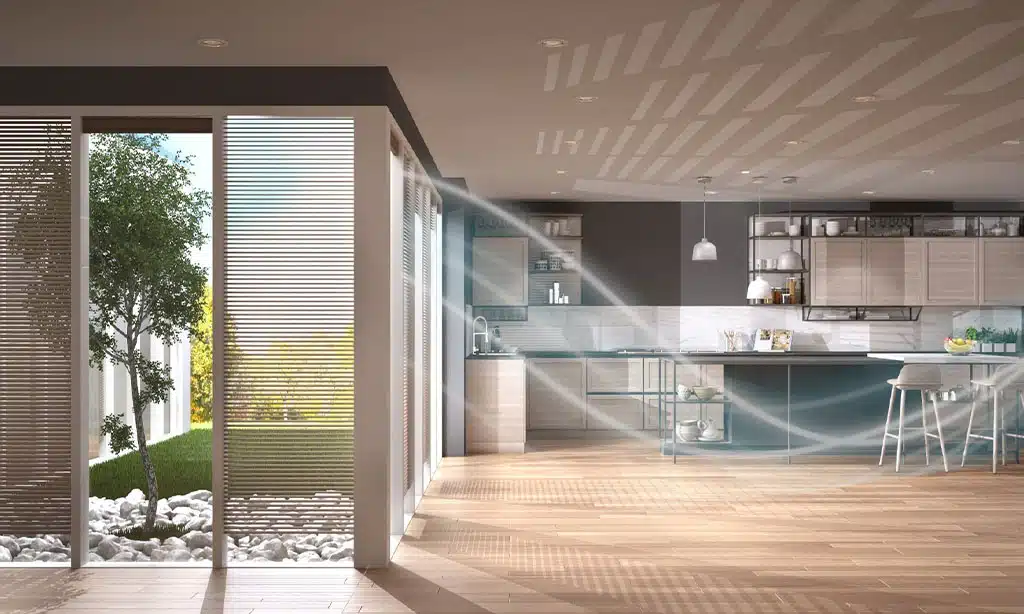
Breathing easy feels amazing, doesn’t it? Passive House apartments give fresh, clean air all day long.
Continuous ventilation with heat recovery
Fresh air flows in, stale air flows out. Passive houses use mechanical ventilation with heat recovery (MVHR) systems to keep this balance. These systems pull in clean outdoor air and filter it, while removing indoor pollutants like dust or allergens.
Breathe better, live better—thanks to smart ventilation.
As fresh air enters, the system keeps warmth from outgoing air. This saves energy during heating seasons and boosts indoor comfort year-round. Proper airflow also stops mold growth by reducing moisture buildup inside the home.
Reduced allergens and pollutants
Passive house apartments use heat recovery ventilation (HRV) systems to clean indoor air. These systems filter pollen, dust, and other particles. This helps people with allergies breathe easier.
Airtight construction reduces outdoor pollutants like car fumes from entering. It also keeps out moisture that could cause mold. Together, these features create a healthier indoor environment for renters.
Enhanced Comfort
Say goodbye to uneven temperatures and chilly corners. These apartments wrap you in warmth, thanks to clever design and continuous insulation.
Consistent indoor temperatures
Passive houses keep rooms cozy all year. Thick insulation and airtight construction stop heat loss in winter and block heat in summer. This keeps temperatures steady, no matter the weather outside.
High-performance windows and doors prevent cold drafts or hot spots near glass areas. With a balanced HVAC system like heat recovery ventilation (HRV), air stays fresh while keeping warmth locked inside during colder months.
Elimination of drafts and cold spots
Thick insulation and airtight construction stop drafts in passive house apartments. No cold air sneaks through cracks or poorly sealed windows. High-performance windows, like triple-glazed ones, add to this cozy setup.
They keep the heat in during winter and out during summer.
Temperature stays steady across all rooms. Forget sitting near a window with a blanket because of chills! Passive design keeps every corner warm without extra energy use. This boosts comfort while cutting heating costs.
Quiet Living Environment
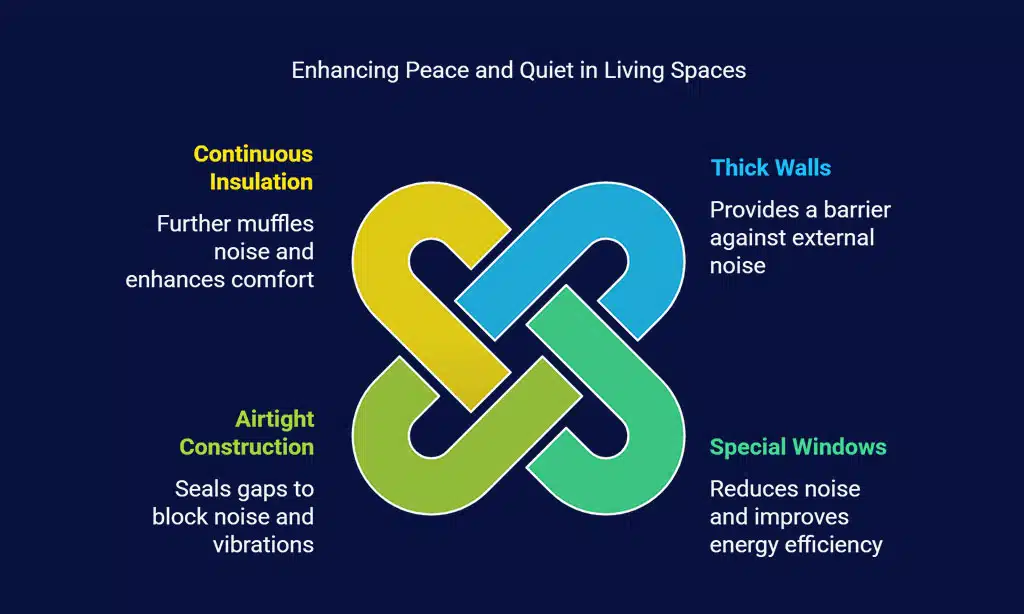
Thick walls and special windows block outside noise, so your space stays peaceful. Even in busy areas, the quiet feels like a hidden oasis.
Soundproofing through airtight construction
Airtight construction blocks noise from outside. It seals gaps in walls, floors, and ceilings. This keeps unwanted sounds out of your space. Busy streets or loud neighbors become less of a problem.
A strong building envelope also reduces vibrations that carry sound. Paired with continuous insulation, it muffles noise even more. Renters enjoy peace and quiet without extra soundproofing efforts.
Triple-pane windows for noise reduction
Triple-pane windows block outside noise better than regular windows. They have three layers of glass, which cut down sound waves. This airtight construction helps keep the inside peaceful, even in noisy areas.
These high-performance windows also improve energy efficiency. By reducing heat loss, they lower heating and cooling costs. Renting a passive house with triple-glazed windows means less noise and more comfort all year long.
Sustainability and Long-Term Value
Passive houses protect the planet with lower energy use. They also save money over time, thanks to strong, lasting designs.
Reduced carbon footprint
Living in a Passive House apartment helps cut carbon emissions. These buildings use ultra-low energy, reducing the need for heating and cooling systems. With solar panels and heat recovery ventilation, they rely less on external power sources.
This means fewer greenhouse gases harming the planet.
Continuous insulation also plays a big role. It traps warmth in winter and keeps homes cool during summer. High-performance windows keep conditioned air from escaping, lowering energy consumption even more.
Renters get comfort while helping fight climate change at the same time!
Durable construction with low maintenance needs
Passive house apartments are built to last. The airtight construction and durable materials reduce wear and tear over time. High-performance windows, like triple-pane ones, resist damage while improving energy efficiency.
These buildings need less upkeep. Continuous insulation prevents moisture issues, cutting repair costs. With fewer thermal bridges, structures stay intact longer. Renters save money and effort on maintenance in the long run.
Takeaways
Living in a Passive House apartment offers renters huge benefits. You save money with lower energy bills and enjoy fresh, clean air every day. Consistent temperatures make your home cozy all year round without cold spots or drafts.
Thick insulation keeps noise out, giving you much-needed peace. Plus, choosing this type of green building helps the planet by cutting down carbon emissions. Make the leap to smarter living—it’s good for you and Earth too!
FAQs
1. What is a passive house apartment?
A passive house apartment is built using energy-efficient designs like airtight construction, high-performance windows, and continuous insulation to reduce energy consumption and improve comfort.
2. How do passive houses save energy for renters?
They use features like heat recovery ventilation, triple-glazed windows, and solar orientation to lower heating and cooling needs, cutting down on energy bills.
3. Can renting a passive house help with indoor air quality?
Yes, these apartments use moisture control systems and MVHR systems to provide fresh air while reducing pollutants inside the home.
4. Are passive houses good for the environment?
Absolutely! Passive housing reduces carbon emissions by relying on renewable sources like solar panels and limiting energy waste through sustainable building practices.
5. Do passive homes stay comfortable in all seasons?
Yes, they maintain thermal comfort year-round by preventing overheating in summer and keeping warmth inside during winter with advanced building envelopes.
6. Are there financial benefits for renters choosing a passive house?
Renters can enjoy financial savings from reduced utility costs due to low-energy usage designs while also benefiting from government incentives promoting green buildings.